Free shipping on orders over 50€ up to 500g
French Online shop for beads and accessories for the creation of DIY jewellery and other creative hobbies

Log-in

Beads and components Stainless Steel to create fancy jewelry

Filter
Galvanization
Shape
Astrological Signs
Alphabet
type of steel
Origin
Filter
Galvanization
1666
1535
889
140
19
1
Shape
595
225
163
156
128
115
82
78
57
53
53
50
47
46
44
41
40
40
39
38
35
30
29
25
24
24
22
21
20
19
19
17
16
16
15
15
15
14
14
14
12
12
12
12
10
10
9
9
9
9
9
9
9
8
8
8
8
8
8
8
7
7
7
7
7
7
6
6
6
6
6
6
5
5
5
5
4
4
4
4
4
4
4
4
4
3
3
3
3
3
3
3
3
3
3
3
2
2
2
2
2
2
2
2
2
2
2
2
2
2
2
2
2
2
1
1
1
1
1
1
1
1
1
1
1
1
1
1
1
1
1
1
1
1
1
1
1
1
Astrological Signs
2
2
2
2
2
2
2
2
2
2
2
2
Alphabet
20
10
9
9
9
9
9
9
9
9
9
9
9
9
9
9
9
9
9
9
9
9
9
9
9
8
8
type of steel
940
858
700
37
23
17
2
Origin
2581
2
2585 item(s)
12x9mm flat round beads in stainless steel x1
 
12x9mm flat round beads in stainless steel x1
From 1 to 9 0,80 €
10 and + 0,70 €
8mm Balls in 304 stainless steel x5
 
8mm Balls in 304 stainless steel x5
From 1 to 9 1,80 €
From 10 to 29 1,60 €
30 and + 1,30 €
6mm Balls in 304 stainless steel x8
 
6mm Balls in 304 stainless steel x8
From 1 to 9 1,90 €
From 10 to 29 1,70 €
30 and + 1,30 €
4mm Balls in 304 stainless steel x10
 
4mm Balls in 304 stainless steel x10
From 1 to 4 1,20 €
From 5 to 9 1,10 €
10 and + 0,90 €
3mm Balls in 304 stainless steel x10
 
3mm Balls in 304 stainless steel x10
From 1 to 9 1,40 €
From 10 to 29 1,25 €
30 and + 1,00 €
What kind of jewelry to create in stainless steel?

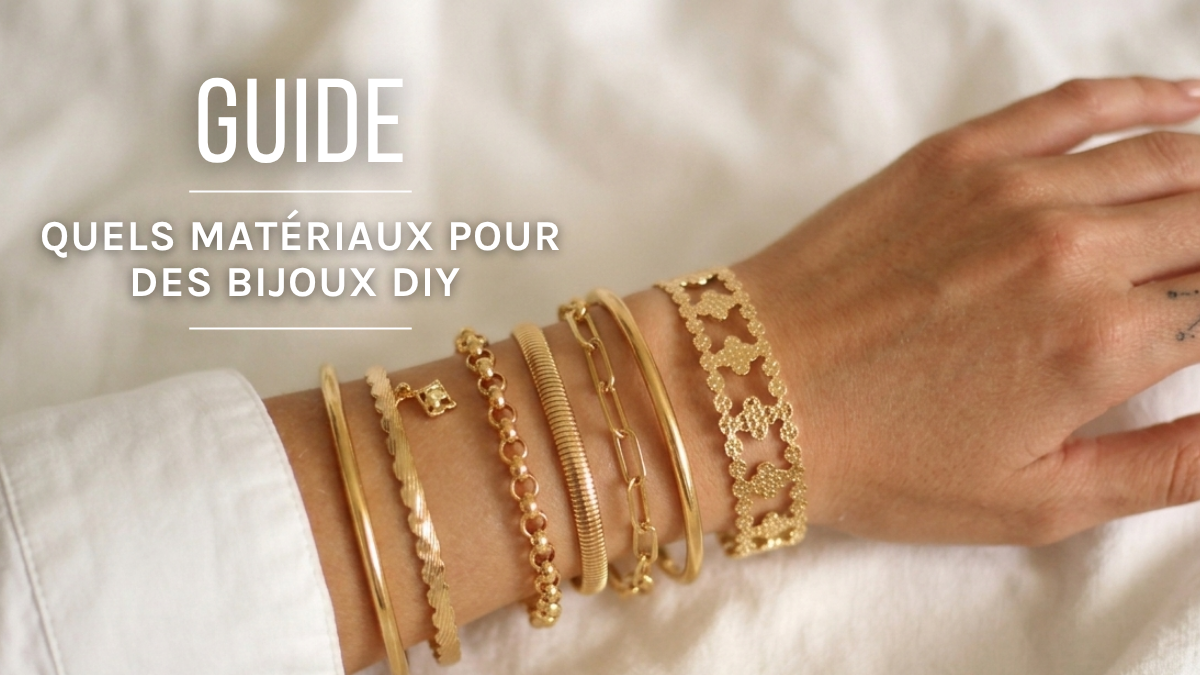
Thanks to its strength and lightness, stainless steel is very popular in jewelry. The creative possibilities are endless, and everyone can let their imagination run wild! Go ahead, try it out... Think of the jewel of your dreams and you'll see that there's certainly a possible stainless steel version. So don't limit yourself and go for your most beautiful creations.

Here are a few inspirations that might help you:

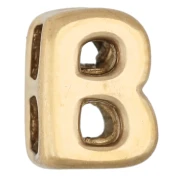
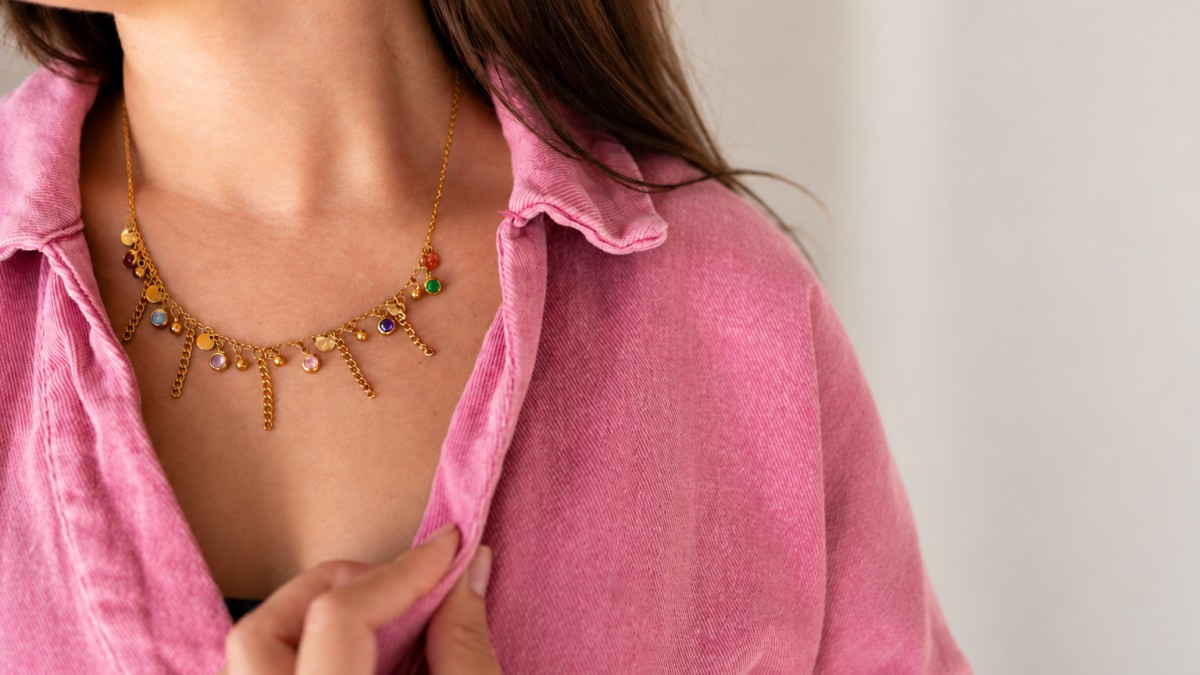
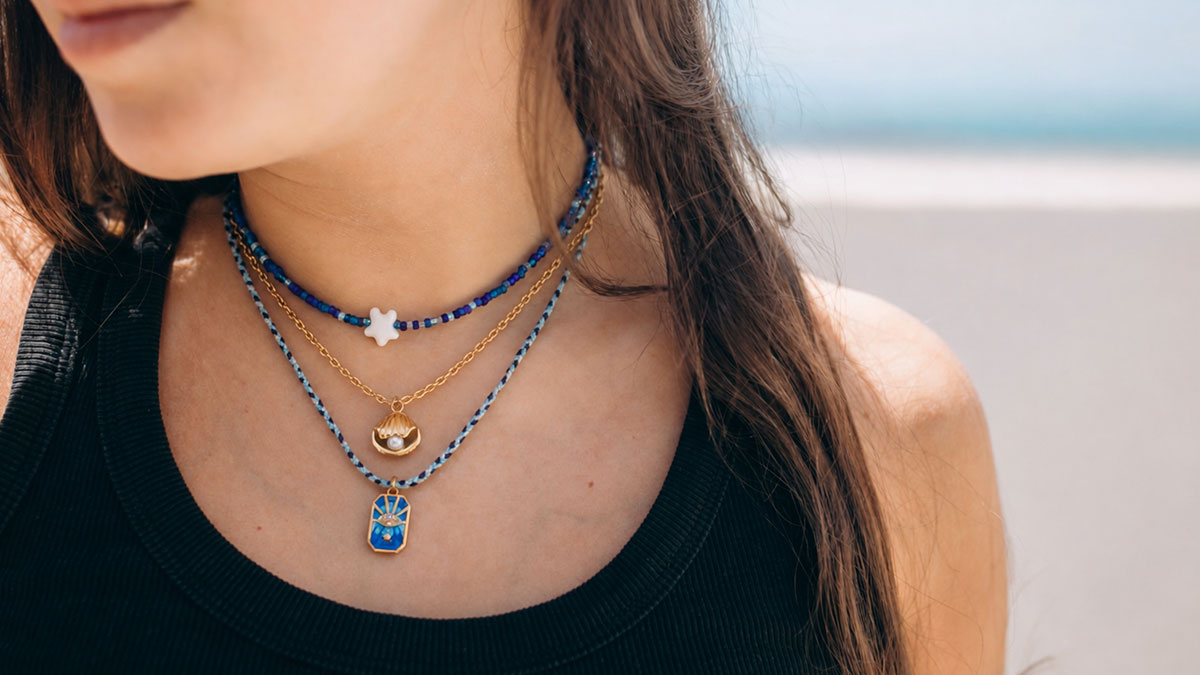
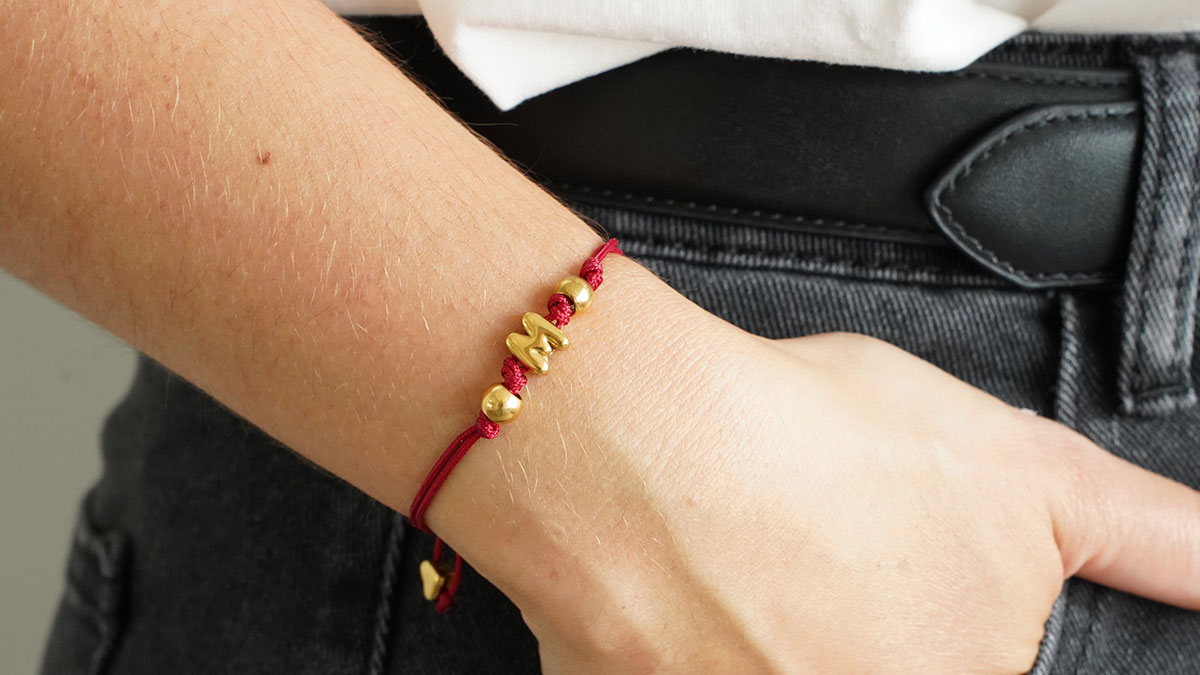
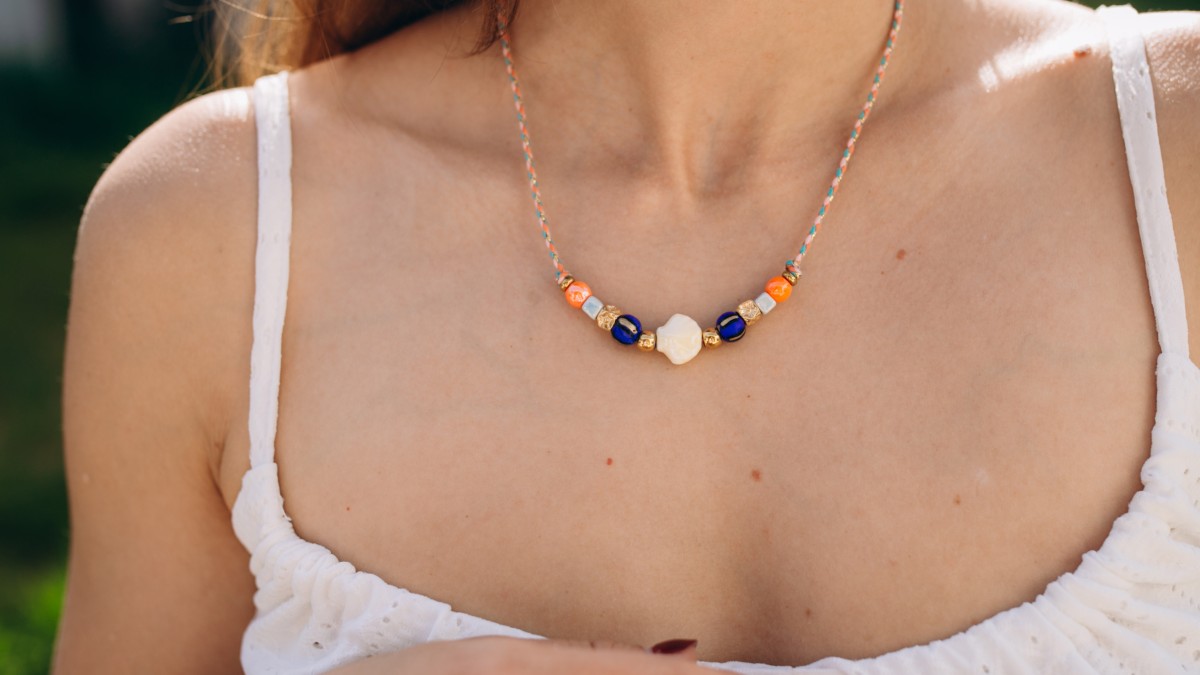
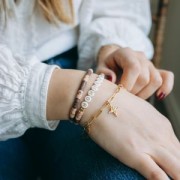
  • Personalize your jewelry by writing your first name with alphabet beads or adding an astrological sign charm to a chain. A perfect gift for both men and women.
  • A stainless steelring with Miyuki beads, gemstone beads or chain,
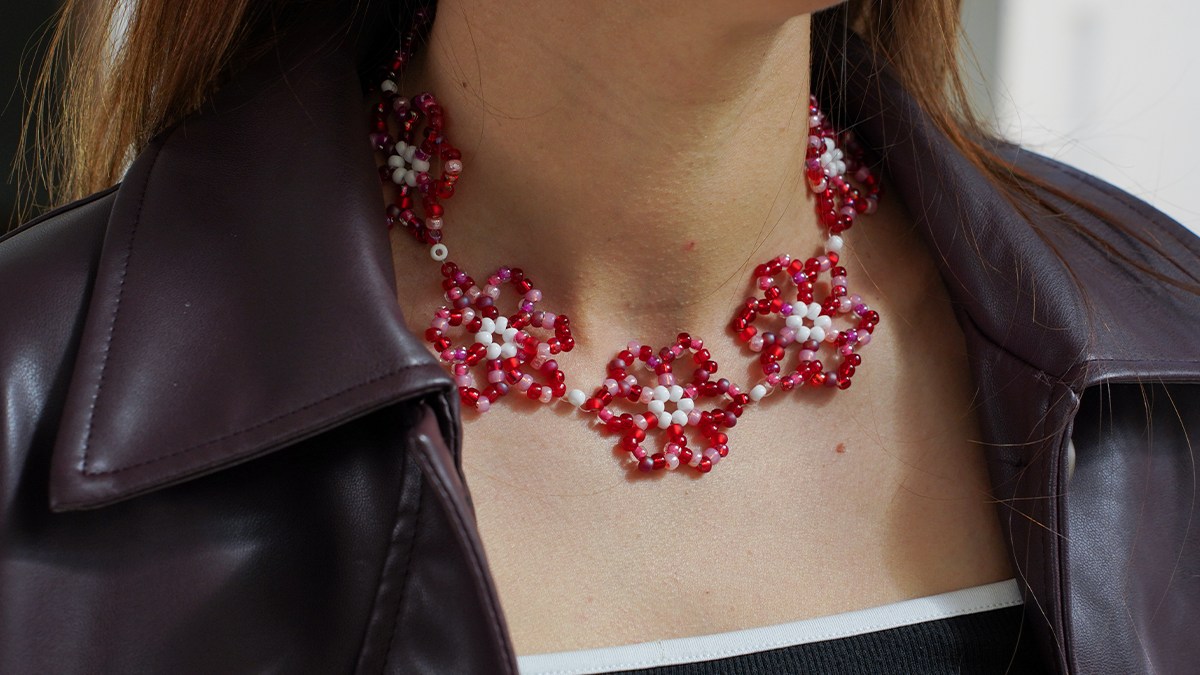
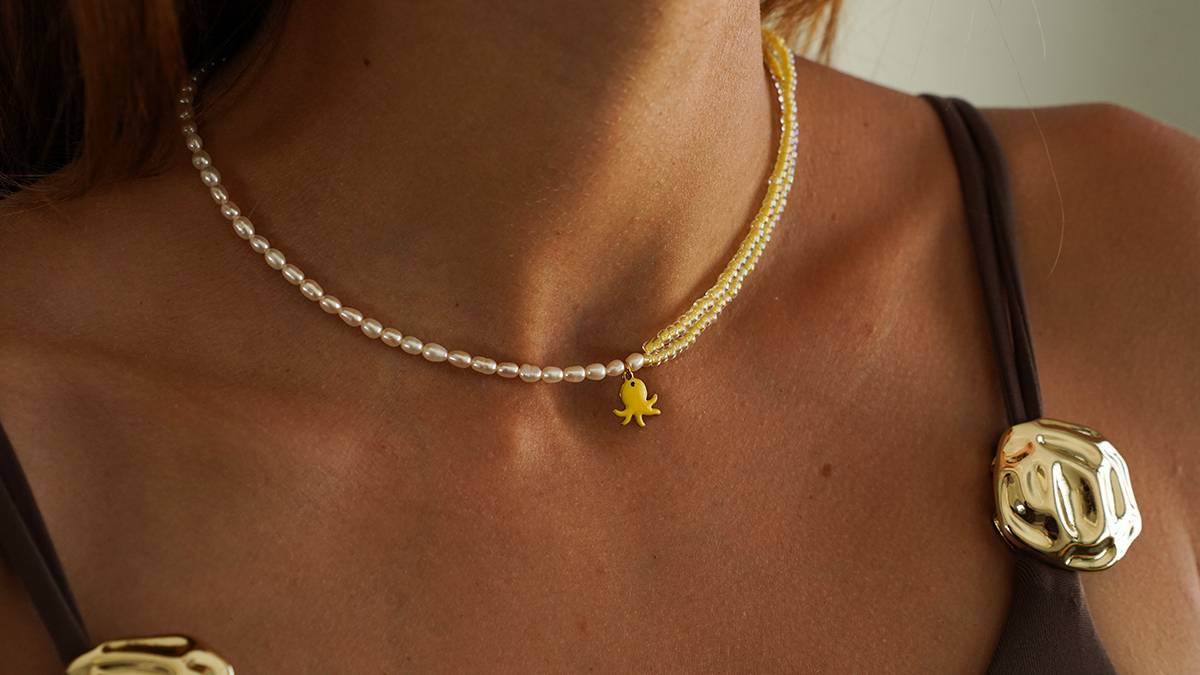
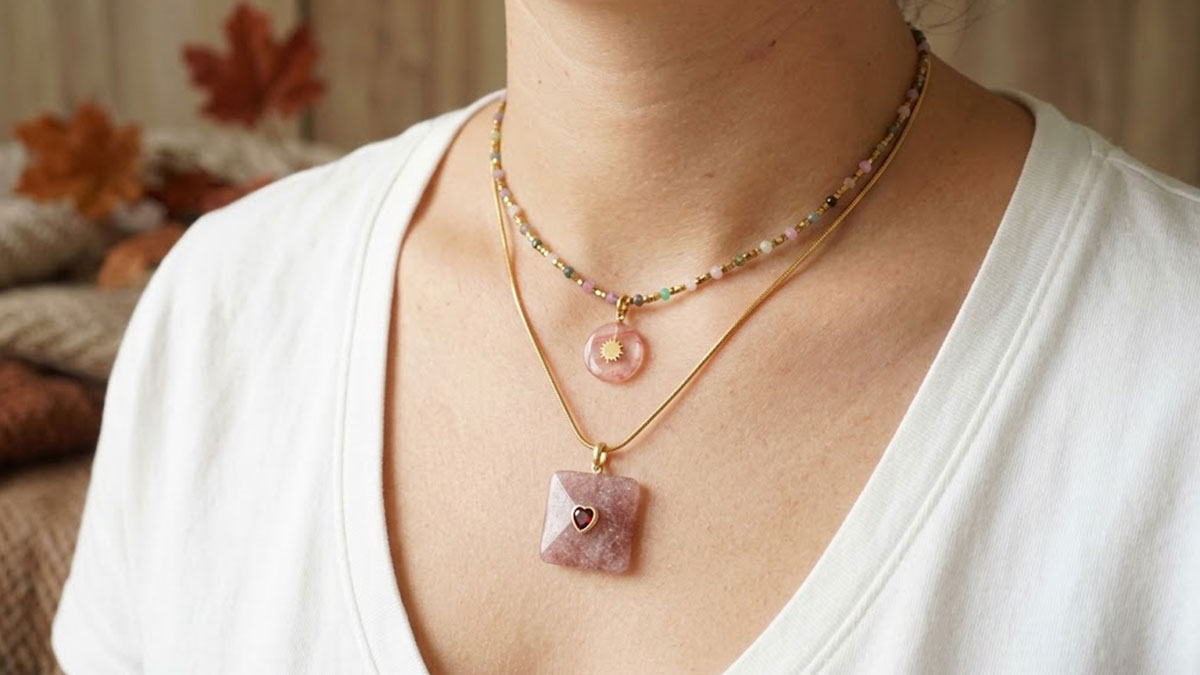
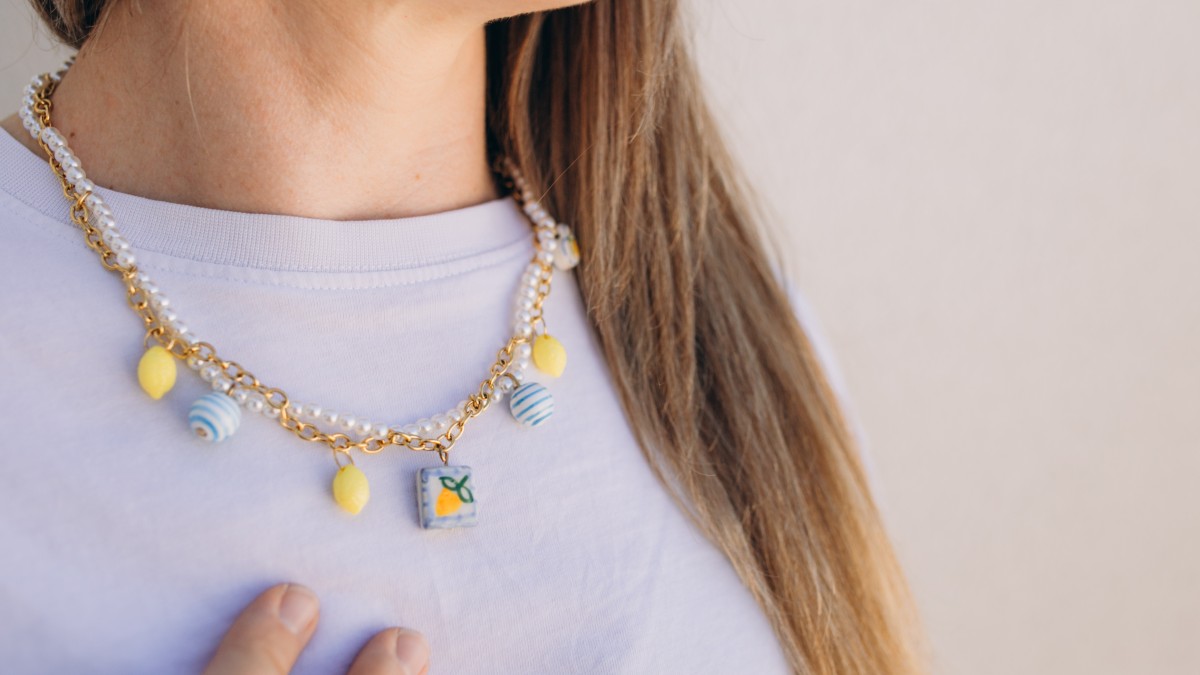
  • A stainless steel necklace with small flowers in Seed beads or in an accumulation of necklaces,
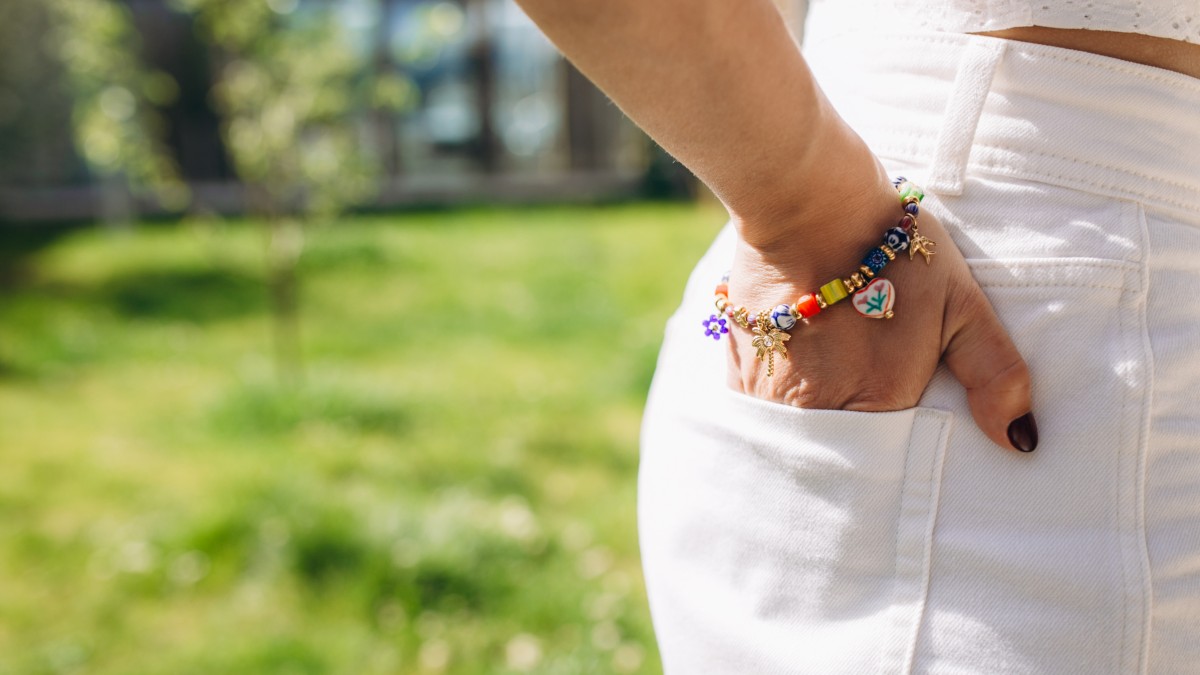
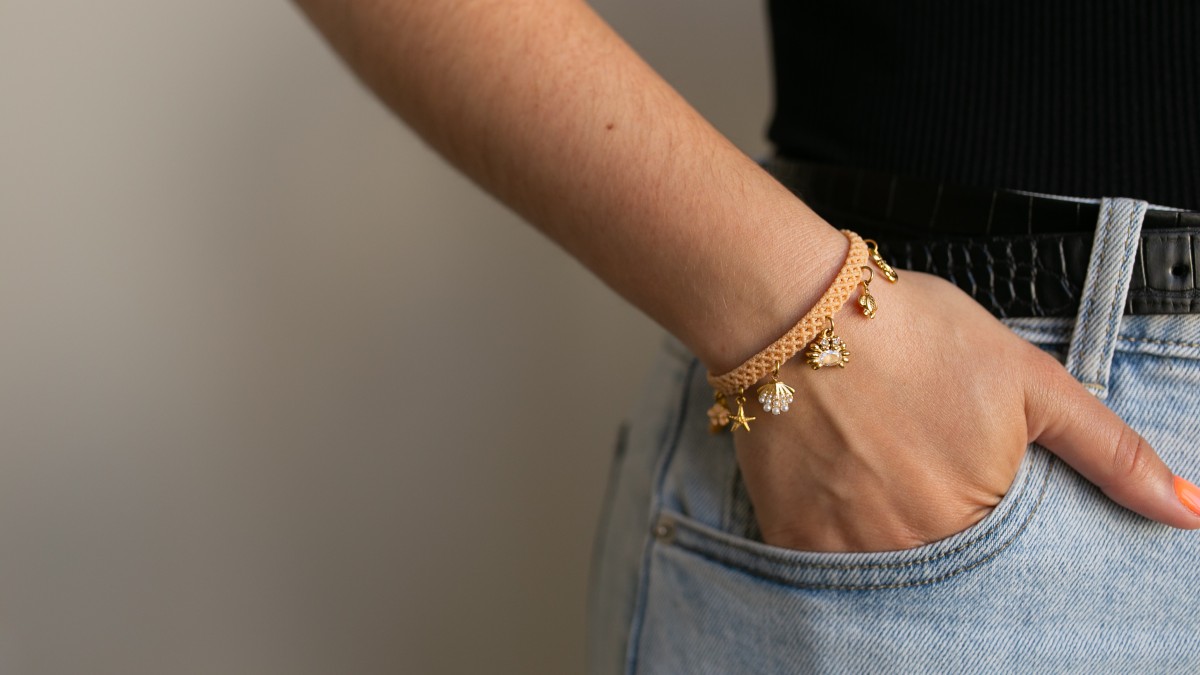
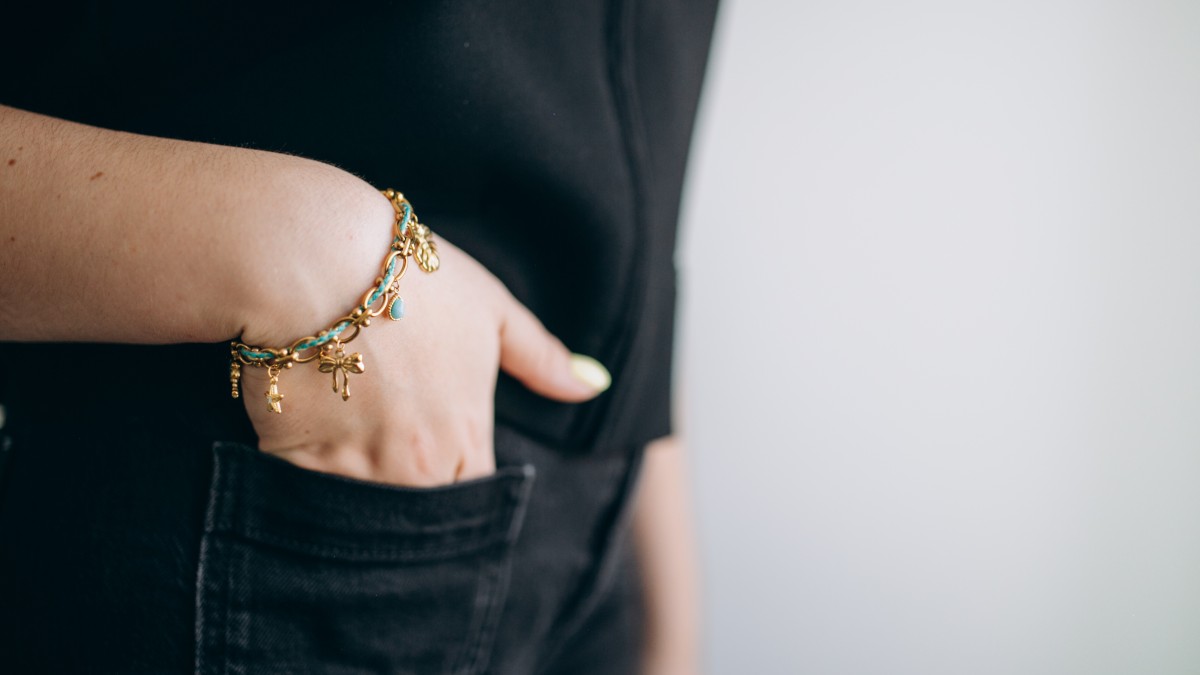
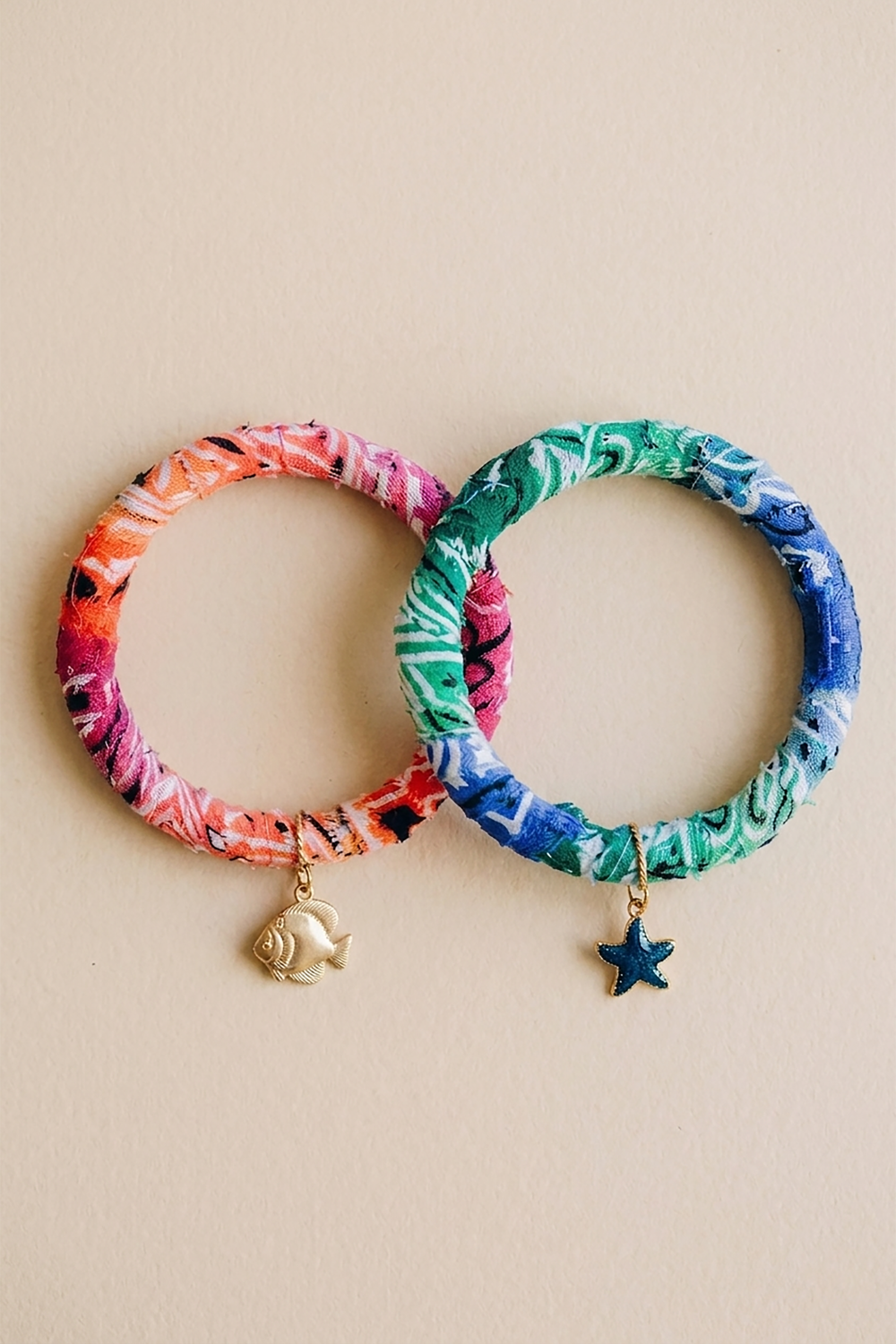
  • A stainless steel bracelet to be worn like a grigri bracelet, with multiple charms on a braided cotton cord or rectangle chain,
  • Stainless steel dangling earrings, fancy earrings, original earrings, drop earrings or earrings with bead bangs...

If you'd like to know everything there is to know about stainless steel, we've put together a fact sheet for you.

What are the different types of stainless steel?

There are several types of stainless steel used in jewelry. 304, 316, 201, 303, etc. Among the most widely used are 304 and 304L, and 316 and 316L.
Each has its own characteristics and advantages. Here's a summary:

  • 201 stainless steel: economical and hypoallergenic, but less resistant to corrosion, especially in damp or saline environments.
  • 304 stainless steel: the most common in jewelry, resistant to heat and oxidation, but less suited to saline environments such as seawater.
  • 304L stainless steel: a low-carbon version of 304, offering greater resistance to corrosion after welding, ideal for long-lasting creations.
  • 316 stainless steel: also known as marine stainless steel, it contains molybdenum for excellent corrosion resistance in chlorinated or saline environments, perfect for jewelry worn at sea or in swimming pools.
  • 316L stainless steel: the "Low Carbon" version of 316 stainless steel, hypoallergenic and used in high-end jewelry, ideal for sensitive skin and healed piercings.
  • 430 stainless steel: nickel-free and therefore hypoallergenic, but less resistant to corrosion; not recommended for jewelry worn in humid environments.
  • 303 stainless steel: easy to machine, but less resistant to humidity due to the presence of sulfur, so not suitable for jewelry frequently worn in water.
  • 303L stainless steel: a low-carbon variant of 303, more durable, but still unsuitable for regular exposure to water.

Steels followed by the letter "L" are the "Low Carbon" versions of those without the "L". In other words, 304L steel is a lower-carbon version of 304 steel, as are 316L and 316 stainless steels, and so on.

Are stainless steel jewels hypoallergenic?

Yes, stainless steel jewelry is hypoallergenic, especially that made from 316L steel. This type of steel contains very little nickel (and releases very little), which greatly reduces the risk of allergic reactions.
304 and 304L steels are also very well tolerated by the skin, which is why they are widely used in jewelry. Steel 430, on the other hand, contains no nickel and is therefore naturally hypoallergenic, but is less resistant to corrosion.

For sensitive skin or people allergic to nickel, choose 316L or 430 stainless steel jewelry, often used for earrings, bracelets or necklaces.

Can stainless steel jewelry be worn in the pool or in the sea?

The answer depends mainly on the quality of the stainless steel used for your jewelry. In general, you can shower or bathe in stainless steel jewelry without any risk of damage.
However, some types of stainless steel are sensitive to chlorine in swimming pools, which can damage the thin protective chromium layer and cause premature wear. It is therefore advisable to avoid prolonged swimming with low-quality stainless steel jewelry.
For the sea, it's best to remove your jewelry before swimming, as salt water can dull the surface and promote corrosion.

For greater resistance to chlorinated and salty water, opt for jewelry in 316 or 316L stainless steel,
also known as marine stainless steel, which contains molybdenum and offers optimum protection against corrosion.

Does stainless steel rust?

Stainless steel is designed to resist rust. Overall, under normal conditions of use, the chromium oxide contained in stainless steel (whatever its type) develops a transparent oxide film on the metal that prevents oxidation (even if the metal has suffered an impact, the protective barrier reforms).

However, not all stainless steels are created equal: some, like 201 steel, are less resistant and can rust if exposed for long periods to humidity, chlorine or salt water. Conversely, 316L stainless steel offers excellent rust resistance, even in damp, salty and aggressive environments.

To ensure the longevity of your stainless steel jewelry, we recommend regular cleaning and avoid prolonged exposure to aggressive products such as chlorine, seawater or certain household products.