Free shipping on orders over 50€ up to 500g
French Online shop for beads and accessories for the creation of DIY jewellery and other creative hobbies
Log-in
0
Shopping cart
Shopping cart
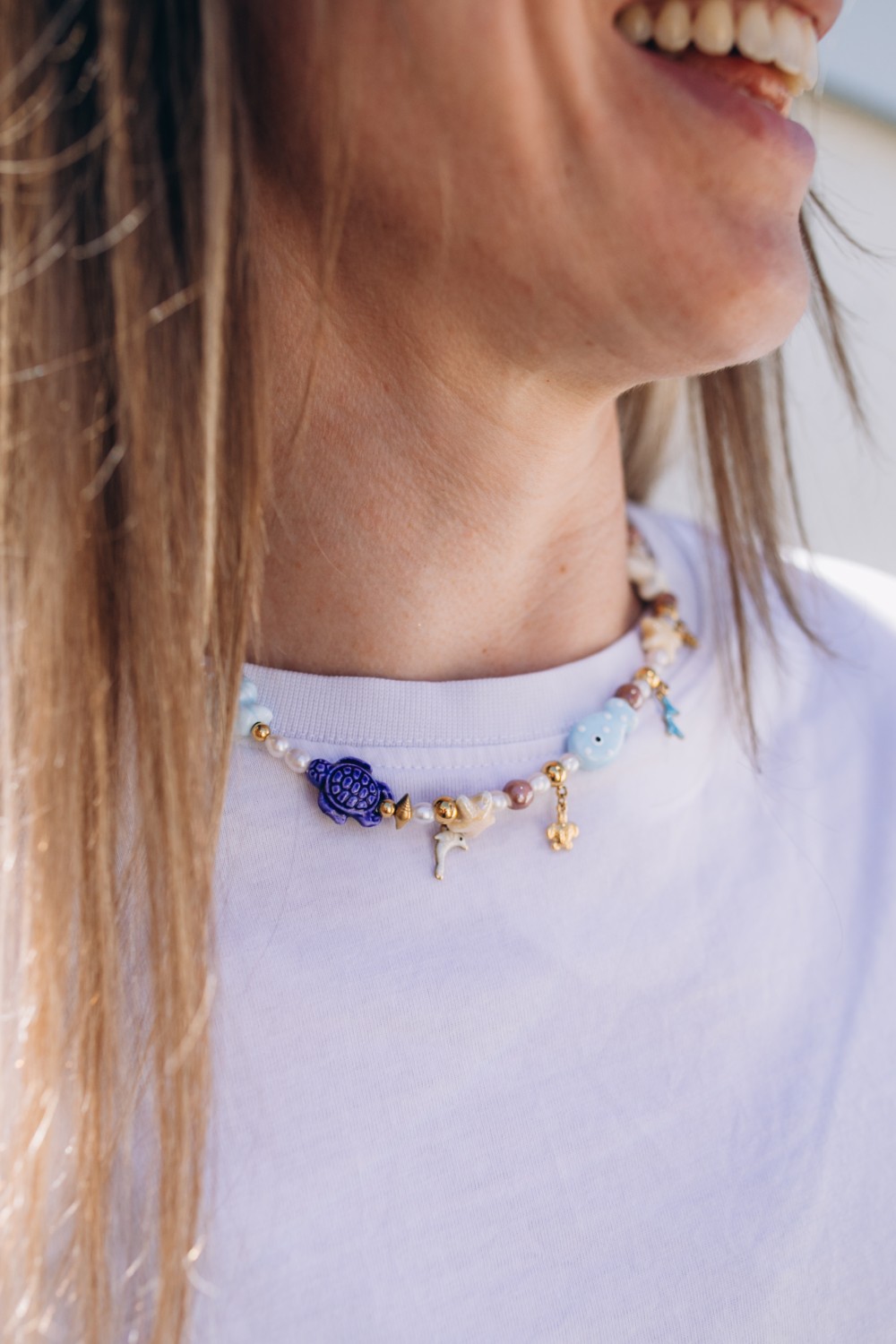
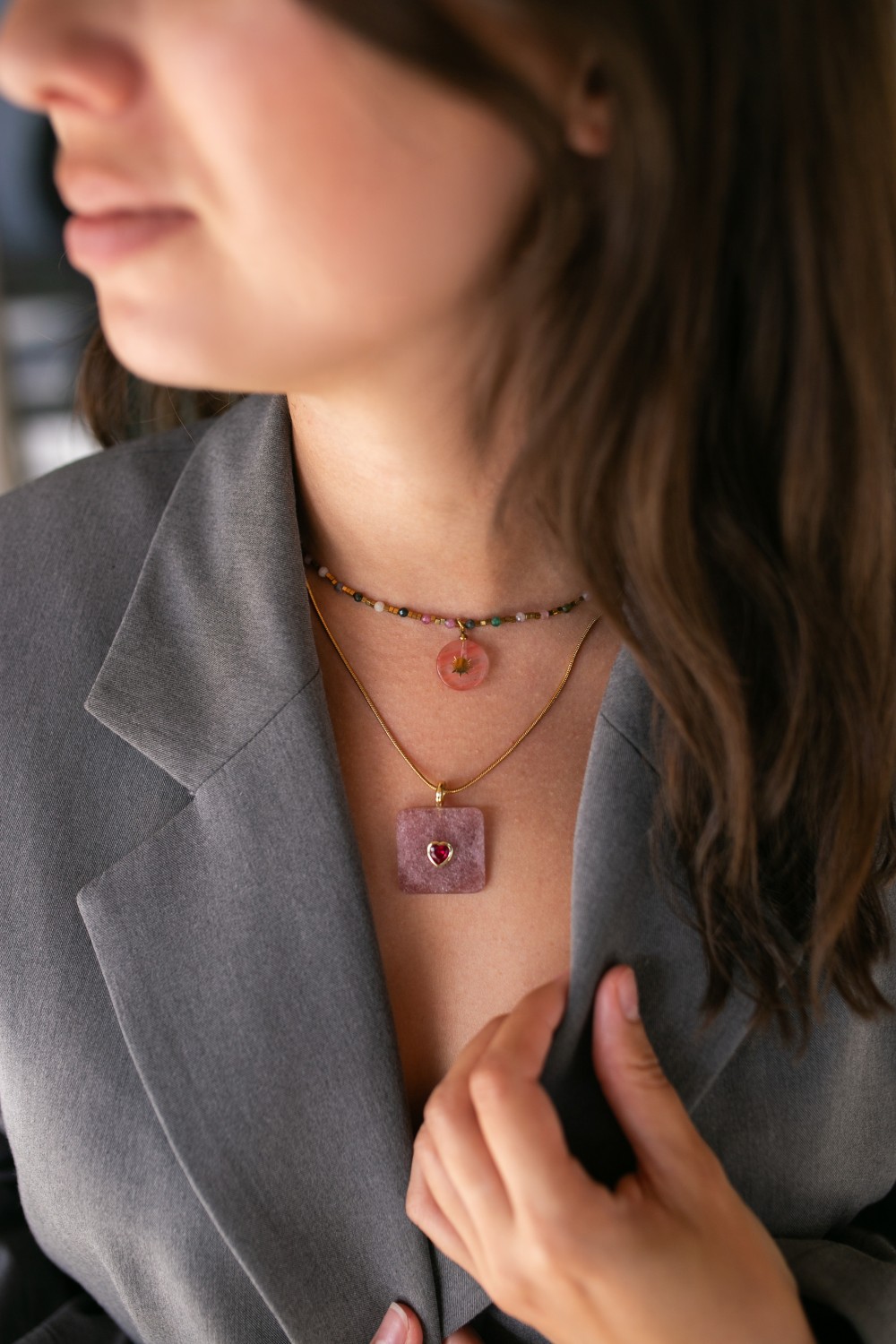
Create rings, necklaces, bracelets and earrings with our selection of stainless steel charms, spacers, pendants, beads and tubes. It's the perfect component for durable, unique, personalized and trendy creations!
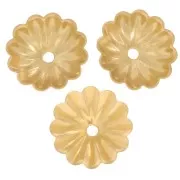
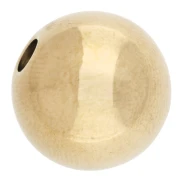
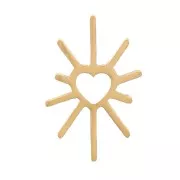
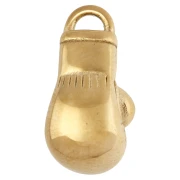
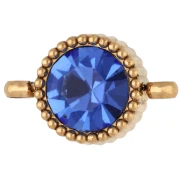


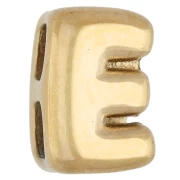
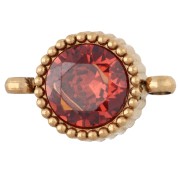
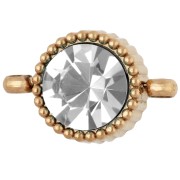
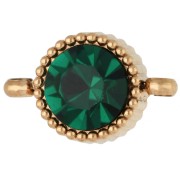
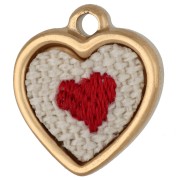
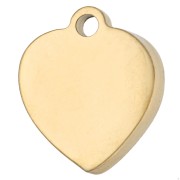
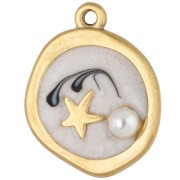
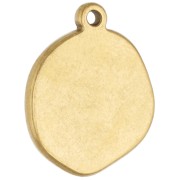
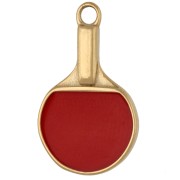
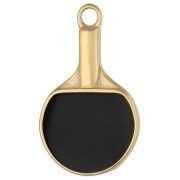
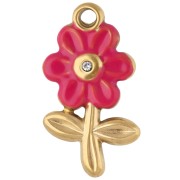
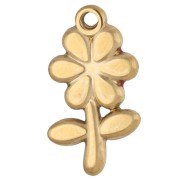
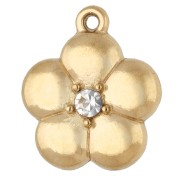
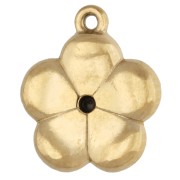
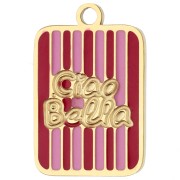
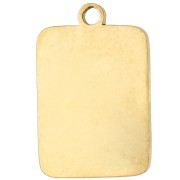
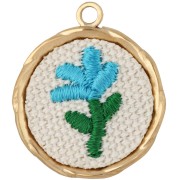
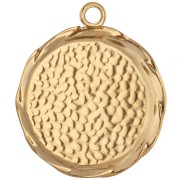
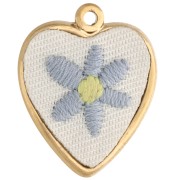
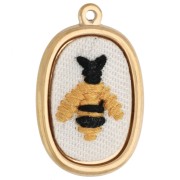
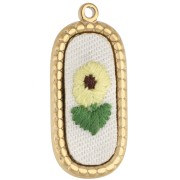
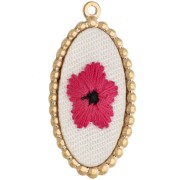
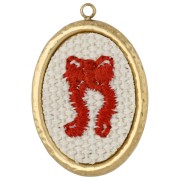
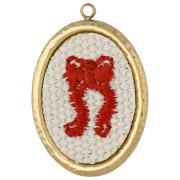
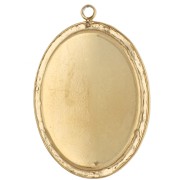
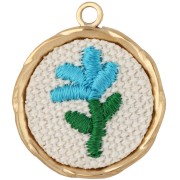
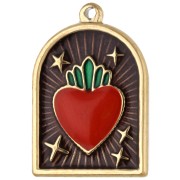
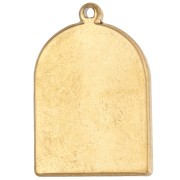

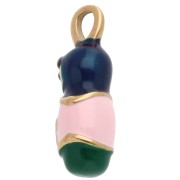
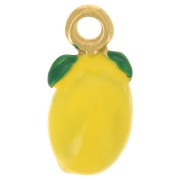
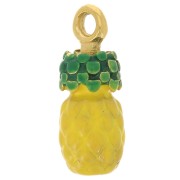
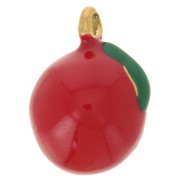
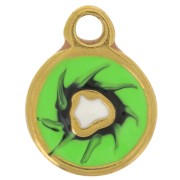
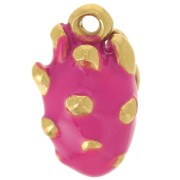
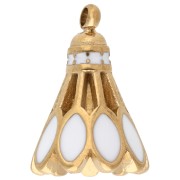
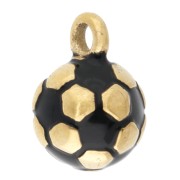
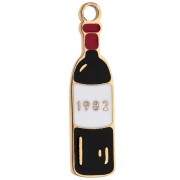
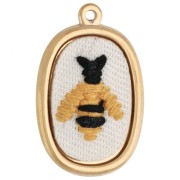
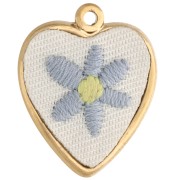
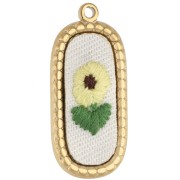
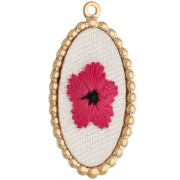
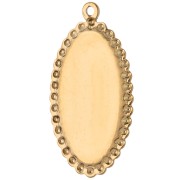
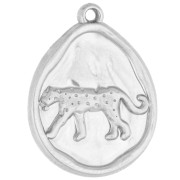
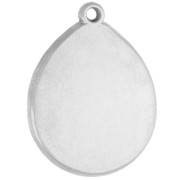
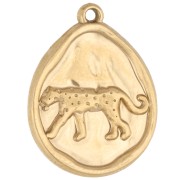
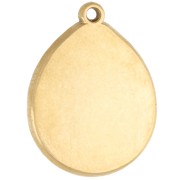
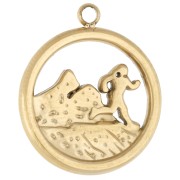
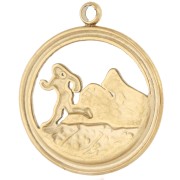
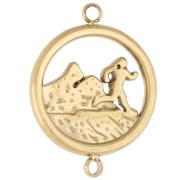
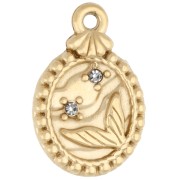
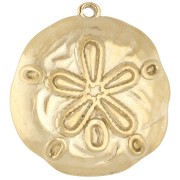
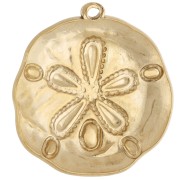
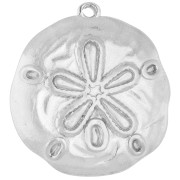
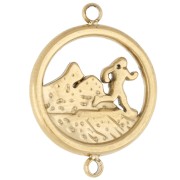
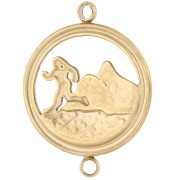
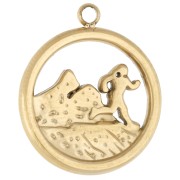
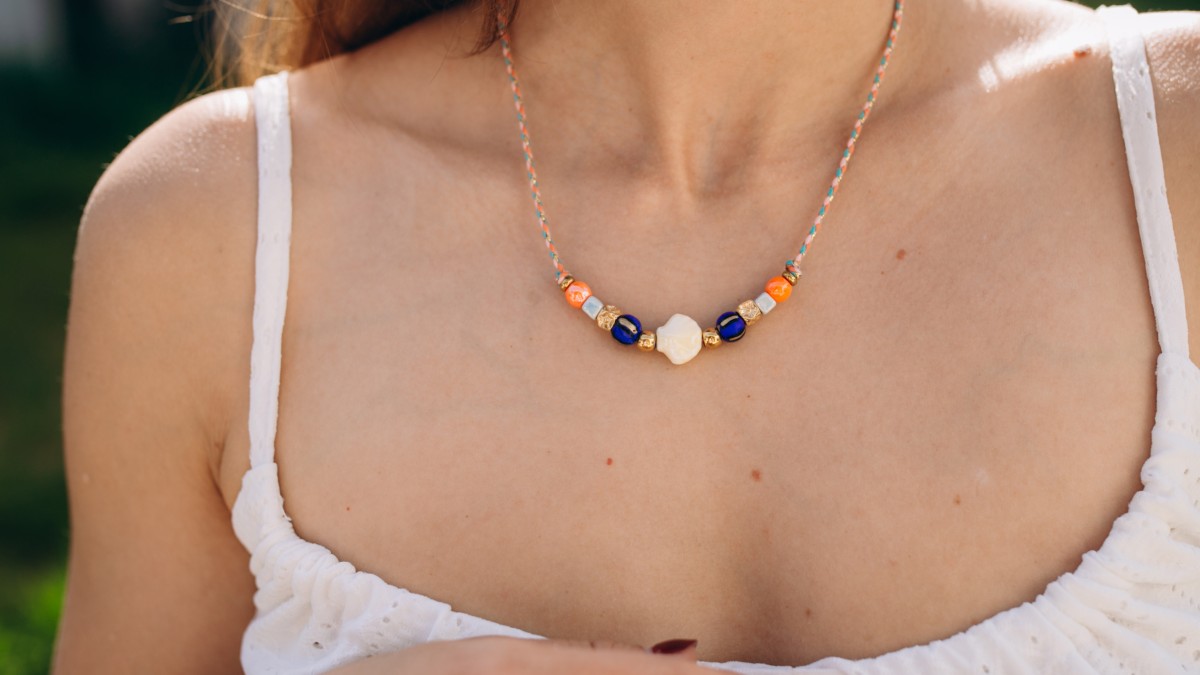
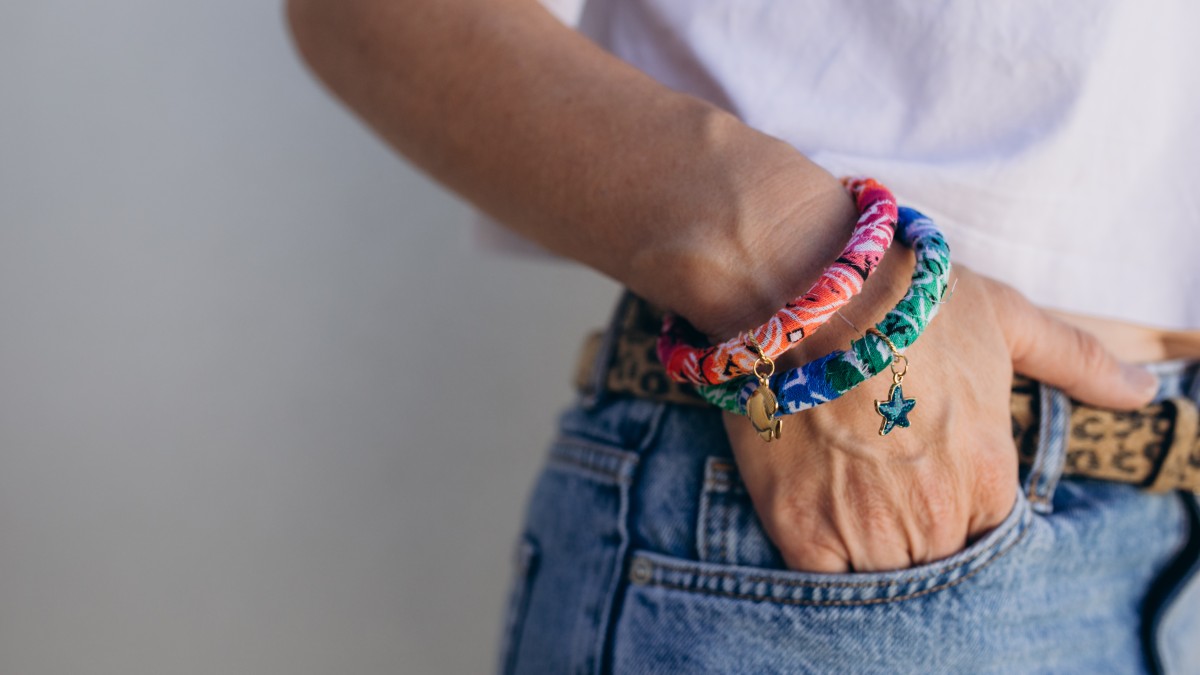
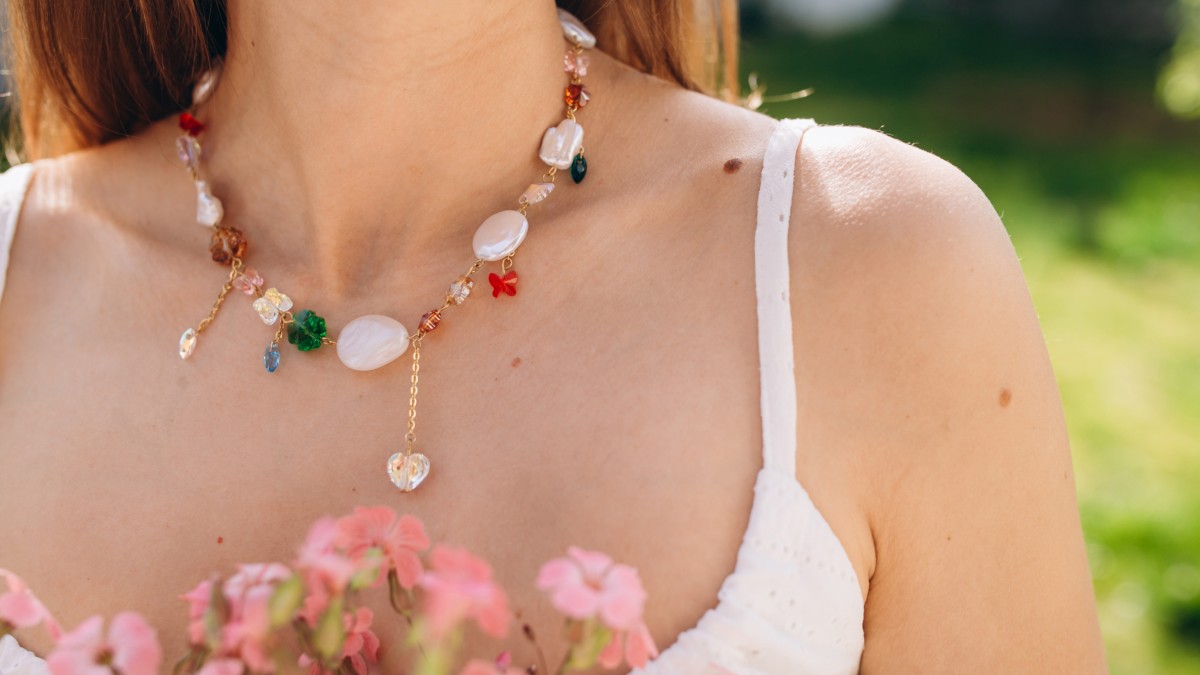
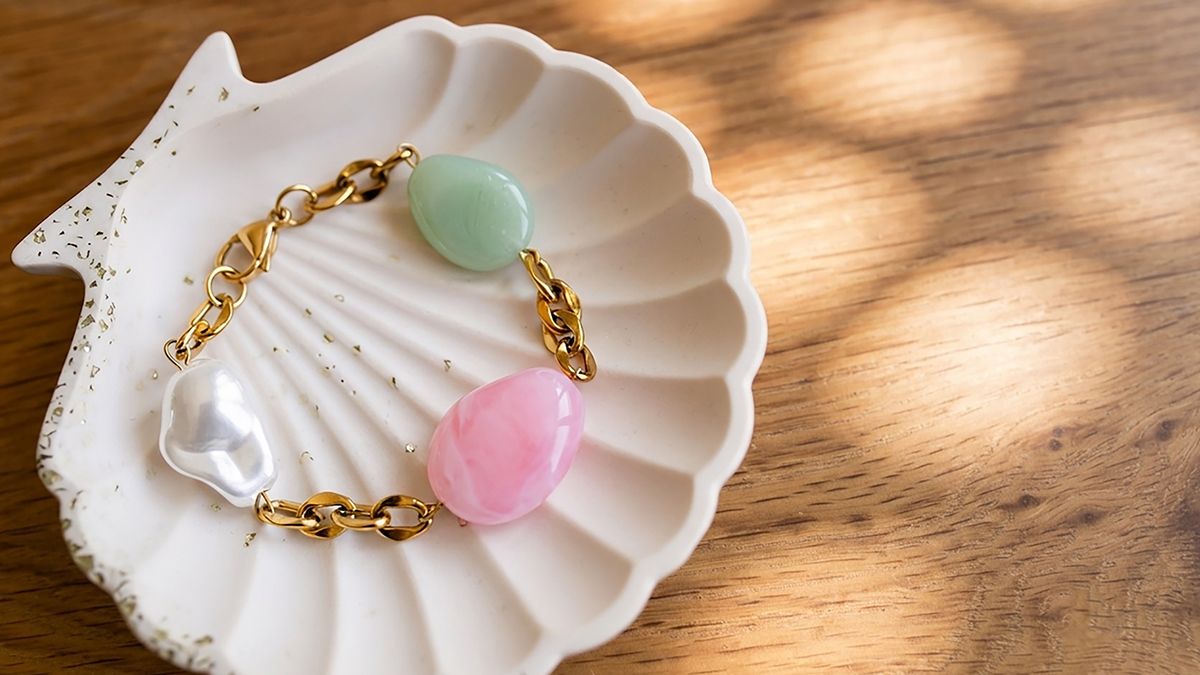
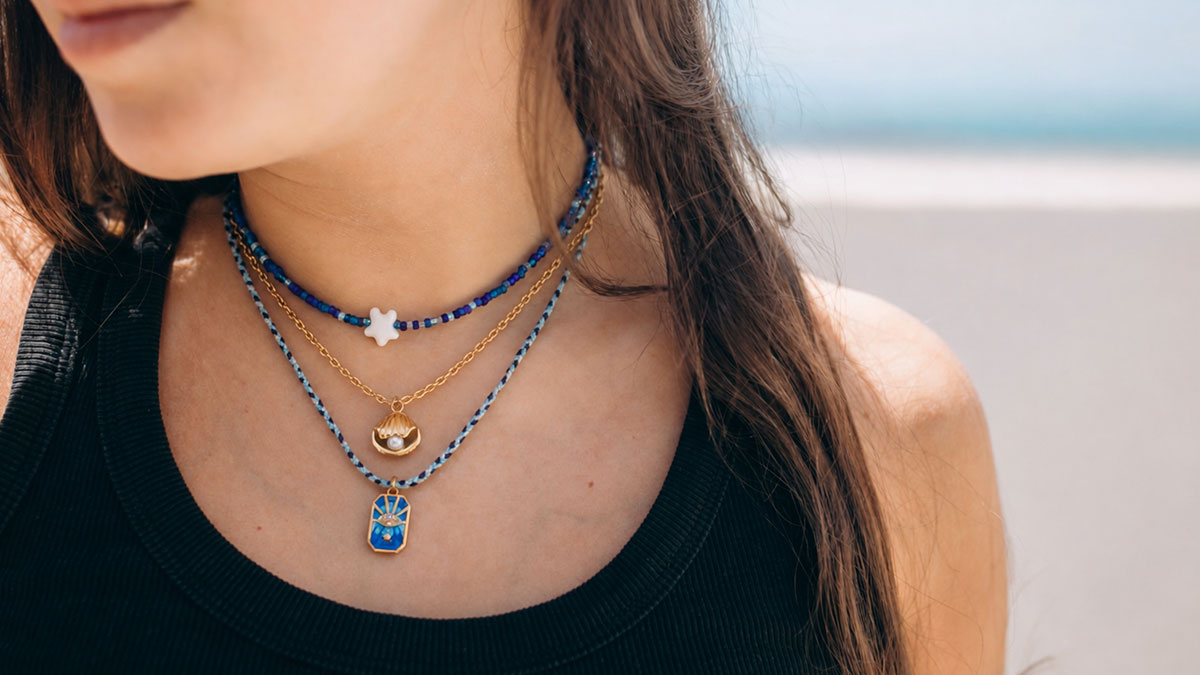
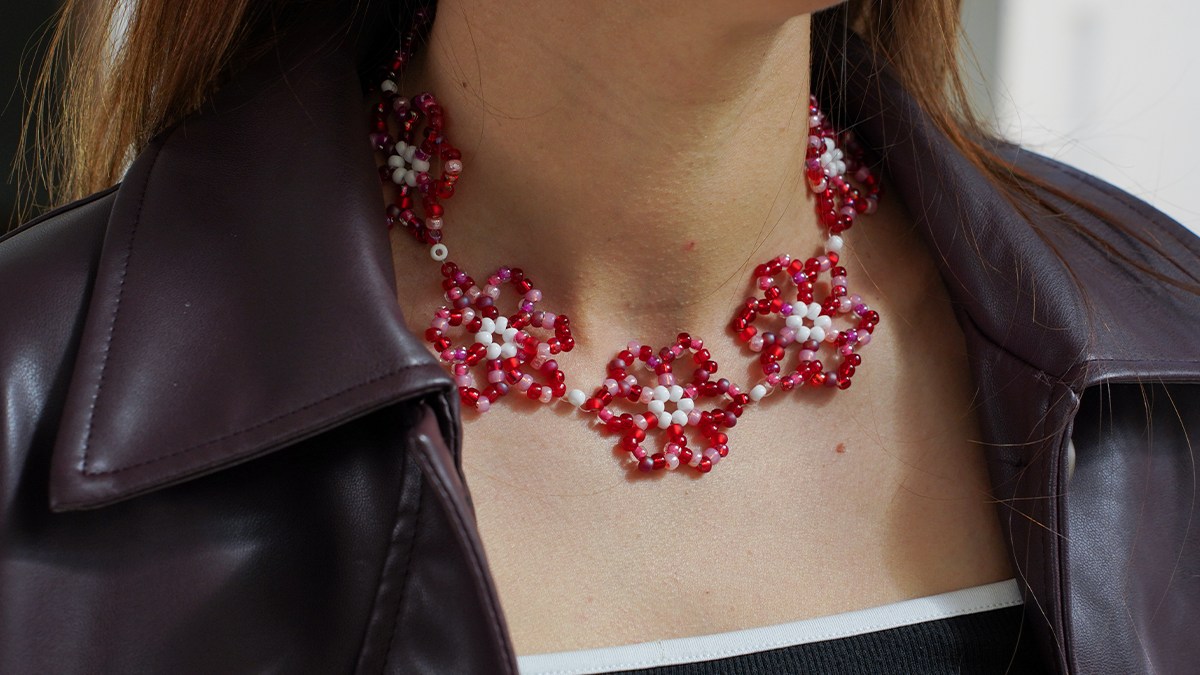
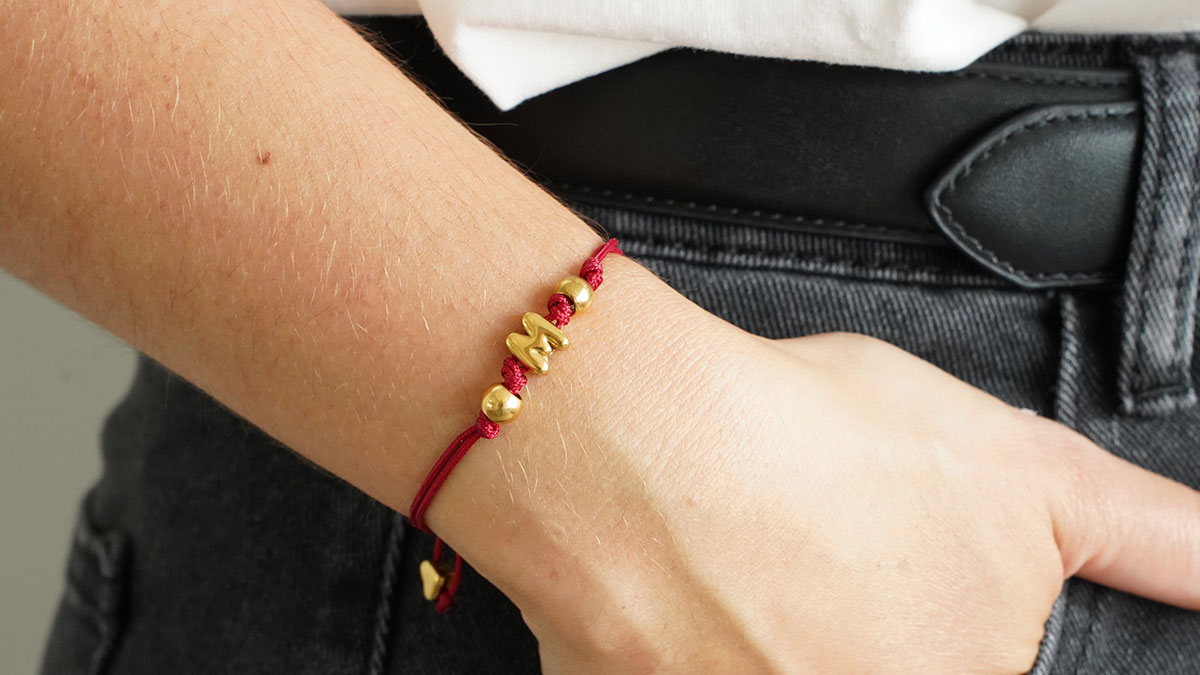
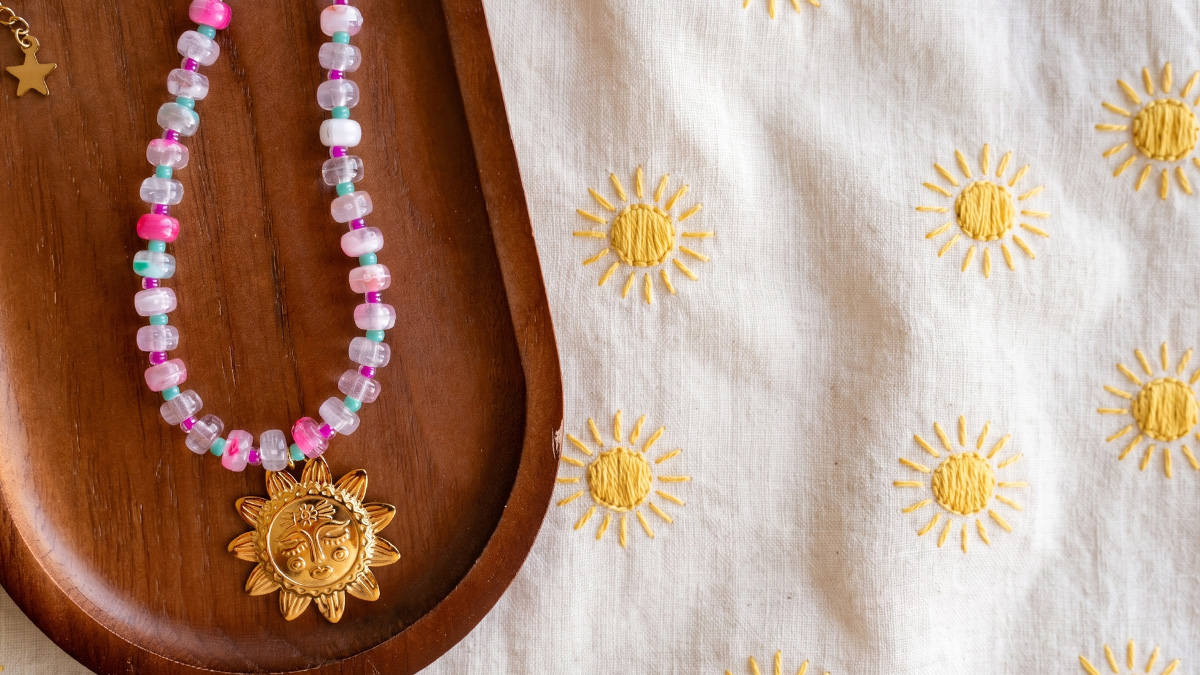
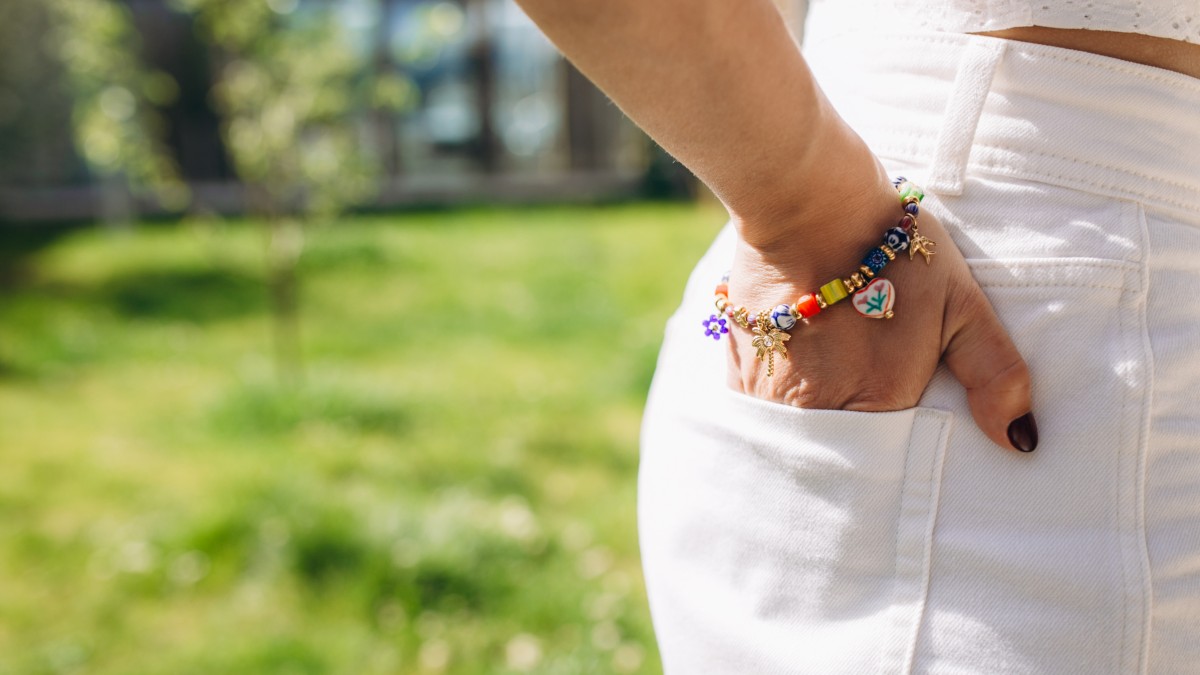
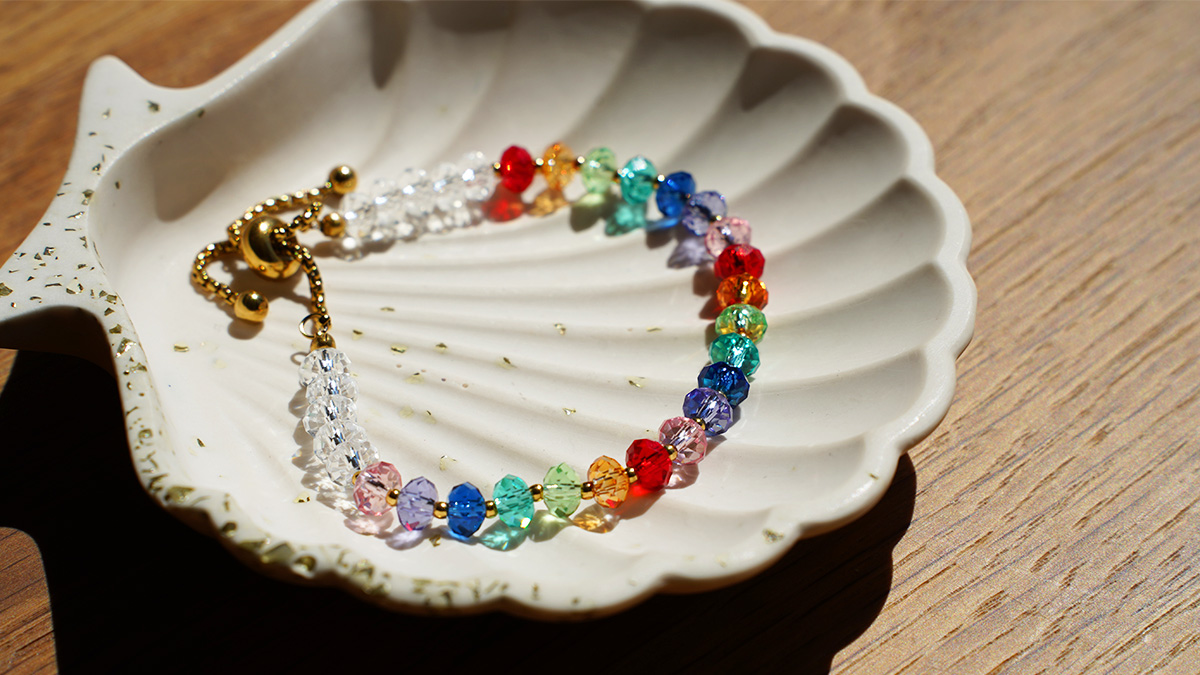
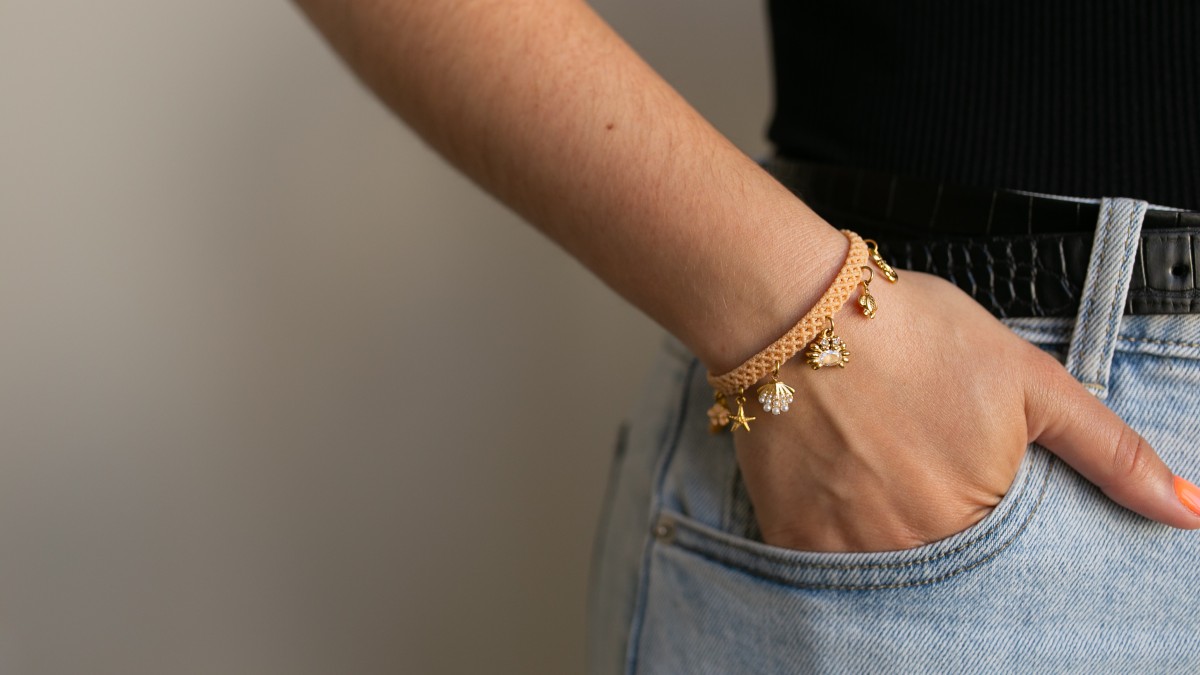
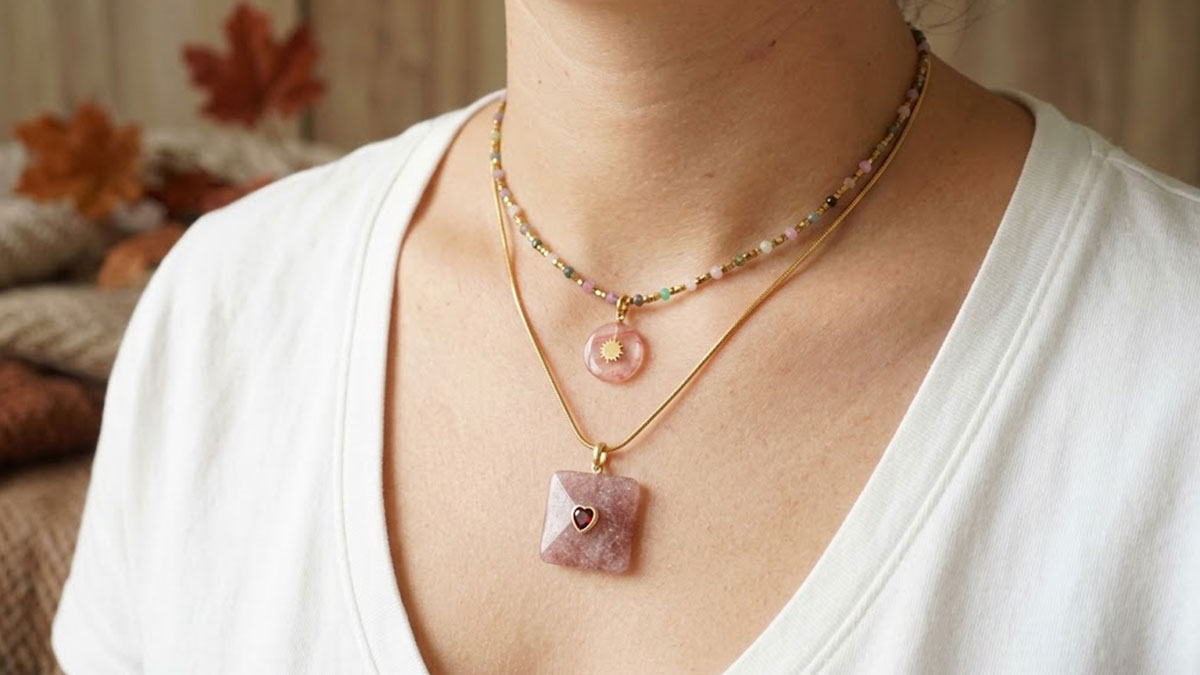
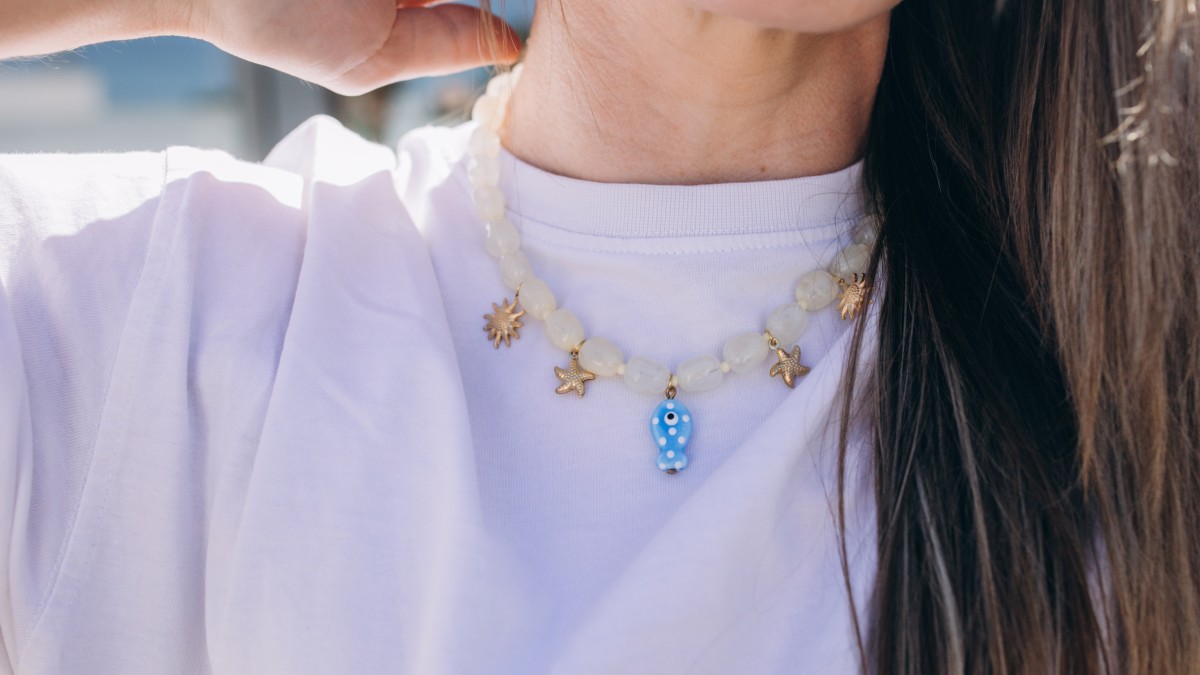
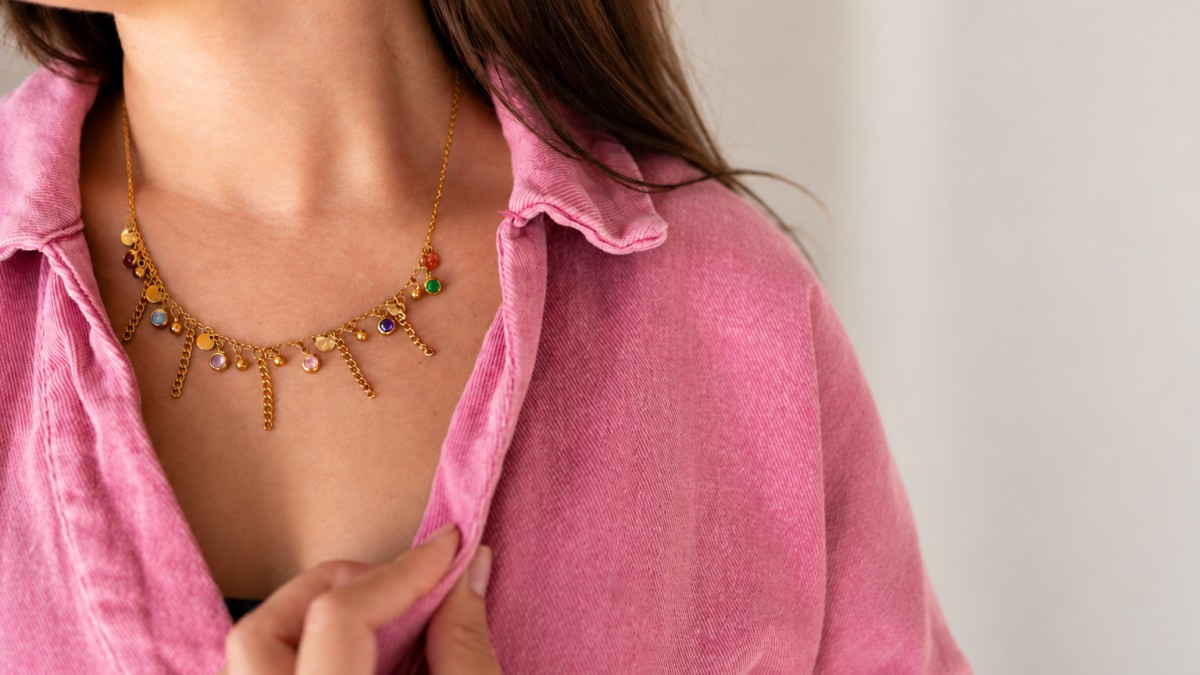
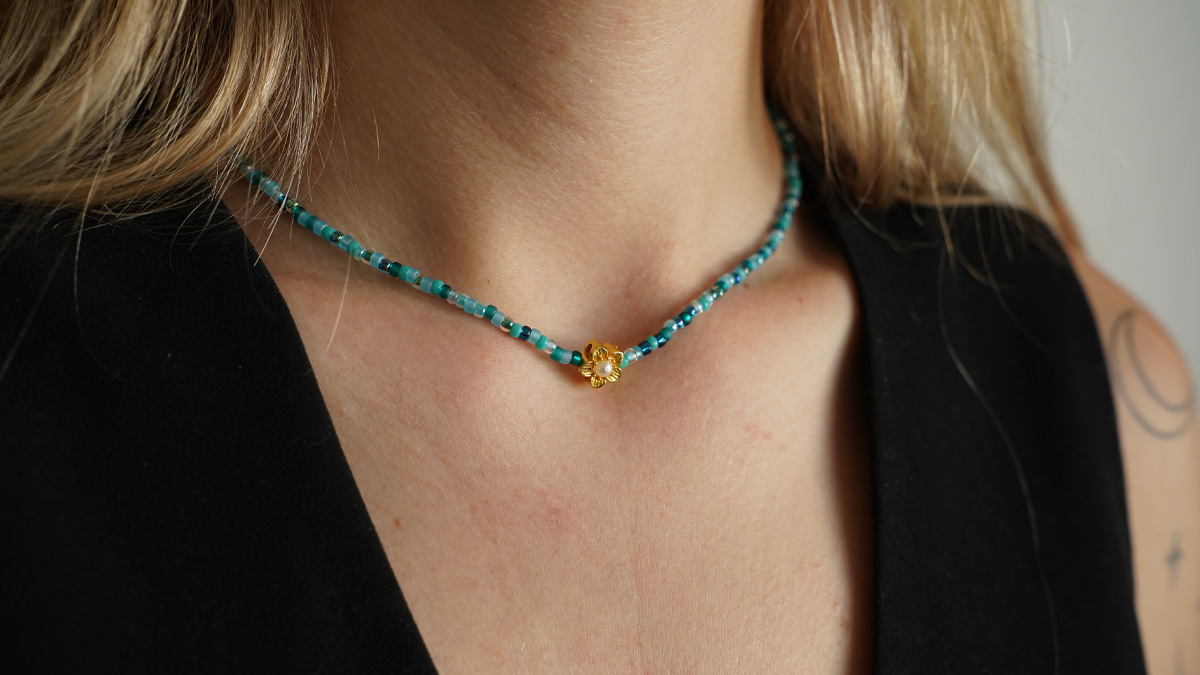
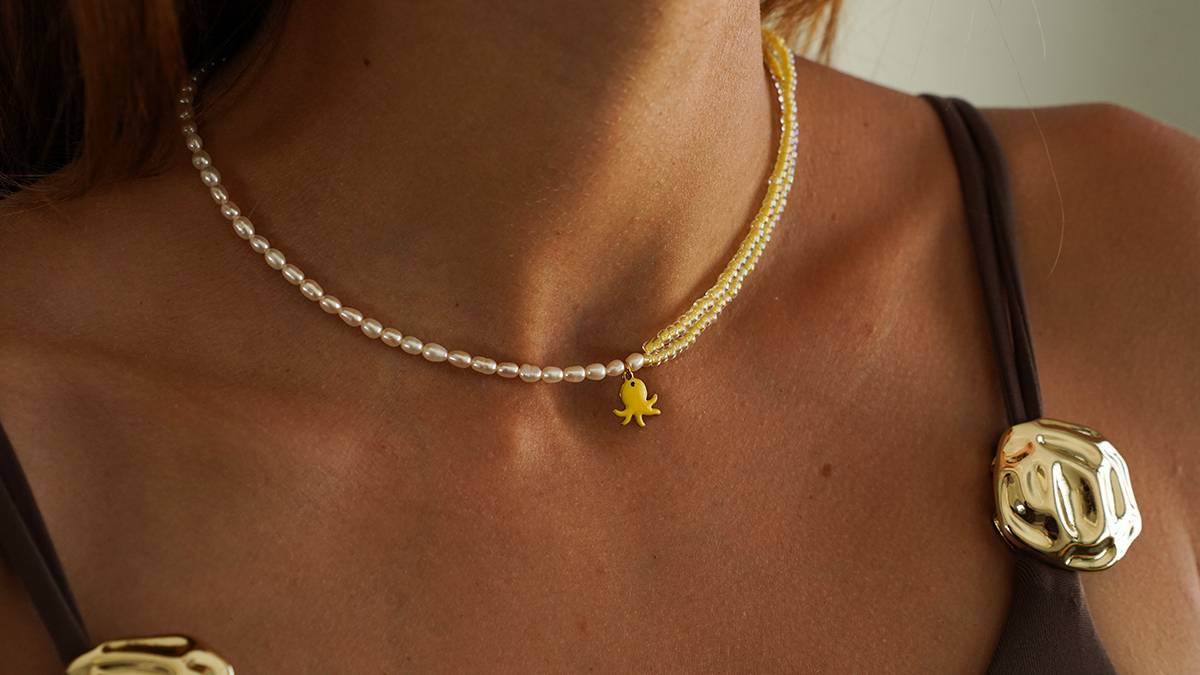
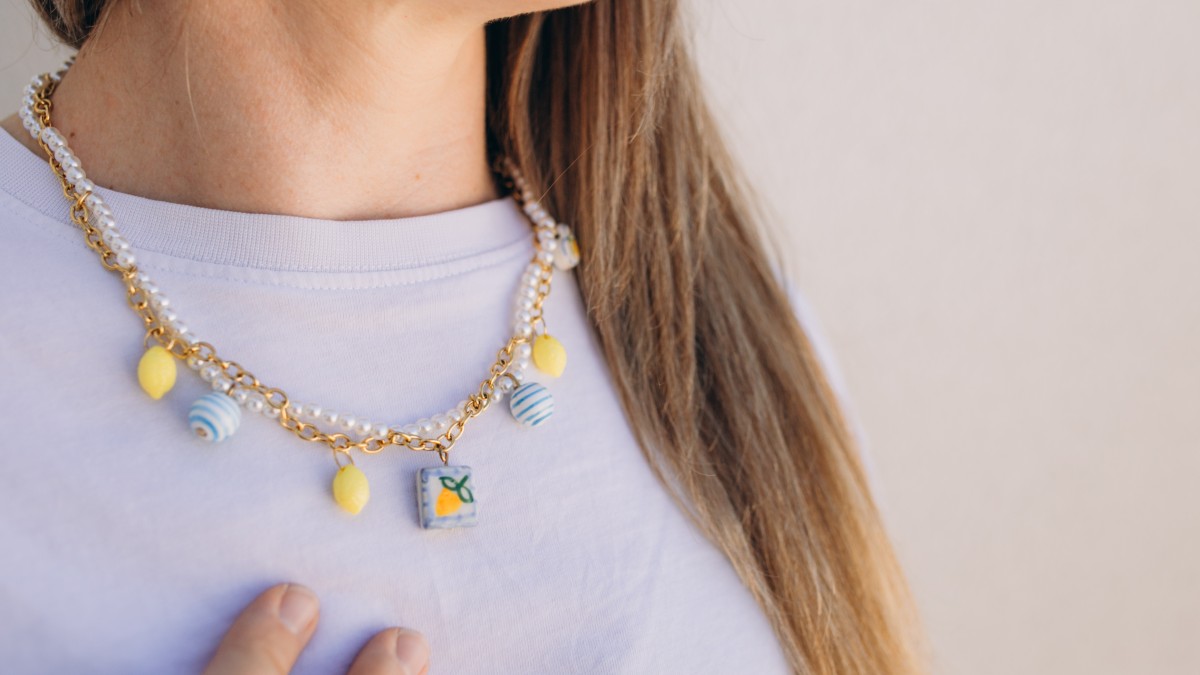
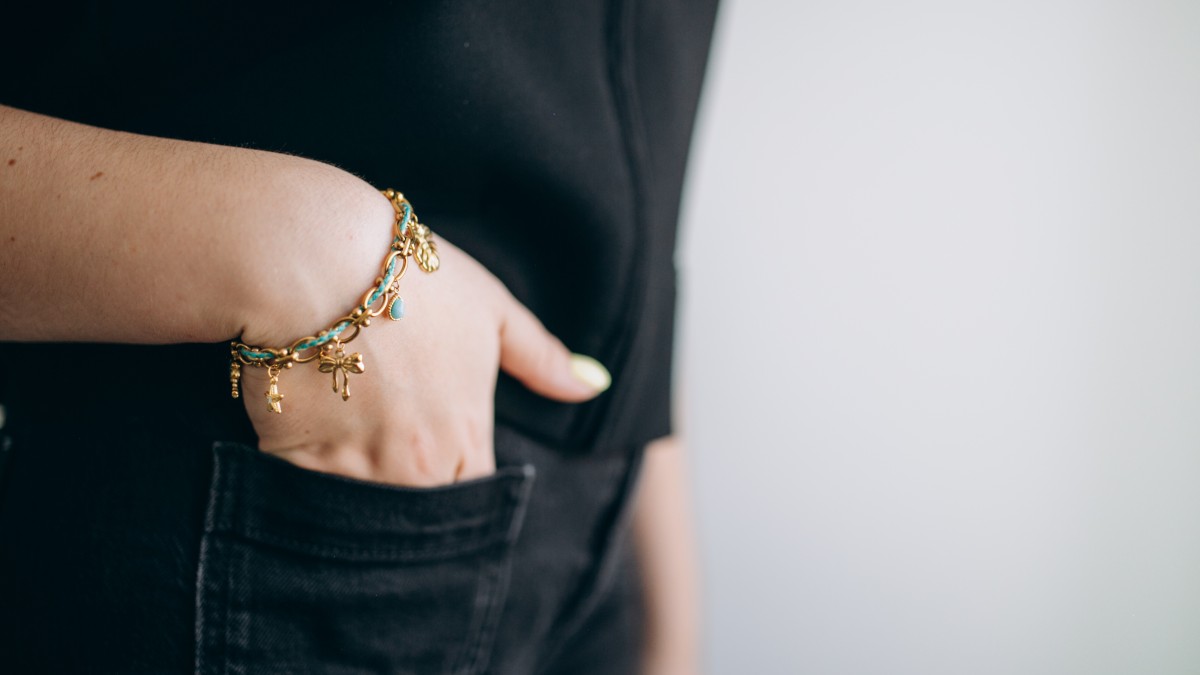
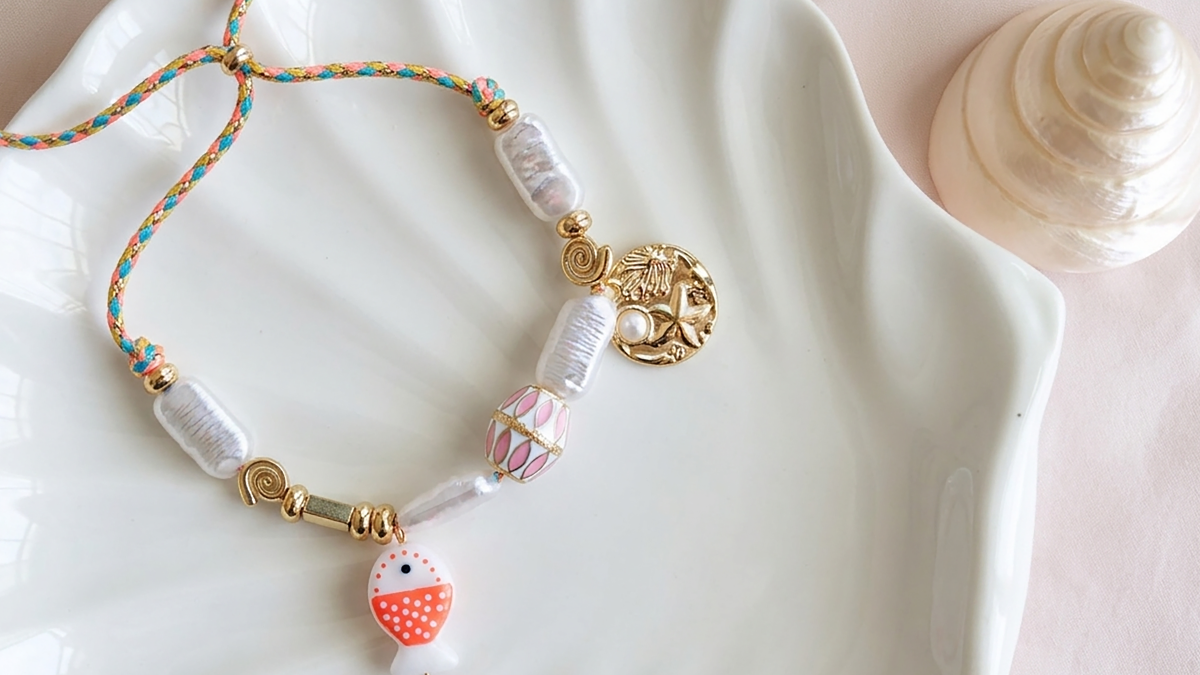
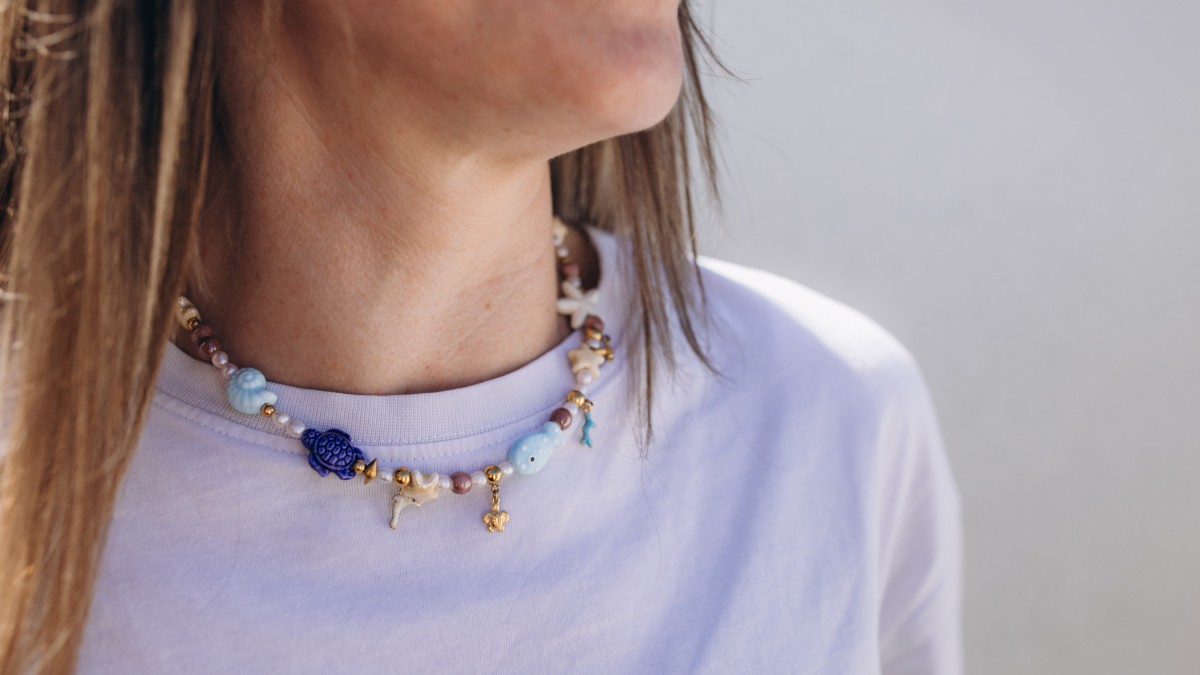
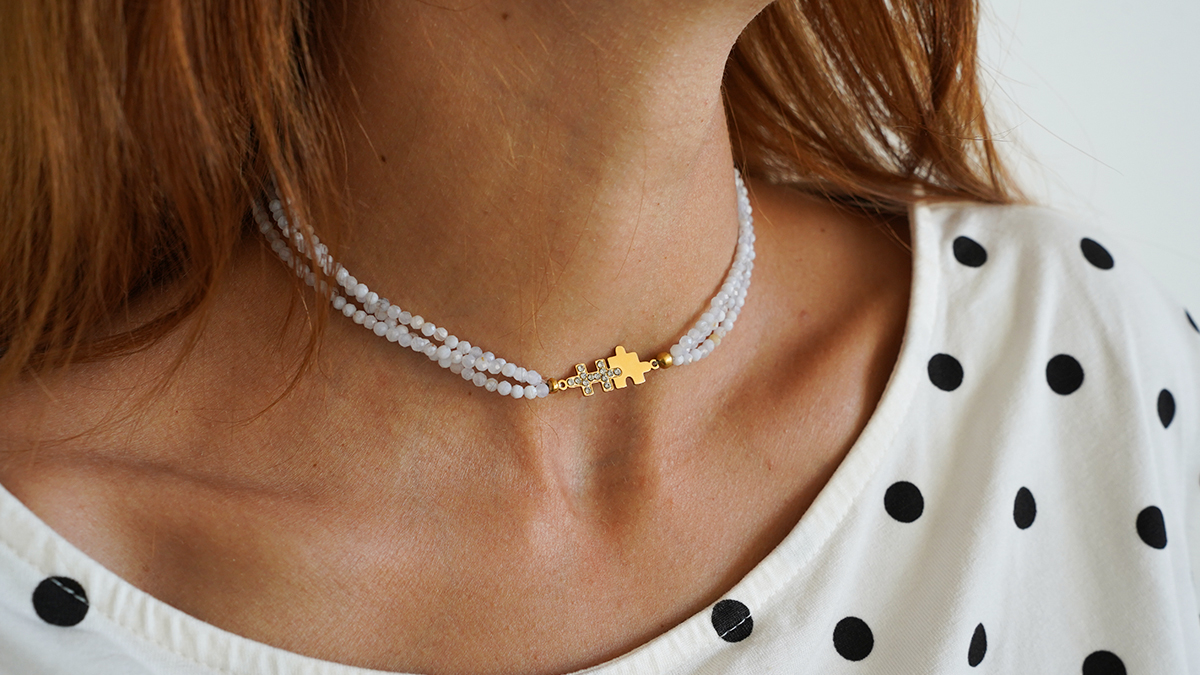
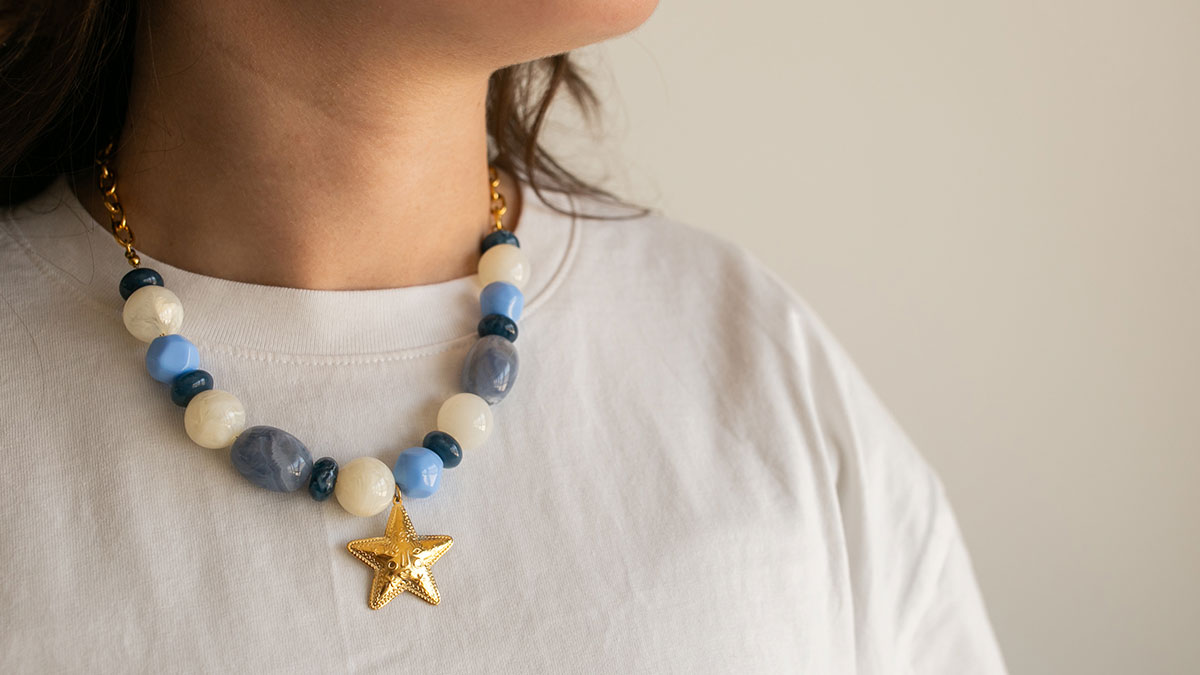
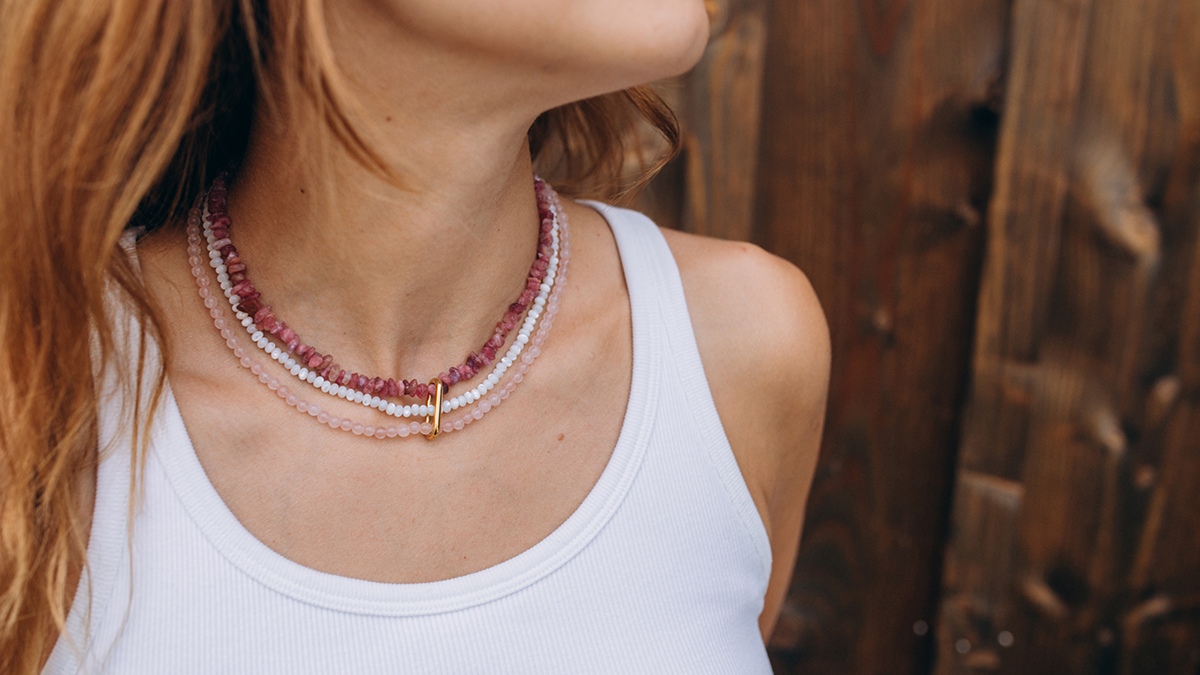
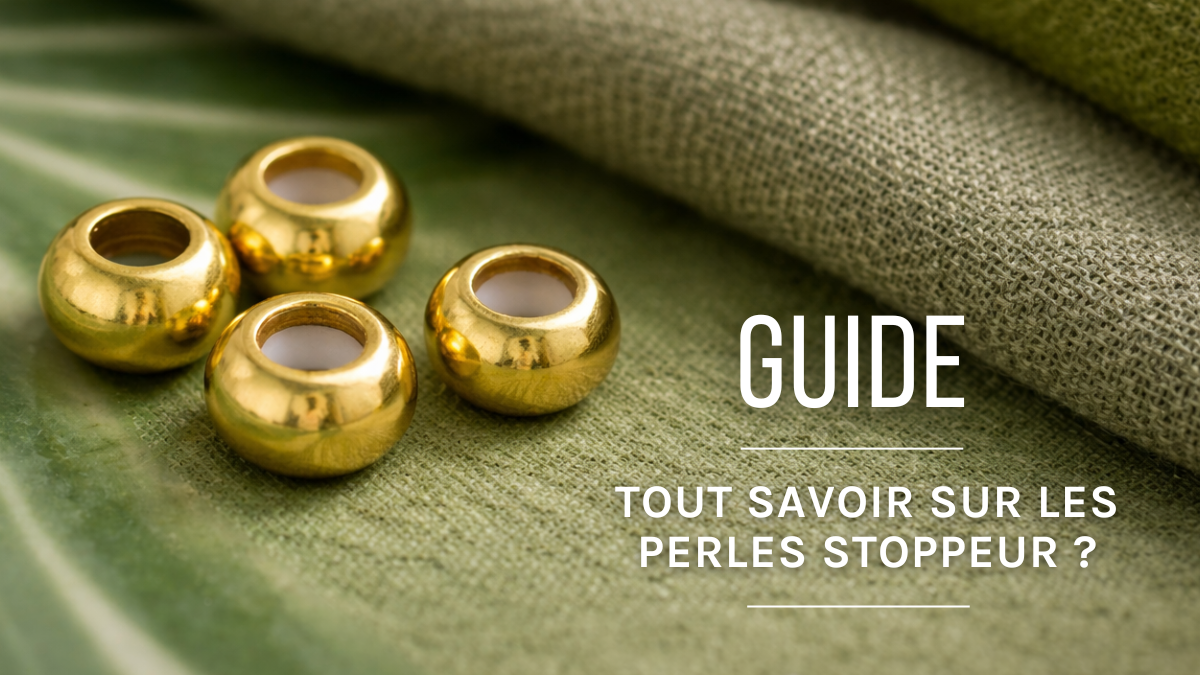

You may be wondering, “What is stainless steel?” It’s a metal that’s widely used in many areas of daily life and professional settings. It is an alloy of iron, chromium, nickel, and carbon. It has many advantages, including the fact that it is corrosion-resistant and does not irritate the skin, except in very rare cases.
Stainless steel is often the star of summer jewelry! Why? Because it ’s water-resistant—especially 316L stainless steel—which you can wear safely while swimming this summer.
But that’s not all! Stainless steel is gaining more and more ground in the world of DIY jewelry because it’s strong, durable, and quite affordable.
Plus, it’s also available in gold!
Expert tip: For a truly durable and long-lasting gold finish, opt forgold-plated stainless steel with PVD coating. Thanks to this physical vapor deposition (PVD) coating method, the gold finish remains stable: it doesn’t chip, and even if it fades slightly, it retains its golden appearance without turning silvery.
Thanks to its versatility, stainless steel lends itself to all kinds of creative ideas:
To help you create trendy jewelry, be sure to check out our stainless steel jewelry findings and stainless steel chains, and craft your own unique pieces.
Not all stainless steels are created equal. The most commonly used are 304 (durable, economical) and 304L (low carbon content, better corrosion resistance), as well as 316 and 316L—known as “marine-grade stainless steel”—which contain molybdenum to withstand chlorine and saltwater without deteriorating. 316L, in particular, is recommended for sensitive skin and healed piercings.
On the technical side, you can learn about the details of stainless steel, get tips on cleaning your stainless steel jewelry, and find explanations about PVD plating.
Here are a few ideas that might help you:
There are several types of stainless steel used in jewelry. 304, 316, 201, 303, etc. Among the most commonly used in jewelry are 304 and 304L, as well as 316 and 316L.
Each has its own details and advantages. Here are the main ones:
Steels followed by the letter “L” are the “Low Carbon” versions of those that do not include this “L.” In other words, 304L steel is a version of 304 steel with a lower carbon content; the same applies to 316L and 316 stainless steel, and so on.
Yes, stainless steel jewelry is hypoallergenic, especially pieces made from 316L steel. This type of steel contains very little nickel (and releases very little), which greatly reduces the risk of allergic reactions.
304 and 304L steels are also very well tolerated by the skin, which is why they are widely used in jewelry. 430 steel, on the other hand, contains no nickel and is therefore naturally hypoallergenic, but it is less resistant to corrosion.
For those with sensitive skin or nickel allergies, opt for jewelry made of 316L or 430 stainless steel, which are often used for earrings, bracelets, or necklaces.
The answer depends mainly on the quality of the stainless steel used in your jewelry. In general, you can shower or take a bath while wearing your stainless steel jewelry without risk of damage.
However, some types of stainless steel are sensitive to chlorine in swimming pools, which can damage the thin protective layer of chromium and cause premature wear. It is therefore advisable to avoid prolonged swimming in pools while wearing low-quality stainless steel jewelry.
When it comes to the ocean, it’s best to remove your jewelry before swimming, as saltwater can cause the surface to tarnish and promote corrosion.
For better resistance to chlorinated and saltwater, choose jewelry made of 316 or 316L stainless steel— also known as marine-grade stainless steel—which contains molybdenum and offers optimal protection against corrosion.
Stainless steel is designed to resist rust. Generally speaking, under normal conditions of use, the chromium oxide contained in stainless steel (regardless of the type) forms a transparent oxide film on the metal that prevents oxidation (even if the metal has been damaged, the protective barrier reforms).
However, not all stainless steels are created equal: some, such as 201 stainless steel, are less resistant and can rust if exposed for long periods to moisture, chlorine, or salt water. In contrast, 316L stainless steel offers excellent resistance to rust, even in humid, salty, or harsh environments.
To ensure the longevity of your stainless steel jewelry, it is recommended that you clean it regularly and avoid prolonged exposure to harsh substances such as chlorine, seawater, or certain household cleaning products.