
Average Grades
In summary
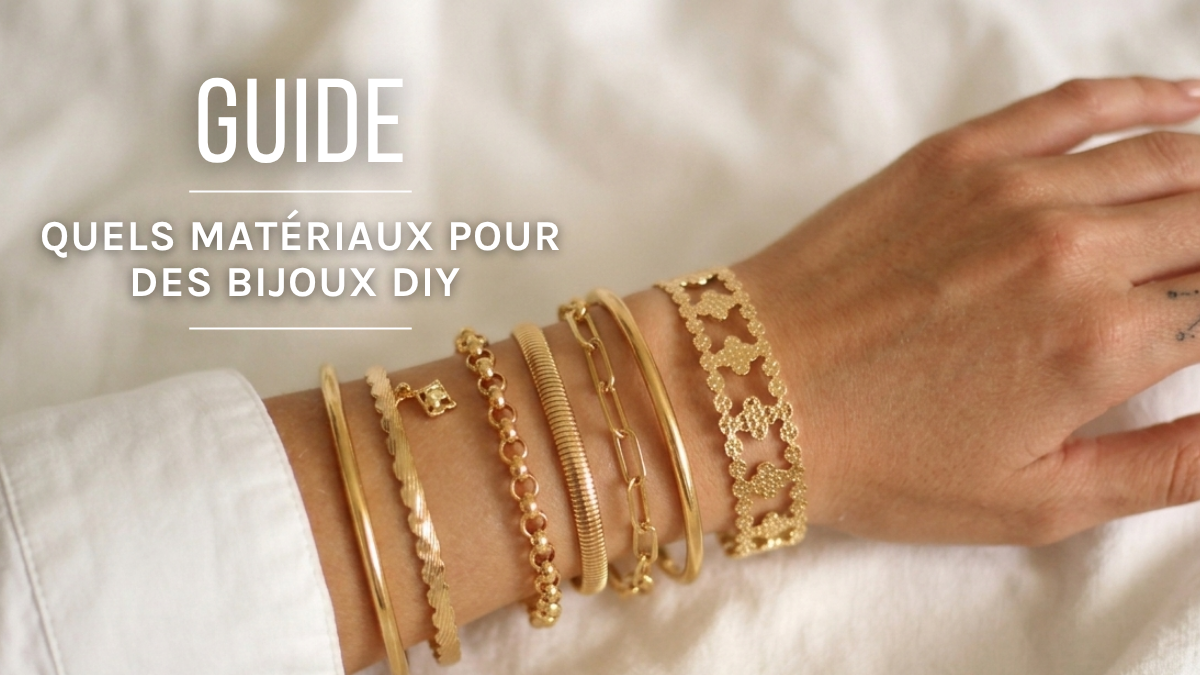
For jewelry that lasts, choose Gold Filled or 925 Sterling Silver. If you want a tough, hypoallergenic material, opt for stainless steel. For a start without breaking the bank, brass is perfect. Gold plating, on the other hand, is well suited to pieces worn regularly, but not on a daily basis.
You're starting a handmade jewelry project and one question is blocking everything: what metal should you use? Gold Filled, gold-plated, 925 Sterling Silver, stainless steel... The terms sound the same, but the differences are enormous. Durability, price, sensitive skin compatibility: each material has its strengths. This guide compares them all!
DIY jewelry materials comparison chart
Material | Durability | Price | Allergy risk | Care | Recommended use |
Gold Filled | ⭐⭐⭐⭐⭐ | €€€ | Very low | Easy | Premium jewelry, daily wear |
Gold-plated | ⭐⭐ | € | Low | Delicate | Gold-plated jewelry, regular but not daily wear |
925 Sterling Silver | ⭐⭐⭐⭐ | €€€ | Very low | Medium | Timeless jewelry, fine workmanship |
Stainless steel | ⭐⭐⭐⭐⭐ | € | Near-zero | Very easy | Durable jewelry for everyday wear |
Brass | ⭐⭐ | € | Medium | Medium | Accessible jewelry |
Vermeil | ⭐⭐⭐ | €€€€ | Very low | Medium | Dressed jewelry, luxury finish |
Gold Filled
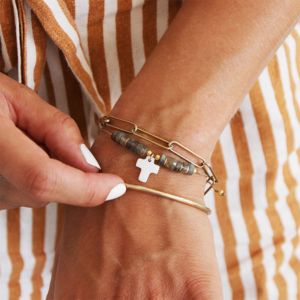
Gold Filled consists of a brass (or sometimes silver) core covered with a layer of genuine gold mechanically bonded under pressure and heat. The gold layer represents at least 1/20th of the coin's total weight (5%), and is regulated.
Advantages:
- Resistant to friction, perspiration and cosmetics
- Retains its golden shine for 10 to 30 years with normal maintenance
- Compatible with sensitive skin and metal allergies
Limitations:
- More expensive than brass or stainless steel
- Cannot be soldered like sterling silver
This is the leading material for creating long-lasting costume jewelry for everyday wear. Ideal for rings, chains, connectors and clasps.
Gold plating
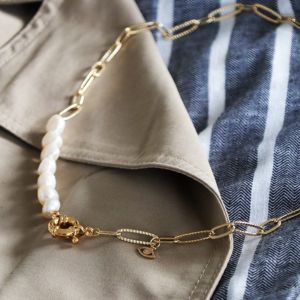
Gold plating is a base metal (often brass or copper) electroplated with a thin layer of gold. This layer must be at least 3 microns thick. It is thinner than Gold Filled.
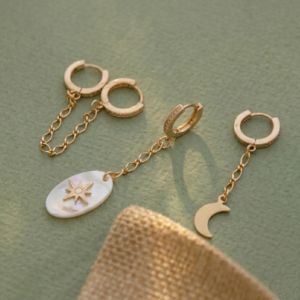
Advantages :
- Attractively priced for creative projects
- Wide choice of shapes, beads and primers available
- Good short-term or long-term appearance if well cared for
Limitations:
- Gilding can wear quickly with regular wear
- Not recommended in contact with water or perfumes
Gold plating is ideal for occasional wear.
925 Sterling Silver
925 Sterling Silver contains 92.5% pure silver and 7.5% other metals, usually copper. This precise dosage gives it strength and malleability. It is the international standard for silverware.
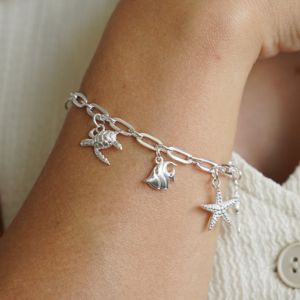
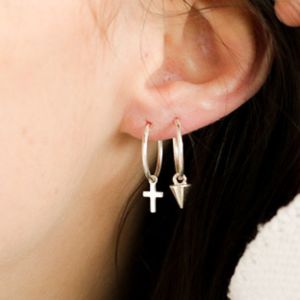
Advantages :
- Recognized noble metal, hypoallergenic
- Ideal for the manufacture of fine, intricate jewelry
- Can be soldered, engraved or hammered
- Oxidizes naturally, but repolishes easily
Limitations :
- Blackens on contact with air (oxidation), so good maintenance is necessary
- Intermediate to high price, higher than stainless steel
925 Sterling Silver is the reference choice for creating professionally finished rings, earrings and pendants.
Stainless steel
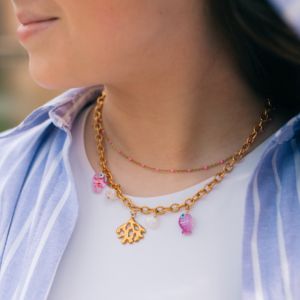
Stainless steel comes in several types: 304, 316, 303, 316L, 304L, etc. The most resistant, especially in contact with water, is 316L stainless steel, also known as surgical steel. It is one of the safest metals for reactive skin.
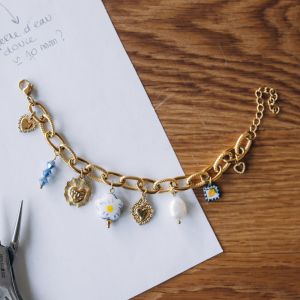
Advantages:
- Extreme resistance to corrosion, water and sweat
- Affordable price for a modern, solid look
- Perfect for beginners learning basic techniques
- Virtually maintenance-free: a simple cloth is all you need
Limitations :
- More difficult to work (cut, bend) than silver, for example
- Aesthetics sometimes more industrial, less "precious jewel".
Stainless steel is perfect for trendy unisex jewelry, creations for everyday wear even in summer, or children's accessories.
Brass
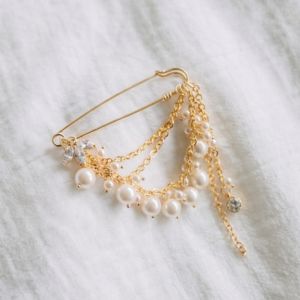
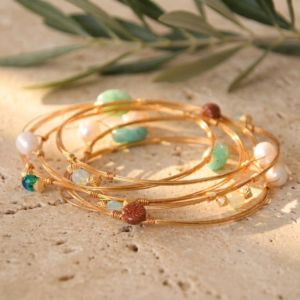
Brass is an alloy of copper and zinc. In fact, it's the base metal for Gold Filled and gold-plated jewelry. In DIY jewelry, it comes in charms, beads, primers and various components.
Advantages:
- Very affordable price, ideal for learning and experimenting
- Excellent malleability: can be bent, cut, soldered or engraved.
Limitations:
- Oxidizes and darkens over time if unprotected
- Not recommended for jewelry worn in direct contact with the skin over the long term
- Sometimes stains skin green (copper + perspiration reaction)
Brass is the metal of choice for prototypes and textured or patinated creations. It also serves as a base for Gold Filled wires: if you're looking for a similar look without the cost, it's a good starting point for testing your designs before investing.
Vermeil
Less well known than the others, vermeil is a precious metal. It refers to 925 Sterling Silver with an 18-carat gold plating and a minimum thickness of 5 microns. It is a regulated designation in several countries.
Advantages:
- Luxurious appearance identical to solid gold
- Hypoallergenic 925 Sterling Silver base
- Thicker gold layer than simple gold plating
Limitations:
- High price,
- Careful maintenance: avoid prolonged exposure to water and abrasives.
Vermeil is ideal for dressy jewelry worn for special occasions, or for high-end creations as gifts.
How to choose for your DIY project ?
The right question isn't "which metal is best", it's "for whom and for what am I creating this jewelry?"
- Are you creating for yourself or as a gift? Invest in Gold Filled or 925 Sterling Silver. These are the two materials that stand the test of time and do honor to your work. A gift deserves a metal that lasts.
- Are you just starting out and want to create simple jewelry without breaking the bank? Start with brass or stainless steel. They're inexpensive, forgiving of handling errors and allow you to master techniques before moving on to more expensive materials.
- Does your customer (or you) have sensitive skin? 316L steel is your best ally. Gold Filled and 925 Sterling Silver are also well tolerated.
- Want long-lasting gold without the price tag of gold? Gold Filled is the answer. Gold plating is acceptable if the jewel is worn occasionally, but avoid it for everyday use.
Now that you know all about materials, find out what equipment you'll need before you start creating DIY jewelry!
Result

Is 925 Sterling Silver hypoallergenic?
In the vast majority of cases, yes. 925 Sterling Silver is well tolerated by sensitive skin. In rare cases, the allergy is caused by copper (the remaining 7.5%), in which case 316L steel or Gold Filled are preferred.
Can you wear your DIY jewelry in the shower?
316L stainless steel is water-resistant. Gold Filled too, in moderation. On the other hand, brass, gold-plated, vermeil and 925 Sterling Silver should be kept away from prolonged exposure to water, soaps and perfumes to preserve their lustre.
What material should you choose for a handmade jewel?
For a quality gift, choose Gold Filled, stainless steel or 925 Sterling Silver. These three materials offer longevity, a precious touch and are largely hypoallergenic. Silver vermeil is also an excellent option for dressy jewelry.
Is stainless steel suitable for earrings?
Yes, it's even one of the most recommended metals for earrings for people allergic to nickel. Grade 316L (surgical) is the most recommended.
Score of the sheet (0)
0/5
Be the first to write a review!
To go further


Which material to use ?


Questions (0)
You have a question about this sheet?
Ask our team and the people who have already tested it. The Perles & Co community is here to help!
Reviews (0)
Reviews are moderated before publication.
Credits
Perles & Co, Internet & E-Commerce company [28/05/2026] Any reproduction, representation, adaptation, in any form whatsoever, even partial, is prohibited, except for reproduction for private use not intended for collective use, representation in the family circle (art. L 122-5 CPI) and online publishing on condition that the source is mentioned and a link is included to the corresponding page of our site www.perlesandco.com.