
Beads and components Stainless Steel to create fancy jewelry
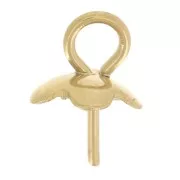
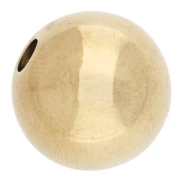

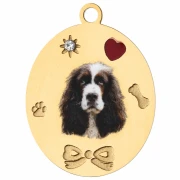
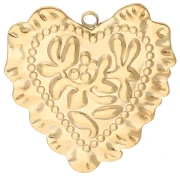
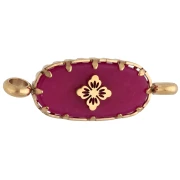


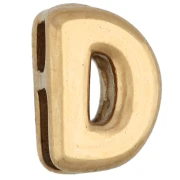

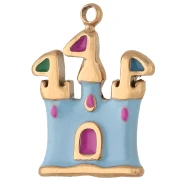
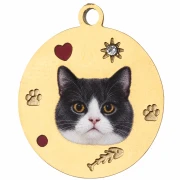
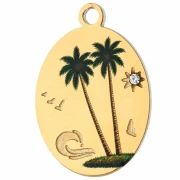




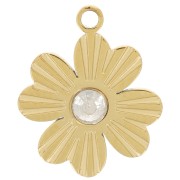






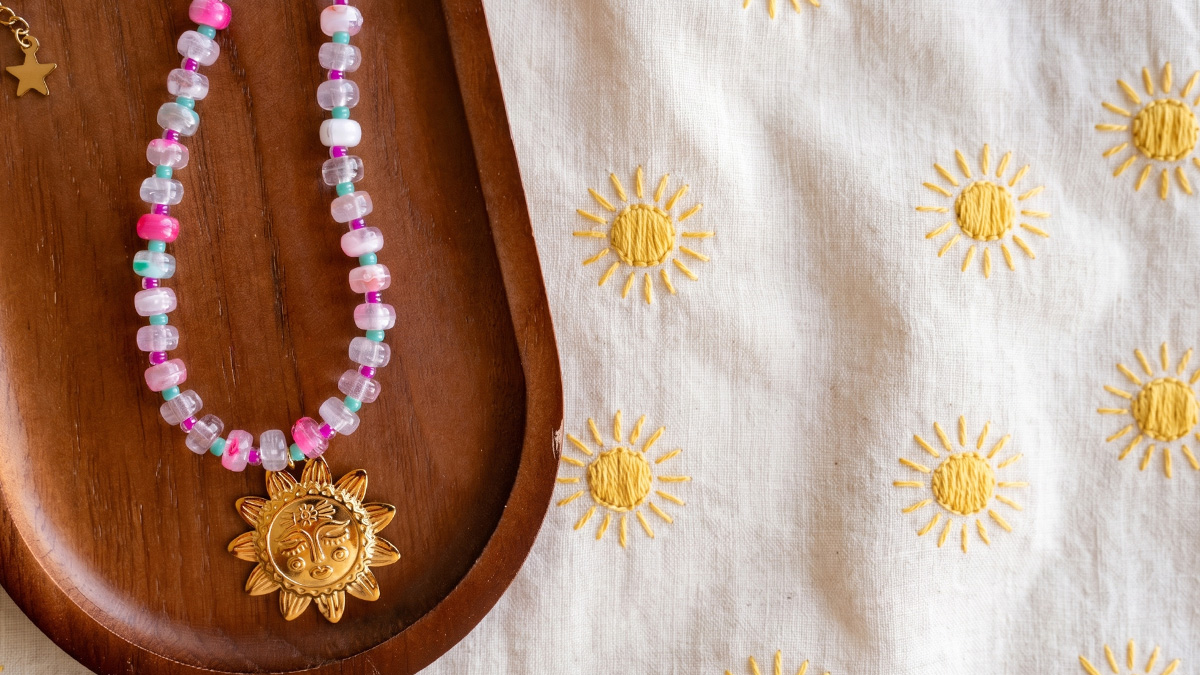
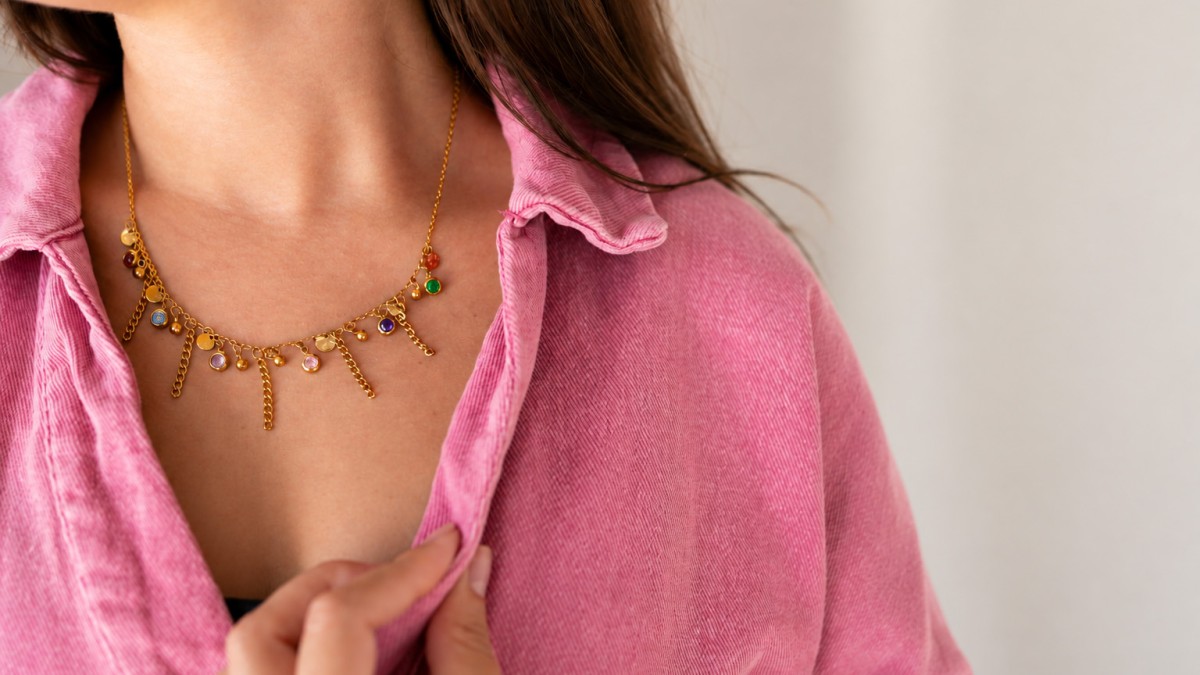
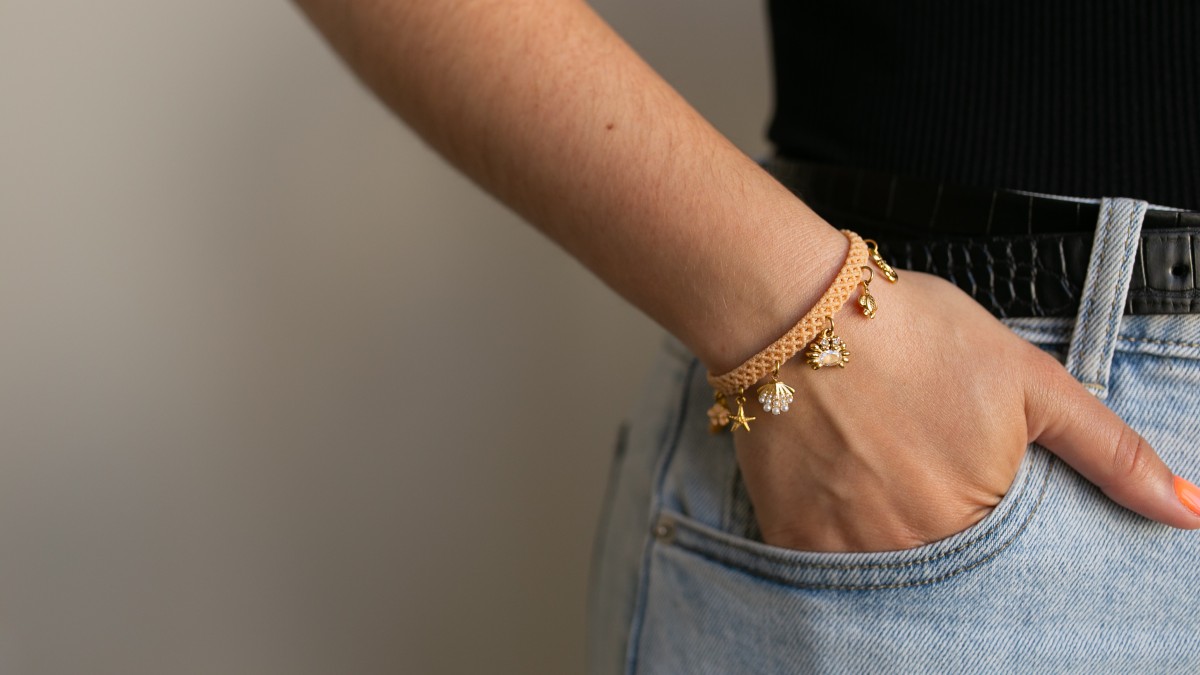
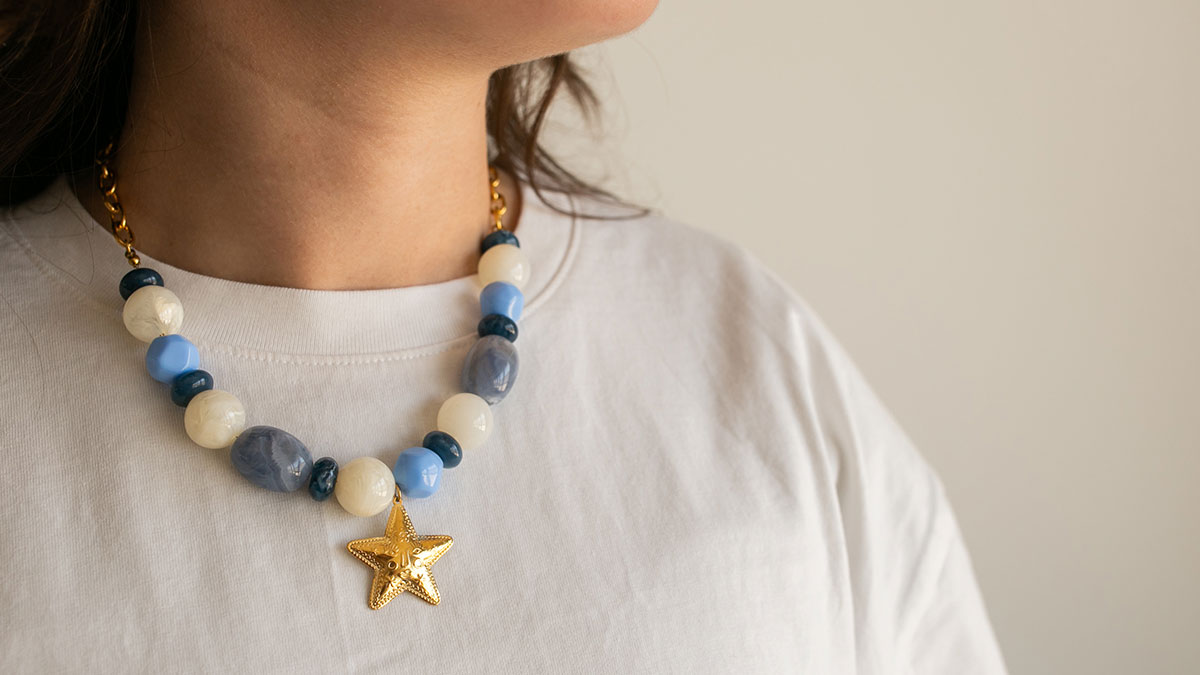
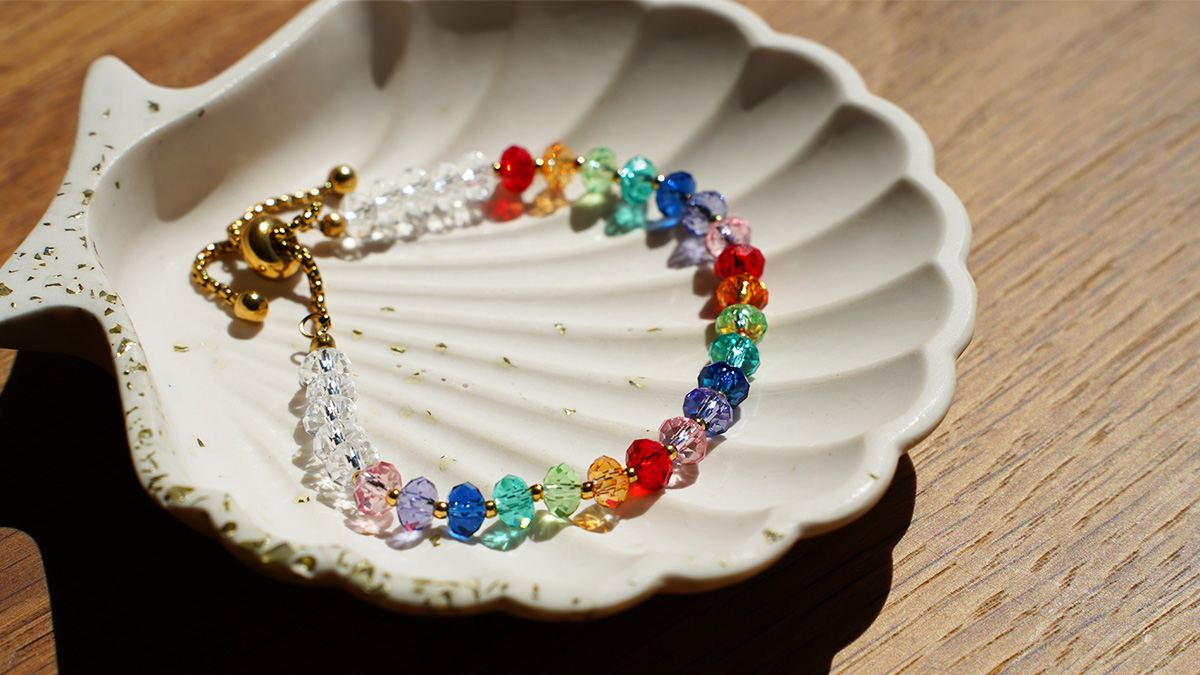
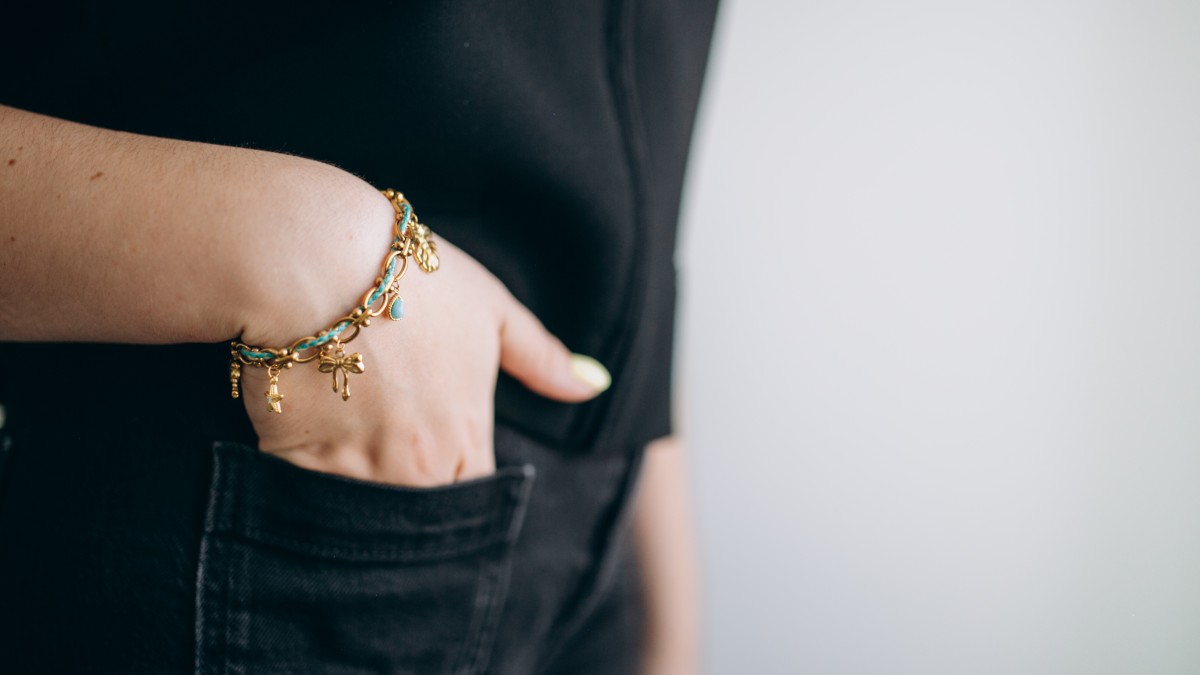
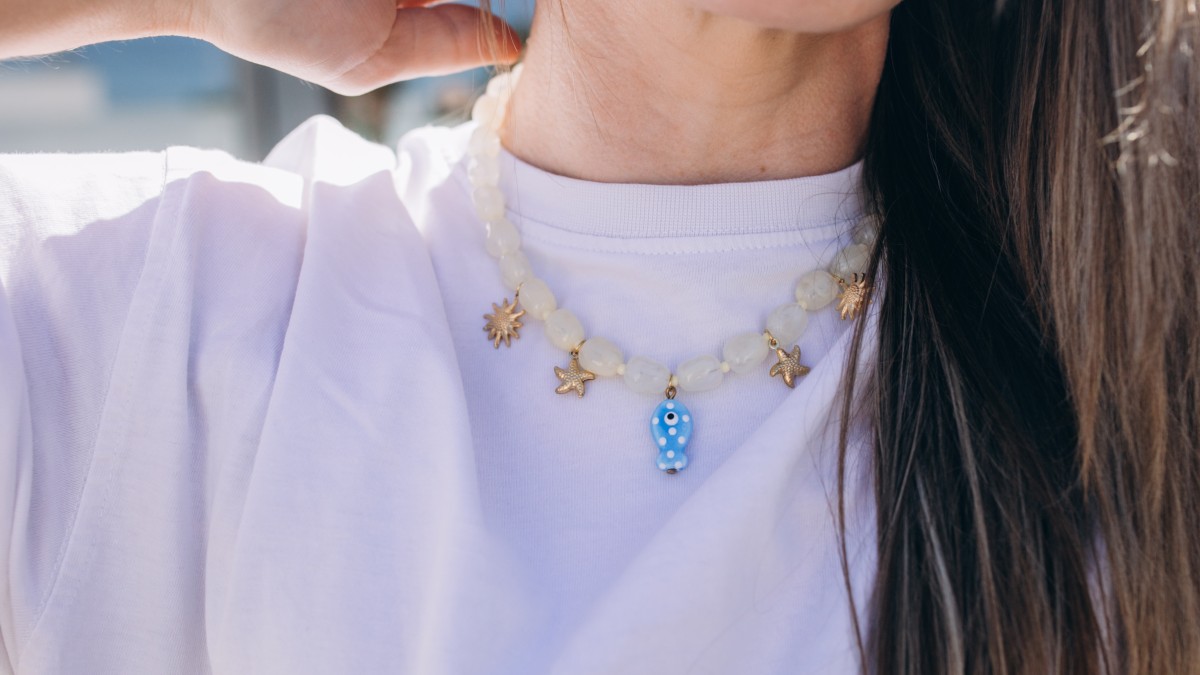
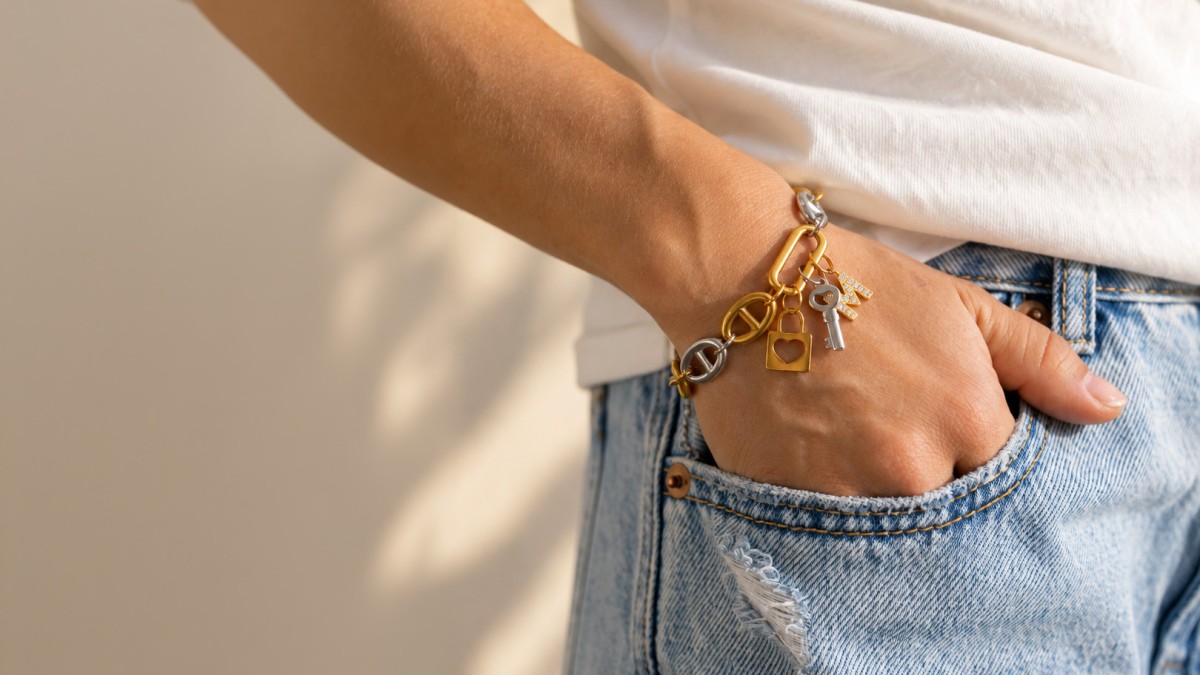

What kinds of jewelry can you make out of stainless steel?
Here are a few ideas that might help you:
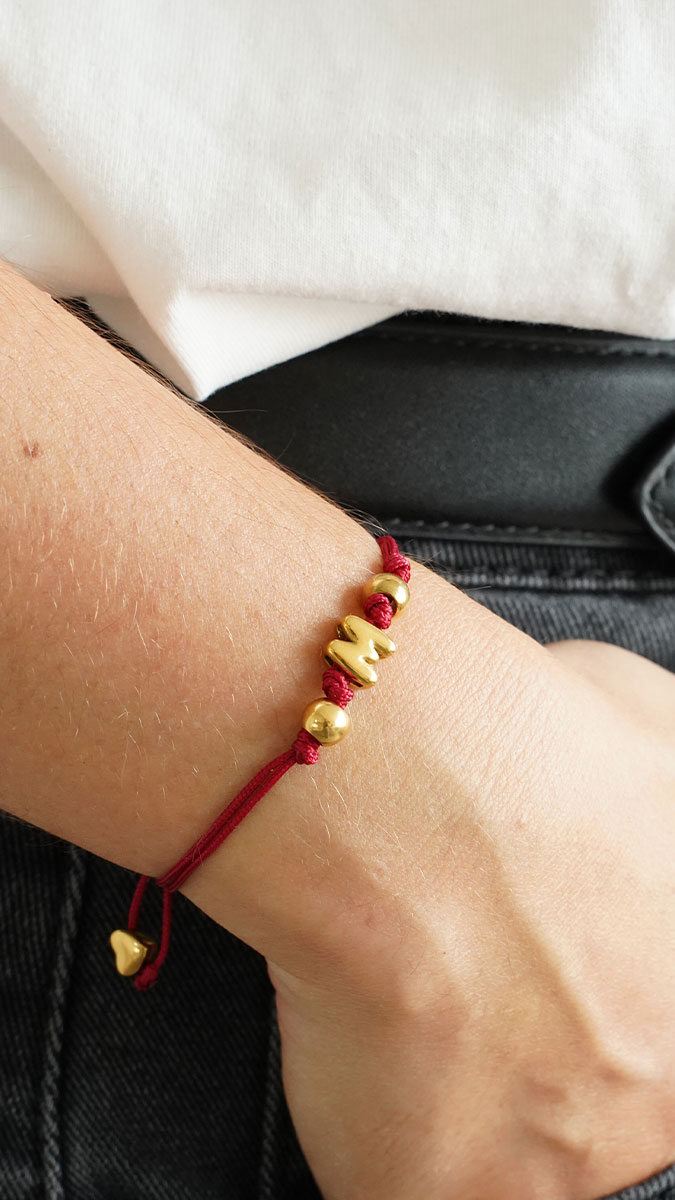
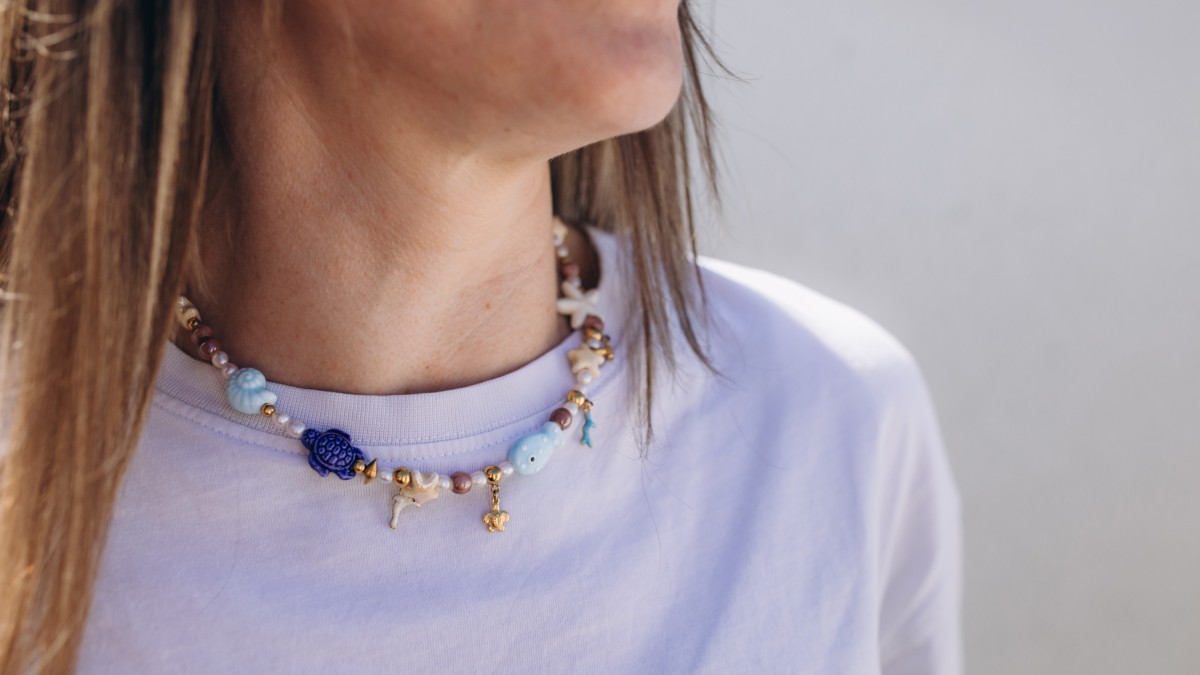
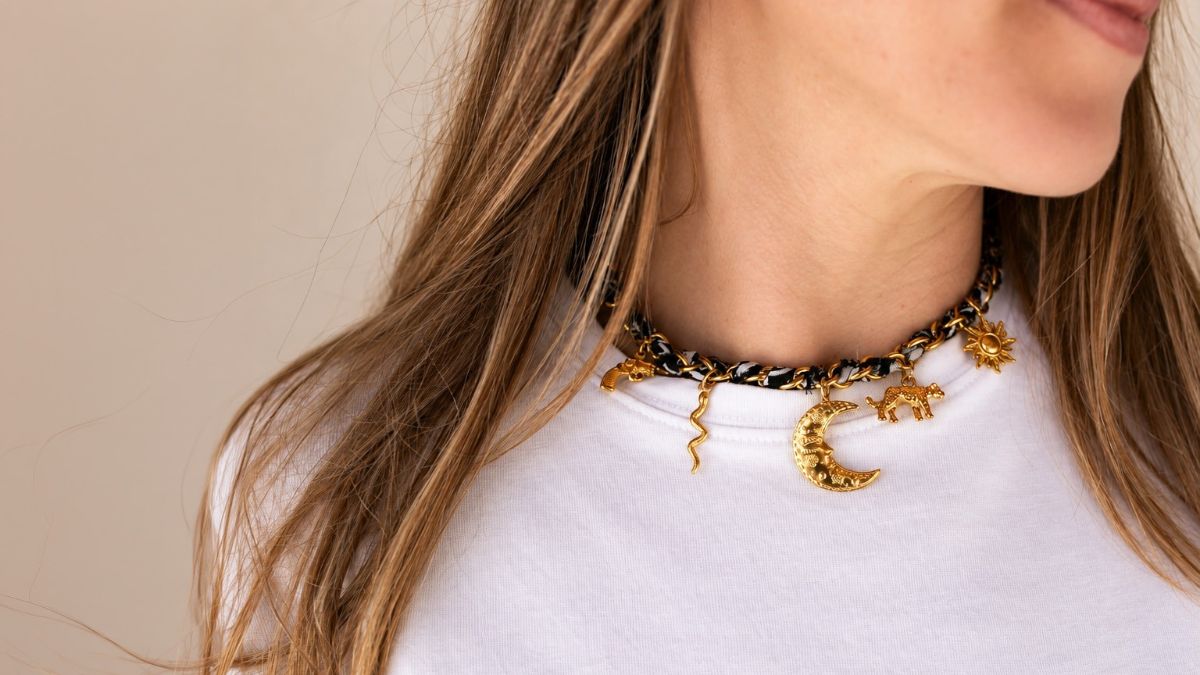
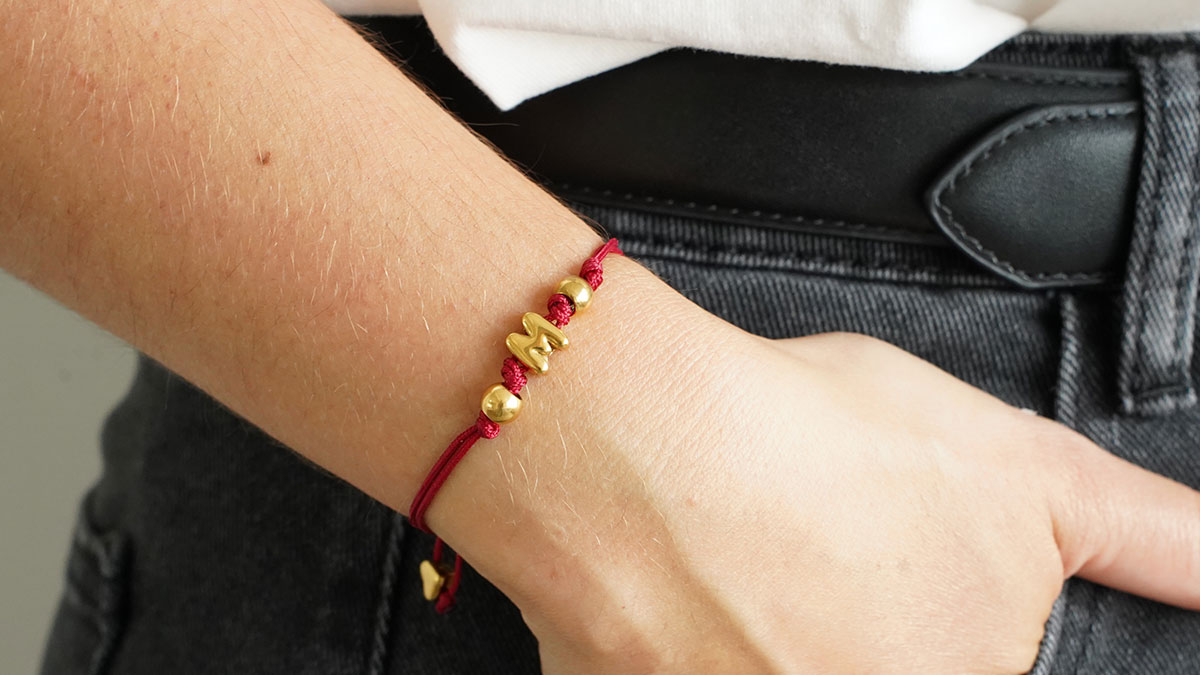
- A personalized piece of jewelry featuring a first name spelled out with alphabet beads or a zodiac sign charm on a chain. This makes the perfect gift for both men and women.
- A stainless steelring with Miyuki beads, gemstone beads, or a chain,
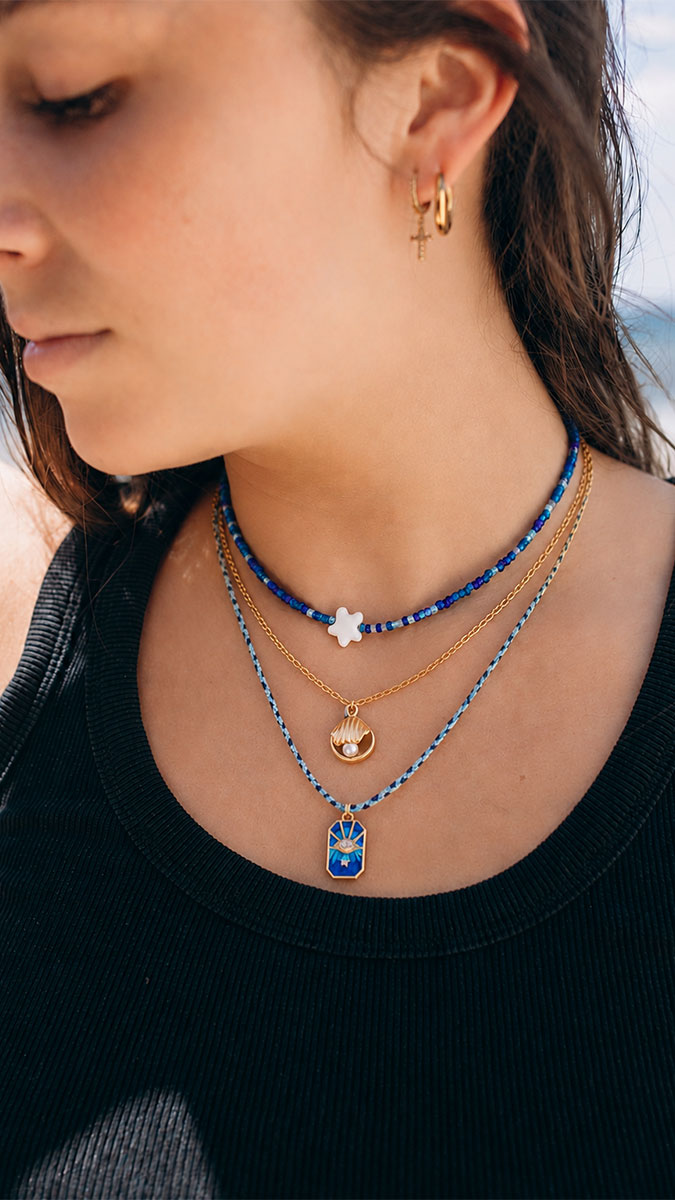
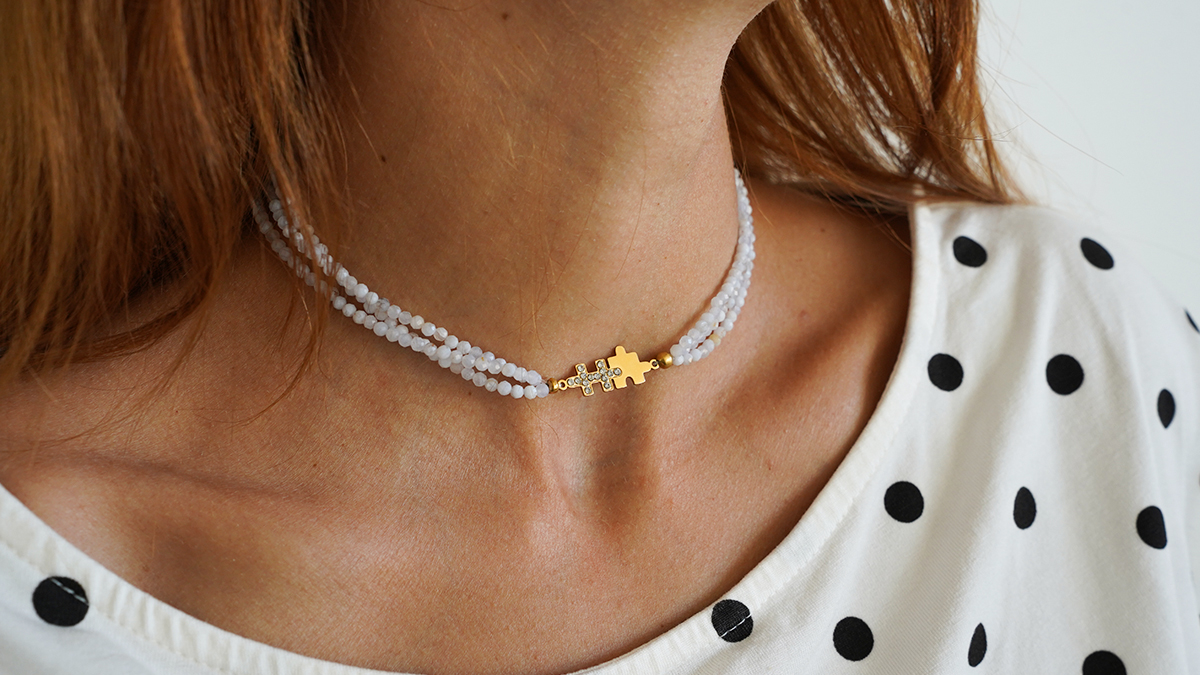
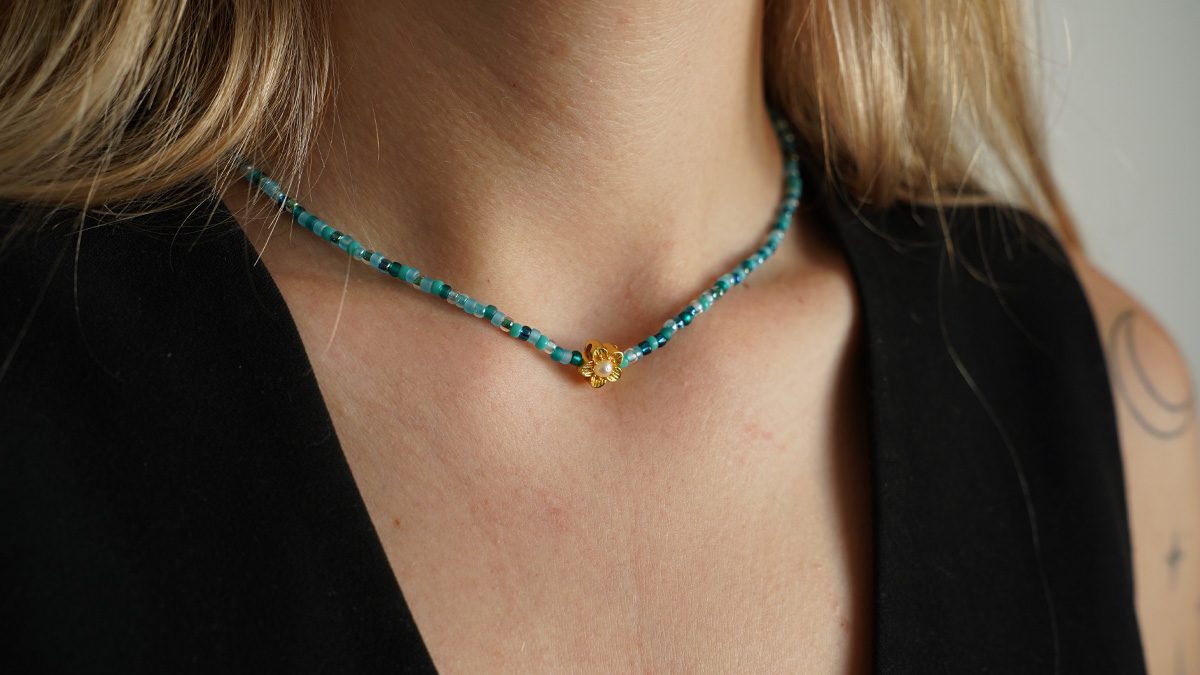
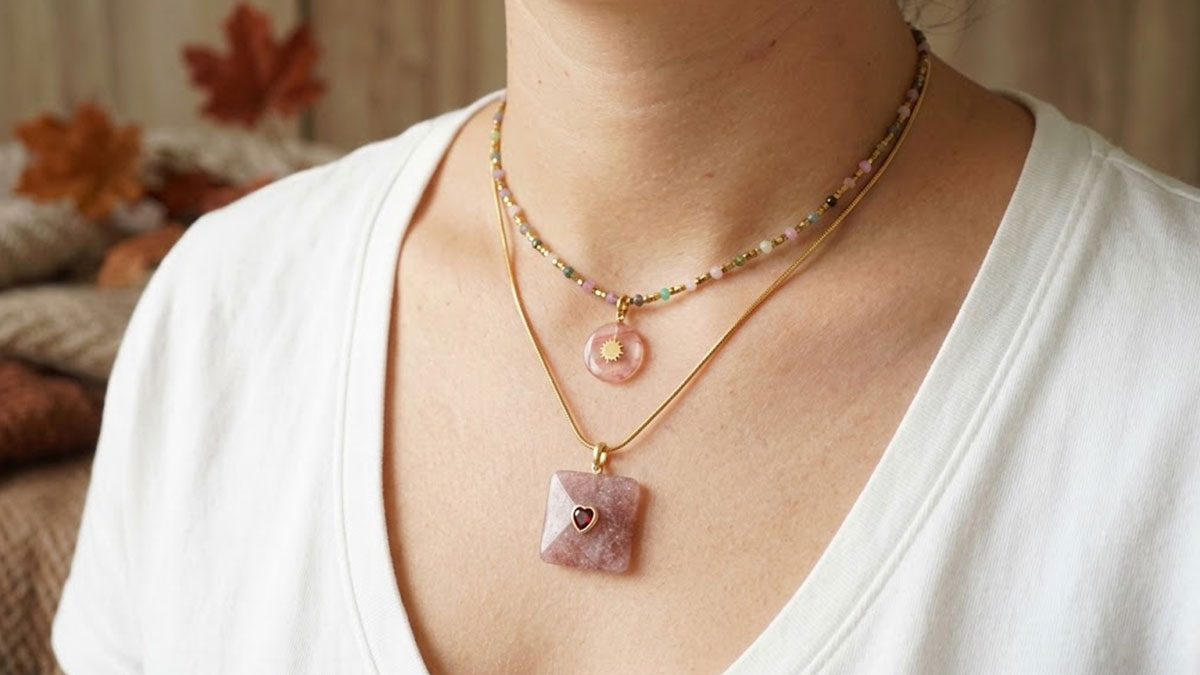
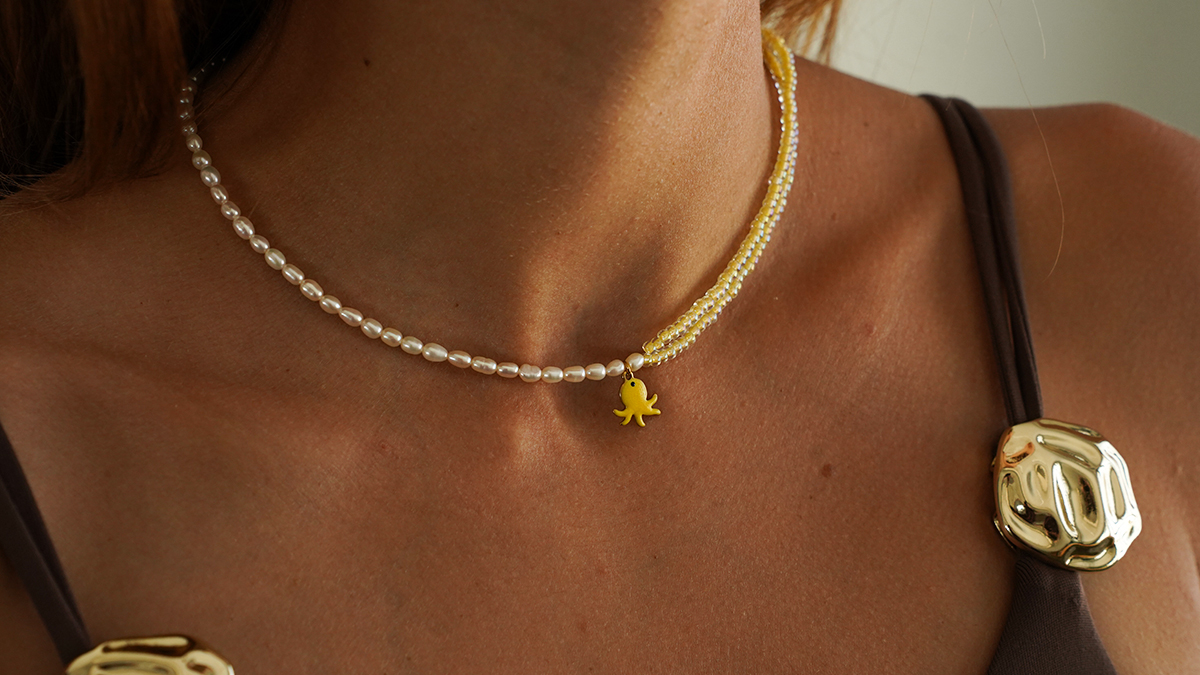
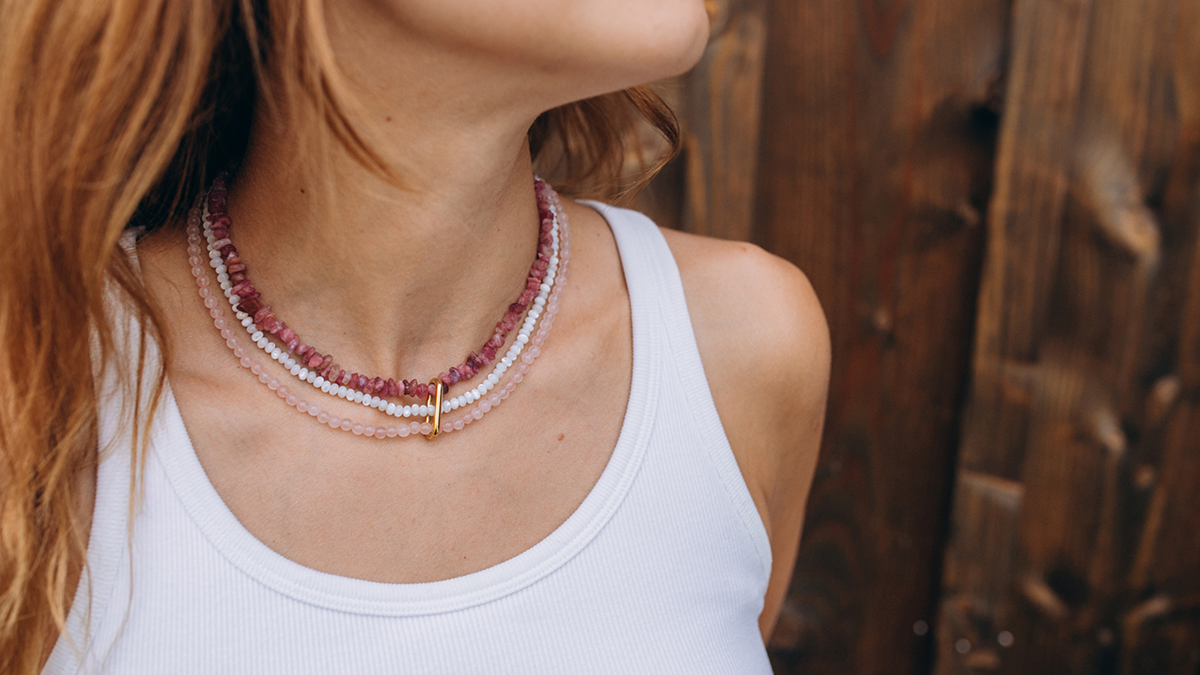
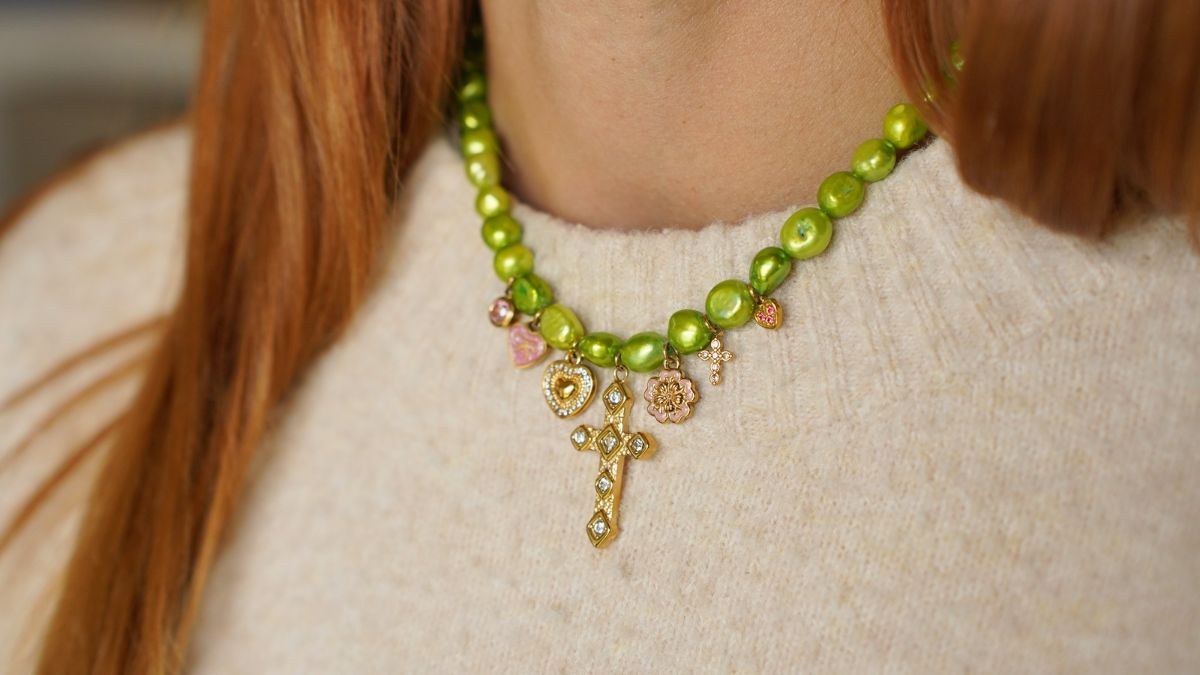
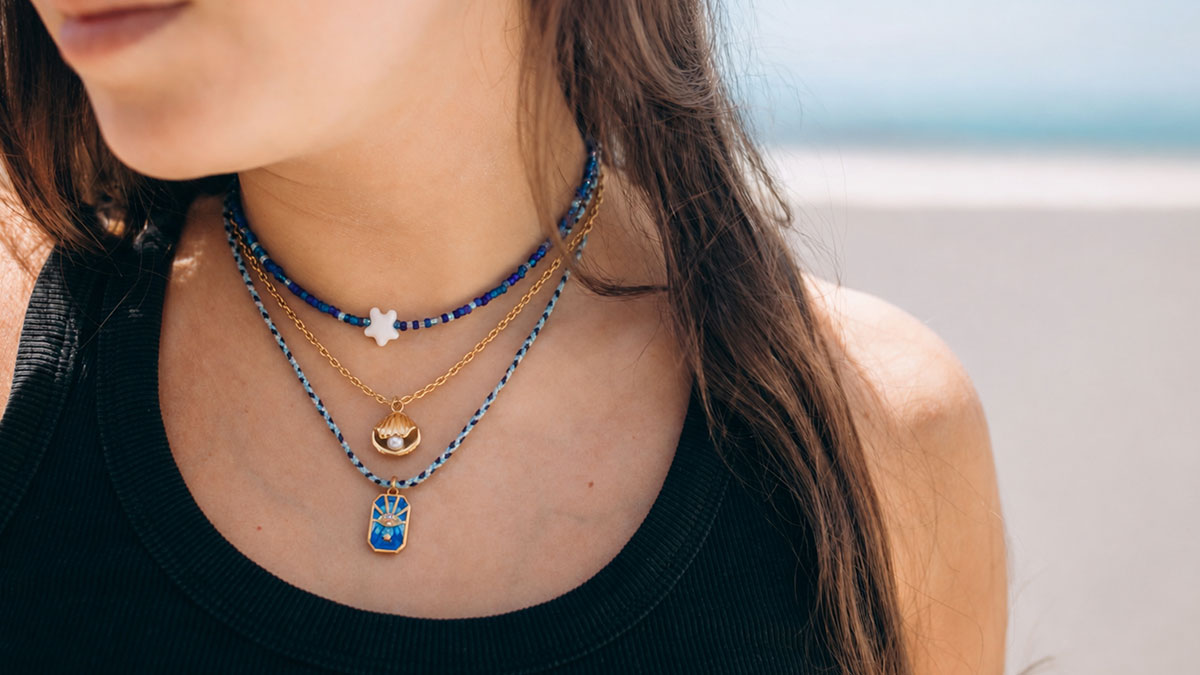
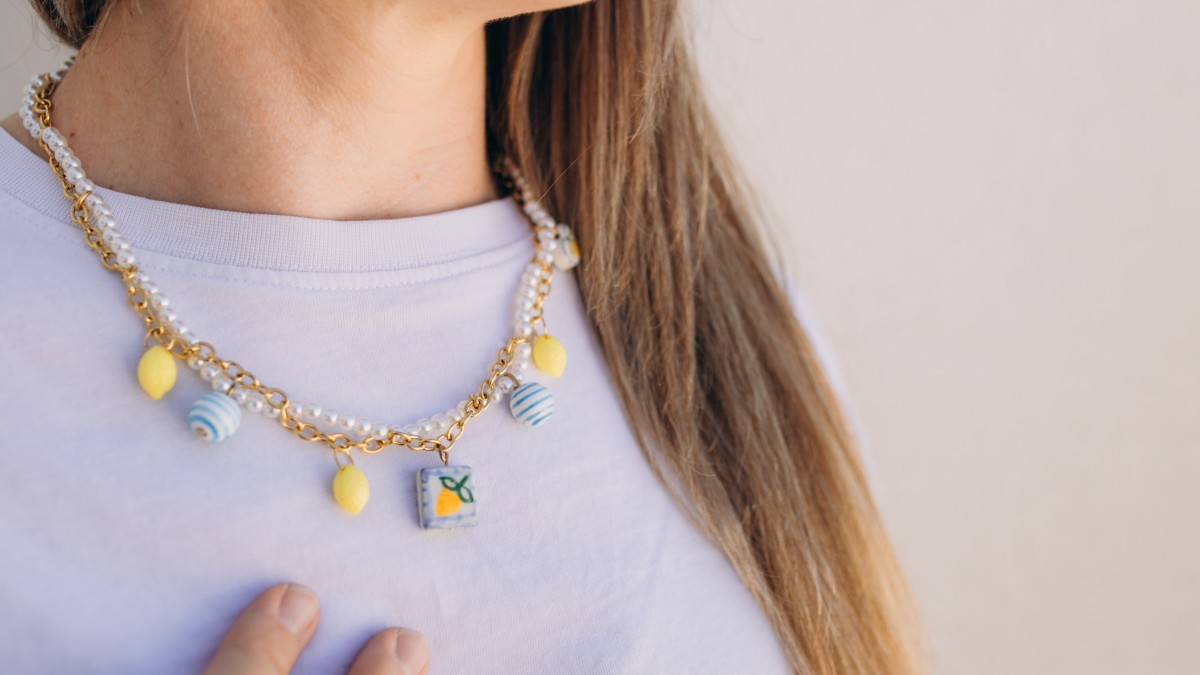
- A stainless steel necklace featuring small seed beads shaped like flowers or as part of a layered necklace look,
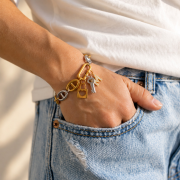
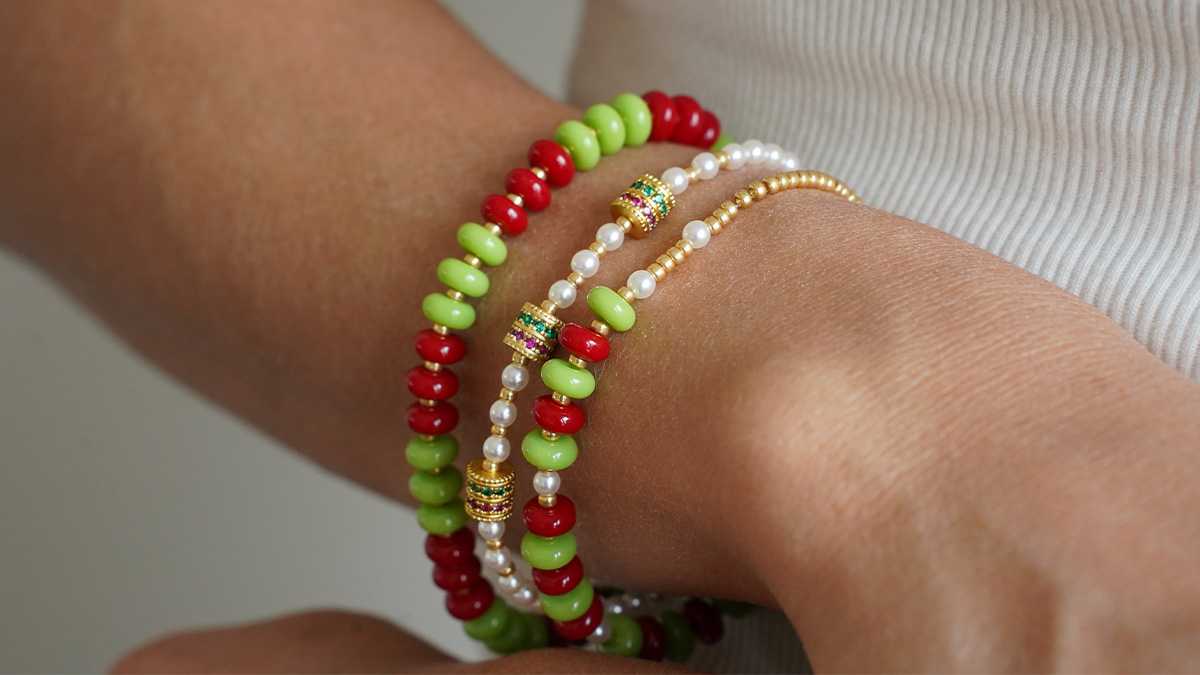
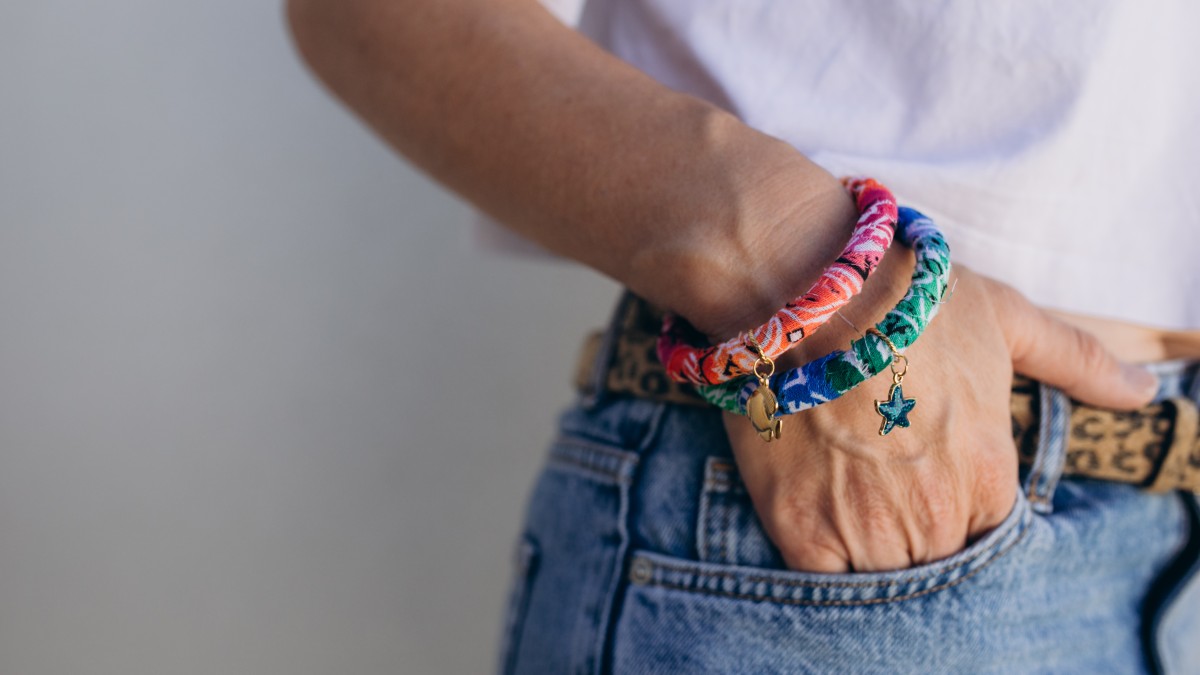
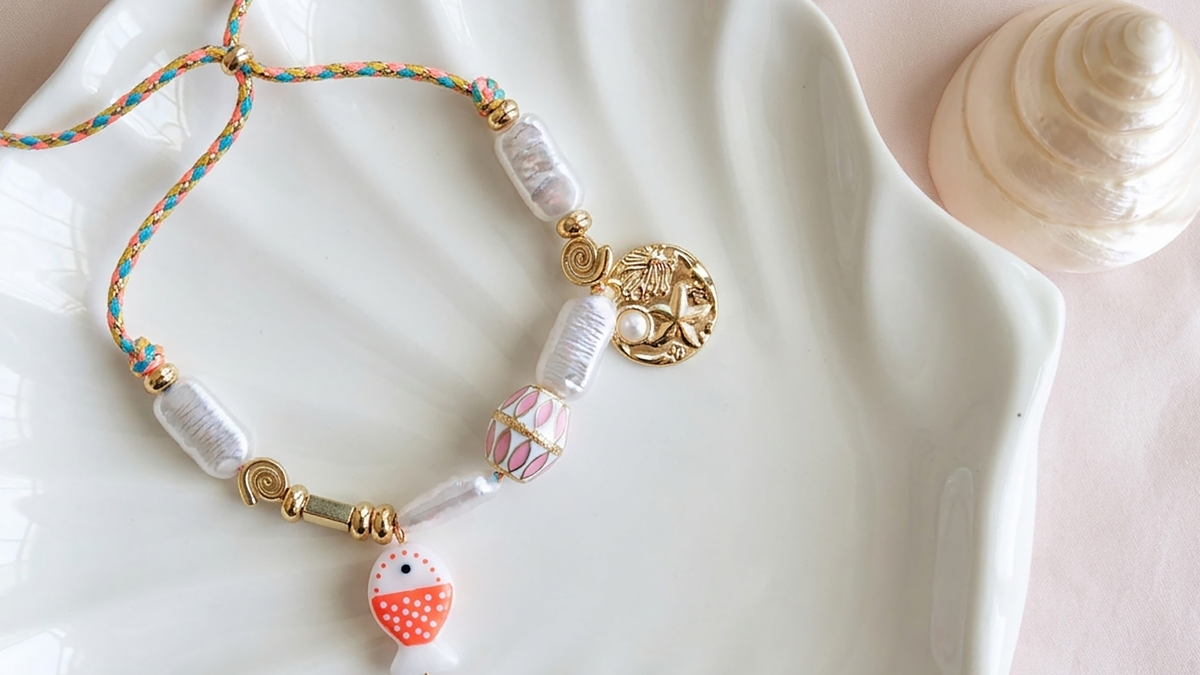
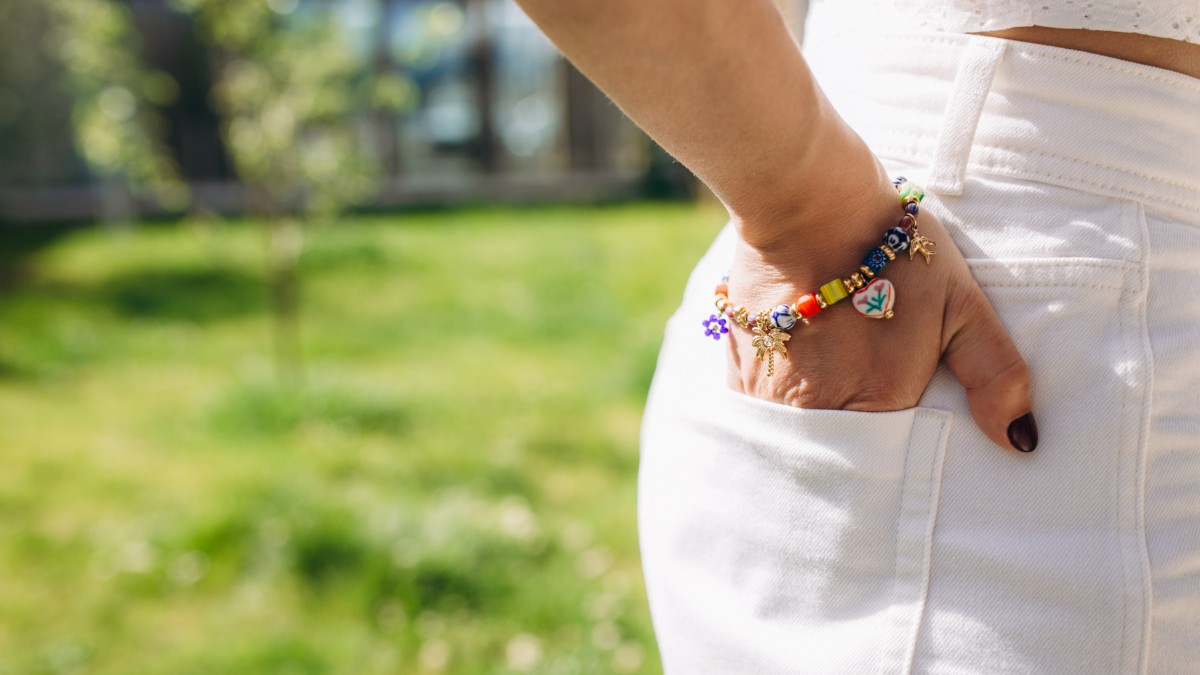
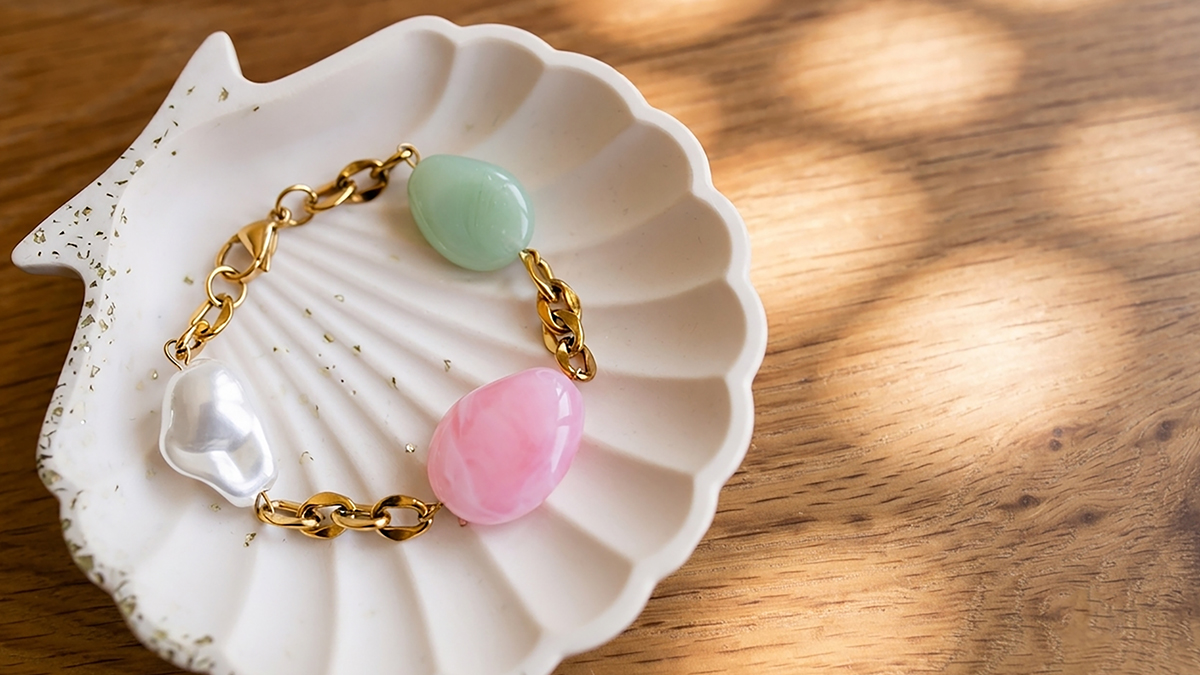
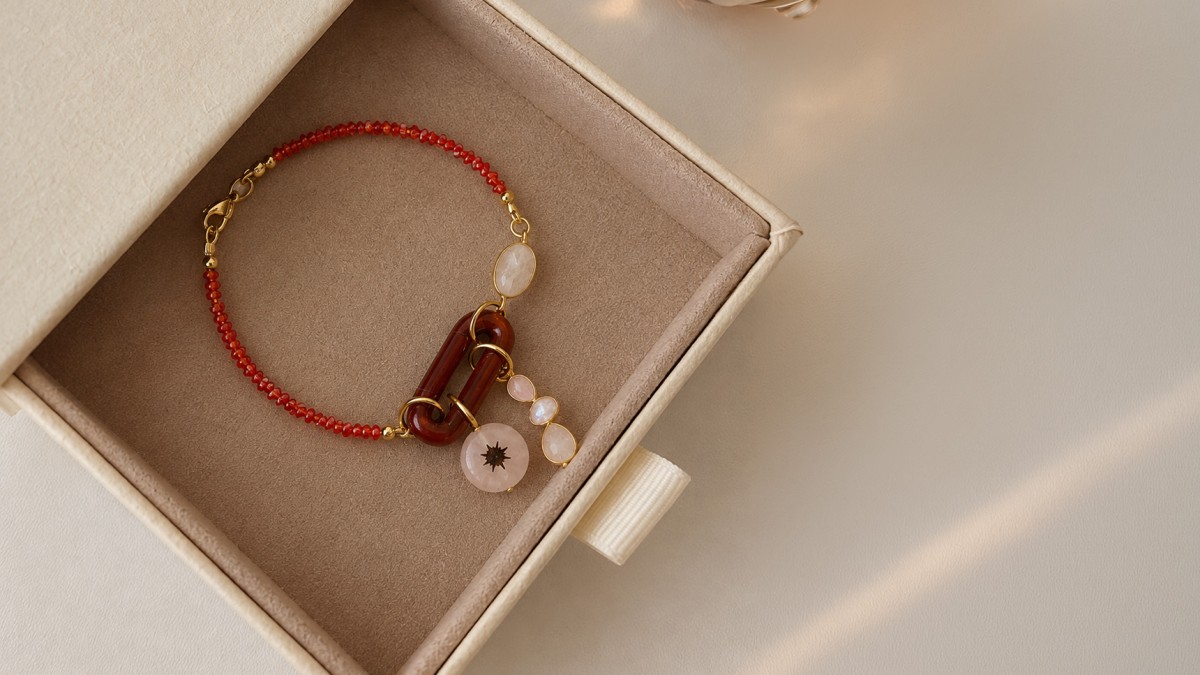
- A stainless steel bracelet to wear as a good-luck charm by adding multiple charms to a braided cotton cord or a rectangular link chain,
- Stainless steel dangling earrings —fancy, original, teardrop-shaped, or even with beaded fringes...
What are the different types of stainless steel?
There are several types of stainless steel used in jewelry. 304, 316, 201, 303, etc. Among the most commonly used in jewelry are 304 and 304L, as well as 316 and 316L.
Each has its own details and advantages. Here are the main ones:
- 304 stainless steel: the most common in jewelry, resistant to heat and oxidation, but less suitable for saline environments such as seawater.
- 304L stainless steel: a low-carbon version of 304, offering better corrosion resistance after welding, ideal for durable jewelry pieces.
- 316 stainless steel: also known as marine-grade stainless steel, it contains molybdenum for excellent corrosion resistance in chlorinated or saline environments, making it perfect for jewelry worn at the beach or in the pool.
- 316L stainless steel: a “low-carbon” version of 316 stainless steel; hypoallergenic and used in high-end jewelry, ideal for sensitive skin and healed piercings.
- Stainless Steel 316F: a machinable version of 316.
- 303 stainless steel: easy to machine, but less resistant to moisture due to the presence of sulfur, so not well-suited for jewelry worn frequently in water.
Steels followed by the letter “L” are the “Low Carbon” versions of those that do not include this “L.” In other words, 304L steel is a version of 304 steel with a lower carbon content; the same applies to 316L and 316 stainless steel, and so on.
Is stainless steel jewelry hypoallergenic?
Yes, stainless steel jewelry is hypoallergenic, especially pieces made from 316L steel. This type of steel contains very little nickel (and releases very little), which greatly reduces the risk of allergic reactions.
304 and 304L steels are also very well tolerated by the skin, which is why they are widely used in jewelry. 430 steel, on the other hand, contains no nickel and is therefore naturally hypoallergenic, but it is less resistant to corrosion.
For those with sensitive skin or nickel allergies, opt for jewelry made of 316L or 430 stainless steel, which are often used for earrings, bracelets, or necklaces.
Can you wear stainless steel jewelry at the pool or the beach?
The answer depends mainly on the quality of the stainless steel used in your jewelry. In general, you can shower or take a bath while wearing your stainless steel jewelry without risking damage.
However, some types of stainless steel are sensitive to chlorine in swimming pools, which can damage the thin protective layer of chromium and cause premature wear. It is therefore advisable to avoid prolonged swimming in pools while wearing low-quality stainless steel jewelry.
When it comes to the ocean, it’s best to remove your jewelry before swimming, as saltwater can dull the surface and promote corrosion.
For better resistance to chlorinated and saltwater, choose jewelry made of 316 or 316L stainless steel— also known as marine-grade stainless steel—which contains molybdenum and offers optimal protection against corrosion.
Does stainless steel rust?
Stainless steel is designed to resist rust. Generally speaking, under normal conditions of use, the chromium oxide contained in stainless steel (regardless of the type) forms a transparent oxide film on the metal that prevents oxidation (even if the metal has been damaged, the protective barrier reforms).
However, not all stainless steels are created equal: some, such as 201 stainless steel, are less resistant and can rust if exposed for long periods to moisture, chlorine, or salt water. In contrast, 316L stainless steel offers excellent resistance to rust, even in humid, saline, or harsh environments.
To ensure the longevity of your stainless steel jewelry, it is recommended that you clean it regularly andavoid prolonged exposure to harsh substances such as chlorine, seawater, or certain household cleaning products.
Is stainless steel magnetic?
It depends on the type of stainless steel. Austenitic steels, such as 304, 304L, 316, and 316L—which are widely used in jewelry—are nonmagnetic or only very slightly magnetic in the annealed state. However, when they are cold-worked (bent, stamped, or shaped), they can become slightly magnetic. Ferritic steels, such as 430, are magnetic.
Stainless steel or 925 Sterling Silver?
It all depends on how you plan to use your jewelry.
- 925 Sterling Silver is an alloy composed of 92.5% pure silver and 7.5% other metals, usually copper. It has a delicate, “precious” look, but it tarnishes over time (sulfurization) and requires regular care. It’s also the most expensive option.
- Stainless steel is harder, more affordable, and doesn’t tarnish. It holds up well to water and sweat—especially the 316L grade—making it a great choice for everyday jewelry and summer pieces.