
Personalised charms
Have you ever thought of signing your jewelry ? On clothes, it's common, but on jewelry? It's perfectly possible! And hallmarks aren't the only way to mark jewelry. There are also personalized charms!









When you're a designer, it's important to put a metal label or brand plate on your jewelry. There are several reasons for this:
1. To promote your work.
2. Convey your brand identity.
3. To be recognized by as many people as possible.
Personalized charms with your logo or brand name will make all the difference! These small engraved pendants are ideal for asserting your identity as a designer, reinforcing brand recognition and offering an exclusive piece of jewelry. Available in a variety of shapes (round, oval, rectangular, heart-shaped...) and finishes (stainless steel, 925 Sterling Silver, Gold Filled, zamak...), charms can be engraved with your logo, a symbol or a name. They can be easily integrated into your settings: on the clasp, as a pendant or as a discreet signature.
Made in Europe, they guarantee a meticulous, long-lasting finish.
How do I get my engraved charms?
Simply proceed step by step:
- Choose the shape, size and material of your charm.
- Click on "I'd like to order" and we'll send you an e-mail with all the instructions you need to prepare your logo (format, prototype validation, production lead time).
- Once validated, your signature jewel will be ready in around 12 weeks, with lead times likely to be slightly longer during the summer months, particularly August.
What metals can be engraved?
In jewelry, several metals can be engraved, and each offers unique results depending on its composition and characteristics. These include
- Gold (Gold-filled, Gold-plated): this is a precious and popular material for engraving. It is ideal for fine jewelry, such as pendants and rings, which require a delicate touch of personalization.
- 925 Sterling Silver: or sterling silver is a soft, easily engraved metal, which is perfect for jewelry such as bracelets, necklaces and pendants. Its natural brilliance makes it an excellent choice for fine, clean engraving.
- Stainless steel: this is robust and corrosion-resistant, making it an excellent choice for long-lasting engravings. It is a metal often used for modern or masculine jewelry, such as bracelets and rings, where the engraving needs to be very sharp. Because of its hardness, it requires special tools such as steel punches.
- Brass, copper and bronze: These metals are also popular for handcrafted creations and can be engraved to add a vintage or unique touch to your jewelry.
Mother-of-pearl (or sea pearl) is a highly prized natural material that can also be engraved, but requires suitable tools to avoid damaging it. One example is a micro Engraver and its diamond burr.
If you'd like to find out more about the metals you can engrave for your creations, we invite you to consult our metal engraving guide to find out more about the materials suitable for each type of jewel.
Why use charms engraved with your logo?
Using charms engraved with your logo is an excellent strategy for jewelry designers who want to reinforce their brand identity, increase the visibility of their creations and offer a personalized touch to their customers. Here are some key reasons why jewelry designers choose to engrave their logo on charms:
- Reinforce brand identity
- Add a touch of personalization
- Enhance craftsmanship
- Facilitate promotion of your creations
- Offer added value
What can I have engraved on charms?
You can have a wide variety of designs engraved on your personalized charms. For designers, this will enable you to "sign" your jewelry and sell 100% personalized pieces!
Among the most common options are :
- Logo: perfect for corporate jewelry or unique creations, it's important to adapt it to the shape and size of the charm. Depending on your choice, you can put your original logo, as on this round version, or variations, as on this oval version.
- Words or short phrases: "Made in France", "By Perles and Co", "Made with love"... you can engrave meaningful keywords, perfect for accompanying your creations.
- Small patterns: whether it's a symbol, an image or a drawing, choose simple, legible elements for clear engraving.
Remember to select the right shape and size of charm to ensure your engraving is perfectly legible. Personalization can add a unique touch to your creations and help you stand out from the crowd.
How to engrave metal jewelry?
Engraving metal jewelry is a delicate process that requires the right tools and techniques to guarantee a precise and lasting result. At Perles and Co, we offer quality engraving tools.
Here are some general steps for engraving metal jewelry:
- Choosing the right metal: Metals likegold,silver orstainless steel are ideal for engraving, each with its own characteristics. On our site, you'll find metal plates ideal for this type of personalization.
- Prepare the jewel: Make sure the jewel is clean and dry before engraving.
- Select the pattern or text: You can choose a name, date or any other pattern that can be engraved. Remember to adapt your choice to the size and shape of the jewel.
- Use the right technique: Engraving can be carried out in different ways, depending on the metal chosen.
If you'd like to find out more about the materials used to engrave metal jewelry, we recommend you consult our guide to metal engraving.
What tools should you use to engrave your own jewelry?
There are a number of tools that make it easy to engrave jewelry at home. Here are the main tools recommended for precise, professional engraving:
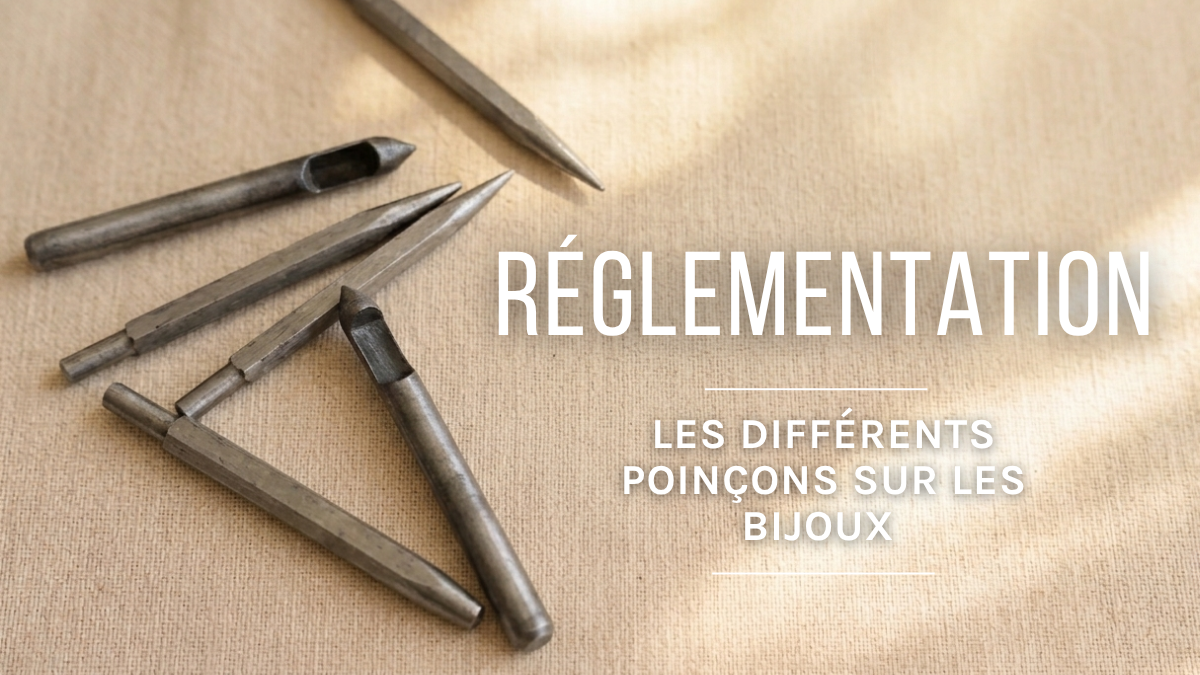
- Punches: punches are very practical tools for engraving simple patterns, letters or numbers. They are often used for deeper engravings and are ideal for personalizing charms, pendants or bracelets.
- Dremel Engraver: the Dremel Engraver is a power tool for producing very fine, detailed engravings on a variety of materials such as metal, glass and plastic. This type of tool is ideal for those seeking a higher level of precision and ease of use on larger surfaces.
- Micro-engraving pen: the micro-engraving pen is another power tool that offers a slimmer grip and enables you to work onsmaller, more complex areas. Ideal for delicate engravings on fine jewelry, it can be used to create drawings, letters or personalized patterns with great precision.
Other useful tools:
- Laser engraving: Although not a hand tool, laser engraving is also an excellent option for producing highly detailed, crisp engravings. However, it requires professional equipment or a specialized engraving service.
Whether you're a beginner or a professional, these tools will enable you to personalize your jewelry and bring your creations to life with precision.
What metals can be engraved?
In jewelry, several metals can be engraved, and each offers unique results depending on its composition and characteristics. These include
- Gold (Gold-filled, Gold-plated): this is a precious and popular material for engraving. It is ideal for fine jewelry, such as pendants and rings, which require a delicate touch of personalization.
- 925 Sterling Silver: or sterling silver is a soft, easily engraved metal, which is perfect for jewelry such as bracelets, necklaces and pendants. Its natural brilliance makes it an excellent choice for fine, clean engraving.
- Stainless steel: this is robust and corrosion-resistant, making it an excellent choice for long-lasting engravings. It is a metal often used for modern or masculine jewelry, such as bracelets and rings, where the engraving needs to be very sharp. Because of its hardness, it requires special tools such as steel punches.
- Brass, copper and bronze: These metals are also popular for handcrafted creations and can be engraved to add a vintage or unique touch to your jewelry.
Mother-of-pearl (or sea pearl) is a highly prized natural material that can also be engraved, but requires suitable tools to avoid damaging it. One example is a micro Engraver and its diamond burr.
If you'd like to find out more about the metals you can engrave for your creations, we invite you to consult our metal engraving guide to find out more about the materials suitable for each type of jewel.