How to recognize the punches?
Have you found a small, discreet mark on your bracelet, ring or necklace and don't know what it means? Do you make your own jewelry in silver or gold and wonder which markings are compulsory?
The hallmark is a precious metal jewel's identity card. It guarantees the metal content, traces the origin of the piece and protects both buyer and manufacturer. In France, its presence is regulated by law - and once you know the codes, reading it quickly becomes a reflex.
In this article, we explain everything you need to know: the different types of hallmarks, their shape, what they guarantee, and how to recognize them on gold, silver, platinum and gold plating.
What is a hallmark?
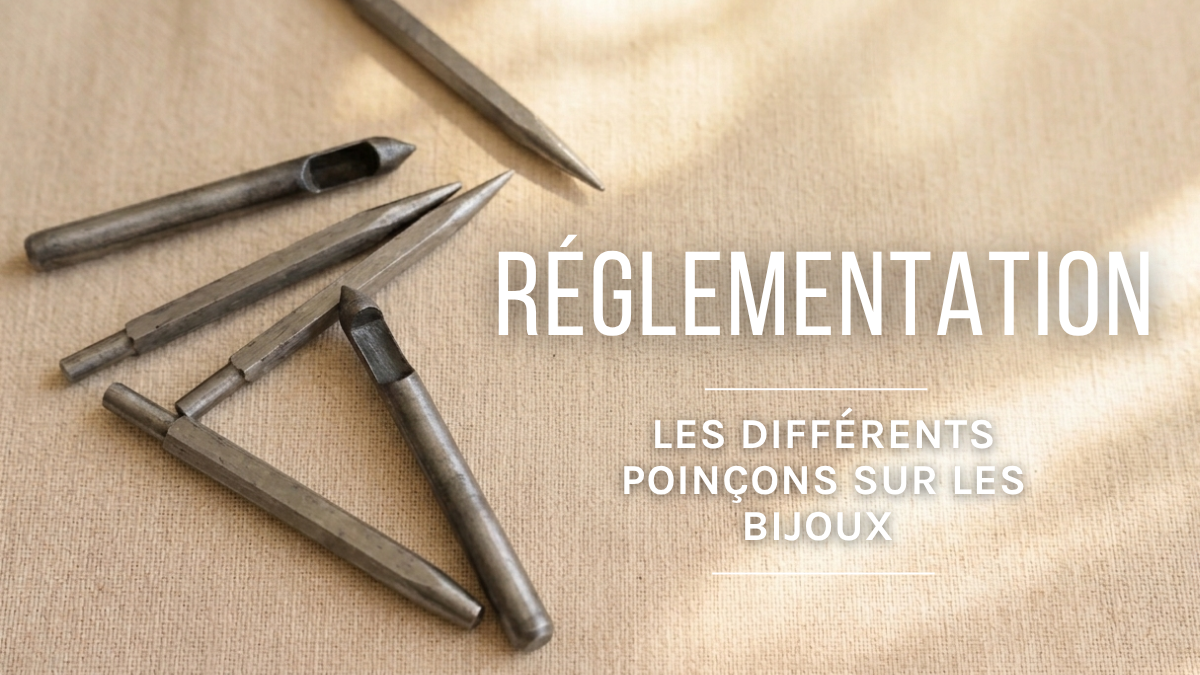
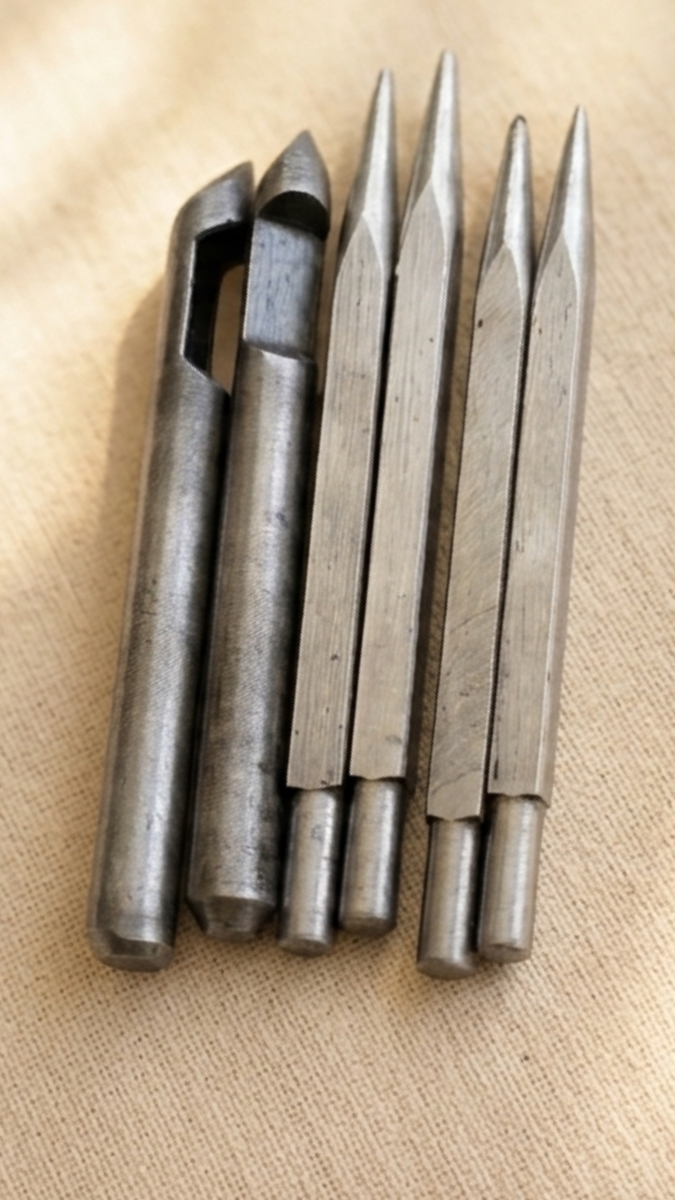
A hallmark is a discreet mark left on a piece of jewelry. This mark is struck by a tool bearing the same name.
It's a way of guaranteeing the precious metal content. And there are several of them, for Gold, Silver and Platinum.
Each piece of gold, silver or platinum may bear two hallmarks, located side by side:
- The maker's hallmark, also known as the master hallmark: this is the one that concerns you, if you're the one making the jewel. It is diamond-shaped for all precious metals legally manufactured in France. It is completed by the jewel maker's initials and a symbol of his choice.
- The importer's hallmark, also known as the responsibility hallmark, is oval in shape and also bears the jewel importer's initials and a symbol of his choice.
- The title or guaranteehallmark: this differs according to the metal used and its quality.
To find out everything you need to know about your obligations as a manufacturer or retailer, consult our Infosheet Obligations for the sale of precious metal jewelry.
Guarantee hallmarks are affixed manually, or by laser with authorization:
- by the professional himself, if he is authorized (i.e. if he has signed an authorization agreement with the customs office),
- by the office of guarantee,
- by an approved inspection body (OCA).
Where to find the hallmark?
Hallmarks are not always located in the same place. Sometimes you need a magnifying glass to distinguish them.
Please note: if there's no hallmark on your jewel, it doesn't mean it's a fake. Some jewels are exempt from hallmarking:
- Gold or platinum jewelry weighing less than 3g. However, these pieces must bear the manufacturer's hallmark.
- Silver jewelry weighing less than 30 g. However, such jewelry must bear the manufacturer's hallmark.
- Certain creations too thin or fragile to bear the hallmark.
- Jewelry made before 1838 or later, and bearing an old French guarantee hallmark.
- Jewelry from the European Economic Area or Turkey, already bearing a manufacturer's hallmark or a liability hallmark, and a registered title hallmark.
You may not see any marks on antique or second-hand jewelry. This is because time has taken its toll, and wear from acidic skin, rubbing or sweat can cause the hallmark to disappear.
What are the gold hallmarks?
The best-known and most common hallmark is the eagle's head. But there isn't just one hallmark for gold, there are several depending on the gold content of the jewel.
Please note: for white gold, the hallmarks are the same as for yellow gold.
 Seahorse hallmark Seahorse hallmark
| 24K
guaranteed grade: 999/1000 | For pure gold, present on ingots. It is rarely used on jewelry, as it is too soft. Only the office of guarantee is authorized to affix it. It is sometimes replaced by the number 999. |
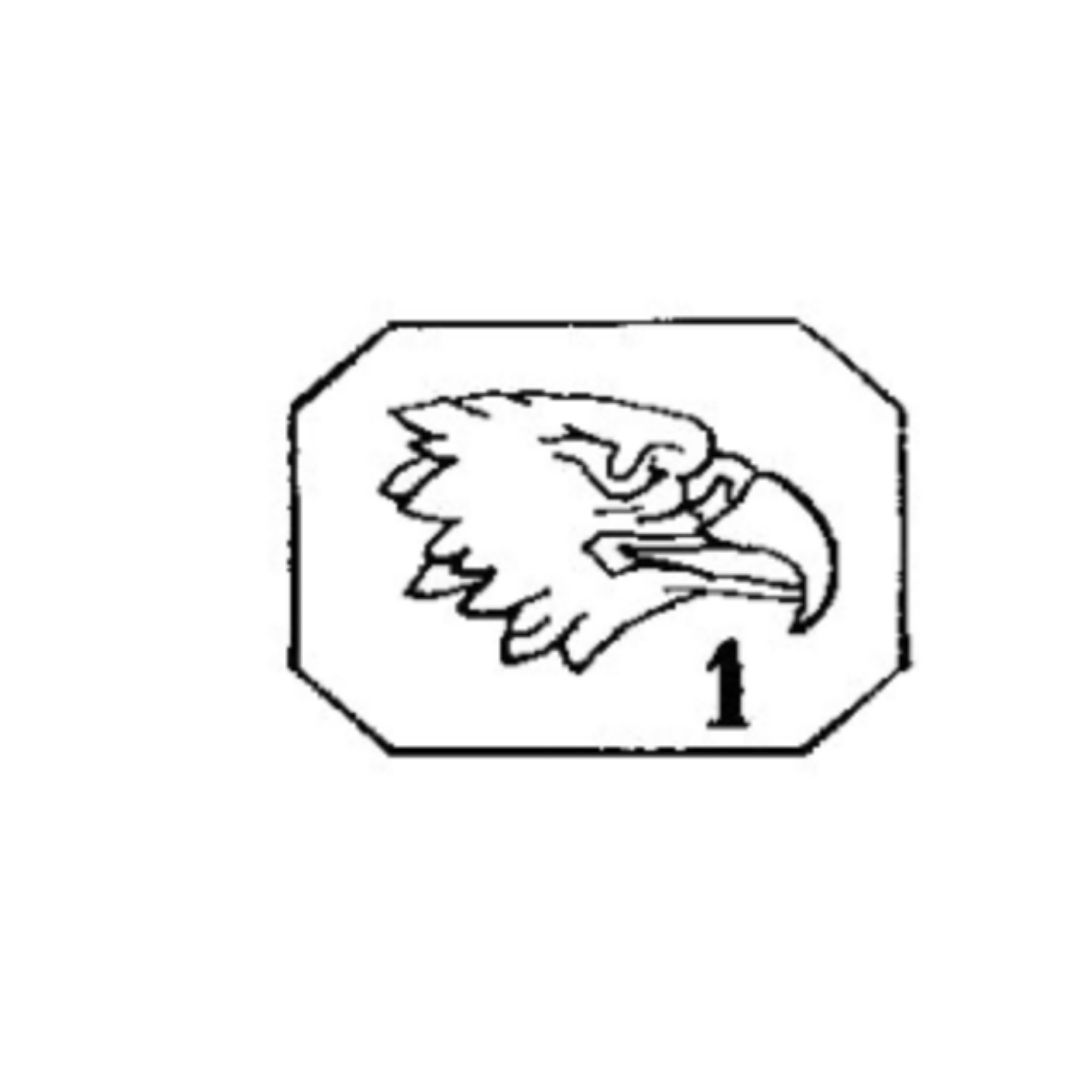 Eagle head hallmark 1st title Eagle head hallmark 1st title
| 22K
guaranteed grade: 916/1000 | This is a title hallmark, and is therefore affixed by the warranty office. It applies only to new pieces weighing 3 g or more. |
 Eagle head hallmark 3rd title Eagle head hallmark 3rd title
| 18K
guaranteed grade: 750/1000 | This is a title hallmark, and is therefore affixed by the warranty office. It applies only to new pieces. |
 Eagle head hallmark Eagle head hallmark
| 18K
guaranteed grade: 750/1000 | This is a guarantee hallmark, which manufacturers can affix themselves within the framework of the hallmark delegation. It is the most common hallmark for both new and second-hand jewelry. It guarantees French origin. |
 Owl hallmark (introduced in 1994) Owl hallmark (introduced in 1994)
| 18K
guaranteed grade: 750/1000 | Guarantees second-hand jewelry of foreign or uncertain origin. |
 Scallop hallmark (introduced in 1994) Scallop hallmark (introduced in 1994)
| 14K
guaranteed grade: 585/1000 | For both new and used jewelry. |
 Three-leaf clover hallmark Three-leaf clover hallmark
| 9K
guaranteed grade: 375/1000 | For both new and pre-owned jewelry |
Please note: precious metal jewelry is also subject to REACH regulations on chemical substances. Find out more about REACH regulations and what they mean for your creations.
What are the hallmarks for silver?
For silver, the best-known and most commonly used hallmark is the Minerva head. But silver also has several hallmarks, depending on the silver content of your jewelry.

Amphora hallmark
(introduced in 2002) | guaranteed grade: 999/1000 | This hallmark applies to pure silver, and can be seen in particular on ingots. It is very rare on jewelry. |

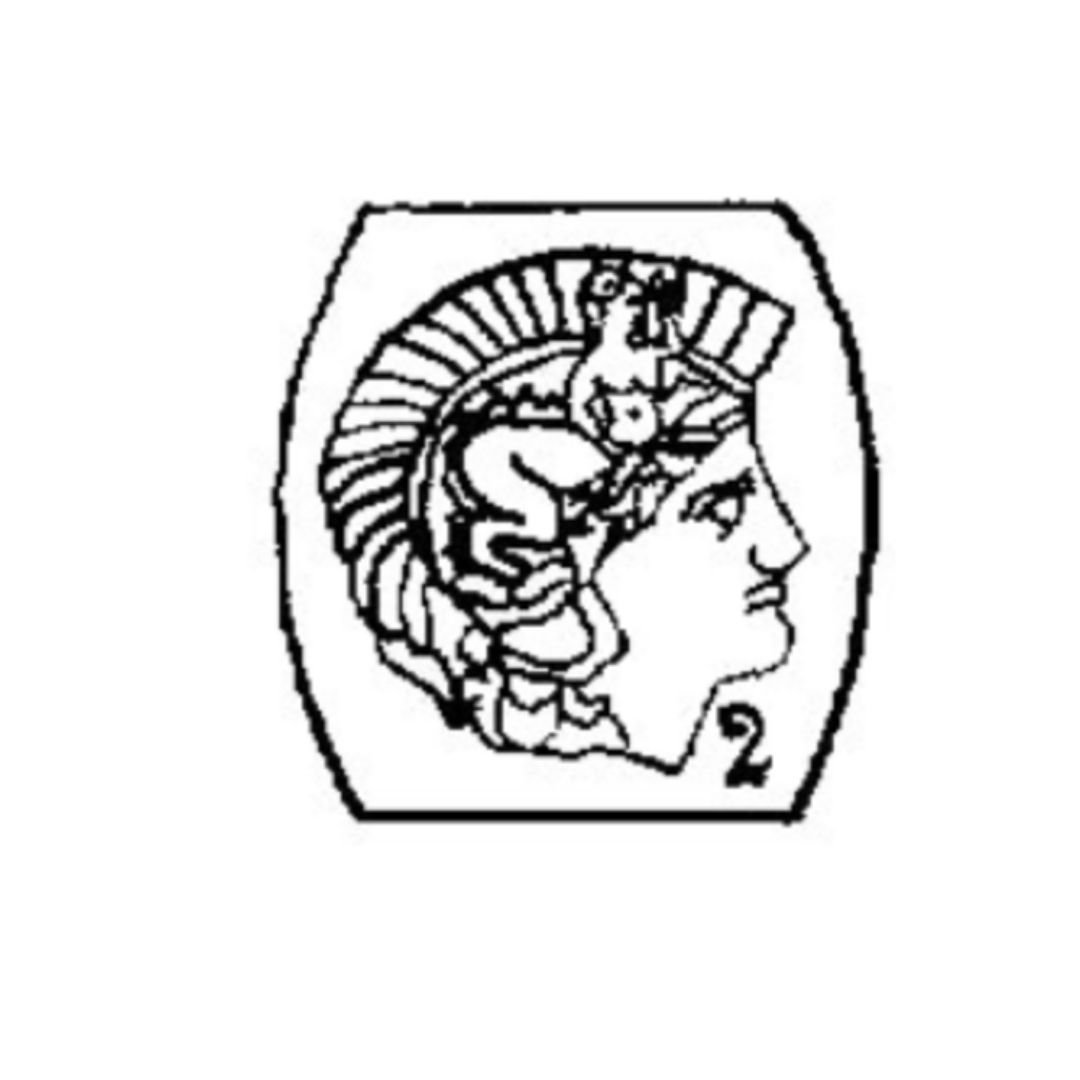
Minerve head hallmark 1st grade (introduced in 1973) | guaranteed grade: 925/1000 | This is a title hallmark, and is therefore affixed by the warranty office.
It applies only to new coins weighing 30 g or more.
The letter on the right-hand corner changes every 10 years. Today, we're at letter F, since 2025. The number 925 indicates 925 Sterling Silver. |
 Minerve head hallmark 2nd grade Minerve head hallmark 2nd grade
| guaranteed grade: 800/1000 | This is a hallmark of title, and is therefore affixed by the warranty office.
It applies only to new pieces. |
 Minerve head hallmark (introduced in 1994) Minerve head hallmark (introduced in 1994)
| guaranteed grade: 800/1000 | This is a guarantee hallmark, and can be applied by manufacturers. It is the most common, and applies to both new and second-hand creations, provided they are of French origin. |
 Swan hallmark (introduced in 1919) Swan hallmark (introduced in 1919)
| guaranteed grade: 800/1000 | This mark is used for imported second-hand items of unknown or uncertain origin. |
What is the hallmark for platinum?
Not only gold and silver, platinum also has different hallmarks. For platinum, the best-known and most widely used is the Dog's Head.

Emperor Penguin hallmark | guaranteed grade: 999/1000 | For pure platinum, as seen on ingots. |
 Dog head hallmark 1st grade Dog head hallmark 1st grade
| guaranteed grade: 950/1000 | This is a title hallmark, and is therefore affixed by the warranty office.
It applies only to new coins weighing 3g or more. |
 Dog head hallmark 2nd title Dog head hallmark 2nd title
| guaranteed grade: 900/1000 | This is a title hallmark, and is therefore affixed by the warranty office.
Rarely used, it only concerns new pieces. |
 Dog head hallmark 3rd title Dog head hallmark 3rd title
| grade : 850/1000 | This is a title hallmark, and is therefore affixed by the warranty office.
It applies only to new pieces. |
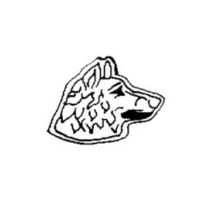 Dog head hallmark Dog head hallmark
| guaranteed grade: 850/1000 | This is a guarantee hallmark, which manufacturers can affix themselves, following the delegation of precious metals certification.
It is the most common hallmark for platinum jewelry.
Note: before 1994, there was a dog-head hallmark guaranteeing the 950/1000 grade. |
 Mascaron or bearded man's head hallmark Mascaron or bearded man's head hallmark
| guaranteed grade: 850/1000. | For second-hand jewelry, of French origin or of unknown or uncertain origin |
What is the gold-plated hallmark?
For gold- and silver-plated jewelry, the master hallmark is a square for items manufactured in France or imported from a member state of the European Union.
This square hallmark features various inscriptions. The initials of the manufacturer are usually included.
For gold plating, there may, for example, be a number to indicate the thickness of the plating or the weight of gold used, or the letter G for "galvanic gilding".
For silver plating, there is often a number. This indicates the amount of silver used to plate the jewel.
Gold- and silver-plated jewelry, on the other hand, do not have a guarantee hallmark.
The European Common Control Mark (CCM)
The European hallmark, known as the CCM (Common Control Mark), stems from the Vienna Convention. It was created to facilitate the international circulation of precious metal jewelry between signatory countries. It takes the form of a scale, surrounded by a geometric pattern specific to each metal, with a number indicating the metal's title, i.e. its purity.
This hallmark is recognized in all countries that have signed the Convention. Jewelry bearing it can therefore circulate without having to be inspected or hallmarked again by the country of arrival.This explains why some jewellery imported from Europe does not bear the traditional French hallmarks, such as the eagle's head for gold or the Minerva head for silver, even though it is perfectly compliant.
The most common titles with the CCM hallmark:
- Gold: 999, 750 (18K), 585 (14K), 375 (9K)
- Silver: 999, 925, 830, 800
- Platinum: 999, 950, 900, 850
If you buy or resell jewelry from Germany, the Netherlands, Austria or the Nordic countries, you will very often come across this "balance" hallmark in place of the traditional French hallmarks.