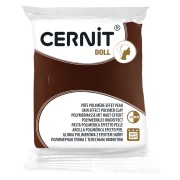
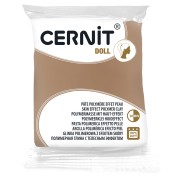
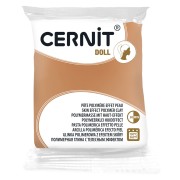
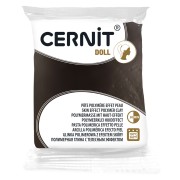
Free shipping on orders over 50€ up to 500g
French Online shop for beads and accessories for the creation of DIY jewellery and other creative hobbies
Log-in
0
Shopping cart
Shopping cart
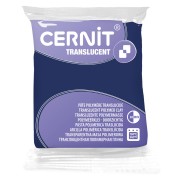
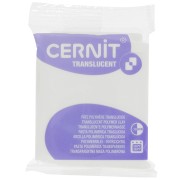
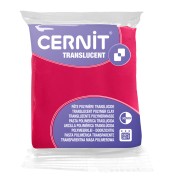
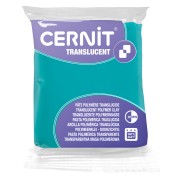
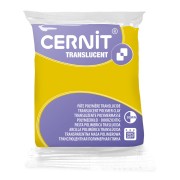
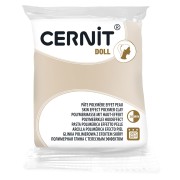
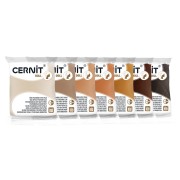
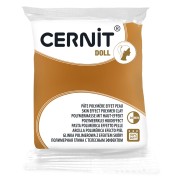
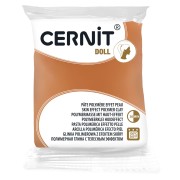
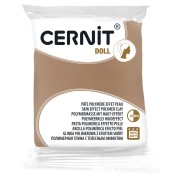
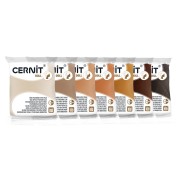
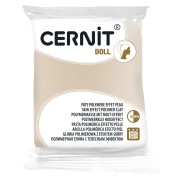
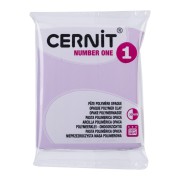
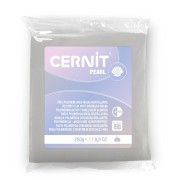
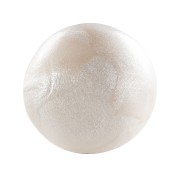
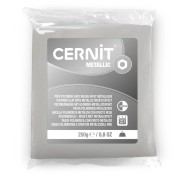
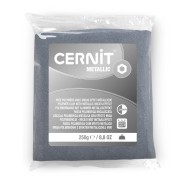
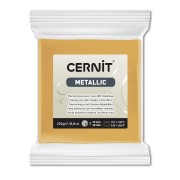
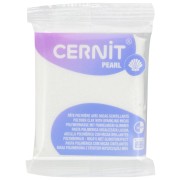
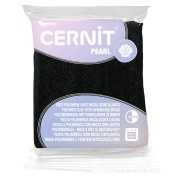
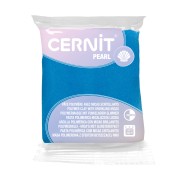
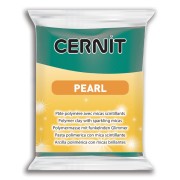
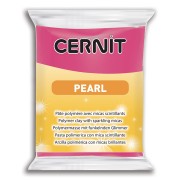
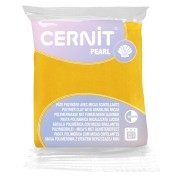
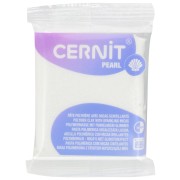
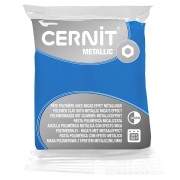
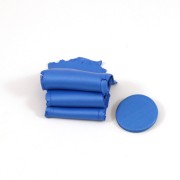
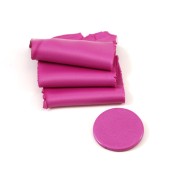
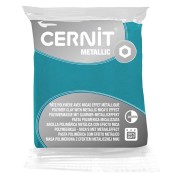
Discover the full range of Cernit pastes: soft, easy-to-model polymer clay, ideal for creating jewelry, figurines and DIY accessories. Opaque, metallic, pearlescent, translucent, neon... choose your range and from hundreds of colors to bring all your creative ideas to life.
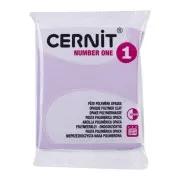


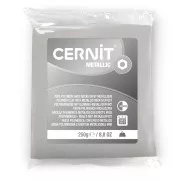
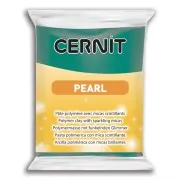
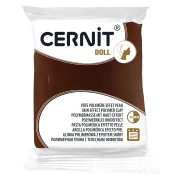
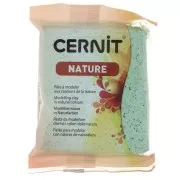
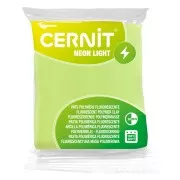
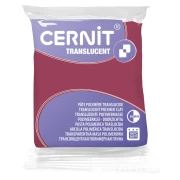
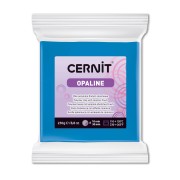
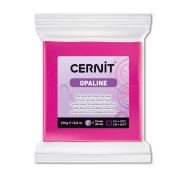
Cernit is a polymer clay widely used by designers. It can be baked in an oven at 120° to 130°C for 30 minutes, leaving a shiny, solid and professional finish.
Whether you're just starting out or are a seasoned designer, its advantages make it a sure bet:
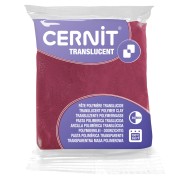
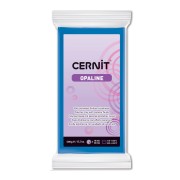
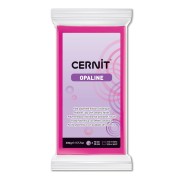
This exceptional finish is what this brand is known for. As a wholesaler of Cernit paste, we offer you various ranges of the brand that can be mixed with each other and with different finishes:
When you're a beginner, it's sometimes hard to know which polymer clay to choose ! We compare Cernit vs Fimo for you! Fimo clay is indisputably the best-known polymer clay. It's great fun to model, and there's a wide choice of colors.
You'll find Fimo air which is a self-hardening paste, Fimo Soft which is very supple, Fimo effect which has a metallic, glittery or translucent look, and Fimo professionnal which is rather firm.
Cernit is a very soft, malleable polymer clay. It lies somewhere between Fimo Soft and Fimo Classique.
Have fun mixing Fimo and Cernit to achieve original results. Take a look at our Cernit paste tutorials , such as our imitation tortoiseshell ear rings, or learn how to work with Cernit Metallic to create Mica Shift effect earrings.
New to polymer clay? We've put together a list of essential materials to get you started, and our tips and technical sheets will help you make beautiful jewelry with Cernit and polymer clay.
Cernit paste is generally softer and more malleable than classic Fimo, falling somewhere between Fimo Soft and Fimo Professionnal. It is particularly well known for its glossy finish after polishing and high strength after firing. Both brands can be mixed to create customized effects.
Yes, all Cernit ranges can be mixed together. You can mix them to play with effects and colors.
Absolutely. Its suppleness makes it easy to condition (prepare the paste by kneading), even for the most inexperienced hands. It's perfect for learning techniques such as shading, marbling or polymer canes.