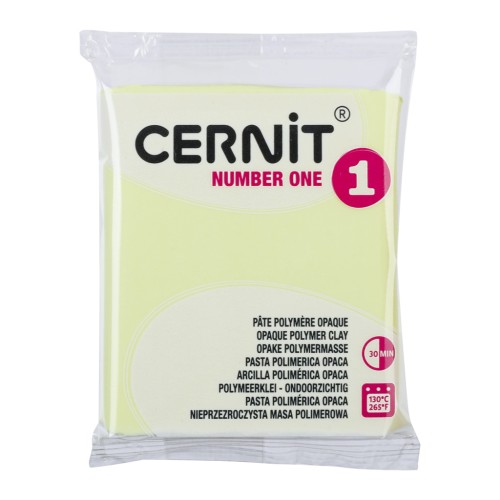
The Cernit Number One range is the brand's classic range, suitable for all types of modelling.
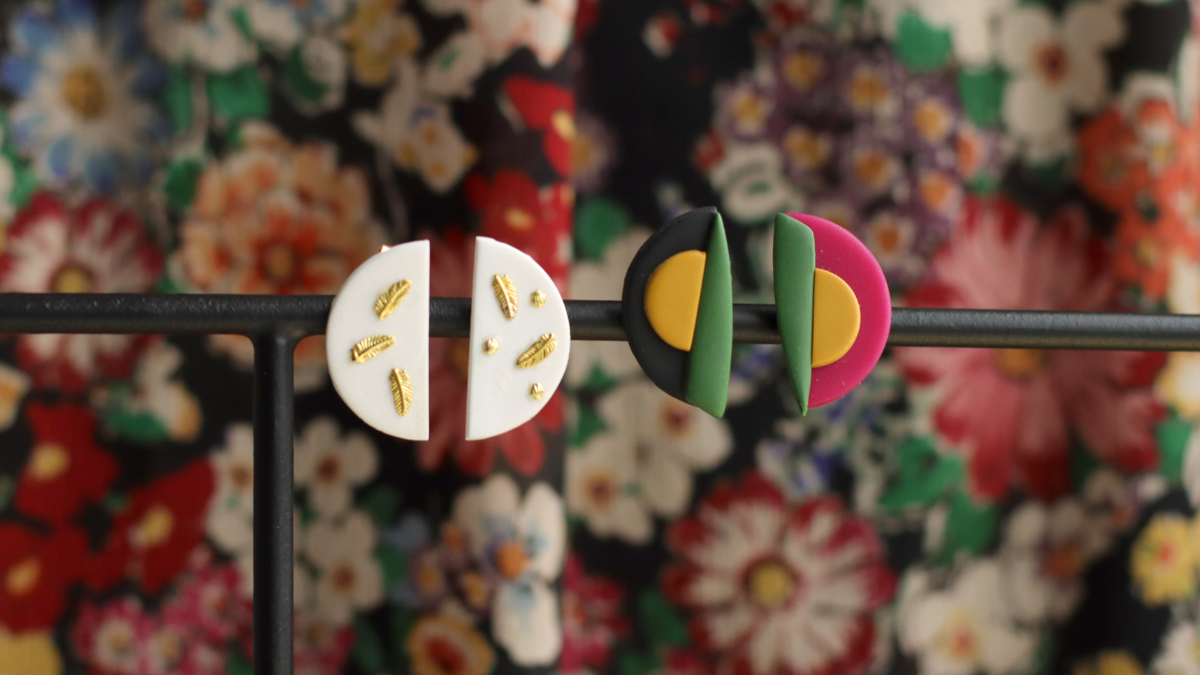
What is Cernit clay?Cernitclay is a soft polymer clay that's easy to work with. The opaque finish of Number One colors is ideal for working with the cane technique without the problem of color changes after firing. Cernit Number One 100% opaque is used to make beads, cabochons and other shapes for DIY jewelry. It's also possible to make small figurines or miniature sweets with this Cernit range. Discover a wide range of colors on our site and have fun mixing them to create new ones. Note that they are miscible with other Cernit clay.
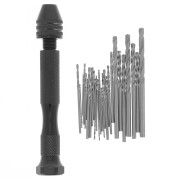
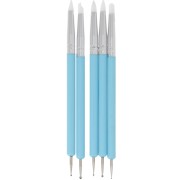
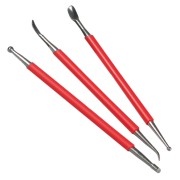
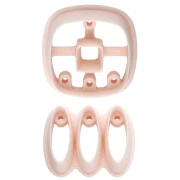
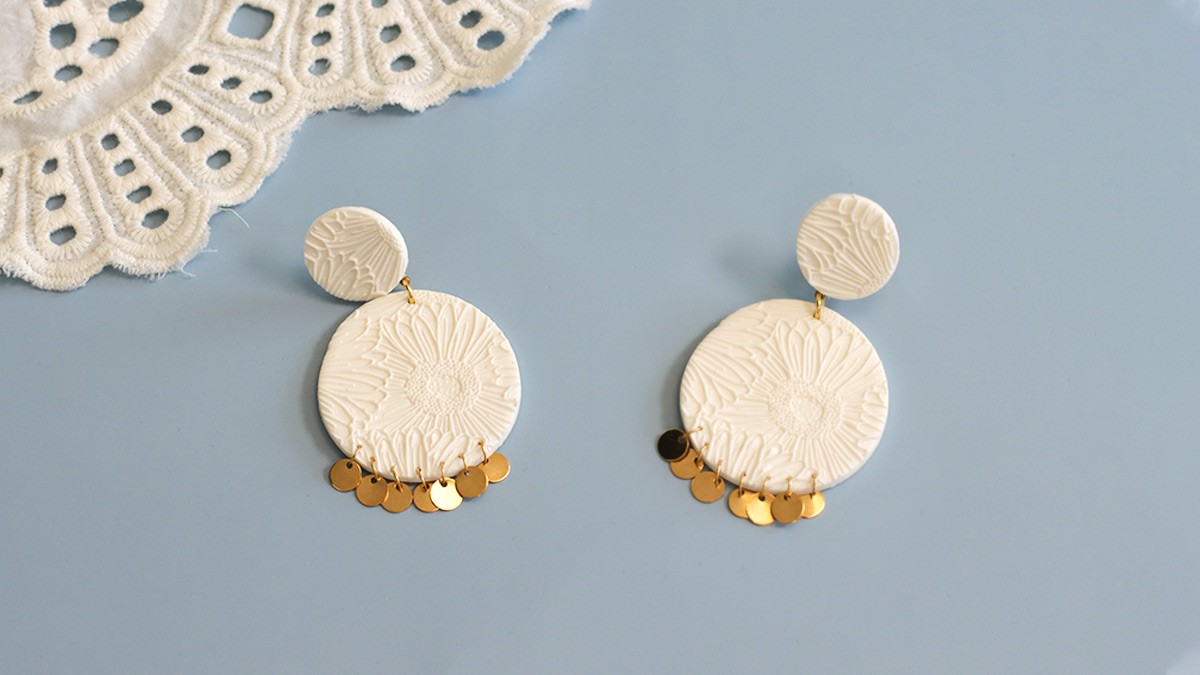
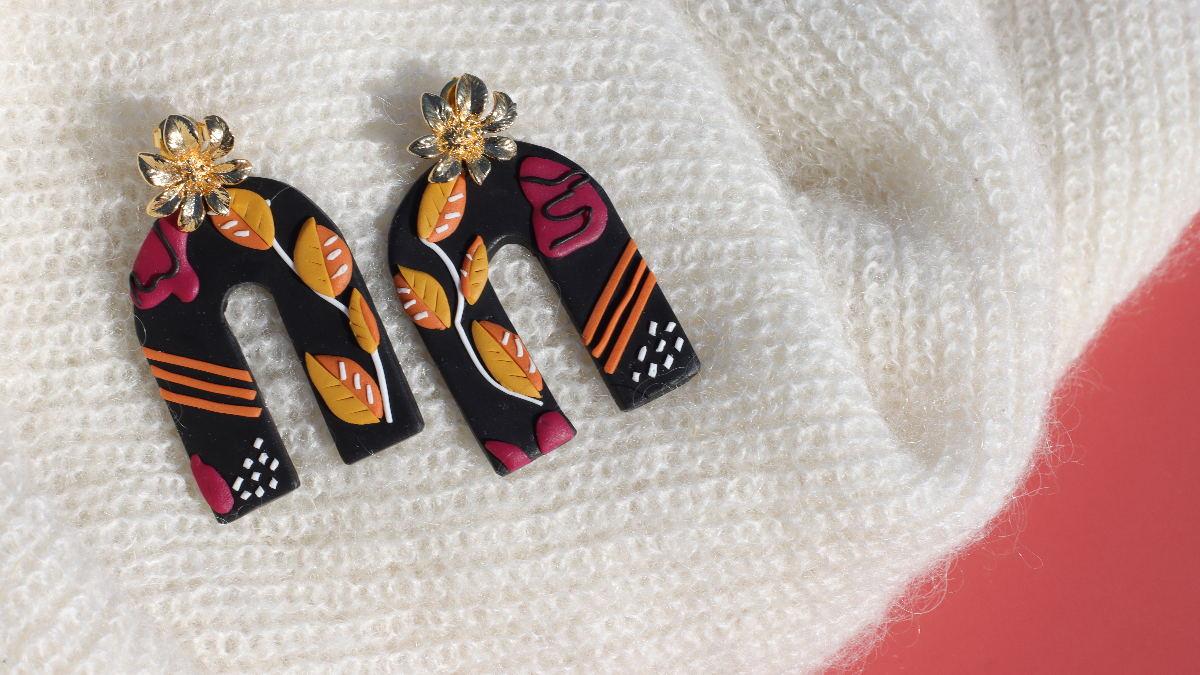
Use modeling tools and texture plates, silkscreens or wooden rollers to give your creations relief. You can also use cookie cutters or templates to vary the shapes of your creations.
Firing Cernit polymer clay:
1. Cut a piece of Cernit. Always work the clay with clean hands on a clean surface.
2. Preheat your electric oven to between 110°C and 130°C / 230°F and 266°F. Do not use a microwave oven.
3. Bake for a maximum of 30 minutes.
4. After baking, your Cernit Number One creations will be solid and flexible (depending on the thickness of your creations). You can still work with them: sculpting, sanding, painting.... Cernit clay is the shiniest clay after sanding.
How to store Cernit clay once opened: we recommend that you store your cernit clay at room temperature in crystal paper, then in an airtight box. Be careful not to put Cernit clay in contact with PVC, polystyrene or expanded polystyrene.
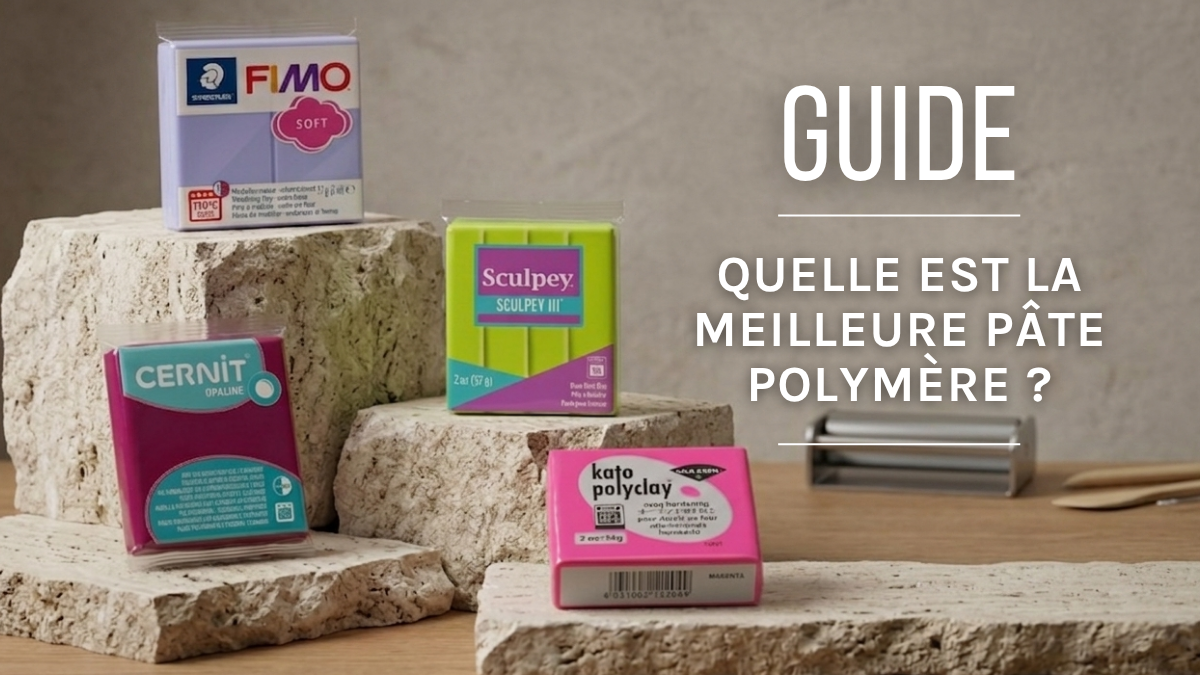
Less well-known than Fimo clay, Cernit has many advantages. It doesn't stick to fingers, doesn't stain and is odorless. These are the arguments that will help you choose between Cernit and Fimo. What's the difference between Cernit and Fimo clay? When you're a beginner, it can be hard to know which polymer clay to choose ! We've compared the different brands of polymer clay for you . After that, it'll be easy for you to choose your clay.
Take a look at our Cernit tutorials for inspiration, such as the CERNIT polymer clay citrus earrings or the Tagua seed necklace.
New to polymer clay? We've put together a list of the materials you'll need for Cernit, Fimo and other types of clay. Our tips and technical sheets will help you make beautiful jewelry with Cernit and polymer clay.
Need ideas and tips? Visit Cernit's Instagram page to discover its creations, tips and news
Details:
Weight: 56 g
Warning:
- Only for children over 8, under adult supervision - precautions for use must be made clear to children before use.
- Safety standards EU EN 71/1/3/5/9.
- Do not put in mouth.
- Do not exceed cooking temperature - maximum 130°C / 266°F, harmful gases may develop - or maximum cooking time of 30 minutes,
- Do not eat, drink or smoke in the working area.
Sold per 1 piece.