Average Grades
Bonjour, peut-on poncer les bords de formes en fimo leather effect (B.O. par exemple), pour un fini plus net ? Merci !
1 Answer
Show answers


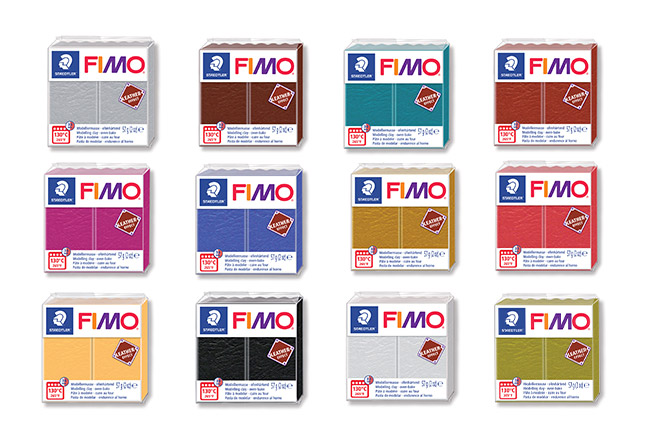
Fimo leather effect clay is distinguished by its ability to imitate the texture of leather with 12 colors inspired by leather goods. Soft and slightly grainy, it can be used for a variety of creative projects, but is not suitable for techniques requiring precise patterns. For creations requiring an authentic leather look, this clay is the best option thanks to its shape memory and matte finish.
Fimo Leather is a range of polymer pastes in 12 colors. These pastes have the particularity of being able to imitate the texture of leather perfectly, thanks to their suppleness and elasticity even after baking, and their texture with a grain that reproduces the leather effect.
This polymer clay can be folded and sewn once baked and cooled, making it ideal for all projects imitating leather goods, pouches, card holders, cases, etc.
The 12 colors in this range are directly inspired by the dyes used on leather goods. You'll find Ochre, Grey, Walnut, Lagoon, Ivory, Saffron, Rust, Magenta, Watermelon, Olive and Indigo. All these colors can be mixed together to obtain new colors, so you can obtain pastel colors by mixing a hint of color with ivory paste. All colors are highly pigmented, and if you don't want your hands to be colored, you'll need to wear gloves!
Fimo cuir is soft like Fimo soft and slightly grainy. It looks like it contains vegetable fibers, and its texture is similar to Fimo air or Sculpey soufflé. It's these grains that give the paste its elasticity once baked, and that leathery, even fabric-like appearance, depending on the colors you're working with.
Fimo leather effect retains its leather look even when it's rolled in the dough machine. This effect will only disappear if you smooth the surface with a roller or a card, and you mustn't sand the fired paste, which would become too smooth and lose its particularity.

Appropriate techniques
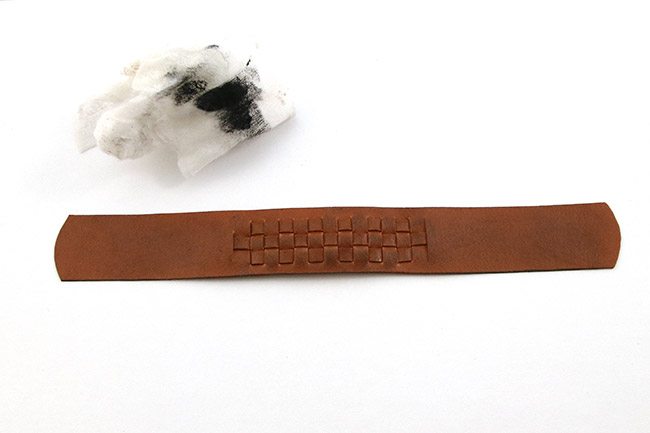
- Patina your leather-effect Fimo surface before firing with acrylic paints, micas or dry pastels. Only use acrylic paints once the clay has been baked.
- Use silkscreen and paints on raw dough
- Obtainpretty gradations, but run your dough colors through the dough machine a little longer than with a more conventional range.
- Use texture texture platesThe result, once patinated with acrylics, is superb.
Techniques to avoid
- It's not the ideal paste for making canes, because the grains in the paste won't make the pattern lines precise enough. Cutting thin, even slices is also difficult, as the paste tends to stick to the blade and stretch.
- Scalping techniques such as hidden magic or mokumé are also difficult to do.
- Don't varnish your finished creations - you'll lose all the leather effect and they'll look like plastic.
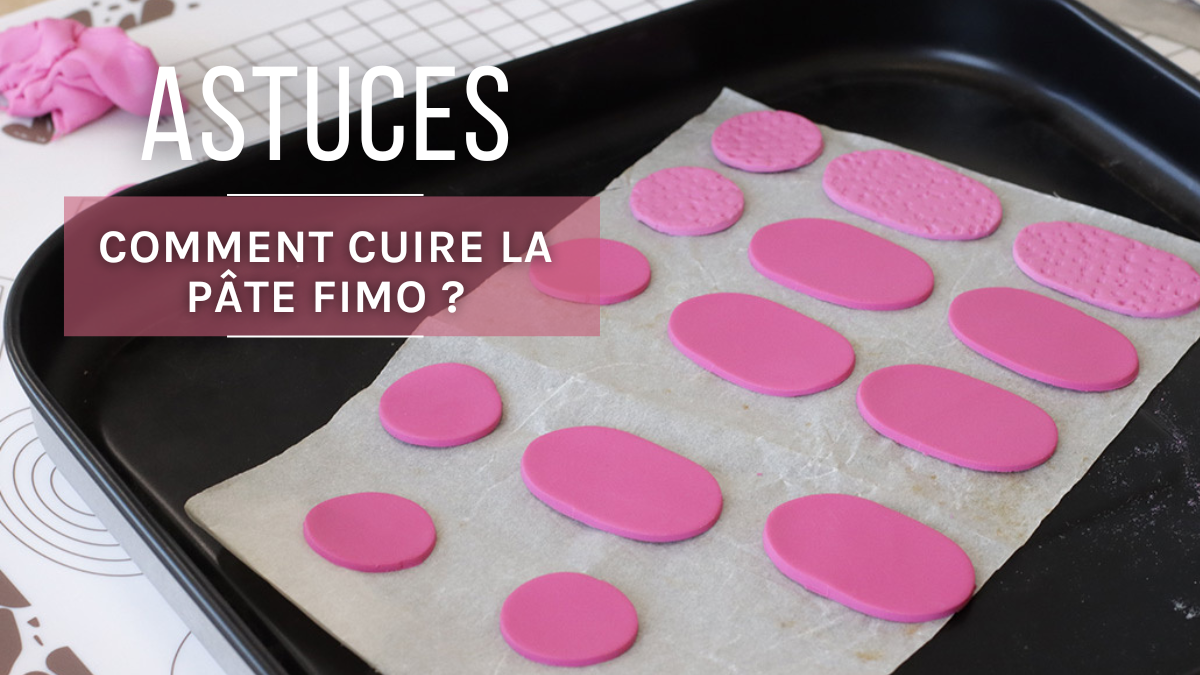
The bakingtime is the same as for all Fimo brand pastes: it bakes at between 120 and 130°C in the oven for 30 minutes.
Good to know:
1. This Fimo paste shrinks by around 5% during baking, so if you need to wrap a template, for example, you'll need to work a little wider than the piece to be covered. This can happen if you choose, for example, to make a card holder with very precise measurements.
2. It has a shape memory: if you have baked your dough flat and then need to fold it or give it another 3-dimensional shape, never bake your creation a second time, as it will break in a few minutes.
3. Work your dough as finely as possible in the MAP for all your projects that require flexibility after baking.
4. Once baked in slab form, it can be easily cut with a chisel or punch.
5. This paste range brings the matte effect of polymer clay back into fashion, and what a joy it is not to have to sand and polish to get a nice finish. It offers a wealth of possibilities and opens the door to imitations of textile creations. You can add accessories like snaps or zippers to your creations, and of course you can sew the different parts together.
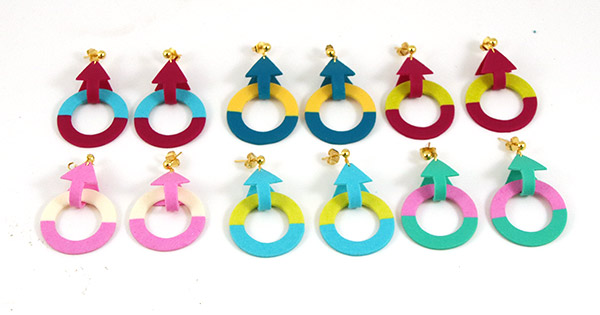
Karine aka Akak explains step by step how to make jewelry with leather-effect Fimo clay. You can choose between :
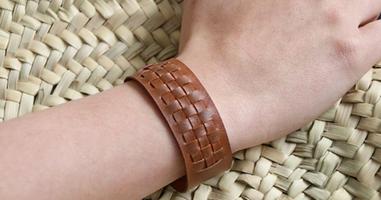

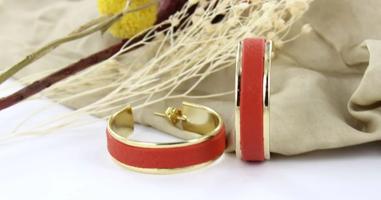


There's no shortage of creative ideas: have fun making a key-ring, a piece of jewelry, a decorative object... You'll find all the tools you need tools and supplies for working with fimo clay: extruder, clay machine, molds, cutters...


Credits
Perles & Co, Internet & E-Commerce company [10/07/2019] Any reproduction, representation, adaptation, in any form whatsoever, even partial, is prohibited, except for reproduction for private use not intended for collective use, representation in the family circle (art. L 122-5 CPI) and online publishing on condition that the source is mentioned and a link is included to the corresponding page of our site www.perlesandco.com.