Average Grades

Ma pâte fimo à sécher comment faire pour la récupérer
1 Answer
Show answers

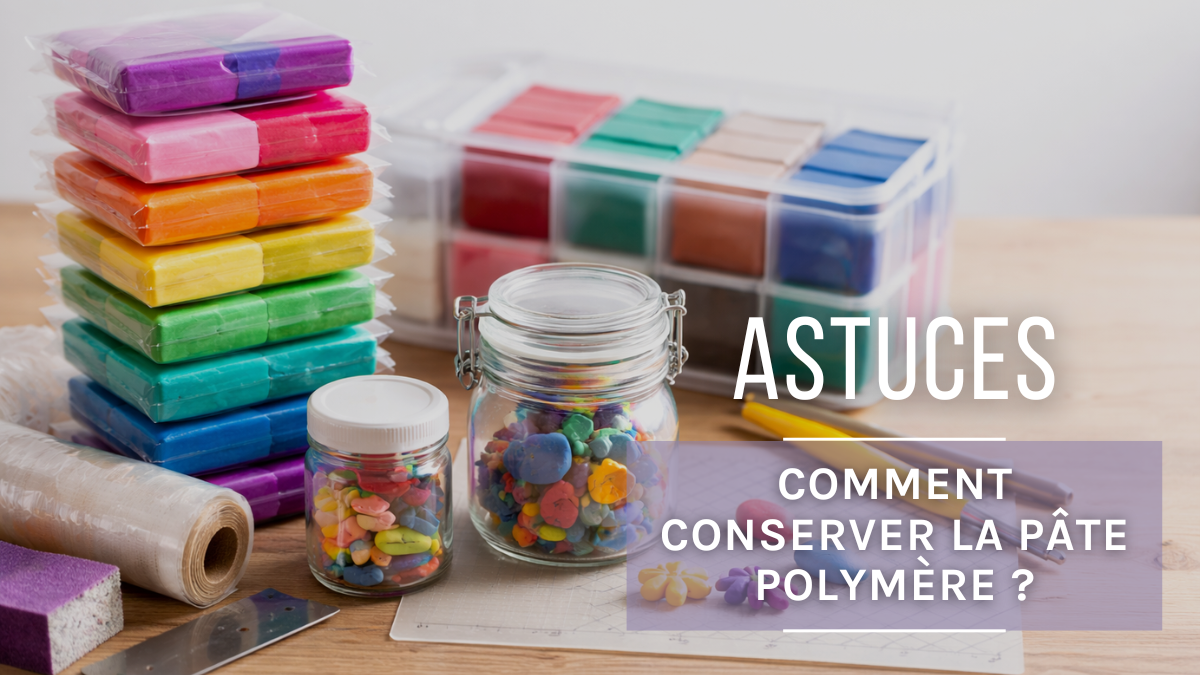
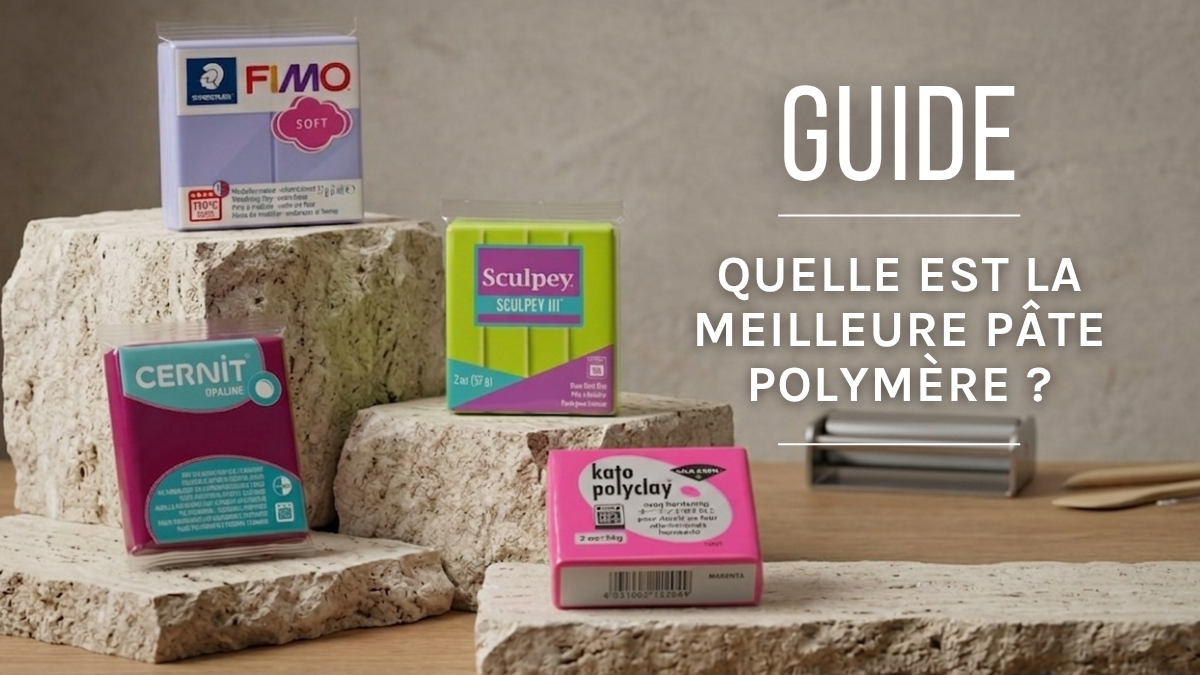
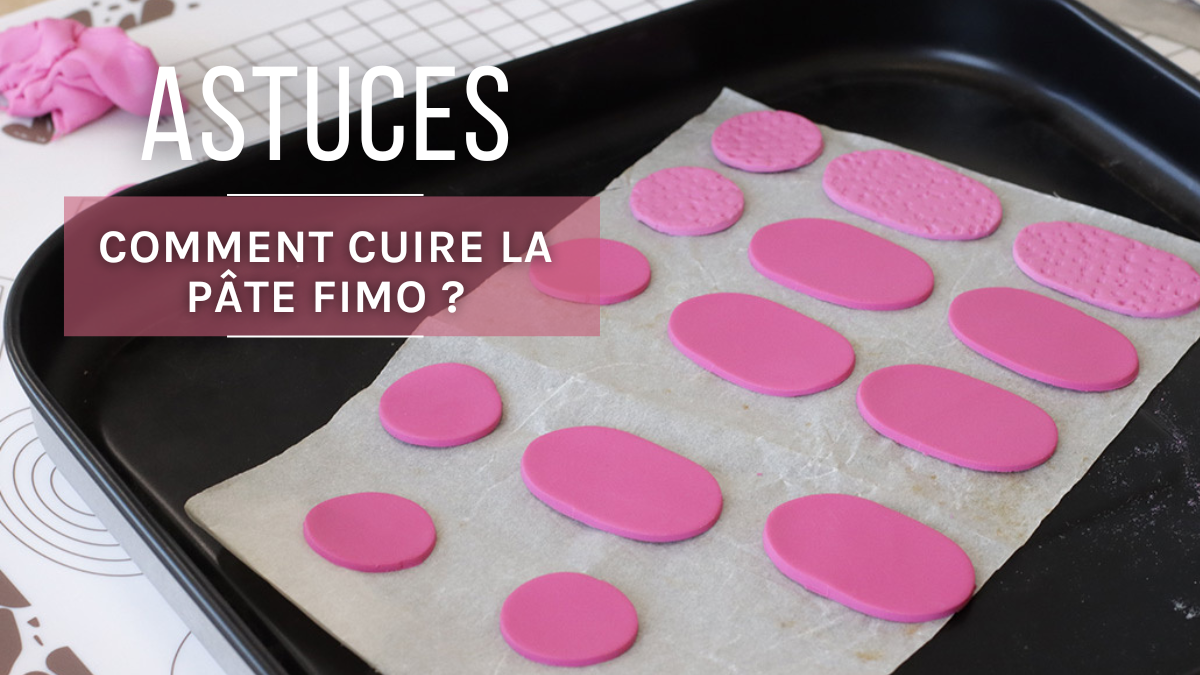
The most popular brands of polymer clay, such as Fimo, Sculpey and Cernit, require firing to harden. To preserve their quality, it's essential to store them at room temperature, preserve packaging after opening and use crystal paper to protect leftovers. Storing them in airtight boxes or ziplock bags also helps extend their shelf life.
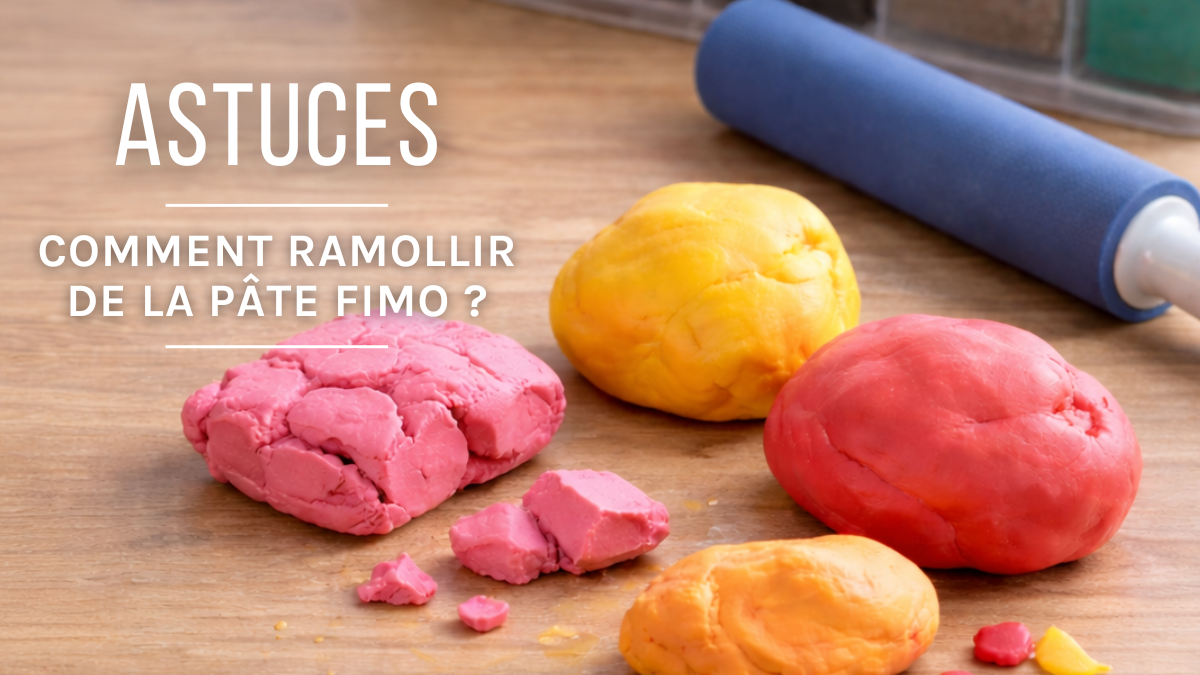
The best-known brands of clay are Fimo, Sculpey and Cernit. There are others, but they all work on the same principle. They must be baked to obtain a hard, unbreakable piece. Our raw material is therefore a malleable clay created from PVC and plasticizers.If left in a corner, it could become completely unusable because it's too dry and crumbly.
Here are a few tips for storing your polymer clay:
Your clay is heat-reactive. It can harden when it's cold and soften when it's warmer. And it's precisely these temperature changes that can make your clay brittle and unusable. Leave your loaves in a room at around 20 degrees.
Once you've opened your loaf of clay, you need to take the portion you need to create and repack the rest of the dough in its packaging. Add a little scotch tape to wrap your paper around it and hold it in place.

You can use crystal paper to wrap leftover polymers or canes you've modeled. This paper, which is also used to wrap bouquets in florist shops, doesn't cause the clay to react chemically and protects it. You'll find this paper at Perles and Co under the name papier bruissant.
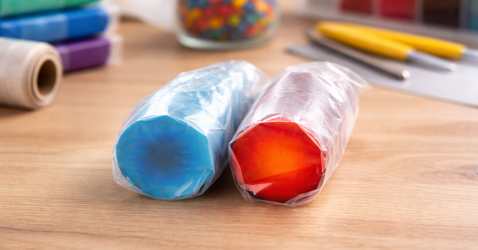
Once you've wrapped your leftover clay or canes in crystal paper or their original packaging, you need to store them in boxes that let as little air as possible get inside. Putting the clay in a Tupperware-style box, for example, or in plastic zip-top bags like the ones we use to package and sell our beads, is also a good recycling idea.

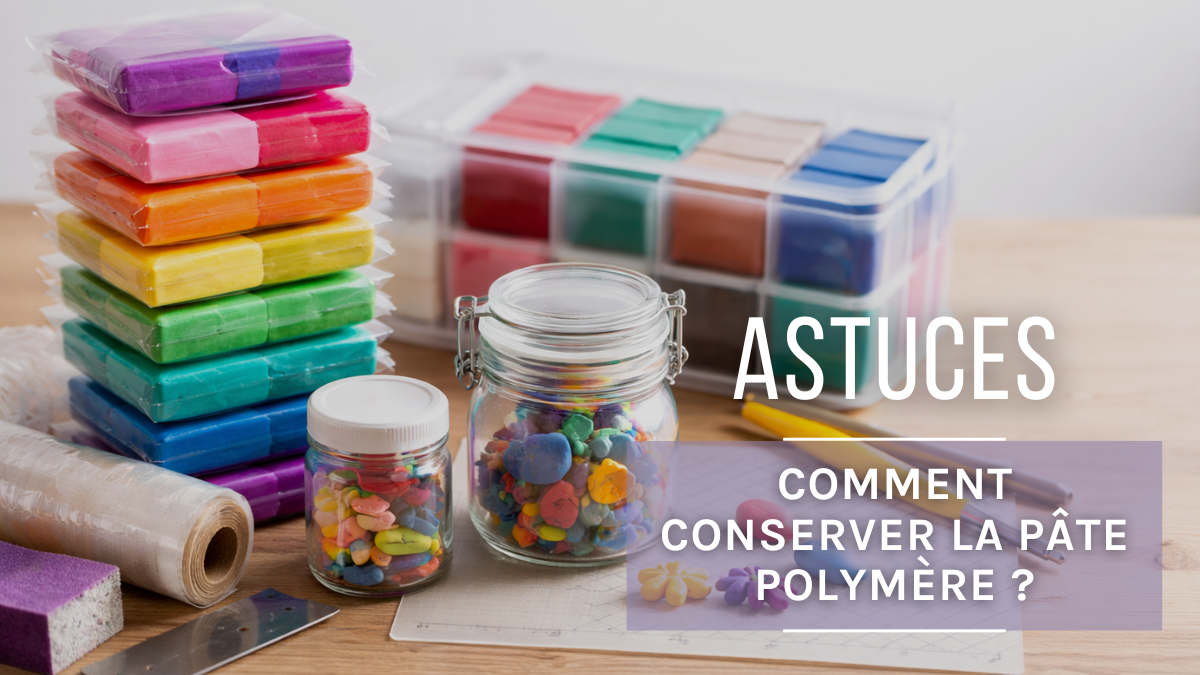
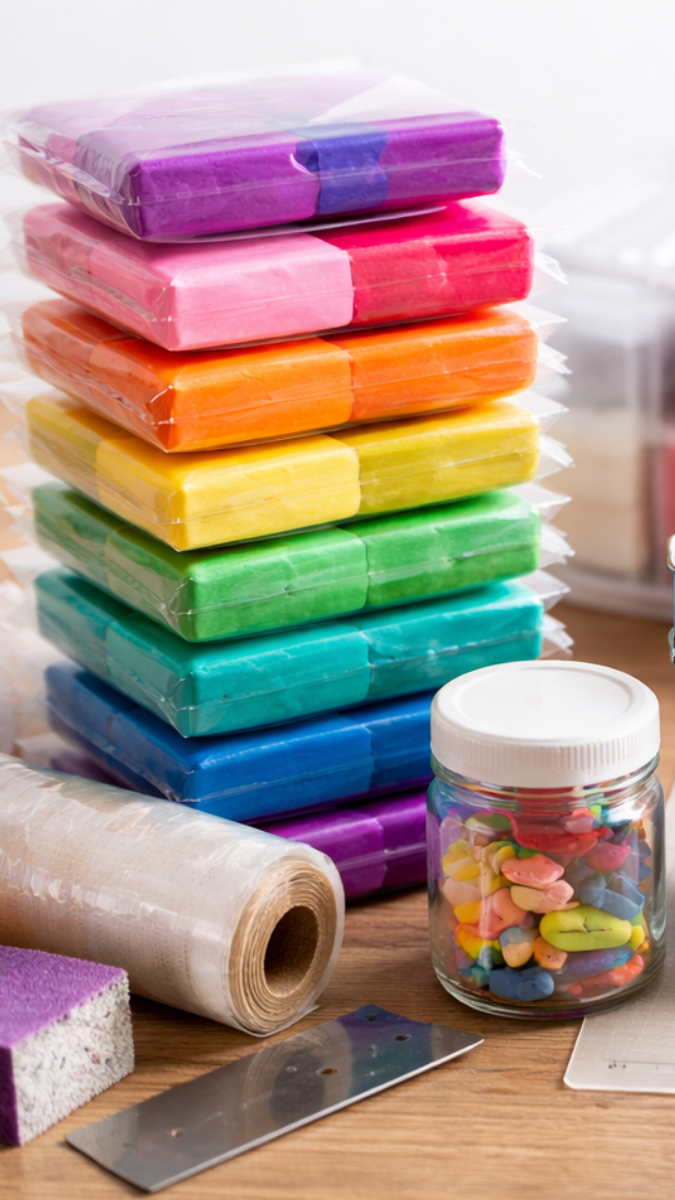
Polymer clay like Fimo can be kept for several years, provided it is stored properly (sheltered, well wrapped, etc.).


Credits
Perles & Co, Internet & E-Commerce company [03/02/2026] Any reproduction, representation, adaptation, in any form whatsoever, even partial, is prohibited, except for reproduction for private use not intended for collective use, representation in the family circle (art. L 122-5 CPI) and online publishing on condition that the source is mentioned and a link is included to the corresponding page of our site www.perlesandco.com.