Average Grades

comme'nt ramolir la pate fimo j ai esaye beaucoup de chose mais cele ne marche pas
1 Answer
Show answers

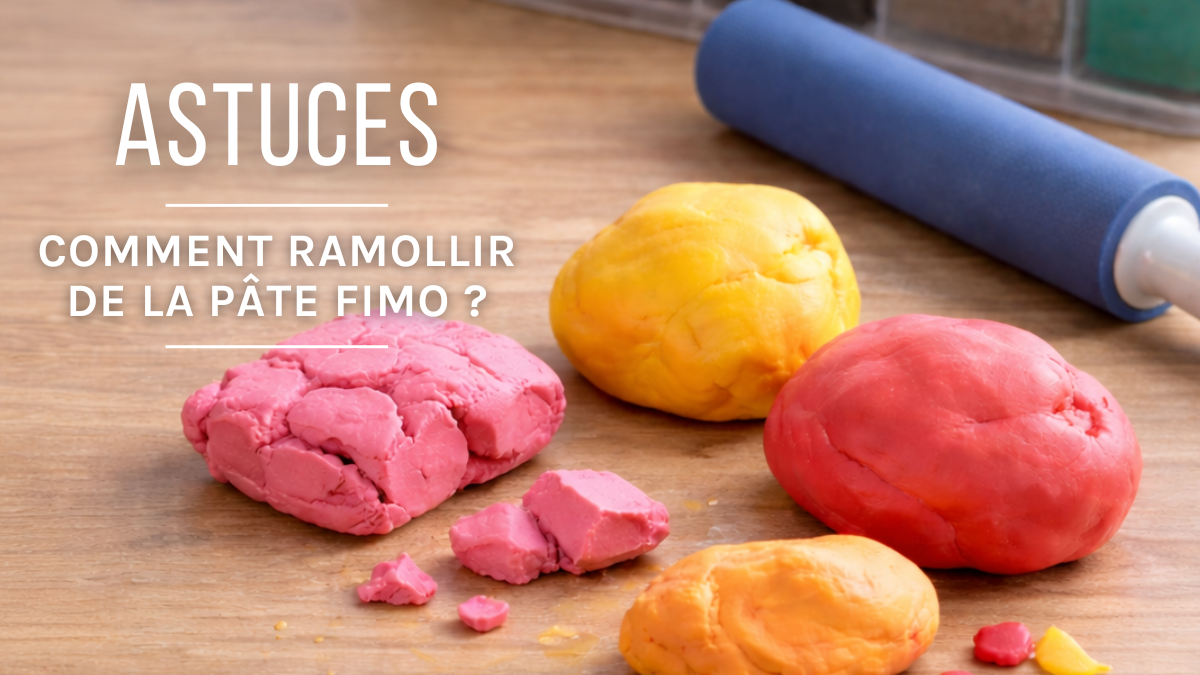
To soften Fimo clay that's too hard, you can knead it by hand, heat it near a heat source or use specific softeners such as Mix Quick or Sculpey softener. If the clay is very dry, adding liquid polymers or even moisturizing cream can help, but be careful not to damage the color. These methods don't always guarantee complete recovery, especially if the clay is too old.
How to make up for clay that's too hard? How do you soften Fimo clay? You're about to start creating with polymer clay, everything's ready, but when you open your loaf of clay, you realize that it's hard, too hard... Fimo clay has become rigid and difficult to use.
What can you do about it? Here are 5 tips to soften Fimo clay and give your polymer clay a second life:
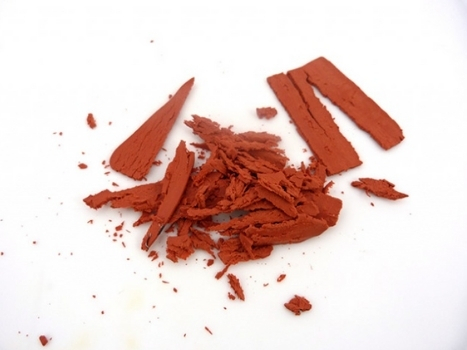
If your clay is slightly hard but not dry, you can try softening it by kneading it between your fingers or rolling it between your hands (clean hands, of course, to avoid mixing dust or dirt into the clay).
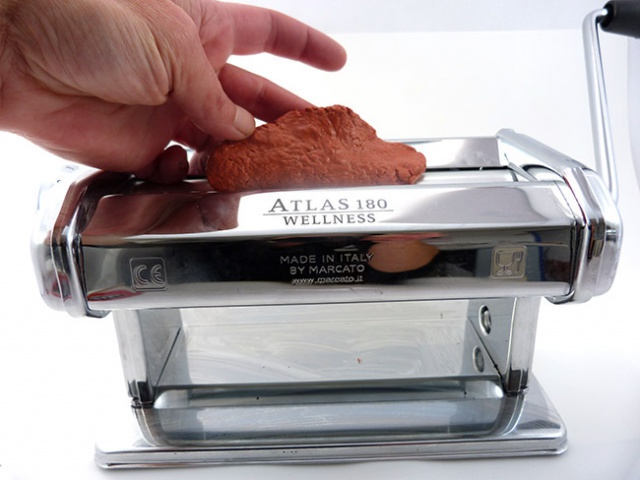
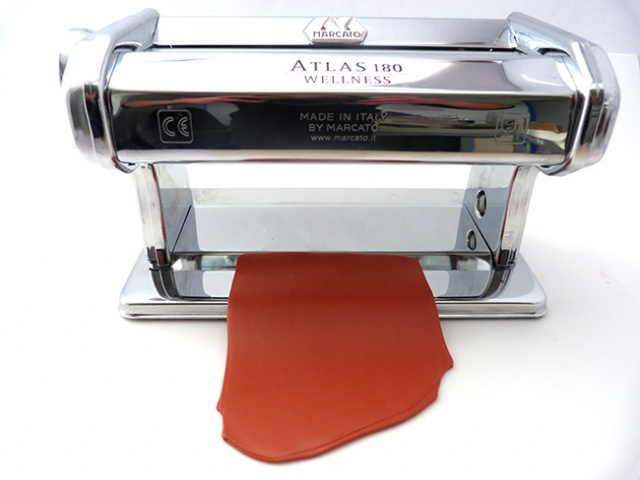
If your hands aren't enough, try using stronger pressure by rolling out the dough with a polymer clay roller (or, failing that, a rolling pin) or running it through the dough machine. Your loaf of clay will become flat, and all that's left to do is reconstitute it.
If your clay is still too hard to knead, bring it closer to a source of heat. You can :
Fimo clay is a thermo-reactive polymer clay, meaning it softens with heat and hardens with cold. In summer, it will soften. You'll need to protect your clay from the heat by putting it in a cool place (but not the fridge). In winter, it will harden.

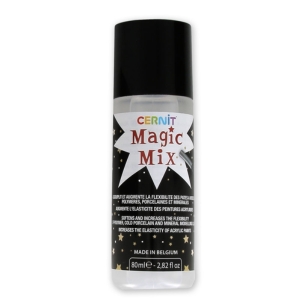
There are products specially designed to soften Fimo clay. They can be used with clay that is slightly dry and crumbly.
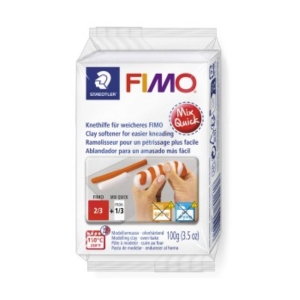
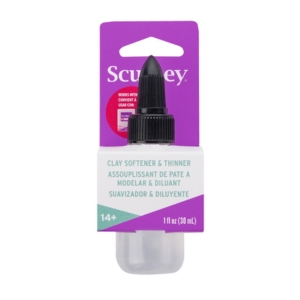
With very dry clay, you can use liquid polymers such as liquid Fimo, transparent liquid Sculpey or Kato Polyclay liquid clay.
It's always best to use the same brand of liquid clay as the one you want to soften, but there are a few exceptions:
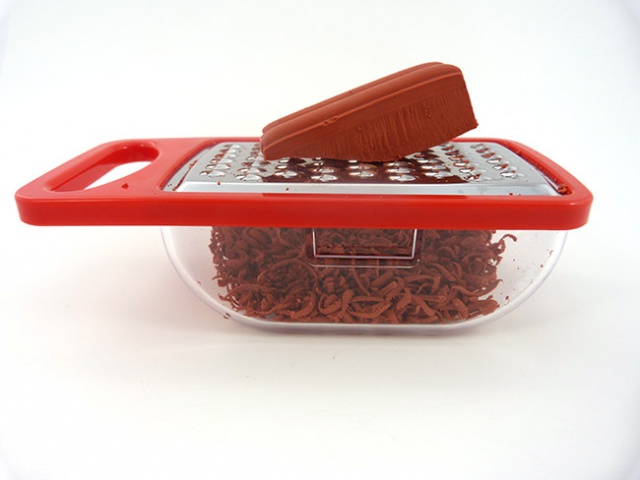


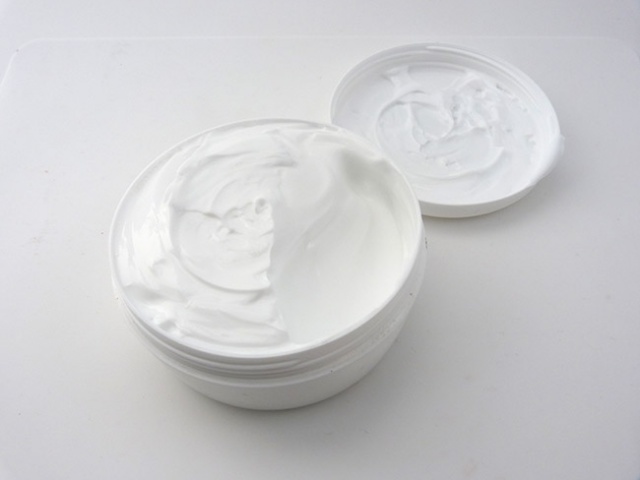
This technique may seem surprising, but it works pretty well. To use it, simply mix your dry polymer clay with a dab of moisturizing cream. Be careful, however, as this technique tends to stain your hands. Be careful and wear gloves before trying this method.
Now you know how to recover dry Fimo clay. However, these methods don't apply to all polymer clay. Unfortunately, there are some pastes that are impossible to recover because they are too old, and even if you work on them for a long time with all these products, the clay doesn't regain its suppleness.
Copyright Perles & Co - 2017.
All rights reserved. Reproduction, even partial, forbidden without the author's agreement.
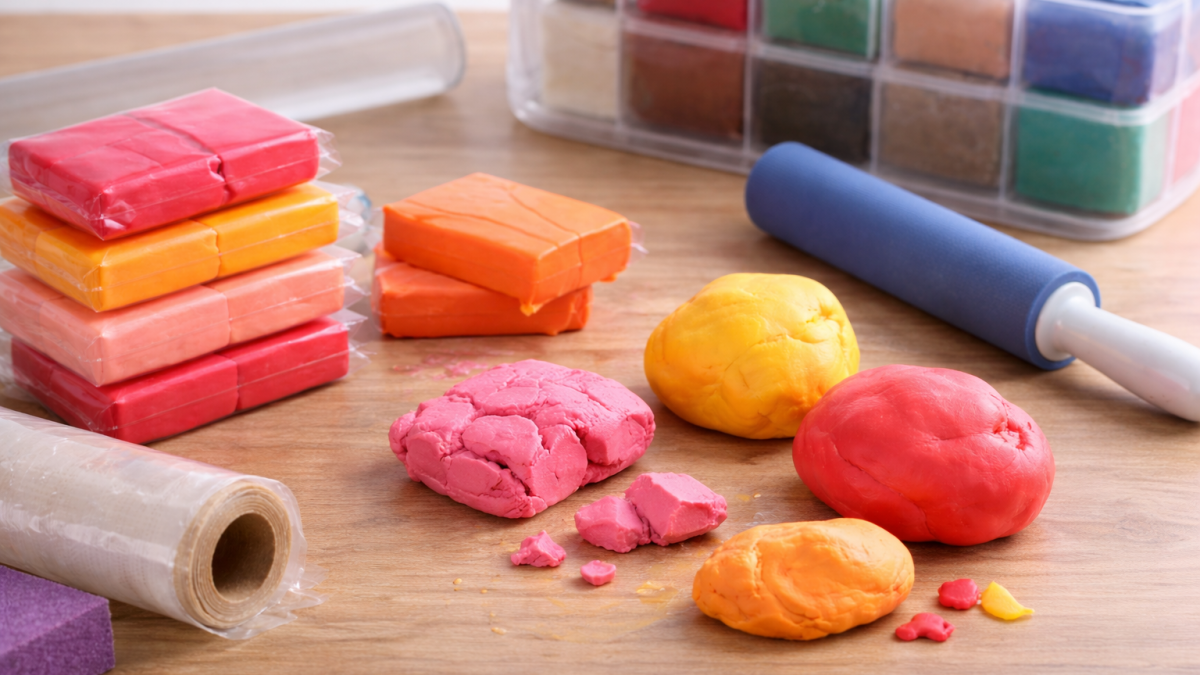
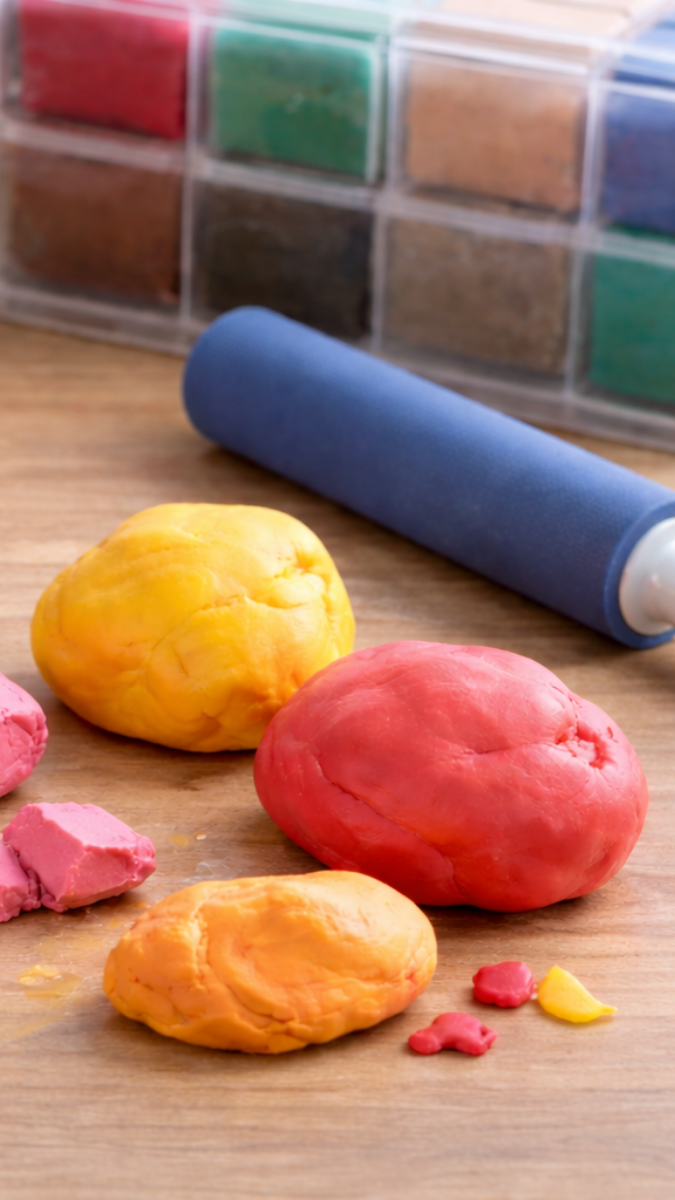
Your polymer clay hardens in reaction to cold. This may be because it is poorly packaged and stored too cold (we recommend storing them in a room at 20°). On the other hand, heat tends to soften Fimo clay.
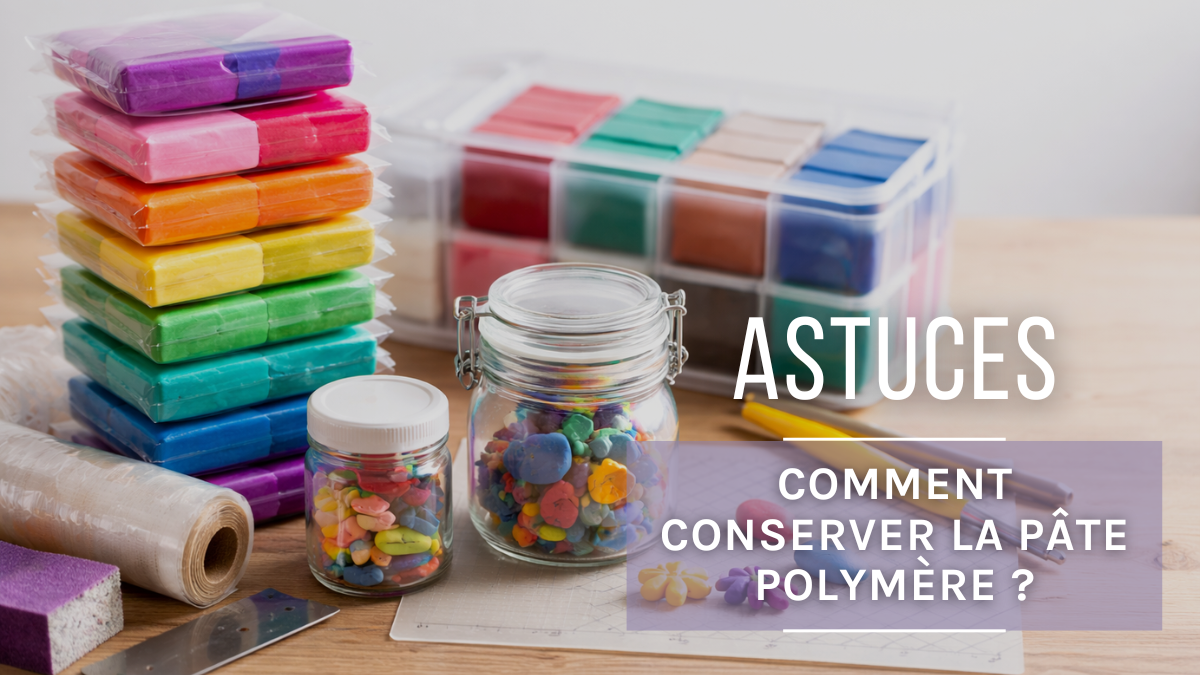
To prevent clay such as Fimo from drying out, you need to wrap it well to protect it from cold, heat and air. You can also use crystal paper to wrap leftover clay and store it in an airtight box, in a room at around 20°C.


Credits
Perles & Co, Internet & E-Commerce company [02/01/2026] Any reproduction, representation, adaptation, in any form whatsoever, even partial, is prohibited, except for reproduction for private use not intended for collective use, representation in the family circle (art. L 122-5 CPI) and online publishing on condition that the source is mentioned and a link is included to the corresponding page of our site www.perlesandco.com.