Average Grades
Free shipping on orders over 50€ up to 500g
French Online shop for beads and accessories for the creation of DIY jewellery and other creative hobbies
Log-in
0
Shopping cart
Shopping cart
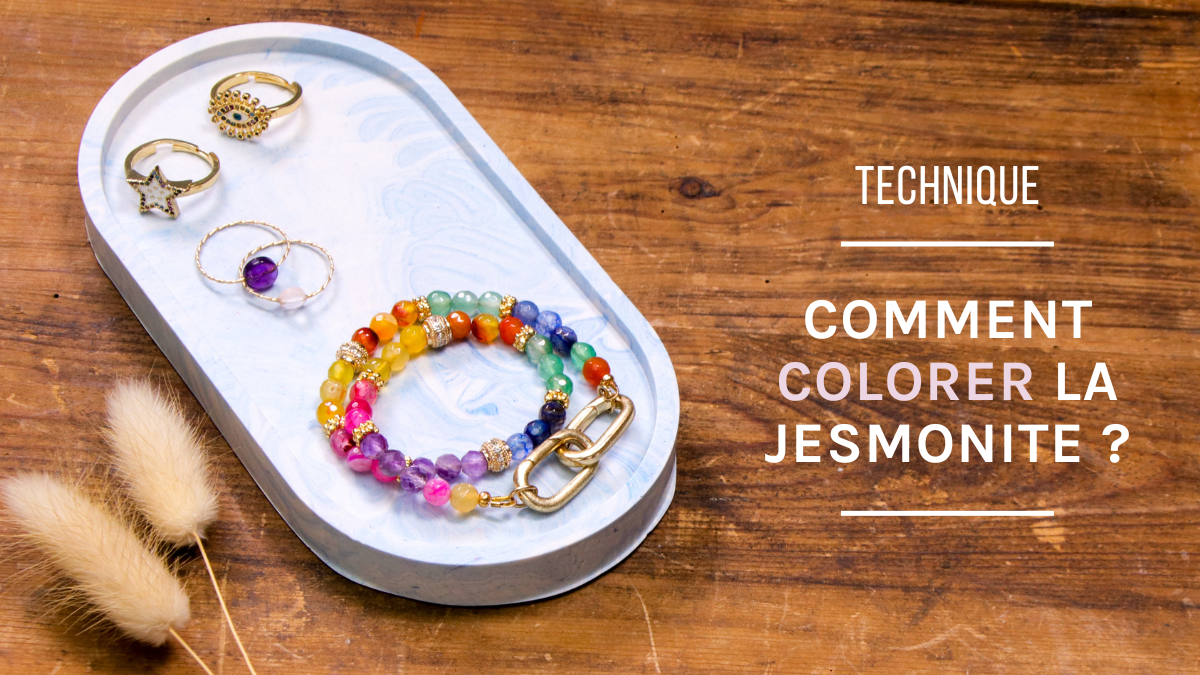
To color Jesmonite, you can use liquid colorants, handy for intense colors, easy-to-make mixes and for beginners, or powder colorants, perfect for more experienced designers looking to make creative effects. You might also consider adding glitter or glitter chips. Acrylic paints or Mica powders can be good alternatives.
Jesmonite is a very popular composite material for the creation of sculptures, moldings and decorative objects, offering great versatility. One of the great advantages of Jesmonite resin is the possibility of adapting itto your own tastes by adding pigments. But how do you choose the right pigment for Jesmonite, and what type of colorant should you use to get the results you want? In this guide, you'll discover the different options available to you: liquid pigments, powder pigments, glitter and glitter chips.
Jesmonite is a composite material based on resin and mineral fillers. It was created as an environmentally-friendly alternative to resin-based materials.
Lightweight and strong, it is a good alternative to concrete or conventional resin. It's also easier to handle and customize. Its fluid texture and rapid setting make it a good choice for designers. They can use it for moldings, sculptures, decorative objects, jewelry, or even wall decorations.
Thanks to its ability to be colored in a multitude of ways, Jesmonite can be used to achieve a variety of finishes:
It is also appreciated for its strength and durability. This makes it perfect for interior and exterior projects.
If you're curious, we'll explain it all in our technical data sheet.
The answer is a resounding yes! One of the reasons why Jesmonite is so popular with designers is its ability to be easily colored. Depending on the look you want to achieve, you can choose from several types of Jesmonite colorants. These pigments can be used to give your creations bright, pastel or metallic colors, while preserving the resin's properties.
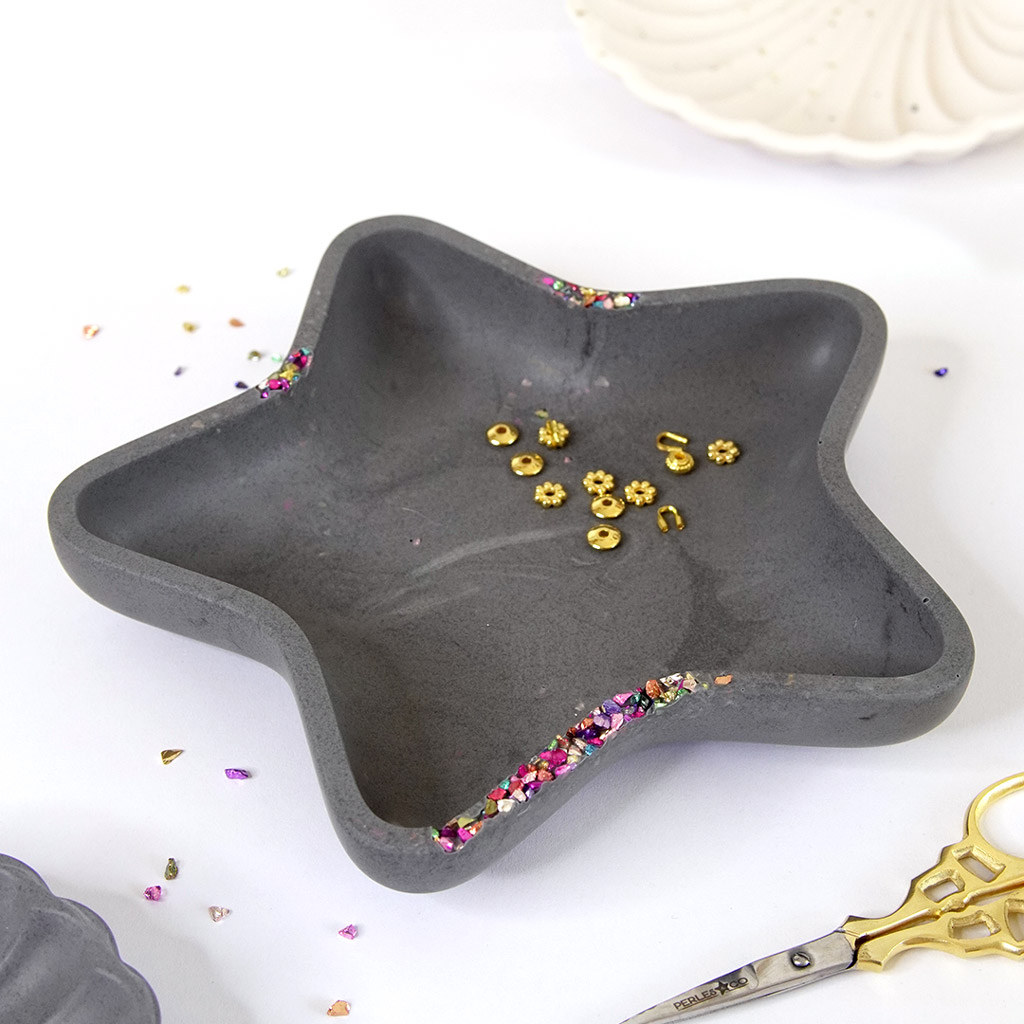
Soap dishes with marble effect, glitter coasters, colored vases - it's all possible! Choose the right silicone mold and pigments in the colors you want, and you've got a great eco resin accessory!
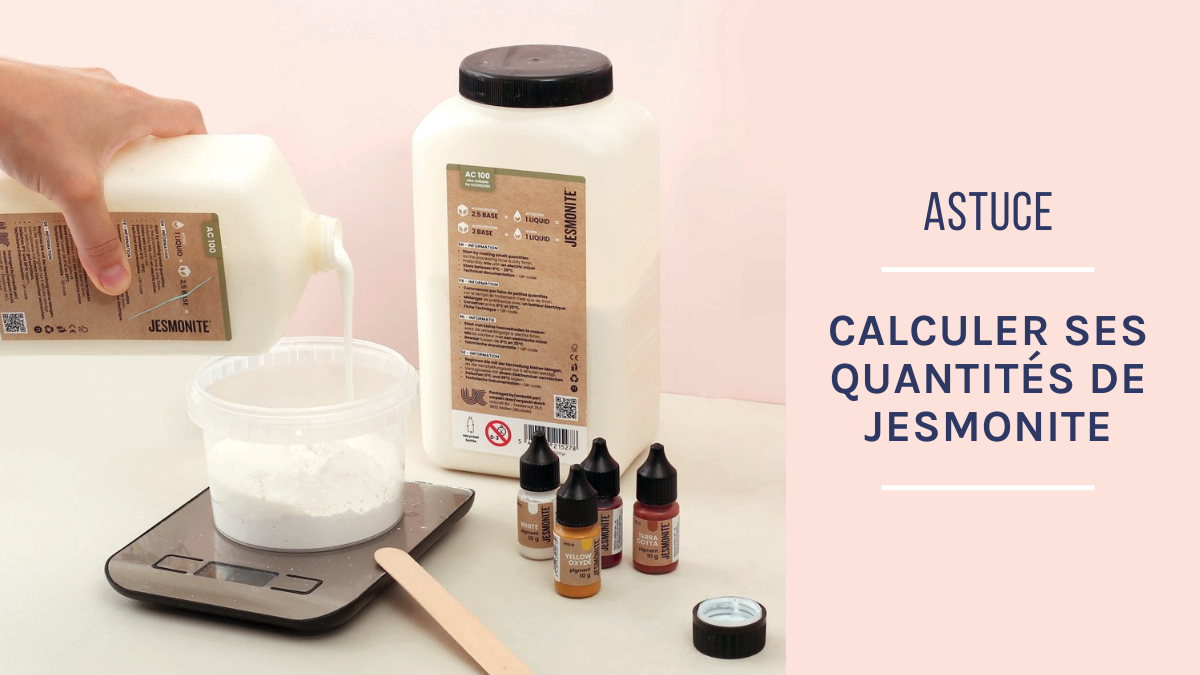
Liquid pigments are an ideal option for those looking for a fluid, easy-to-integrate Jesmonite colorant. These pigments mix directly with the liquid resin before pouring into your molds. Thanks to their liquid form, they distribute evenly, resulting in homogeneous colors.
The advantage of liquid pigments is their practicality and ease of use. They are recommended for large-scale projects or for designers new to Jesmonite. In fact, they don't necessarily require precise dosage in terms of quantity. You can thus obtain a more or less intense color depending on the quantity added.
Directions for use:
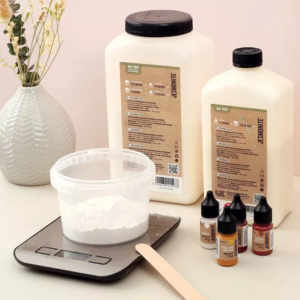
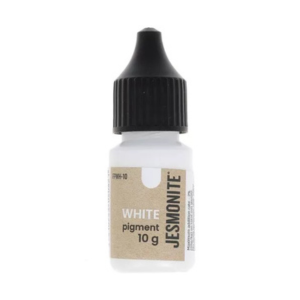
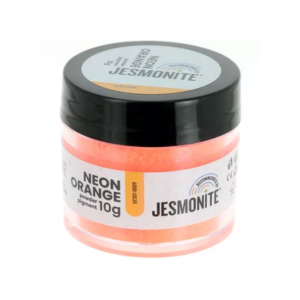
Powdered pigments are another popular option for coloring Jesmonite. These pigments have a fine texture and come in powder form. This makes them ideal for achieving deep, intense color shades. Unlike liquid pigments, powder pigments must be thoroughly mixed with the resin to avoid the formation of visible particles.
The major advantage of powder pigments is their ability to deliver highly vibrant color, even in small quantities. They are ideal for sustained color effects or for creations where color intensity is paramount. The more powder you put on, the more pronounced your color will be, and vice versa.
Directions for use:
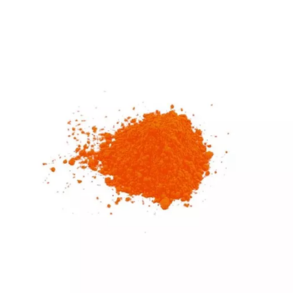
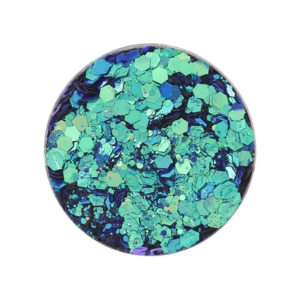
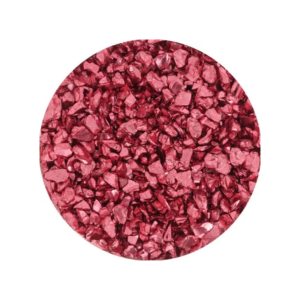
If you want to add sparkle to your Jesmonite creations, use glitter and glitter chips. These small, glittering particles can be integrated into the resin to create unique visual effects. They are therefore perfect for decorative creations such as decorative objects, jewelry or modern sculptures.
The glitter will not directly color your Jesmonite, but will add effects and relief. They can be added directly to the liquid resin or applied to the surface for a more targeted effect. If you add them directly to the resin, they will disperse slightly, creating a uniform shiny effect. If you apply them to the surface, you can create a texture. The glitter will remain visible and give a sparkling effect to your creation.
Tips for use:
If you don't have the pigments specially formulated for Jesmonite on hand, there are several creative alternatives:
Alcohol inks, food coloring or resin pigments don't really work and won't give the desired result.
Whether you're a beginner or an experienced designer, coloring Jesmonite is an essential step in personalizing your projects. Depending on the desired effect, you can opt for different pigments. Each type of pigment offers specific advantages and can be used separately, or together.
| Liquid colorants for Jesmonite | Powder colorants for Jesmonite | |
| Benefits |
|
|
| Disadvantages |
|
|
| Recommended use |
|
|



Credits
Perles & Co, Internet & E-Commerce company [10/09/2025] Any reproduction, representation, adaptation, in any form whatsoever, even partial, is prohibited, except for reproduction for private use not intended for collective use, representation in the family circle (art. L 122-5 CPI) and online publishing on condition that the source is mentioned and a link is included to the corresponding page of our site www.perlesandco.com.

