Average Grades



Quali chiusure usare per le catene ?
1 Answer
Show answers

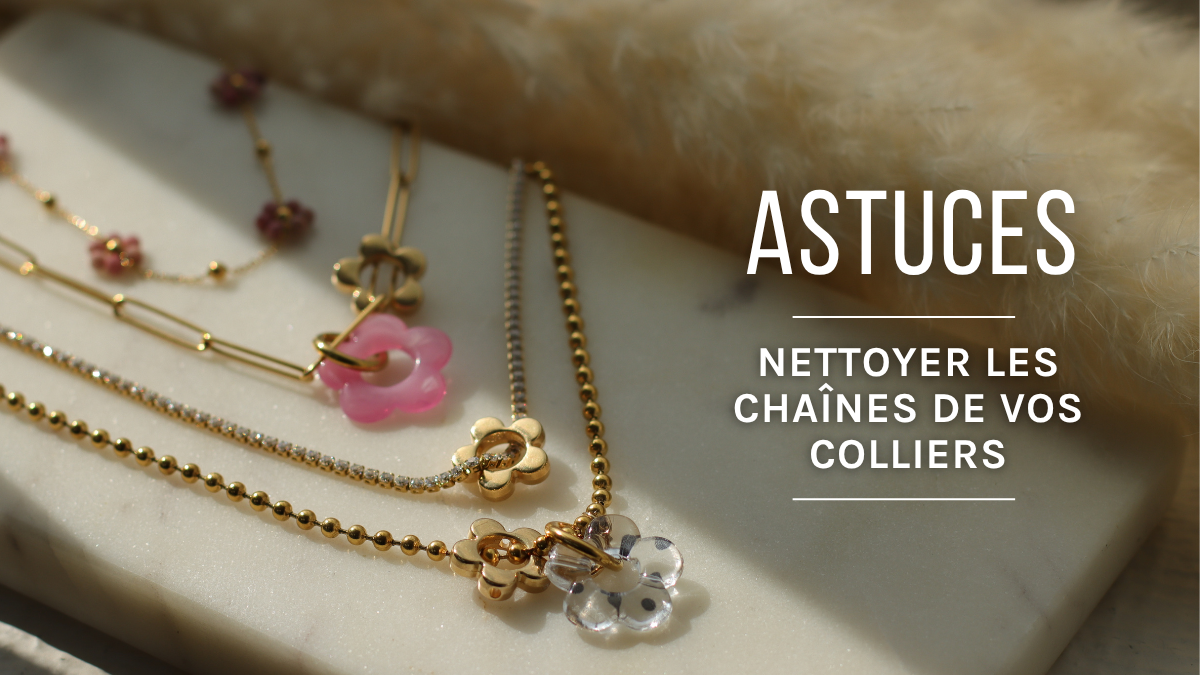
To maintain the brilliance of your silver, gold-plated or steel jewelry, regular cleaning is essential. Methods such as soapy water, baking soda or lemon juice are effective, but beware of acidic products that can damage plating. Choose the right technique for your jewelry's materials, to guarantee durability and brilliance.
Over time, your chains lose their shine and luster, and even blacken when they're made of silver. This is a normal phenomenon, even if we'd like our jewelry to last forever.
Good news: you don't need professional products to restore the shine to your jewelry. Here are 8 effective solutions to try out at home, with the right gestures depending on the metal of your chain.
Several factors accelerate the oxidation of your jewelry:
Regular cleaning is therefore essential, even for jewelry you don't wear very often.
What type of cleaning? We tell you:
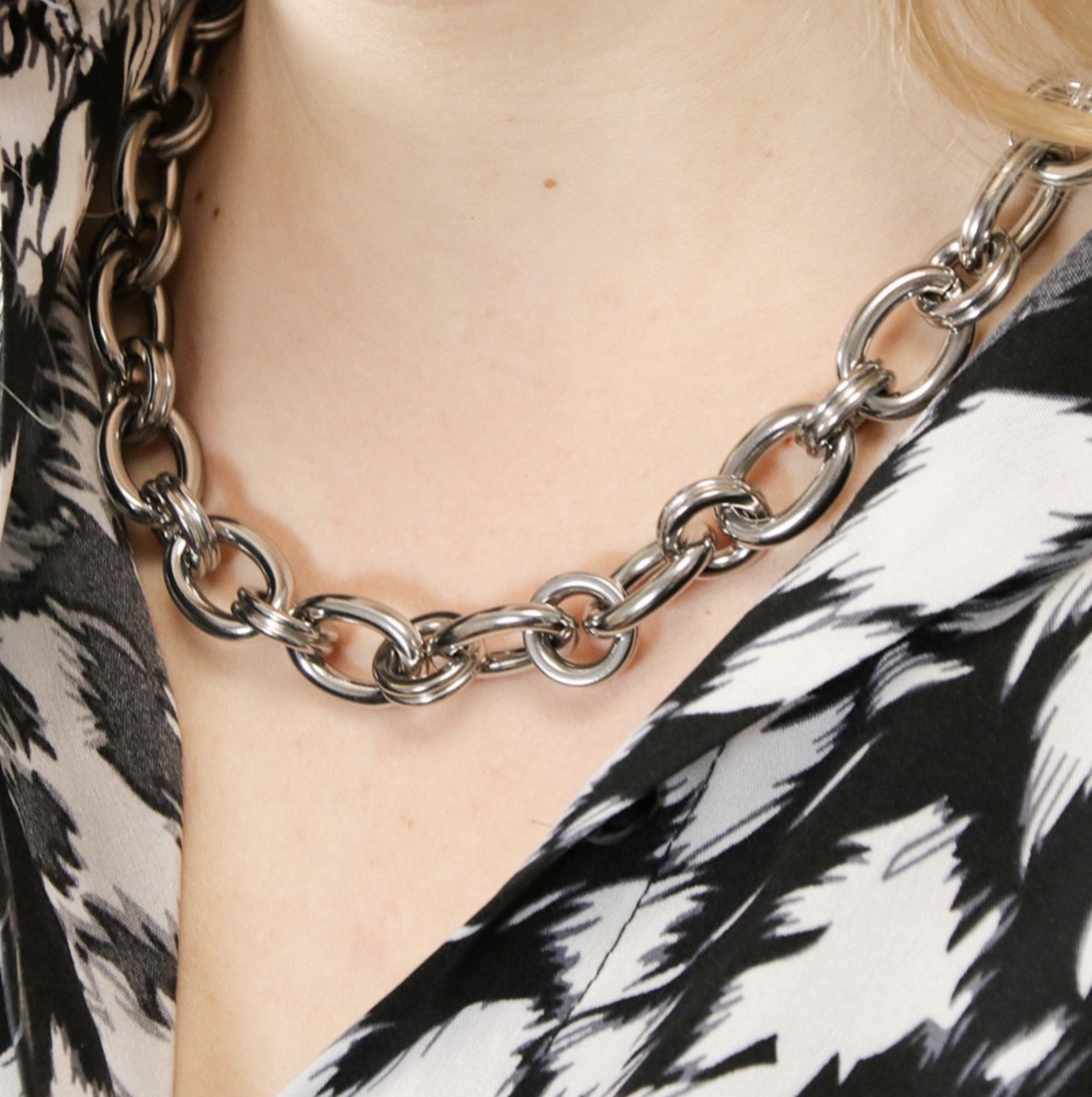
Soak your chain for a few moments in a mixture of warm water and Marseille soap. Then gently rub your jewelry with a soft cloth. You can use a soft toothbrush or cotton swab to clean the most interlocking links. Then rinse with clean water and dry.
This is a very effective solution for silver, stainless steel, gold-plated or gold-filled chains, or for your fancy necklaces.
It also works for chains adorned with gemstones. But be careful, the water must not be too hot, as some stones are sensitive to heat.
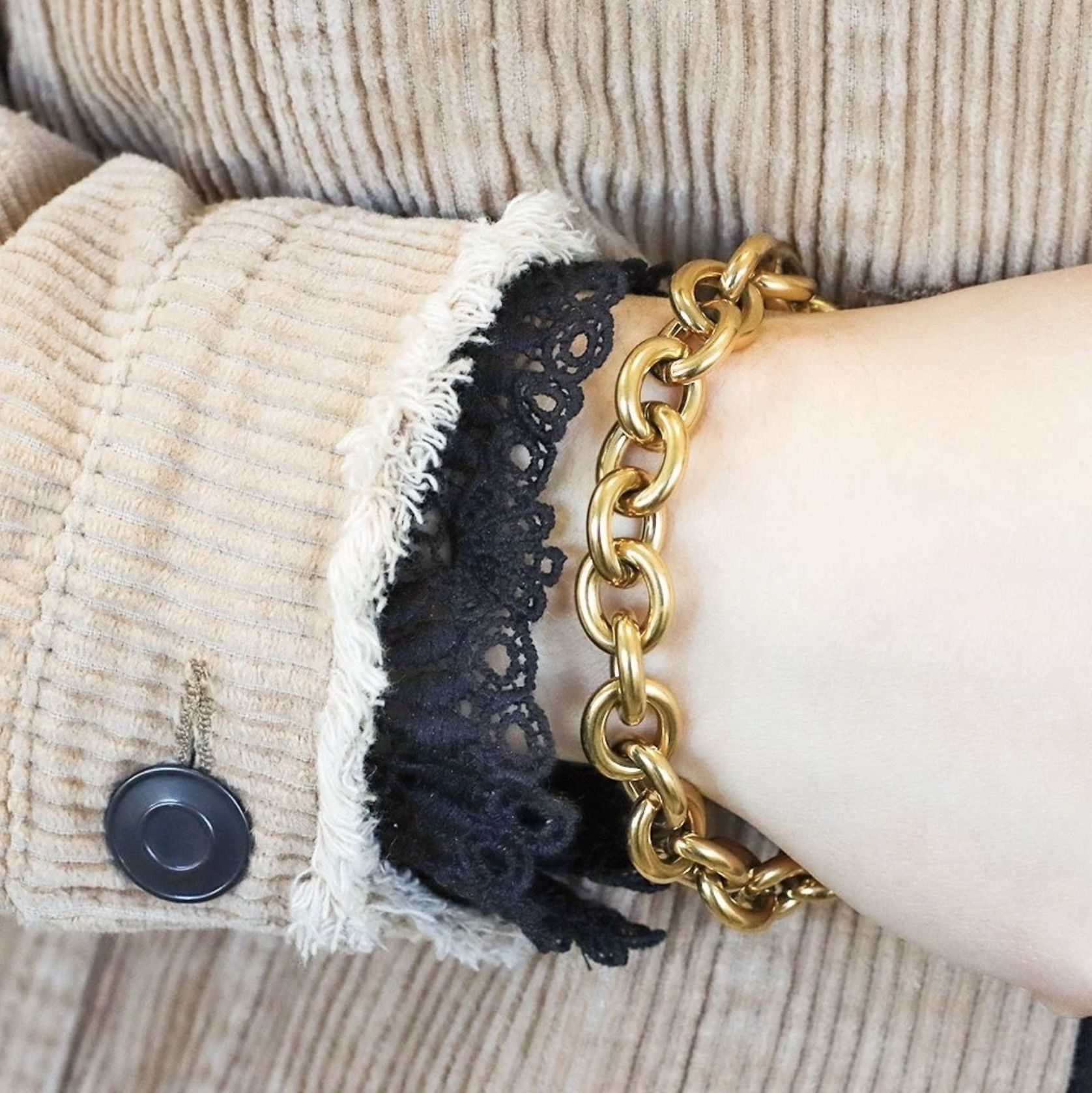

Baking soda, also known as sodium bicarbonate, can also be a good alternative. Put the equivalent of a tablespoon of baking soda in a container with a little lukewarm water and stir until a paste forms. Then use a soft toothbrush to clean your steel jewelry.
Highly effective for all types of chain: silver, stainless steel, gold-plated, gold-filled or costume jewelry.
This process can also be used for chains adorned with gemstones. Once again, be careful with water temperature: some natural stones don't like it too hot.

If you're looking for a gentle solution that won't attack your costume jewelry, a microfiber cloth is the way to go. Simply rub your chain gently with it and you're done!
This technique is particularly effective for metal chains with gold or fine gold finishes, which are sensitive to water and chemical solutions.
It also works on fancy necklaces with gemstones, mother-of-pearl or crystals.
White vinegar also works well. Soak your chain in a container of white vinegar. After a few hours, you can rinse your jewel and gently dry it.
This is a good trick for cleaning your silver chains.
However, it should not be used on gold-plated chains, gold-filled chains or chains with a gold, silver or other finish, as the acidity of the white vinegar may damage the plating.


Lemon juice works wonders too. Simply wipe your jewelry with a soft cloth soaked in lemon juice. Rinse with clean water and dry with a chamois or soft cloth.
This is a good idea for cleaning silver chains.
But don't use lemon juice on gold-plated, gold-filled or other types of chain. They don't tolerate chemicals, nor overly acidic and aggressive products that could damage the plating.
Take an old soft toothbrush and a dab of toothpaste. Scrub your jewel without applying pressure to avoid scratching, then rinse thoroughly before drying with a soft cloth.
This method works well for silver chains, even those with gemstones.

In a container, make a mixture of equal parts water and methylated spirits. Soak a cloth in this solution and clean your jewelry. Rinse with clean water and dry with a soft, dry cloth.
This is an ideal solution for gold-plated or gold-filled chains.
For pearl necklaces, regular cleaning with a soft, damp cloth, without rubbing to avoid scratching, is all that's needed to give them their shine. But every two years, cultured pearls need a thorough cleaning. For this, you'll need a soft cloth and a few drops of olive oil. Wipe your pearls without rubbing, and the magic happens.
Silver | Stainless steel | Gold-plated | Gold-filled | Metal (Brass, zamac, etc.) | Fancy necklaces | |
Water + soap | ✅ | ✅ | ✅ | ✅ | ❌ | ✅ |
Bicarbonate | ✅ | ✅ | ✅ | ✅ | ❌ | ✅ |
Microfiber | ✅ | ✅ | ✅ | ✅ | ✅ | ✅ |
White vinegar | ✅ | ❌ (avoid for chains and gold-plated stainless steel) | ❌ | ❌ | ❌ | ❌ |
Lemon juice | ✅ | ❌ (avoid for chains and gold-plated stainless steel) | ❌ | ❌ | ❌ | ❌ |
Toothpaste | ✅ | ❌ (avoid for chains and gold-plated stainless steel) | ✅ | ✅ | ❌ | ❌ |
Household alcohol | ❌ | ❌ | ✅ | ✅ | ❌ | ❌ |
Olive oil | ❌ | ❌ | ❌ | ❌ | ❌ | ✅ |
Good cleaning is good. Proper storage is even better!

Silver darkens due to oxidation on contact with air and skin. Start with water + Marseille soap for mild cases. If the blackening is severe, opt for toothpaste or baking soda applied with a soft toothbrush. Specialized silver cleaners remain the most effective solution for severely tarnished jewelry.
We give you more tips in our dedicated silver jewelry cleaning sheet.
No, we strongly advise against this. White vinegar and lemon juice are acids that can permanently damage the plating. For a gold-plated or gold-filled chain, prefer soapy water or a mixture of water and household alcohol.
It all depends on how often you wear it. For jewelry worn daily, a light cleaning with soapy water or a microfiber cloth once a month is ideal. A more thorough cleaning may be required two to four times a year, depending on the degree of oxidation.
Yes, but with care. Warm water and Marseille soap are generally safe. Avoid acidic products (vinegar, lemon) and very hot water, as some natural stones are fragile to heat and chemical shock.
Stainless steel is highly resistant to corrosion and hardly rusts under normal conditions of use. In fact, it's one of the easiest materials to maintain: soapy water is all that's needed to keep it shiny.
Credits
Perles & Co, Internet & E-Commerce company [04/05/2026] Any reproduction, representation, adaptation, in any form whatsoever, even partial, is prohibited, except for reproduction for private use not intended for collective use, representation in the family circle (art. L 122-5 CPI) and online publishing on condition that the source is mentioned and a link is included to the corresponding page of our site www.perlesandco.com.