Average Grades


Quel fil utiliser pour réaliser des bijoux torsadés? Merci
1 Answer
Show answers

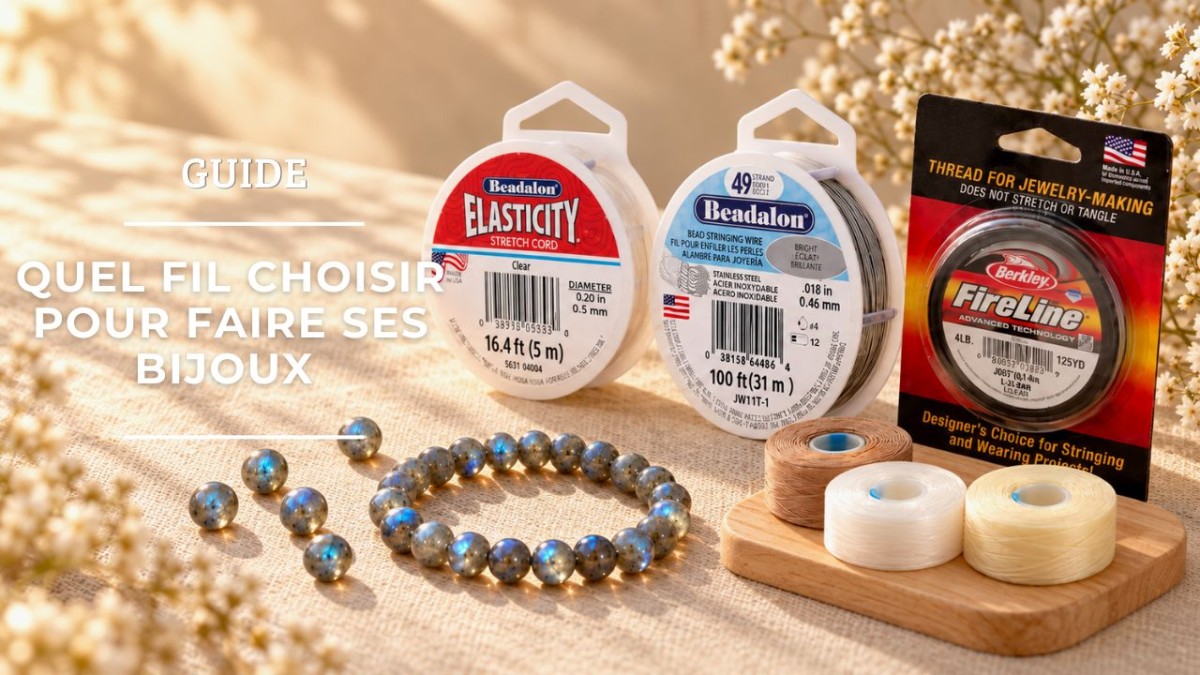
The choice of thread for jewelry making depends on your specific needs. Stainless steel and brass are ideal for heavy pieces, while nylon threads like C-LON and Nymo are better suited for weaving techniques. For delicate pieces, opt for silk thread or elastic thread.
Cord, nylon, elastic, C-Lon, Nymo, copper wire… With so many options, it’s easy to get overwhelmed. To find the right thread, ask yourself three questions:
| Your project | Recommended thread |
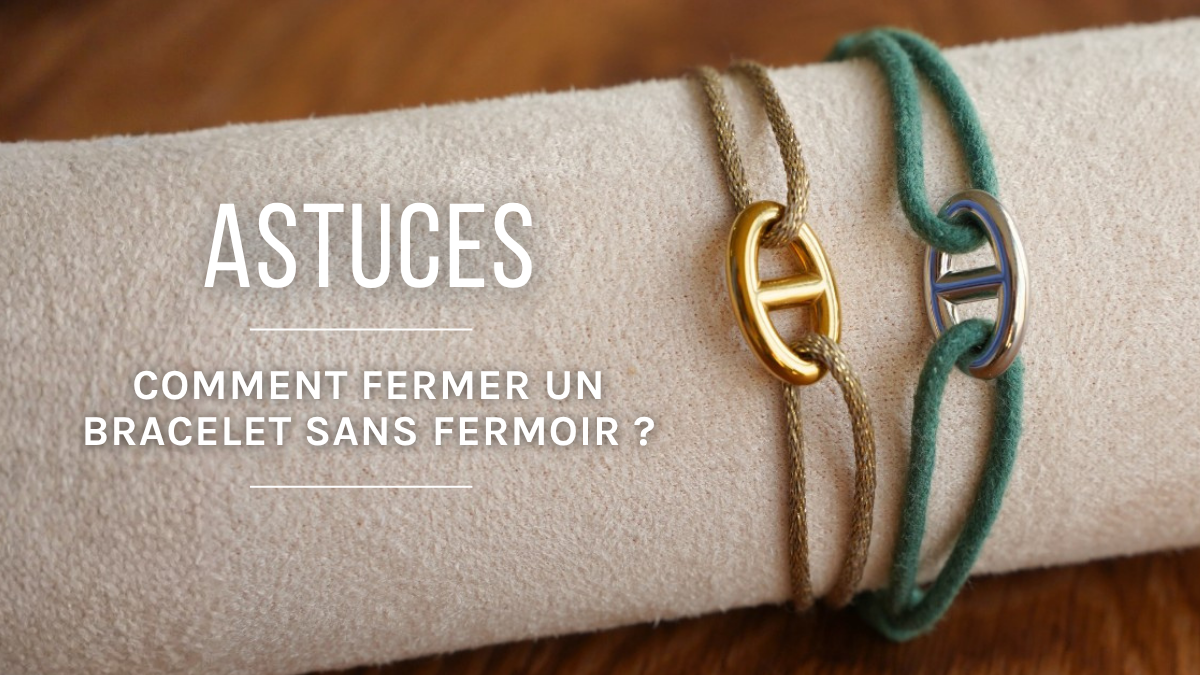
| Clasp-less bracelet made of natural stones | Elastic cord |
| Strung necklace or bracelet, even heavy ones | Cable wire |
| Lightweight necklace with a “floating beads” effect | Clear nylon cord |
| Notted bead necklace | Silk thread |
| Seed bead weaving (peyote, brick stitch, etc.) | Nymo, C-Lon AA or D, One-G, KO, Sono, Fireline |
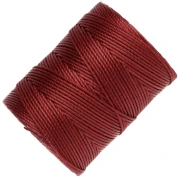
| Micro-macramé | C-Lon Beading Cord or C-Lon Micro Cord |
| Crocheted beaded jewelry | Miyuki Bead Crochet |
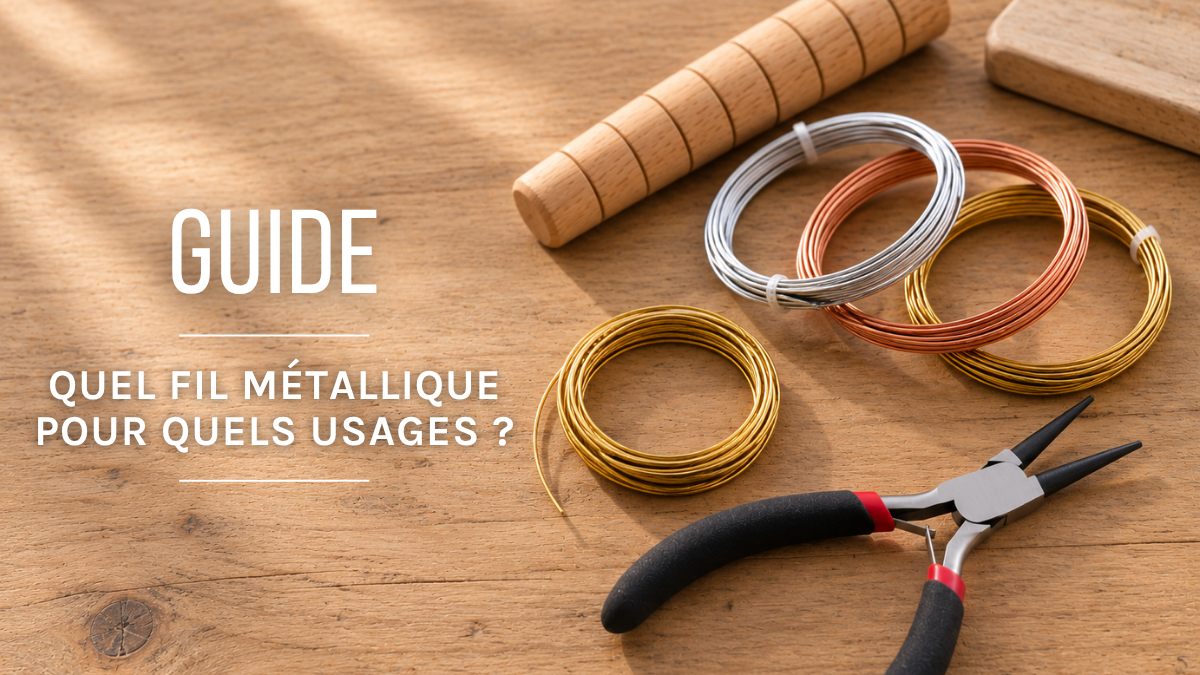
| Wire wrapping, ear hooks, rings | Metal wire: stainless steel, copper, brass, aluminum, 925 Sterling Silver |
| Different types of thread | Uses for wire | Available sizes |
| Cabled Wire | Made of sheathed steel strands, it can support any type of design, even heavy ones. It ends with Crimp beads. | from 0.25 mm to 2.36 mm |
| Nylon Wire | Versatile and discreet, it is suitable for many projects, but it cannot support overly heavy pieces. In its transparent version, it creates the effect of beads floating on the skin. | from 0.10 to 0.70 mm |
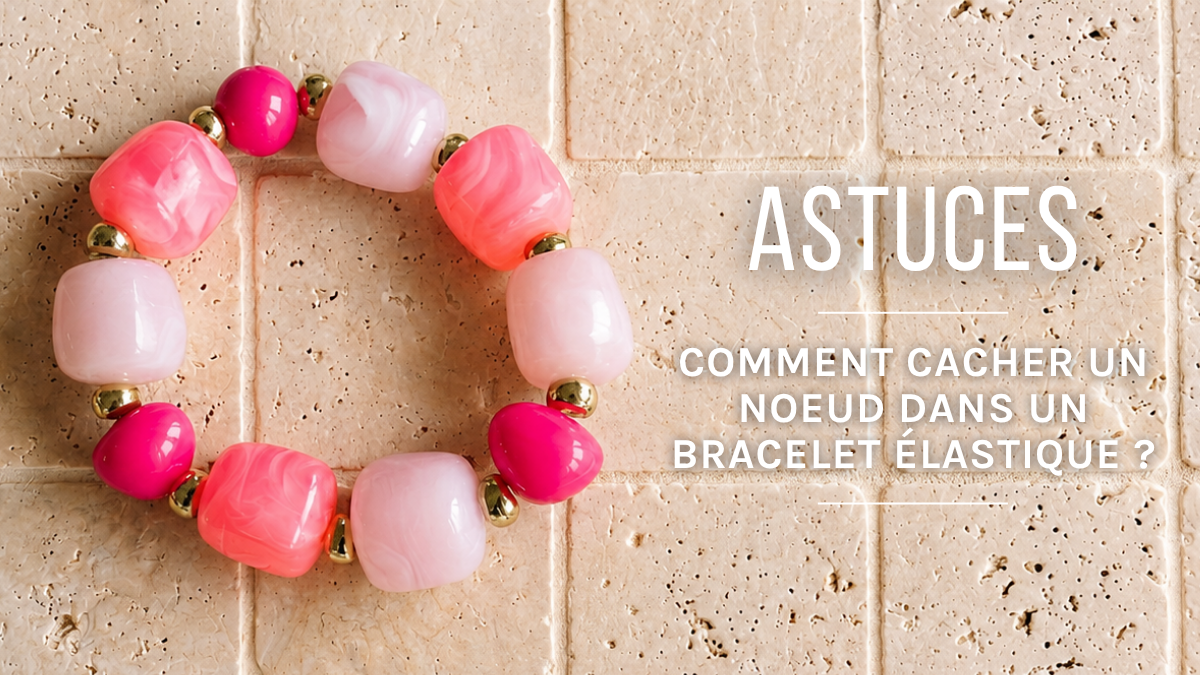
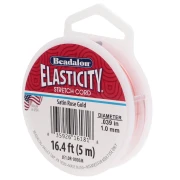
| Elastic cord | It allows you to create jewelry without clasps, such as bracelets made of natural stones. Stretch it well before threading your beads to prevent it from losing its elasticity later. For an invisible knot, see our technical data sheet | 0.25 to 3 mm |
| Silk Thread | This is the ideal thread for making small knots between beads, as seen on traditional pearl necklaces. | 0.30 to 1.05 mm |
| Memory Wire | Pre-formed into a spiral shape for rings, bracelets, or necklaces, it retains its shape without a clasp. | 0.60 to 1 mm |
For weaving techniques (peyote, brick stitch, ladder stitch, etc.), the thread is passed through each bead multiple times. It must therefore be fine, flexible, and strong.
| Different types of thread | Diameter | Key Features |
| Nymo O | approx. 0.15 mm | Very fine, for peyote stitch and bead weaving |
| Nymo B | approx. 0.20 mm | For peyote stitch and bead weaving |
| Nymo D | approx. 0.30 mm | For peyote stitch and bead weaving |
| C-LON size AA | approx. 0.15 mm | Flexible and durable polyfilament nylon, suitable for multiple passes through 15/0, 11/0, and 9/0 seed beads |
| C-LON size D | approx. 0.30 mm | A stronger version than C-Lon AA, for the same uses |
| One-G | Approx. 0.25 mm | For peyote stitch and bead weaving |
| KO | Approx. 0.25 mm | Stronger than C-Lon, comparable to One-G; does not knot or fray |
| SONO | approx. 0.20 mm | Nylon designed for seed beads by Japanese designer Sonoko Nozue |
| Fireline thread | 0.06 to 0.20 mm | A very strong, very fine braided thread that does not stretch. It can be used for any type of project. |
Metal wires are used for wire wrapping and for making ear hooks, rings, or bangles. Find more information in our technical sheet, “Which Metal Wire to Use for Jewelry.”
| Material | Usage | Diameters | Shapes |
| Stainless Steel | Wire wrapping, heavy-duty creations, assembly | from 0.38 to 1.25 mm | round, half-round, square |
| Brass | Wire wrapping, heavy-duty designs, assembly | from 0.40 to 2 mm | round, half-round, square |
| Copper | Wire wrapping, lightweight creations | from 0.20 to 2.59 mm | round, half-round, square |
| Aluminum | Wire wrapping, large lightweight structures | from 1 to 5 mm | round, flat |
| 925 Sterling Silver | Wire wrapping, fine jewelry that retains its luster | 0.2 to 6 mm | round, flat, twisted, diamond-cut |
For your first clasp-less bracelet, elastic cord is the easiest option. For a necklace or bracelet with a clasp, cable thread is versatile and durable: it ends with Crimp beads. If you want to learn how to weave beads, start with a thread like Nymo or C-Lon.
An elastic thread about 0.5 mm thick works well for gemstones. Make sure the thread fits through the holes in your beads, and stretch it out well before threading it so it doesn't lose its elasticity over time.
Nylon thread is flexible and inconspicuous, but it cannot support heavy projects. Corded thread, made of sheathed steel strands, is much more resistant to weight and wear: it is suitable for all types of projects.
Start by considering the size of your beads' holes and the number of times you plan to thread the wire through: the more times you thread it, the thinner the wire should be. Also consider the weight of the piece: a heavy piece of jewelry requires a thicker or stronger wire.

Credits
Perles & Co, Internet & E-Commerce company [19/11/2021] Any reproduction, representation, adaptation, in any form whatsoever, even partial, is prohibited, except for reproduction for private use not intended for collective use, representation in the family circle (art. L 122-5 CPI) and online publishing on condition that the source is mentioned and a link is included to the corresponding page of our site www.perlesandco.com.