Average Grades
Bonjour, est-ce que vous avez des Miyuki plate, merci
1 Answer
Show answers

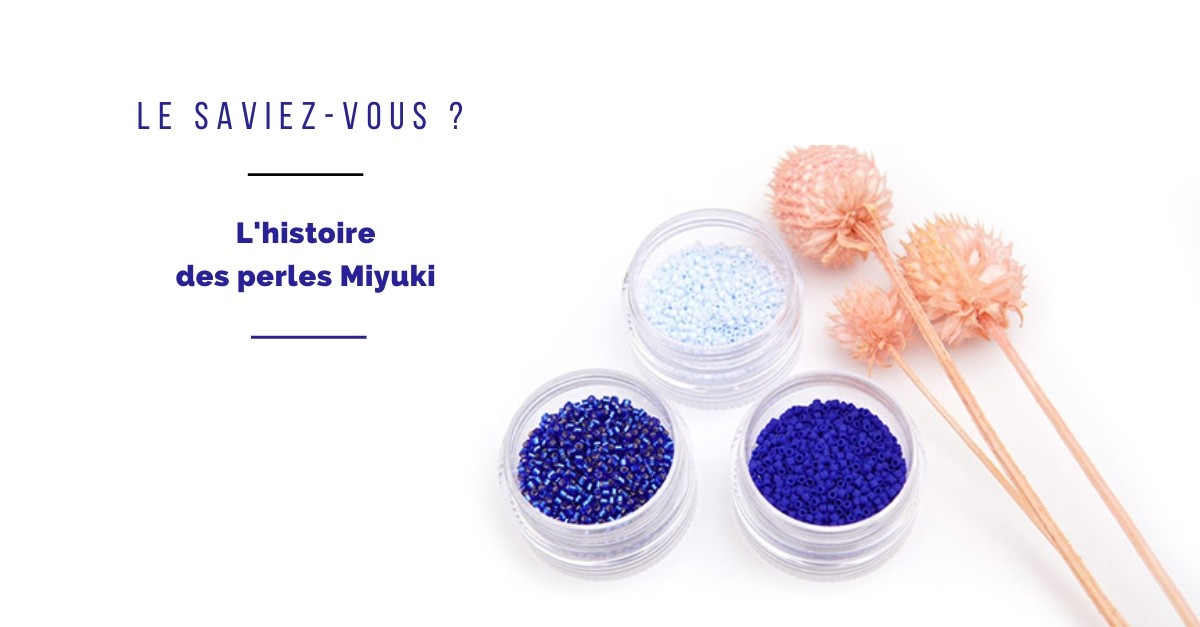
Miyuki seed beads, made in Japan, are distinguished by their regularity and brilliance, available in an unrivalled variety of colors. Ideal for jewelry creation, they are prized by amateur and professional craftsmen alike for their exceptional quality and versatility. Choose Miyuki for brilliant, long-lasting creations that will enhance all your projects.
Miyuki is the global benchmark for seed beads. The Japanese brand's pearls are renowned for their consistency, brilliance and countless color variations. They are highly appreciated by amateur designers as well as jewelry and fashion professionals.
Pearls have been around for thousands of years, and have always fascinated both Eastern and Western peoples. They were made of wood, bone, horn, resin, wood, shell and glass. They were used as ornaments for sacred ceremonies and rituals, as well as currency exchanged for goods and services. It wasn't until the 19th century that glass beads were used to make jewelry, decorative objects and custom clothing. Their beauty, diversity and versatility were appreciated. But the problem with glass beads was their irregularity.
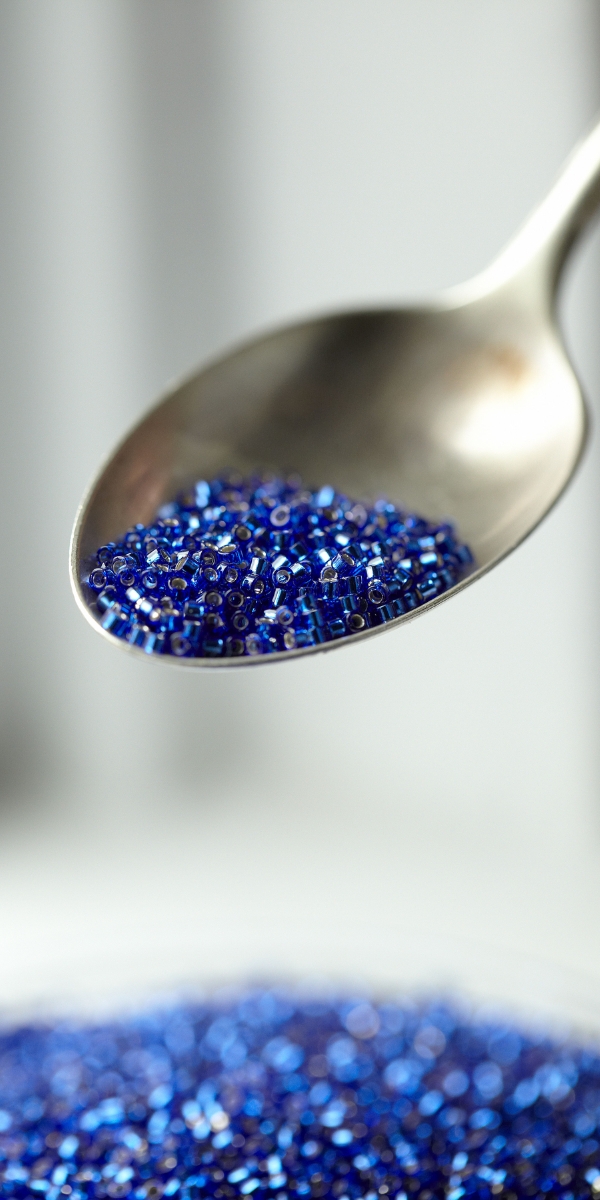
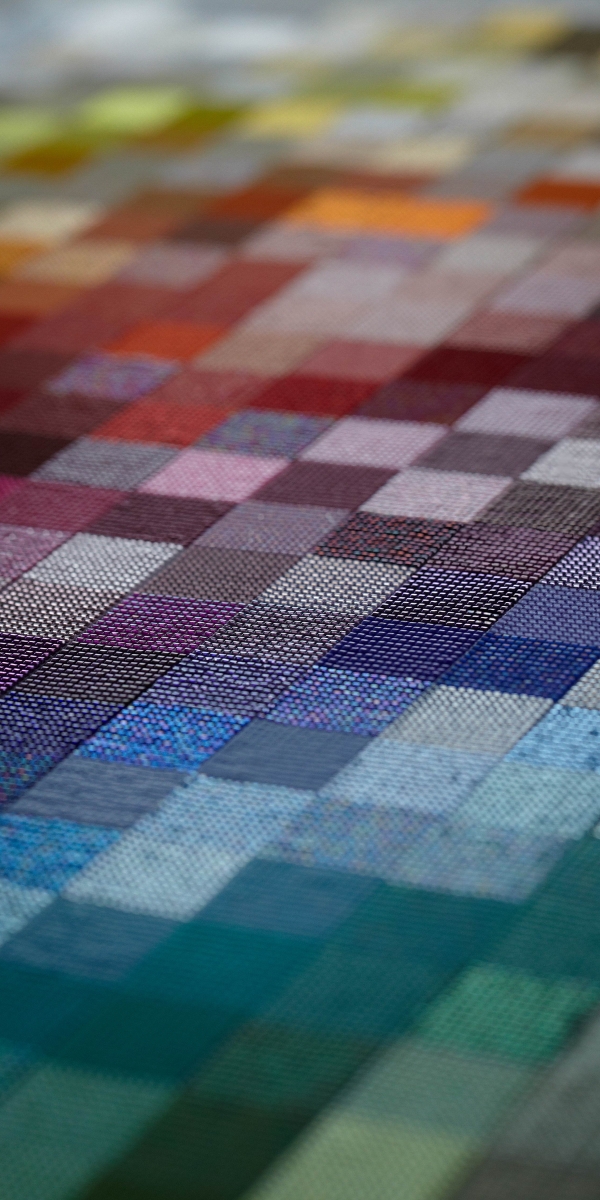
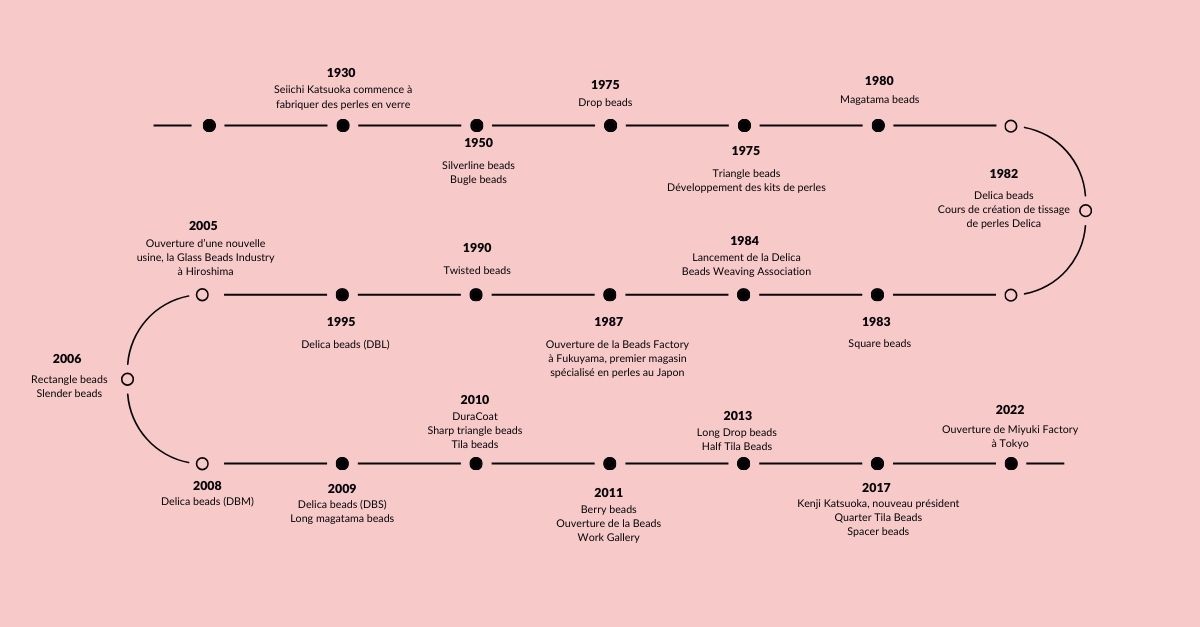
The story of Miyuki beads begins in Japan, in the mid-30s, in the town of Fukuyama in Hiroshima province. Seiichi Katsuoka, the great-grandfather of the company's current president, was so fascinated by the color and brilliance of glass beads that he decided to start making them.
In 1949, Seiichi Katsuoka launched his own factory, supported by family and friends. But in the aftermath of the Second World War, glass bead-making materials were scarce, and the cooperative produced only a dozen transparent and opaque colors. Made from high-quality glass, rocailles beads were renowned for their uniformity and brilliance. Local artisans quickly adopted these beads for their jewelry and beadwork projects, as they offered unparalleled precision and beauty.
In the early '50s, Hiroshi Katsuoka, son of the founder and grandfather of the company's current president, took over the reins of the company. At the time, the silverline (silver-plated) technique was used in Europe and the United States, but did not exist in Japan. Eager to learn how to produce this brilliance, Hiroshi Katsuoka devoted his time to researching, studying in specialized books and visiting the laboratories of glass manufacturers. By dint of perseverance, he found a silverline method, which today is unique to Miyuki. The fame of Miyuki pearls quickly spread to the world of fashion and jewelry.
Over the years, Miyuki has continued to innovate. The company has developed new production techniques to improve the quality and consistency of its pearls. It also expanded its product range to include a variety of incomparable sizes, shapes and colors.
In 1974, Masayoshi Katsuoka, father of the firm's current president, created the Miyuki brand. He also invented Miyuki Delica, beads created exclusively for loom or needle weaving. They quickly became popular for their cylindrical shape and perfect uniformity.
Bead-weaving techniques such as peyote, brick stitch and square stitch became particularly popular, as they made it possible to create intricate, detailed patterns with Miyuki beads.
As of 2017, Kenji Katsuoka is the firm's new president.
And if you're wondering what Miyuki means, it's simply the name of the town where the company's offices are based.
Do you know how your favorite little seed beads are made?
Miyuki pearls are available in a wide variety of sizes, shapes and colors. Find out more about the durability of Miyuki colors, as well as the shapes and sizes available, in our technical data sheet.
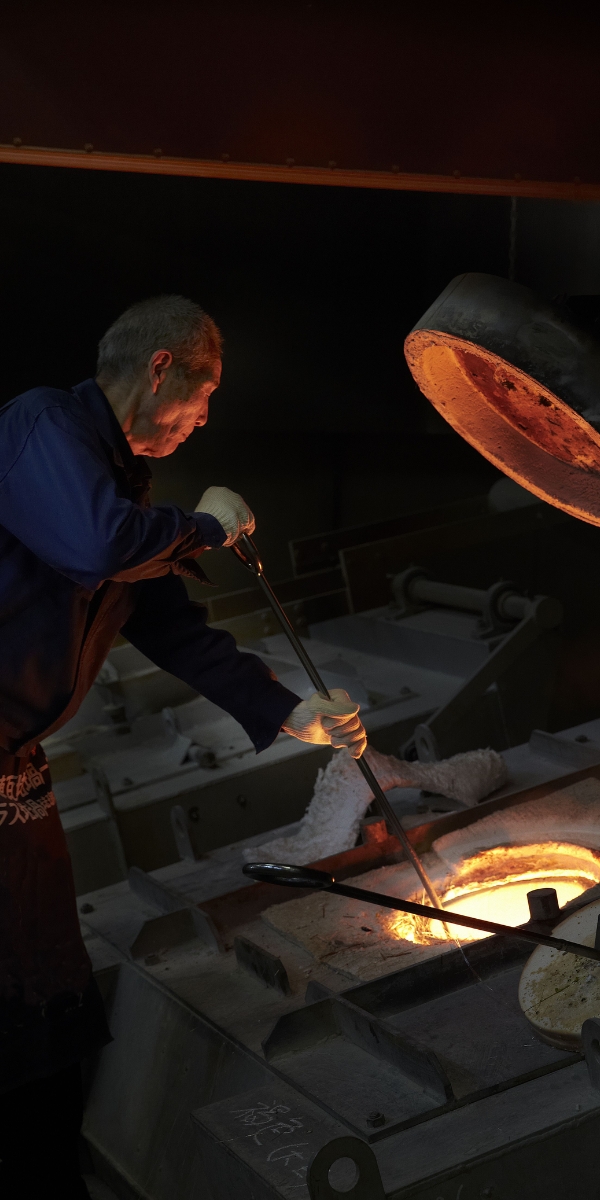
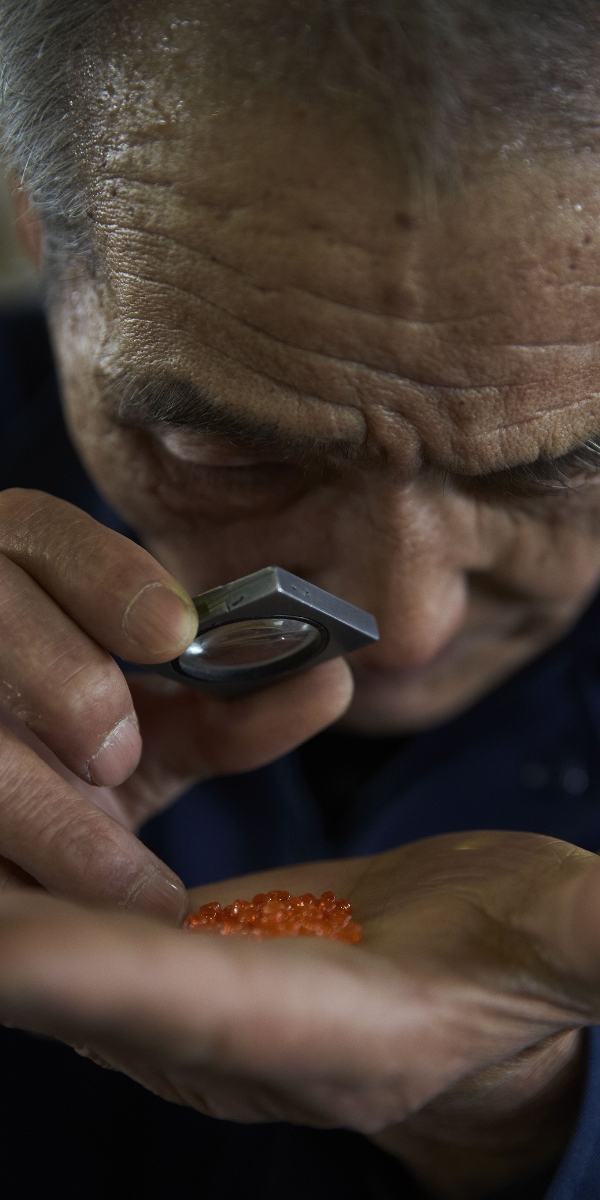
Miyuki Japanese pearls have restored pearl weaving to its former glory. They are a guarantee of brilliance, durability and unequalled regularity... They are ideal for creating bracelets, but also for all your seed bead jewelry.
If you're still hesitating to start creating with Miyuki seed beads, it's time to take the plunge. We're here to help with do-it-yourself jewelry tutorials (bracelets, necklaces, rings, earrings), as well as technical sheets that will teach you the best way to finish a woven bracelet or which thread to use for Miyuki bead weaving. If you want to know all about Miyuki beads (sizes, working techniques, types of beads, etc.), take a look at our guide!
Credits
Perles & Co, Internet & E-Commerce company [12/09/2023] Any reproduction, representation, adaptation, in any form whatsoever, even partial, is prohibited, except for reproduction for private use not intended for collective use, representation in the family circle (art. L 122-5 CPI) and online publishing on condition that the source is mentioned and a link is included to the corresponding page of our site www.perlesandco.com.