What is the color of my birthstone?
Each month of the year is traditionally associated with a gemstone—hence their name, “month stone ” or “birthstone.” This is good information to know when you want to make astrological jewelry for yourself or as a gift. Find out which one corresponds to your birth month with our birthstone calendar!
The good news is that, no matter what year you were born, the stones don’t change.
Your birthstone is, of course, valid regardless of which day of the month you were born.
Which stone corresponds to your birth date?
January’s Birthstone
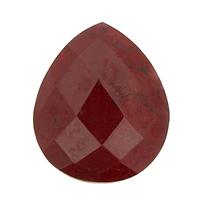
Birthstone:Garnet
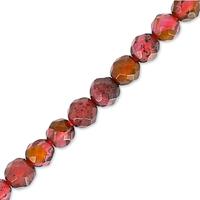
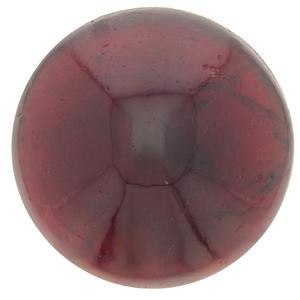
The name “garnet” comes from the Latin “malum granatum,” meaning “grained fruit, pomegranate,” referring to its red color, and from the Latin “granum,” meaning “grain,” referring to its shape. Known for millennia, this gemstone has always been used in jewelry to craft necklaces, rings, pendants, and brooches.
It is best known for its reddish-brown hue, but it can also be bright green, orange, or raspberry-colored.

Alternative Stone: The Emerald
The emerald is a precious gemstone. It is recognizable by its vibrant green color.
For a long time, it was considered a symbol of protection prized by sailors and travelers.
Birthstone for February
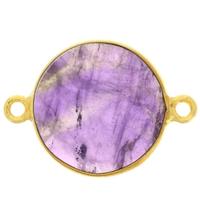
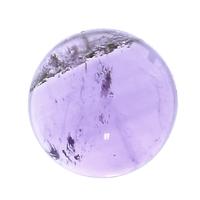
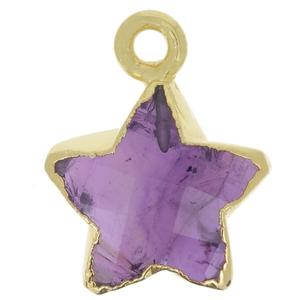
Birthstone:Amethyst
The name of this gemstone comes from the Greek word “amethystos,” which means “to guard against drunkenness.” This gemstone has been highly sought after in the jewelry industry since ancient times for its brilliance and its color, which ranges from light purple to dark purple. A single stone can exhibit varying intensities of color.
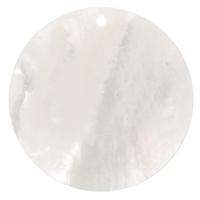
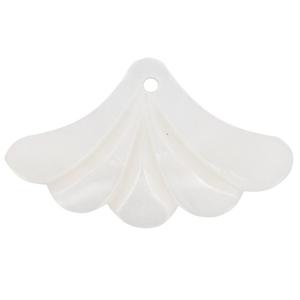
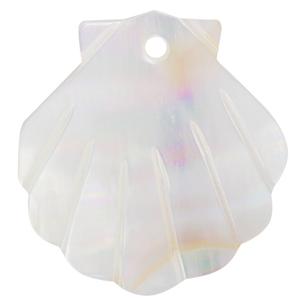
Alternative Gemstone:Mother-of-Pearl
Mother-of-pearl is an organic gemstone, as it is derived from an organic substance. It is the inner lining of certain shells. This iridescent layer is particularly prized for decoration, jewelry making, and button crafting.
Birthstone for the month of March
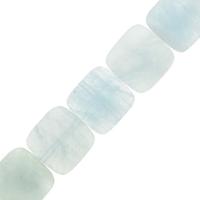
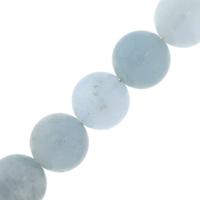
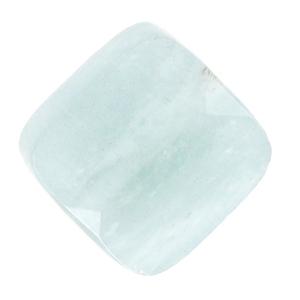
Birthstone:Aquamarine
With colors reminiscent of the ocean, this gemstone takes its name from the Latin "aqua marina."
This natural stone is renowned for its great beauty. Thanks to its hardness, it was widely used for engraving in Egypt and Greece.
Whether as mermaid jewelry or nymphs’ treasures, this stone features prominently in mythology.
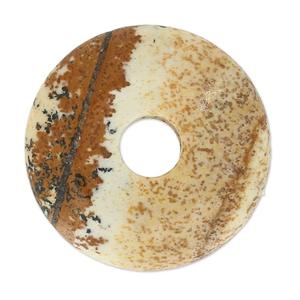
Alternative Stone:Jasper
The name of this natural stone(formerly known asa “semi-precious stone”) comes from the Greek “iaspis” and “jaspidem,” meaning “speckled stone.” Known since ancient times, this natural stone was used for decoration, ornamentation, and jewelry making.
Birthstone for the month of April
Birthstone:The Diamond
The diamond is one of the four stones classified as precious stones.
Coveted for its purity, the diamond was considered a powerful talisman worn by warriors.
Alternative Stone:The Sapphire
The sapphire is classified as a gemstone. While it is best known for its intense, deep blue color, similar to indigo, it can sometimes be green, yellow, or orange.
In the past, travelers wore it as a talisman to protect them from bad luck.
Birthstone for the month of May
Birthstone: The Emerald
The emerald is one of the four precious gemstones.
It has long been worn by sailors and travelers as a talisman to protect them from all dangers.
Alternative stones:
- Carnelian
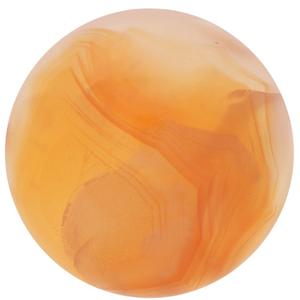
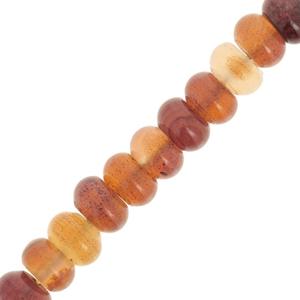
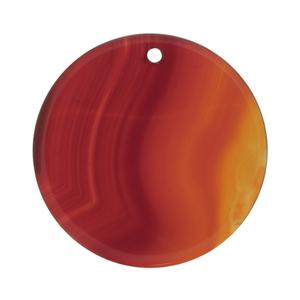
The name of this gemstone, formerly known asa “semi-precious stone,” is said to derive from the dogwood tree. Indeed, its color closely resembles that of the fruit of this shrub. It also evokes the colors of sunrise and sunset.
- orAgate
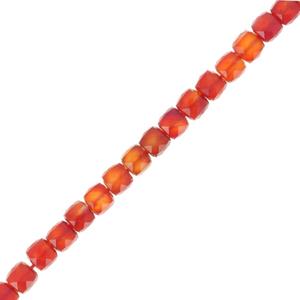
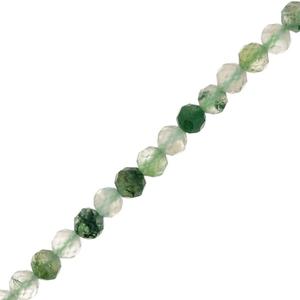
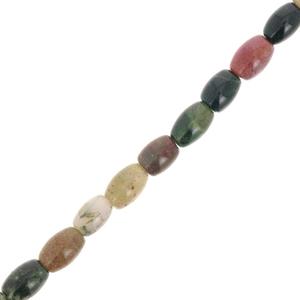
This gemstone takesits name from the Sicilian river “Achates,” where it was first found in abundance. Black, red, orange, yellow, green, pink… Agate comes in nearly every color imaginable.
Birthstone for the month of June
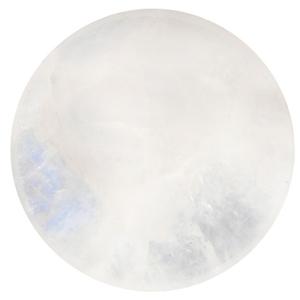
Birthstone: Moonstone
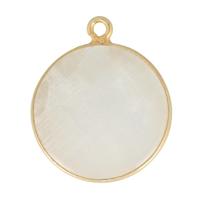
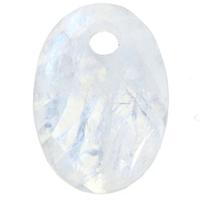
The name of this semi-precious stone, also known as moonstone, comes from the terms “kanta,” meaning “beloved,” and “chandra,” meaning “moon.” Our ancestors saw a striking resemblance between it and the moon’s glow.
Alternative stones:
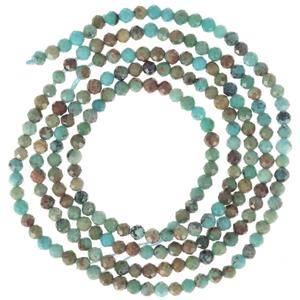
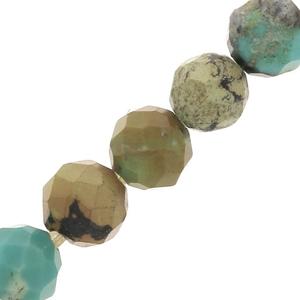
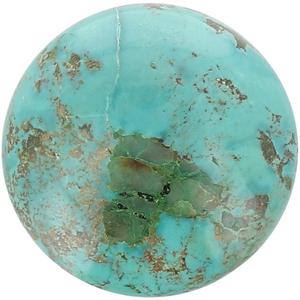
- Natural Turquoise
The name “turquoise” means “stone from Turkey.” It symbolizes water, fire, and the sun.
- Agate
It takes its name from the Achates River (now the Dirillo) in Sicily. Highly prized since ancient times for its varied colors and different shapes, it was worn as rings, necklaces, bracelets… - or the Emerald
Its name comes from the Latin “smaragdus” and the Persian “zamarat,” meaning “heart of stone.” Known since ancient times, it was highly prized for its brilliance and deep green color.
Birthstone for July
Birthstone:The Ruby
The ruby is also a precious gemstone. Its red color symbolizes love, loyalty, and courage.
Alternative stones:
- Carnelian
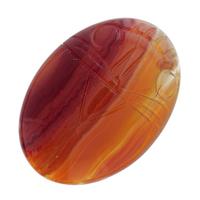
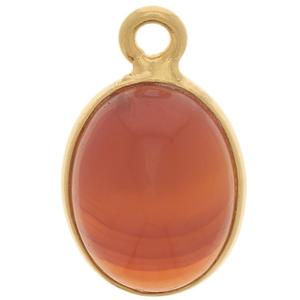
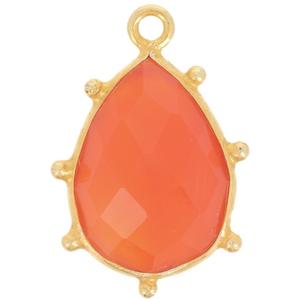
Carnelian ranges in color from orange-red to dark red. It is sometimes confused with its cousin, agate.
- or Sardonyx
It is a mixture of sard and onyx, hence its name! It comes in various colors, such as orange-red, black, beige, white, green, or brown. It also features parallel bands, which are usually white.
Birthstone for August
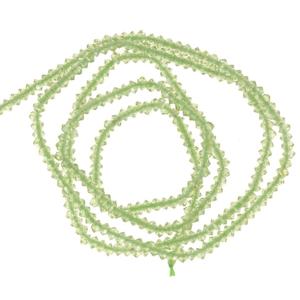
Birthstone:Peridot
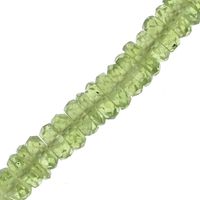
Nicknamed the “sunstone” by the Egyptians, peridot is one of those stones that fascinate with their brilliance.

Alternative stones:
- Topaz
Known since ancient times, topaz is a gemstone that comes in many colors, such as white, yellow, orange, pink, red, blue-green, purple, and even multicolored. Yellow topaz was often confused with citrine. - Moonstone
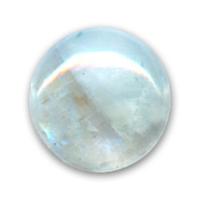
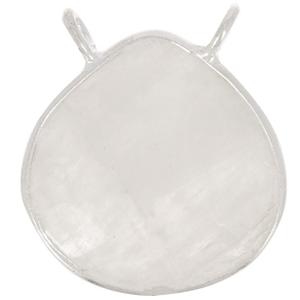
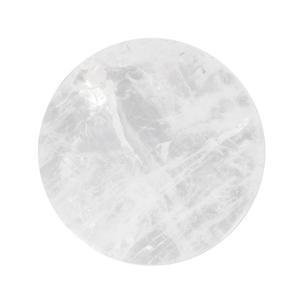
Also known as “moonstone,” the name of this gemstone with pearlescent, even bluish, sheen refers to the moon.
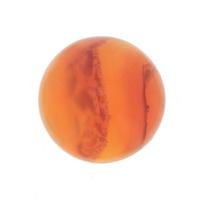
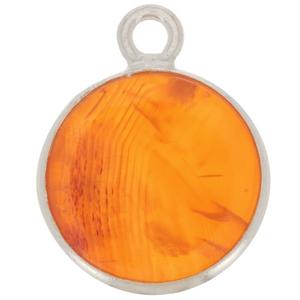
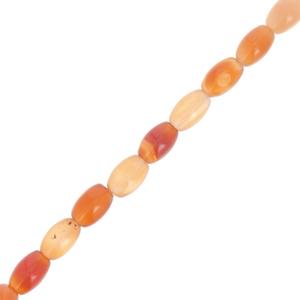
- Carnelian
This natural stone with its lovely orange-red color owes its name to the fruit of the dogwood tree.
- or Alexandrite
This gemstone has the unique property of changing color depending on the light: blue-green in natural light, it turns raspberry red under artificial light. When it was first discovered, it was mistaken for an emerald.
September’s Birthstone
Birthstone: Sapphire
The sapphire is one of the four precious gemstones. It is recognized by its deep, intense blue color.
Alternative birthstone: Sardonyx
Sardonyx is formed from two natural stones: “sard” and “onyx.” Since ancient times, it has been considered the stone of virtue.
October Birthstone
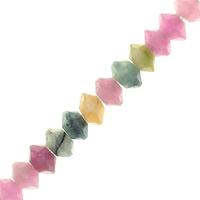
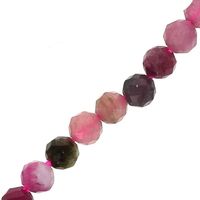
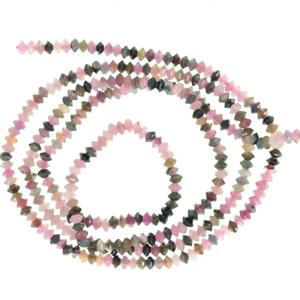
Birthstone: Tourmaline
Although it is best known for its pink hue, this natural stone lives up toits name. In fact, the name comes from Sinhala (the language spoken in Sri Lanka) and means “stone of mixed colors.”
Alternative birthstone: Opal
Renowned for its beauty and rainbow colors, the opal derives its name from the Sanskrit word “Upala,” meaning precious stone, the Latin “opalus,” and the Greek “opallios,” meaning “to see a change in color.”
November’s Birthstone
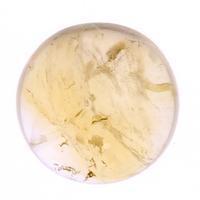
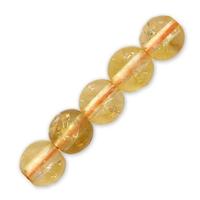
Birthstone: Citrine
The name of this gemstone comesfrom its color, which resembles that of a lemon.
Known since ancient times, this natural stone was considered a good-luck charm.
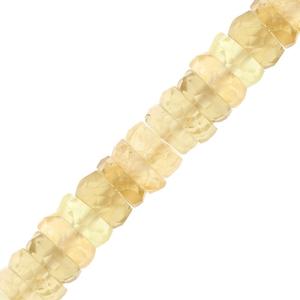
Alternative stones: Topaz
Topaz has been known since ancient times. It comes in several colors, ranging from white to green, including purple, pink, blue, and yellow.
Birthstone for the Month of December
Birthstone: Blue Topaz
The color of blue topaz ranges from pale blue (Sky Blue) to very vivid blue (Swiss Blue), including shades of blue-gray (London Blue) or nearly colorless.
Alternative stones:
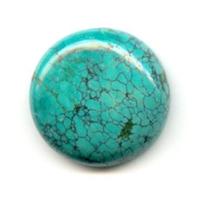
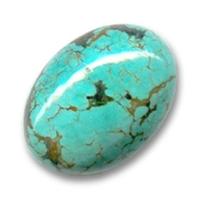
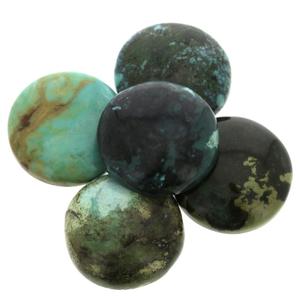
- Turquoise
Very popular since ancient times, turquoise comes in various shades of blue. It is widely used in jewelry making to create necklaces, bracelets, rings, pendants, and more...
- Or Tanzanite
It is a fairly rare variety of zoisite. Although its most common color is blue, it is also found in pink, orange, yellow, or green.