Average Grades


Valor en dinero de una piedra sodalita?
1 Answer
Show answers

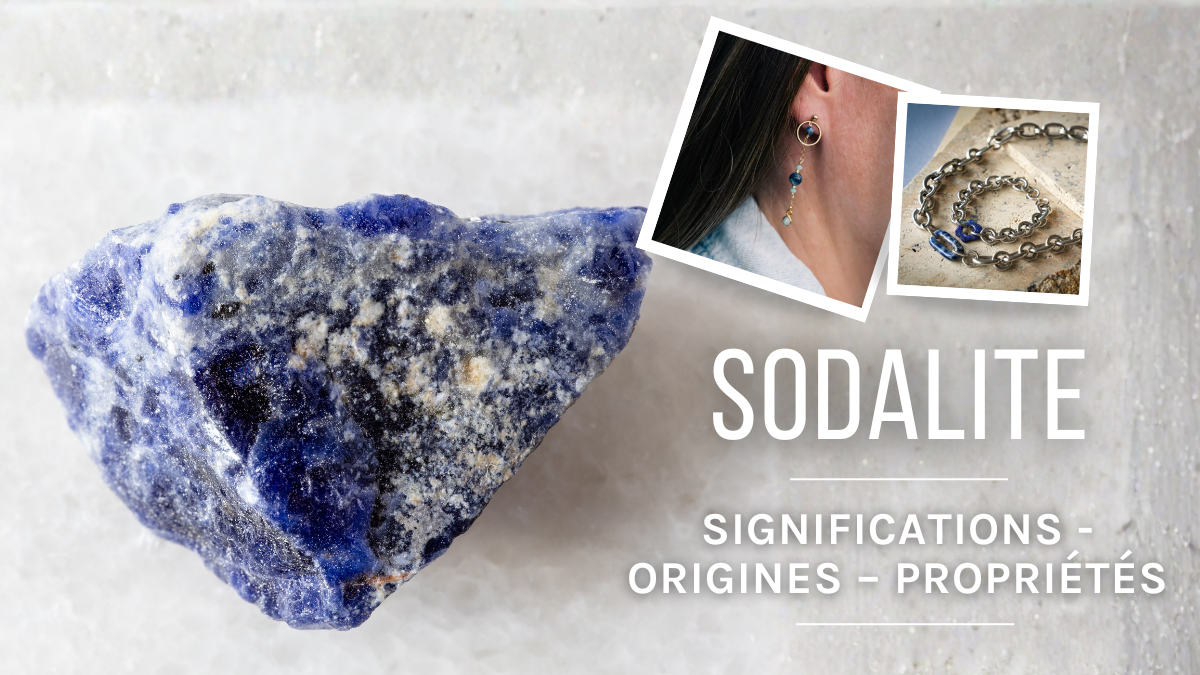
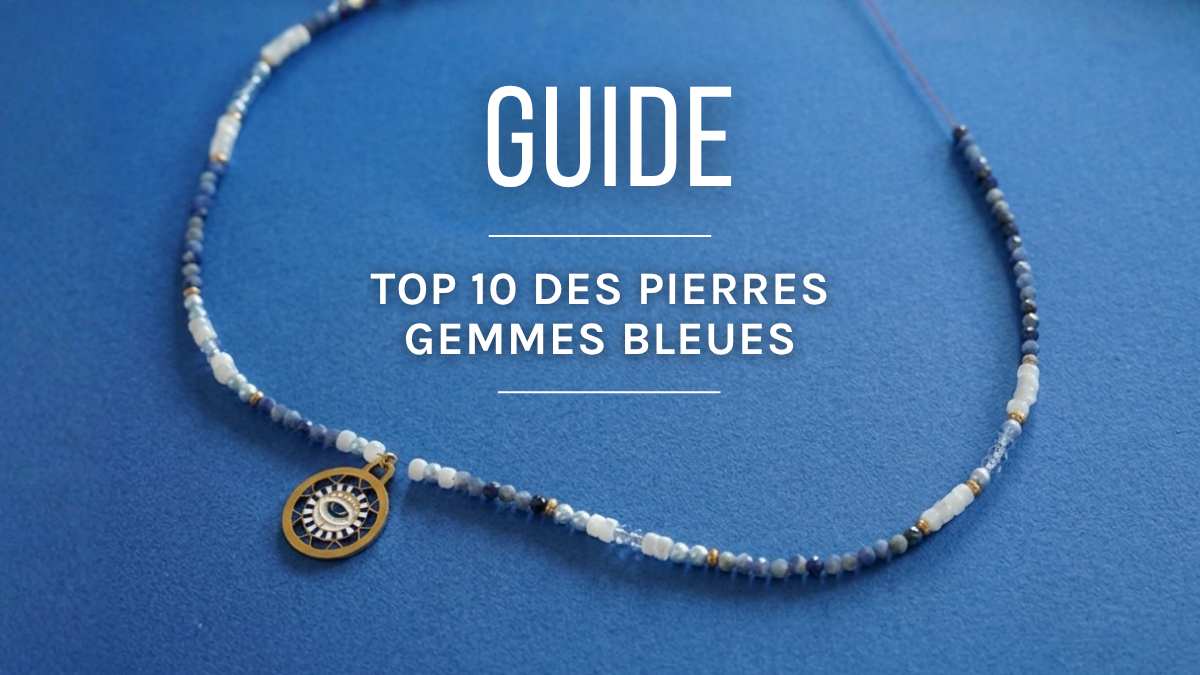
Sodalite is a fine, deep azure-blue stone, sometimes veined with white, gray or pink, often confused with lapis lazuli. It comes mainly from deposits in Afghanistan, Canada and Brazil, and is prized for jewelry such as necklaces and bracelets. Although it is renowned for its lithotherapy benefits, it is above all appreciated for its beauty in jewelry.
Often confused with lapis lazuli, sodalite is a gemstone with an azure-blue color veined with white, gray, or pink. Highly prized in both jewelry making and crystal healing, it is used to create necklaces, bracelets, pendants, and earrings.
Create your own natural stone jewelry with our sodalite jewelry components and beads!
The name “sodalite” comes from the Latin “soda,” meaning sodium, and “lithos,” meaning “stone.” It is, therefore, the sodium stone!
Although blue sodalite was likely used by ancient civilizations to make jewelry and decorative objects, its “official” discovery did not occur until 1806 in Greenland. It was first identified and described by the Scottish chemist and mineralogist Thomas Thomson in 1811.
In the early 20th century, during a diplomatic visit to Canada, Mary of Teck, wife of King George V, fell head over heels in love with this blue stone. She then ordered a large quantity of it for the decoration of Marlborough House in London, greatly contributing to the popularity of sodalite.
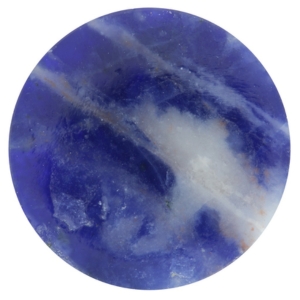
| Flatcabochon | Olive-shapedbead | Faceted ballcharm |
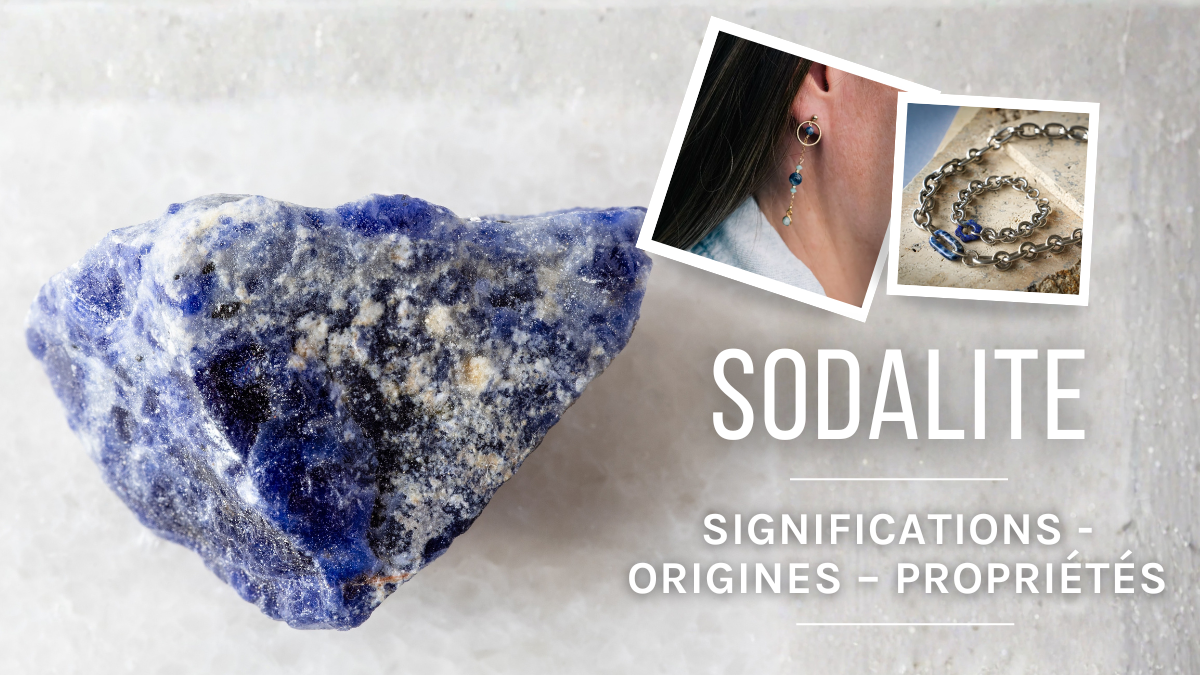
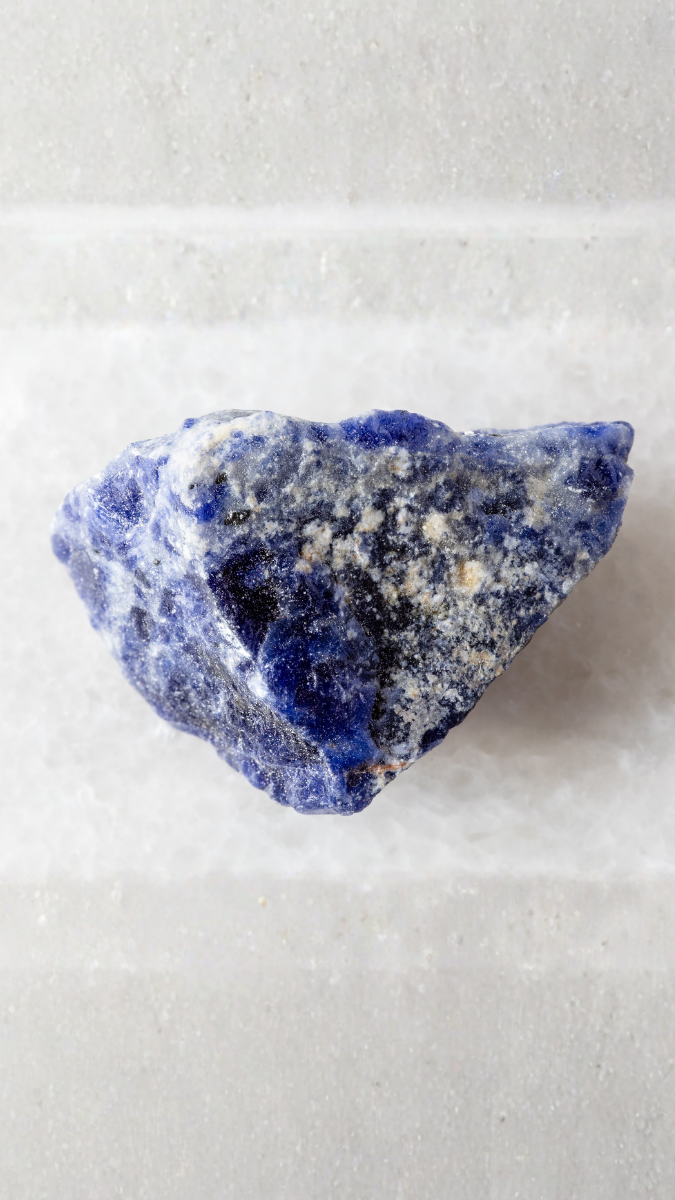
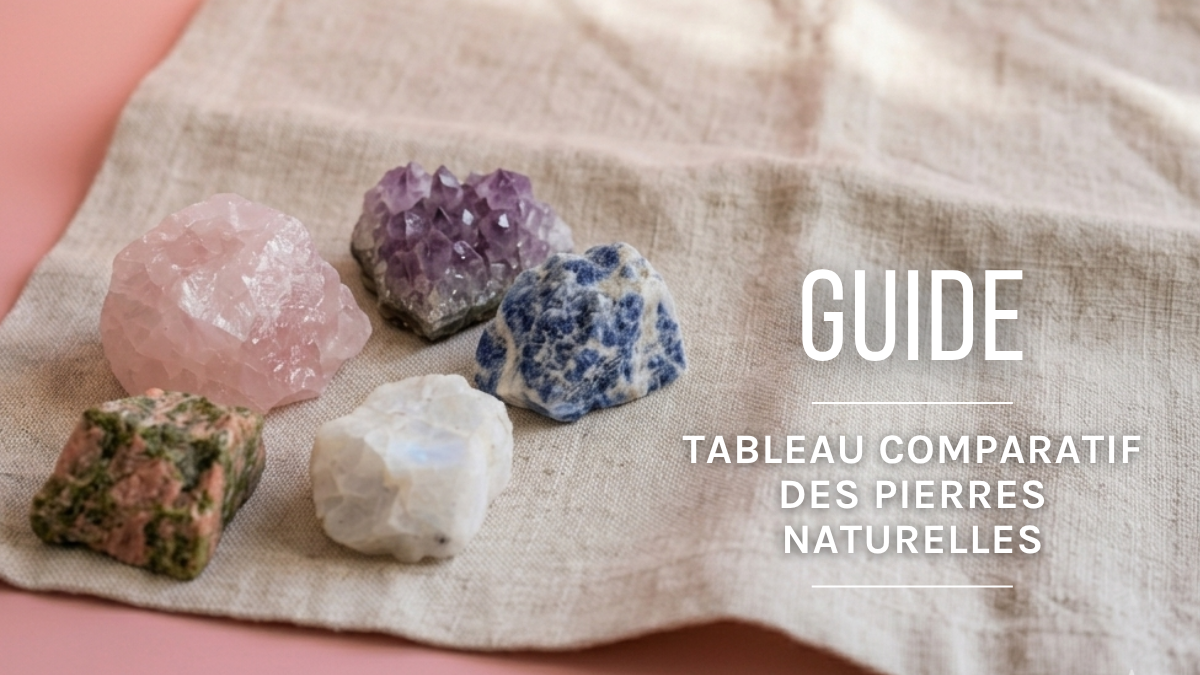
This gemstone is a deep azure blue, with light—or even white, gray, purple, and pink—veins and spots. It is a gemstone that is both opaque and translucent.
Because of its blue color, it is often mistaken for lapis lazuli.
This blue stone belongs to the feldspathoid family. It has a hardness of 5.5 to 6 onthe Mohs scale, and its density ranges from 2.27 to 2.33.
The main deposits of sodalite are found in Afghanistan, Bolivia, Brazil, Canada, Bahia, the United States, France, Greenland, India, Italy, Pakistan, and Africa.
In crystal healing, sodalite symbolizes understanding. It is said to promote mental clarity, communication, intuition, and creativity. It is also believed to help develop self-control and logical thinking.
It is considered a stone of balance and calm. It is also said to be the perfect stone for meditation.
Sodalite is associated with the throat chakra. This is the chakra linked to communication, self-expression, and listening.
Please note: Our gemstones are not sold for use in crystal healing. The effects of gemstones have not been scientifically proven. Natural gemstones are in no way a substitute for medical expertise or medical treatment.
Like all natural stones used in crystal healing, sodalite must be purified and recharged regularly to restore its full energy.
To cleanse it of negative energy and purify it, there are several methods:
It can be recharged by placing it in direct sunlight for a few hours or under moonlight at night. To enhance the process, you can place it on a cluster of quartz or an amethyst geode.
Sodalite is a natural stone that pairs equally well with warm and cool colors. Gold filled, 3-micron gold-plated, gold-plated stainless steel, 925 Sterling Silver fine gold plated, and even Rose Gold will enhance its intense color. But if you’re looking for jewelry with a cool, understated elegance, 925 Sterling Silver or stainless steel will be perfect.
In crystal healing, it’s recommended to pair it with complementary stones or those with similar energetic and synergistic properties, such as lapis lazuli, amethyst, howlite, rock crystal, or blue calcite. But there’s nothing stopping you from using it with other semi-precious stones.
Which stones should you avoid pairing with it? Crystal healers advise against wearing stones with conflicting energies. The combination of black tourmaline and sodalite, for example, should be avoided.

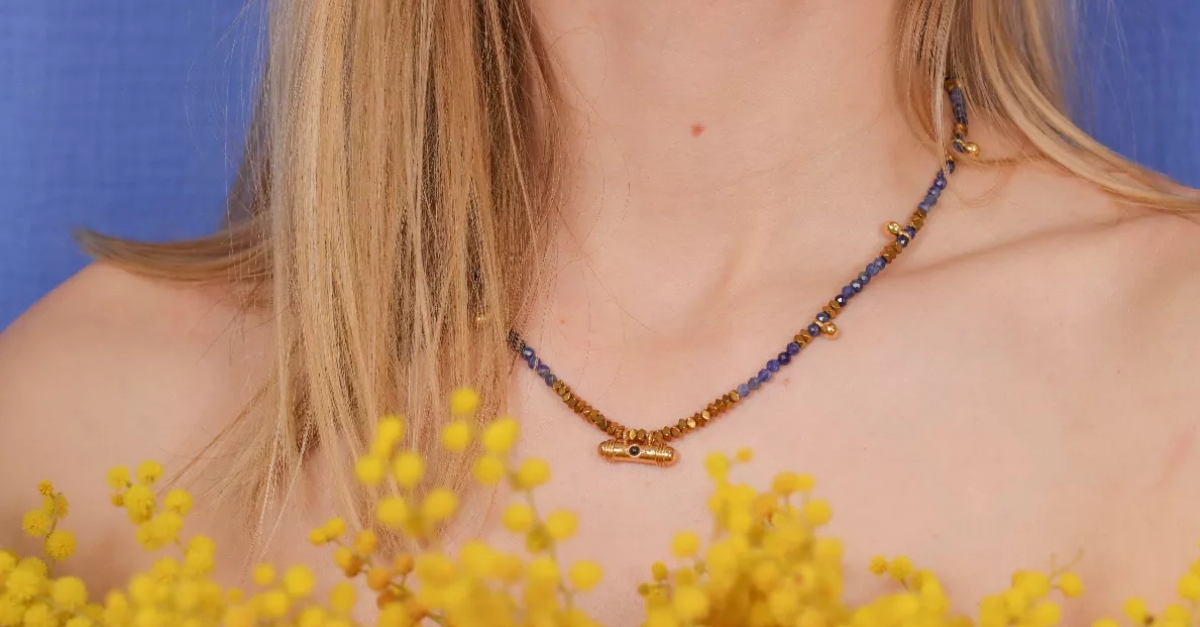
| Gold-tonehoop earrings with sodalite | Necklace and bracelet with round sodalite beads, mini hematite discs, and charms |


| Fine gold platedsun-shaped earrings with sodalite | Earrings featuring sodalite stones and pleated sequins |

Credits
Perles & Co, Internet & E-Commerce company [30/11/2025] Any reproduction, representation, adaptation, in any form whatsoever, even partial, is prohibited, except for reproduction for private use not intended for collective use, representation in the family circle (art. L 122-5 CPI) and online publishing on condition that the source is mentioned and a link is included to the corresponding page of our site www.perlesandco.com.