Average Grades


Tengo una turmalina verde con cuarzo ,juntas las dos ,que significa y para que sirve ?
1 Answer
Show answers

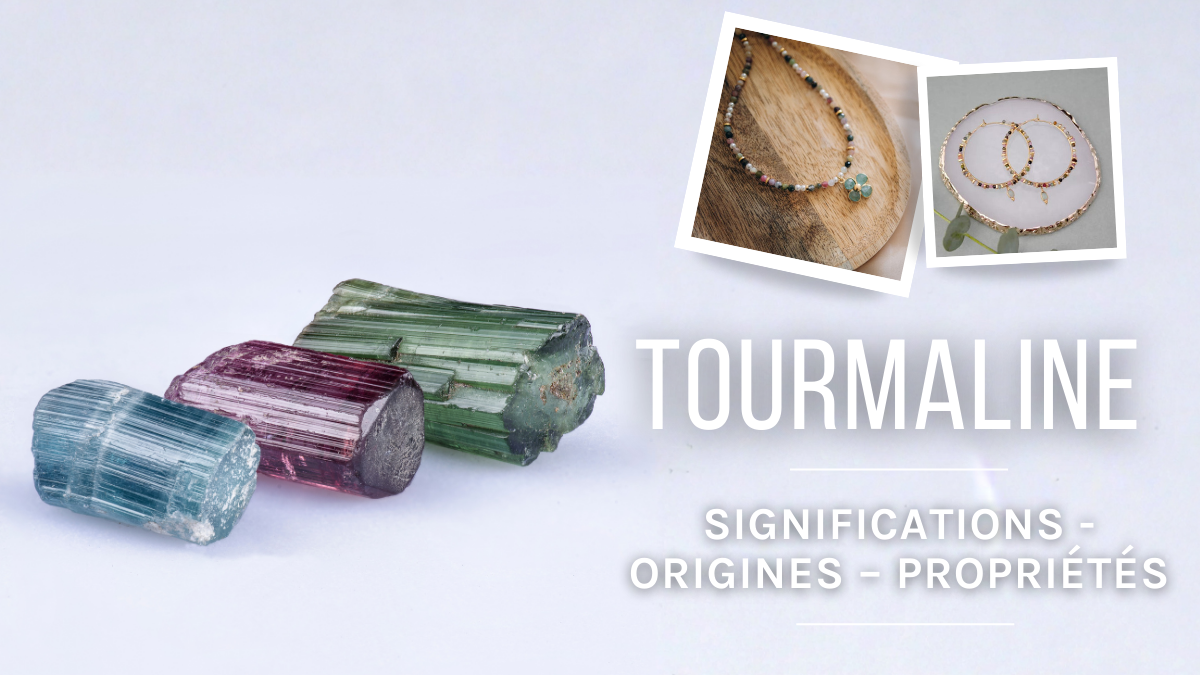
Tourmaline, nicknamed the "stone of a thousand colors", comes in a variety of hues from black to pink, green and blue, and is found mainly in Afghanistan, Brazil and Tanzania. Although each color has its own specific characteristics, black tourmaline is the most common and is often used for its protection against negative energies.

The name of this gemstone comes from the Sinhalese language, the official language of Sri Lanka—“turamali”—which means “stone of a thousand colors.”
In ancient times, tourmaline was used by the Egyptians and Greeks as an ornamental stone. The Romans, for their part, believed in its protective power, which is why they wore it as a talisman. During this period, black tourmaline was also associated with magic and sorcerers. Legends tell that the great magicians of the time invoked this gemstone to protect themselves from demons and malevolent entities roaming the earth.
The philosopher Theophrastus made a surprising discovery about tourmaline. He observed its pyroelectric properties (static electricity) because it attracted straw, ashes, or small pieces of wood.
Because of its pyroelectric effect, alchemists believed it was linked to the philosopher’s stone.
This colorful stone reached the height of its popularity in the 17th century. Jewelers used it to adorn the crowns of Russian monarchs.
In the 18th century, Dutch merchants imported large quantities of it from Sri Lanka. They called it “asshentrekker,” meaning“ash band,” because of its electrostatic properties.
It was believed that this natural stone was beneficial for artists, authors, actors, and creators.
Even today, among certain African, Native American, and Aboriginal tribes, this stone is worn as a talisman in a necklace or bracelet to protect the wearer from all dangers.
Tourmaline is a natural stone renowned for its diversity of shades and color variations. These colors range from green to pink, including purple, black, green, blue, red, ochre, and brown:
Some varieties may be colorless. Other stones may feature a combination of two colors or different colors, creating unique and fascinating effects. This is the case with watermelon tourmaline, with its pink and green hues.
Legend has it that tourmaline passed through a rainbow on its journey from the depths of the earth to the surface, capturing all of its colors.


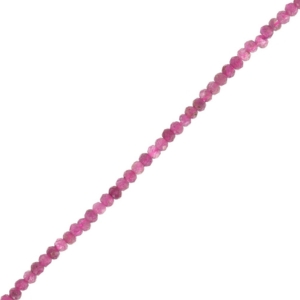
| Facetedrondelle beads inthe abacus-style design with tourmaline | Faceted round tourmalinebeads | Faceted round pink tourmaline beads |
This fine stone (formerly known asa “semi-precious stone”) has a hardness of between 7 and 7.5 on the Mohs scale and a density of between 2.8 and 3.3.
The main deposits are found in Afghanistan, Angola, Australia, Burma, Brazil, the United States, India, Madagascar, Mozambique, Rhodesia, Russia, Sri Lanka, Tanzania, and Thailand.
Considered in crystal healing as a protective stone, this gemstone is said to counteract electromagnetic waves and negative energies. It is an excellent aid for meditation. It is also said to help calm emotions and alleviate stress.
Which chakra is associated with tourmaline?This gemstone is associated with several chakras depending on its color and energetic properties:
Warning: Our gemstones are not sold for the purpose of crystal healing. The effects of these stones have not been scientifically proven. Natural stones are in no way a substitute for medical expertise or medical treatment.
Like all gemstones, tourmaline must be recharged regularly to restore its full properties.
Before recharging it, you must clean and purify it. To do this, you can rinse it with distilled water or place it in a container of distilled water for a few minutes. Next, rinse it with clean water and dry it with a clean, soft cloth. Then proceed with purification, either by passing it through incense or sage smoke, or by burying it in the ground.
Finally, to recharge it, simply expose it to sunlight or moonlight for a few hours.
Since tourmaline comes in many colors depending on its variety, it appeals to both fans of gold and fans of silver. Gold filled, stainless steel, 925 Sterling Silver, gold-plated stainless steel, gold-plated metal, or even 925 Sterling Silver fine gold plated… all of these work well with it.
Which stone pairs well with tourmaline? In crystal healing, it’s recommended to wear tourmaline with gemstones that have complementary powers or similar benefits:
But there’s nothing stopping you from pairing it with other natural stones, depending on your preferences, tastes, and DIY project.
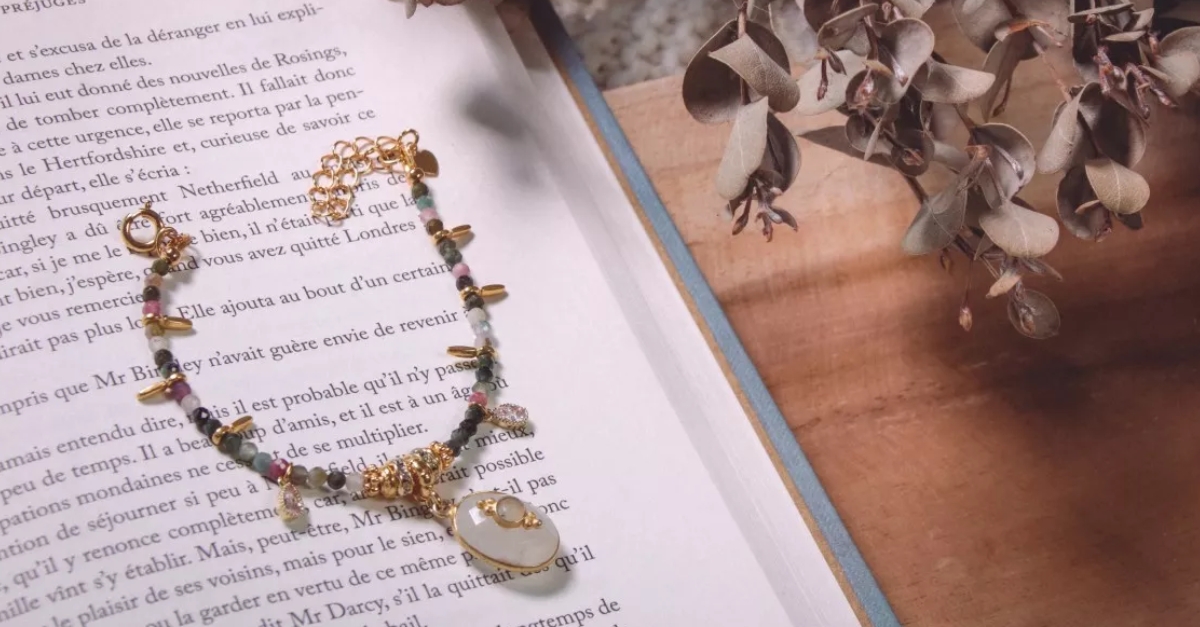
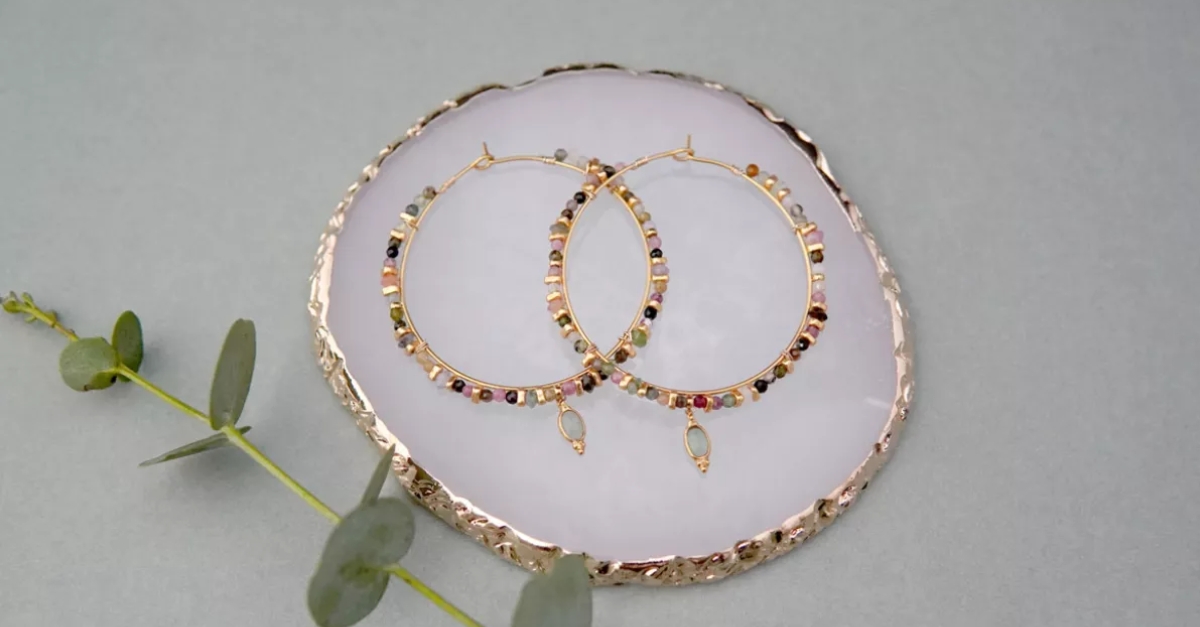
| TourmalineGemstone Bracelet with Charms | Gold-plated stainless steel hoop earrings with tourmaline beads |
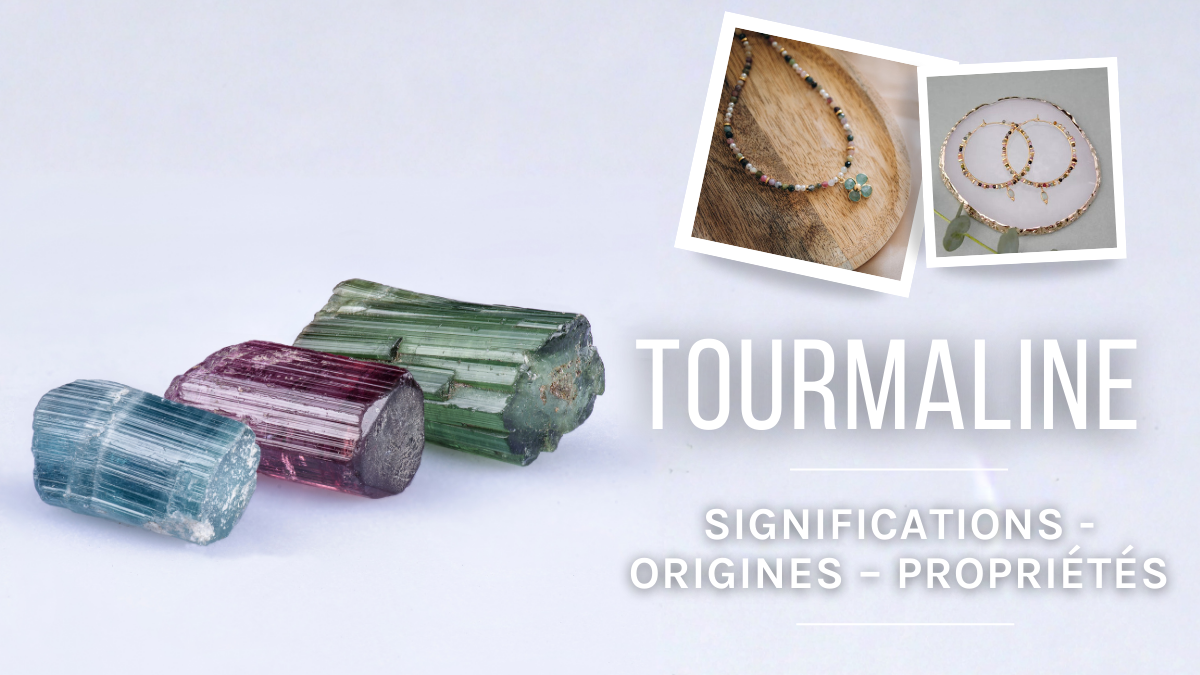
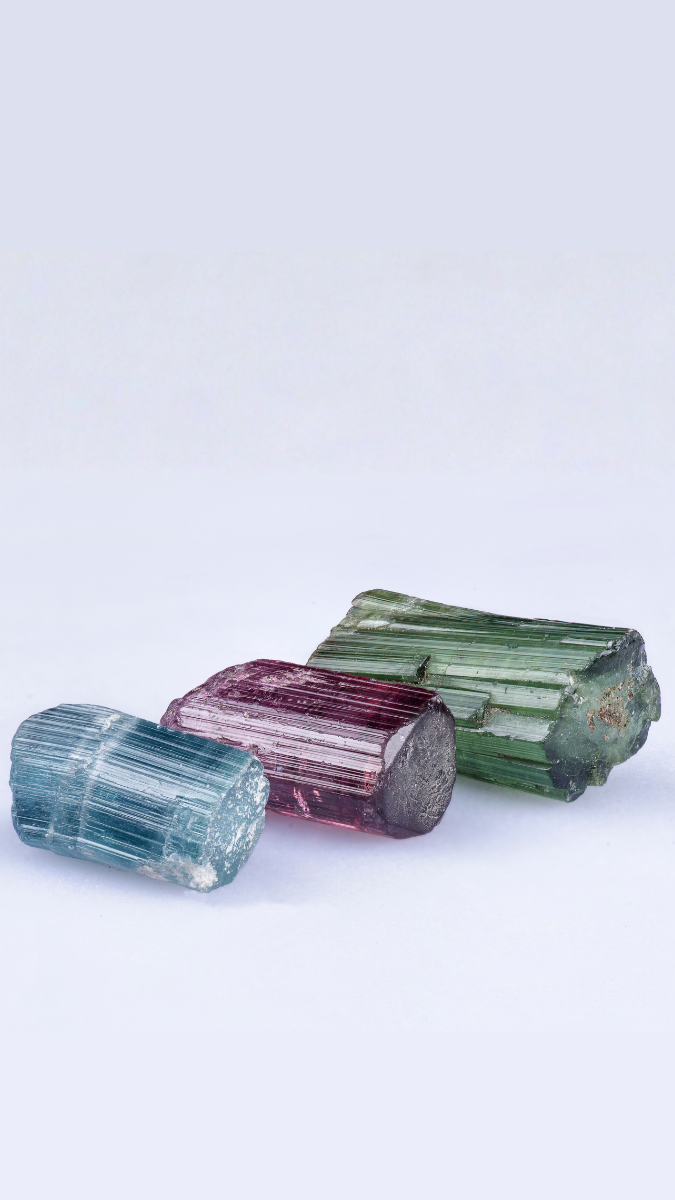

The natural stone associated with October is Tourmaline.
Credits
Perles & Co, Internet & E-Commerce company [25/02/2026] Any reproduction, representation, adaptation, in any form whatsoever, even partial, is prohibited, except for reproduction for private use not intended for collective use, representation in the family circle (art. L 122-5 CPI) and online publishing on condition that the source is mentioned and a link is included to the corresponding page of our site www.perlesandco.com.