Average Grades



Cómo se extrae el citrino?
1 Answer
Show answers

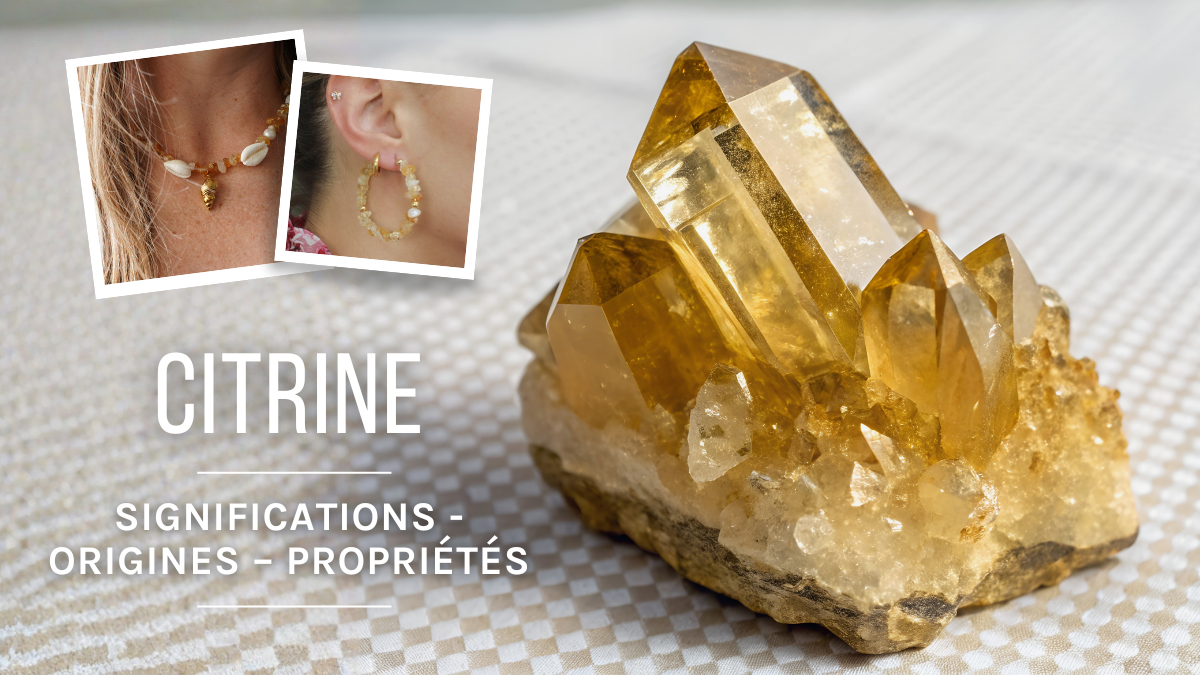
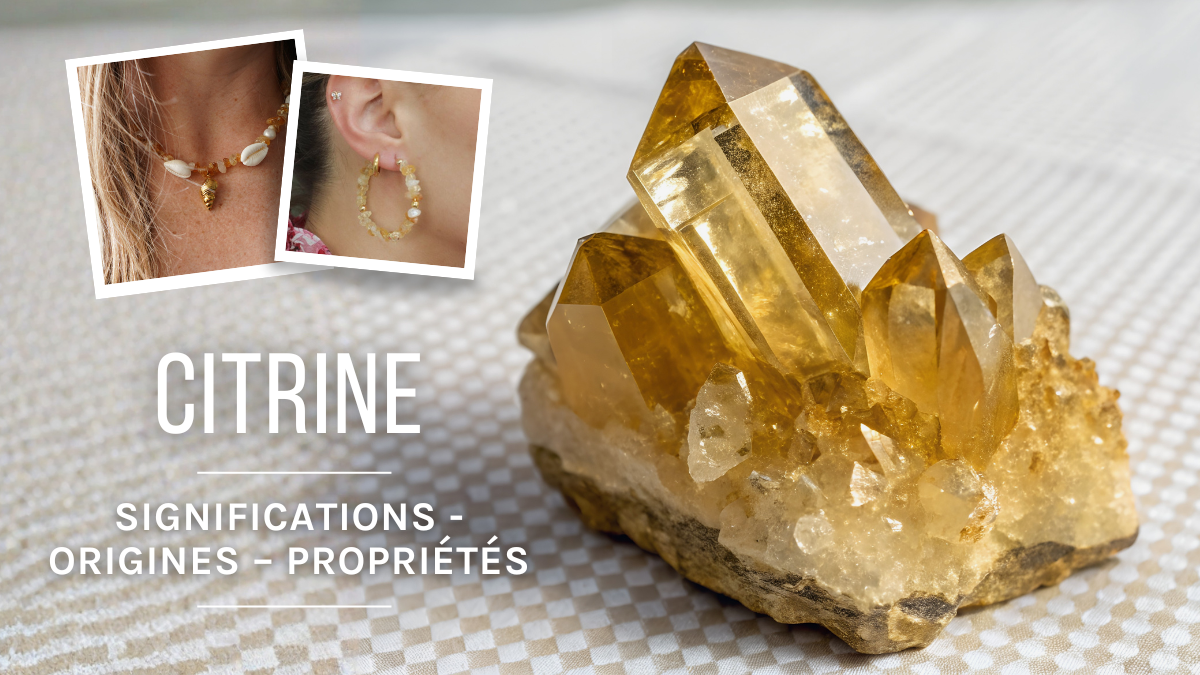
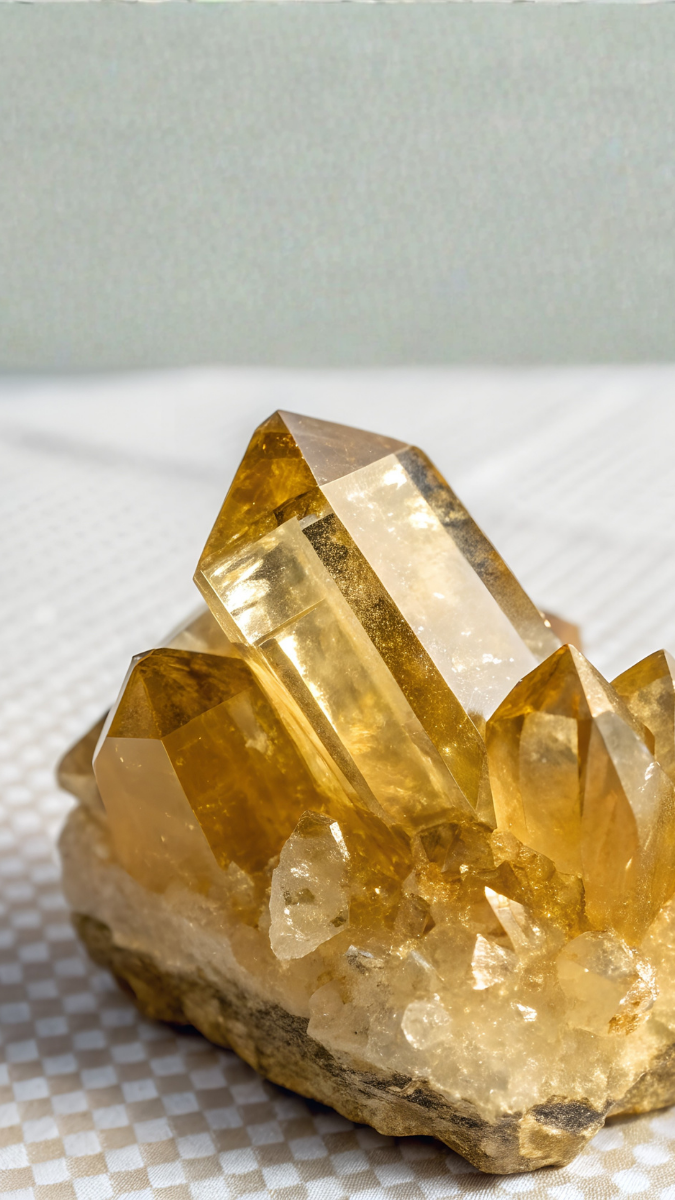
Citrine, a yellow quartz ranging from pale yellow to orange-brown, is prized for its beauty and strength, with major deposits in Madagascar, Brazil and Europe. It differs from yellow topaz in its composition and is often used in jewelry for its sunny color, bringing a touch of luck and nobility, particularly in China.
Citrine is a transparent yellow quartz that has been highly prized in jewelry and crystal healing since ancient times. It gets its name from its sunny color, which is reminiscent of a citrus fruit.
Why not make your next piece of jewelry with citrine? Check out our website for our beads and jewelry findings. Need ideas for creating jewelry with natural stones? Get inspired by our tutorials to make earrings, necklaces, bracelets, and even rings with semi-precious stones.
The name of this gemstone comes from the Latin “citrus,” meaning “lemon.” It resembles the color of citrus fruits like the lemon.
It is sometimes called yellow hyaline quartz.
In ancient Greece, this natural stone was considered a good-luck charm, capable of warding off the evil eye and protecting against reptiles. It was worn as a talisman or amulet in jewelry.
The Romans were particularly fond of it in jewelry. It was cut into pendants, cabochons, or beads and used to adorn rings, brooches, and necklaces. Citrine was also used in the creation of decorative and religious objects.
In China, the color yellow is often associated with good luck and nobility. That is why citrine, because of its golden color, was nicknamed the “lucky stone” or “merchant’s stone.” Chinese merchants kept one in their cash registers because they believed the stone would bring them fortune and wealth.
In the 19th century, this yellow stone adorned the combs and tiaras of high-society ladies.

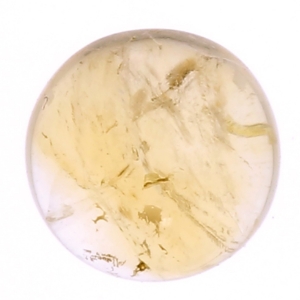

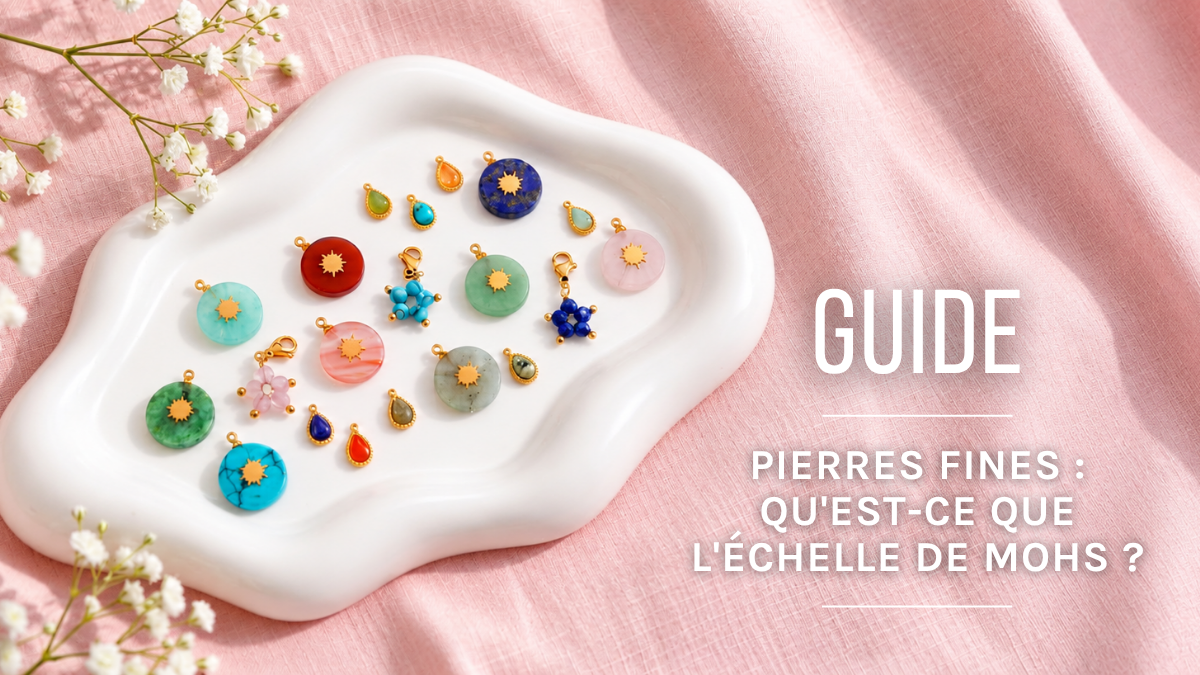
Citrine belongs to the large quartz family. It has a hardness of 7 on the Mohs scale, making it a sturdy stone. Its average density is 2.65 g/cm³.
While this gemstone is resistant to impact, it does not fare well in heat.
It ranges from pale yellow tobrownish orange, including lemon yellow and golden yellow. Its color is due to the small amount of iron oxide in its composition. It is transparent and has a vitreous luster.
Because of its color, it is sometimes mistaken for yellow topaz—due to their nearly identical hues—or for zircon.
When heated to 500°C, pale purple amethyst turns into citrine.
It is important to note that amethyst, citrine, smoky quartz, and crystal quartz all belong to the same mineral family: quartz.
When subjected to rising temperatures, quartz can change color:
It turns brown in the case of Smoky Quartz,
yellow for citrine,
purple for amethyst,
and, more rarely, blue for Blue Quartz—which explains why this last shade is rarer and more expensive.
These variations are natural and are what give this stone its charm.
The main citrine deposits are found in Madagascar, Europe (Germany, Spain, Austria, the Czech Republic), Brazil, and the United States.
It is found in the same deposits as amethyst. It sometimes even mixes with amethyst to create a striking purple and yellow stone. This is calledametrine.
In crystal healing, citrine is considered a positive stone that promotes joy and optimism and dispels negative energy. It is also believed to strengthen self-confidence, willpower, courage, and motivation.
It is said to reduce stress, anxiety, and depression.
It is also said to stimulate creativity and inspiration.
Which chakra is associated with citrine? This yellow stone is linked to the solar plexus chakra. It is said to help balance and stimulate this chakra by promoting a sense of self-confidence, mental clarity, and positive energy.
Citrine is recommended for meditation and Reiki practices.
If you’re a Leo, Sagittarius, or Gemini, citrine is the perfect stone for you!
According to crystal healers, cleansing and recharging citrine are important steps for maintaining its energy and effectiveness.
To cleanse it, you can gently soak it in saltwater (water mixed with non-iodized salt), unless the stone has inclusions or has been treated. Another option: pass the citrine through the smoke of incense, white sage, or cedar. The smoke clears away negative energies.
Citrine is sensitive to heat; avoid exposing it to direct sunlight. To recharge it, it’s best to place it in the moonlight. Place your citrine on a cluster of quartz or inside a quartz geode to enhance the effect of this step.
Citrine pairs perfectly with the color gold. Use gold-plated, Gold Filled, or gold-finished stainless steel jewelry findings to create unique bracelets, rings, necklaces, or earrings.
The combination of citrine and silver also works well. If you’re part of the “silver team,” you can easily create beautiful DIY jewelry using stainless steel or 925 Sterling Silver.
Which stones pair well with citrine? Amethyst, rose quartz, carnelian, aventurine, and pyrite. Combining any of these stones with citrine can amplify their energies.
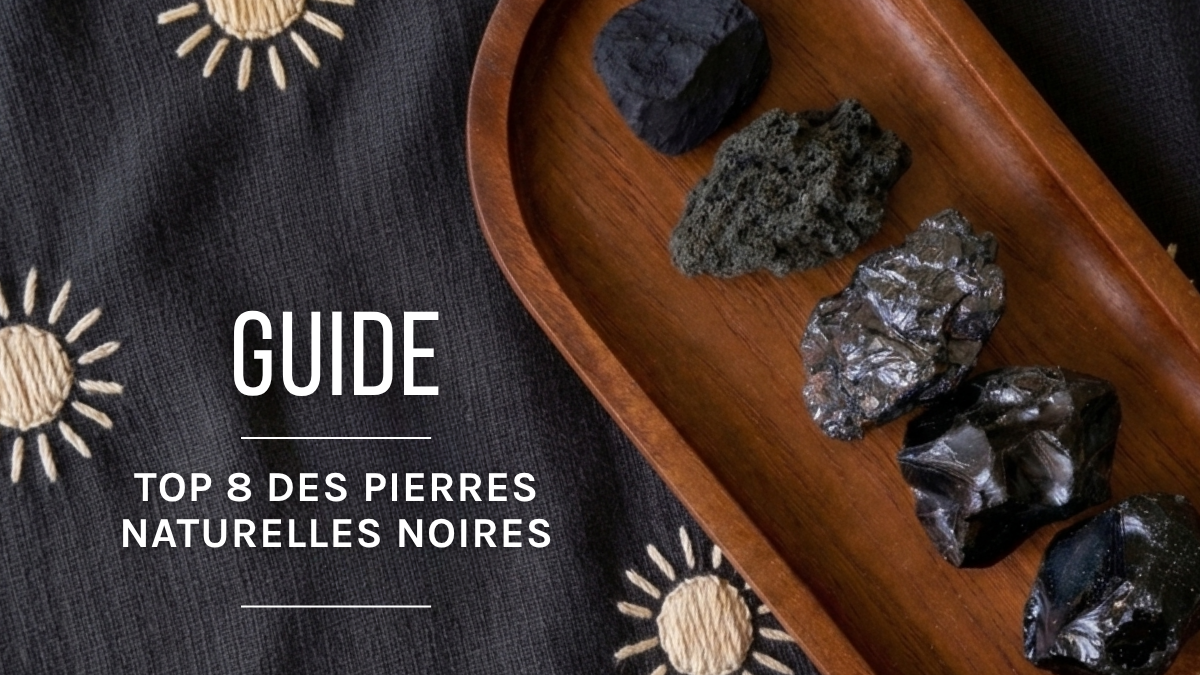
Which stones should not be paired with citrine? Black onyx, hematite, and obsidian. These stones have energies that are too powerful and could counteract the benefits of citrine.

Credits
Perles & Co, Internet & E-Commerce company [13/01/2026] Any reproduction, representation, adaptation, in any form whatsoever, even partial, is prohibited, except for reproduction for private use not intended for collective use, representation in the family circle (art. L 122-5 CPI) and online publishing on condition that the source is mentioned and a link is included to the corresponding page of our site www.perlesandco.com.