Average Grades
Me pueden hacer unos aretres de cornalina Montafon en oro y un amollo? Y el costo?
1 Answer
Show answers

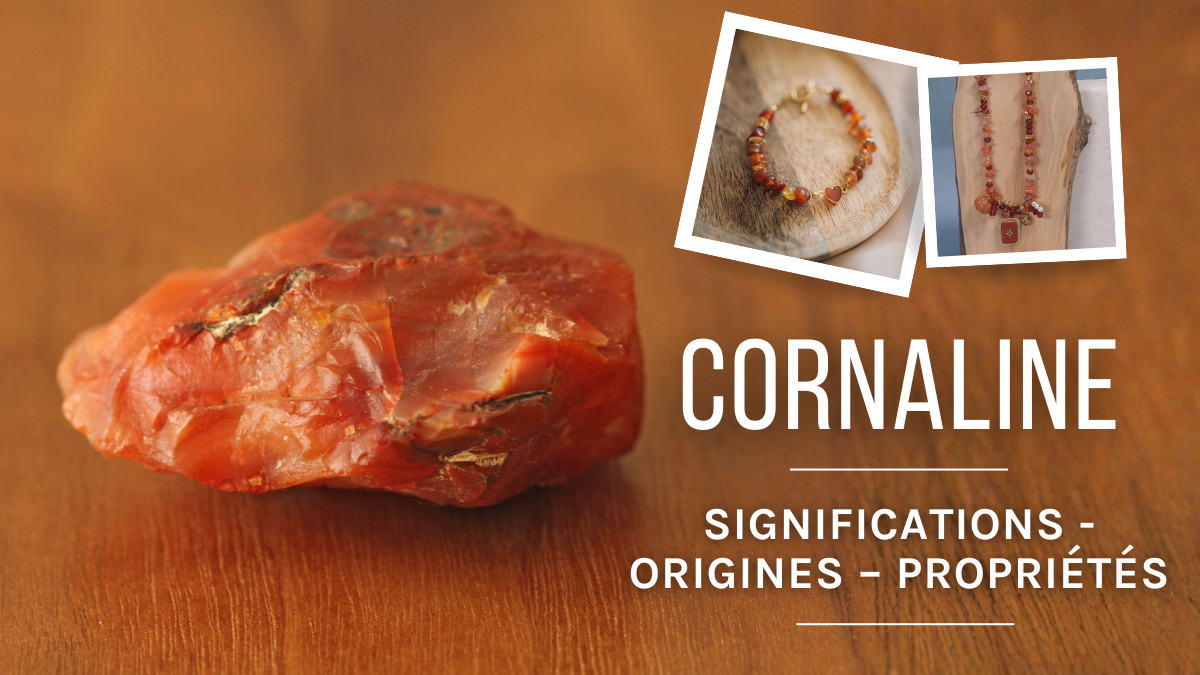
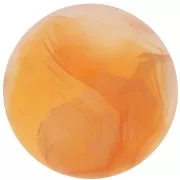
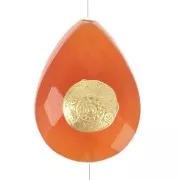
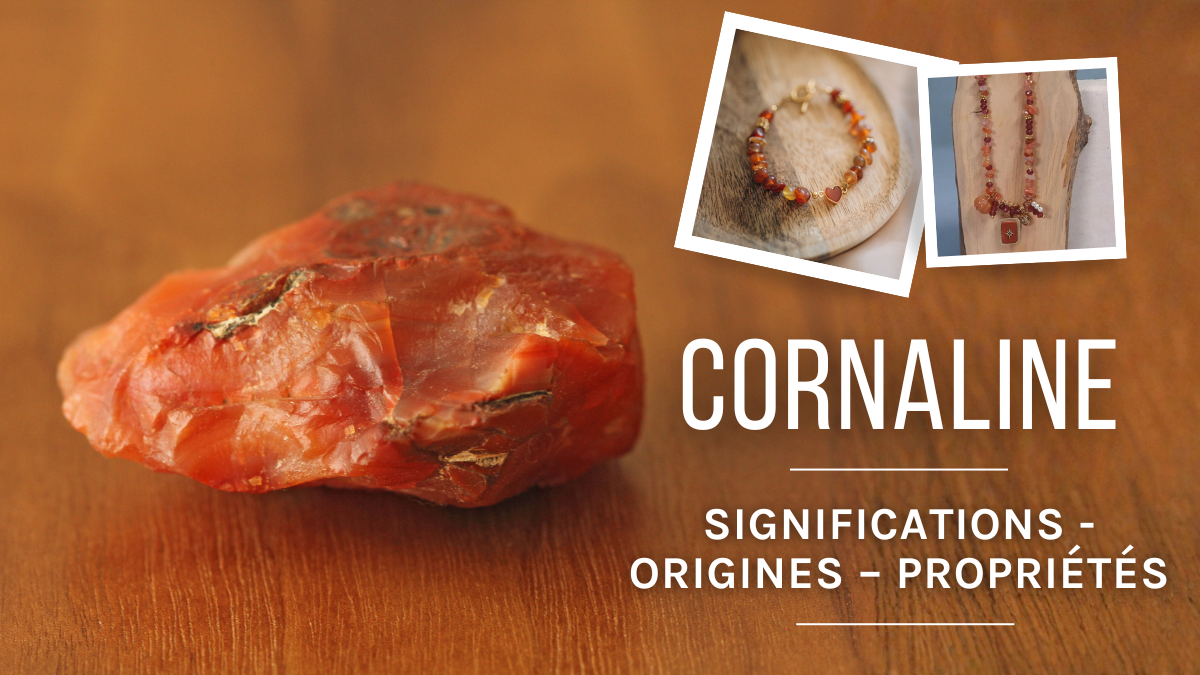
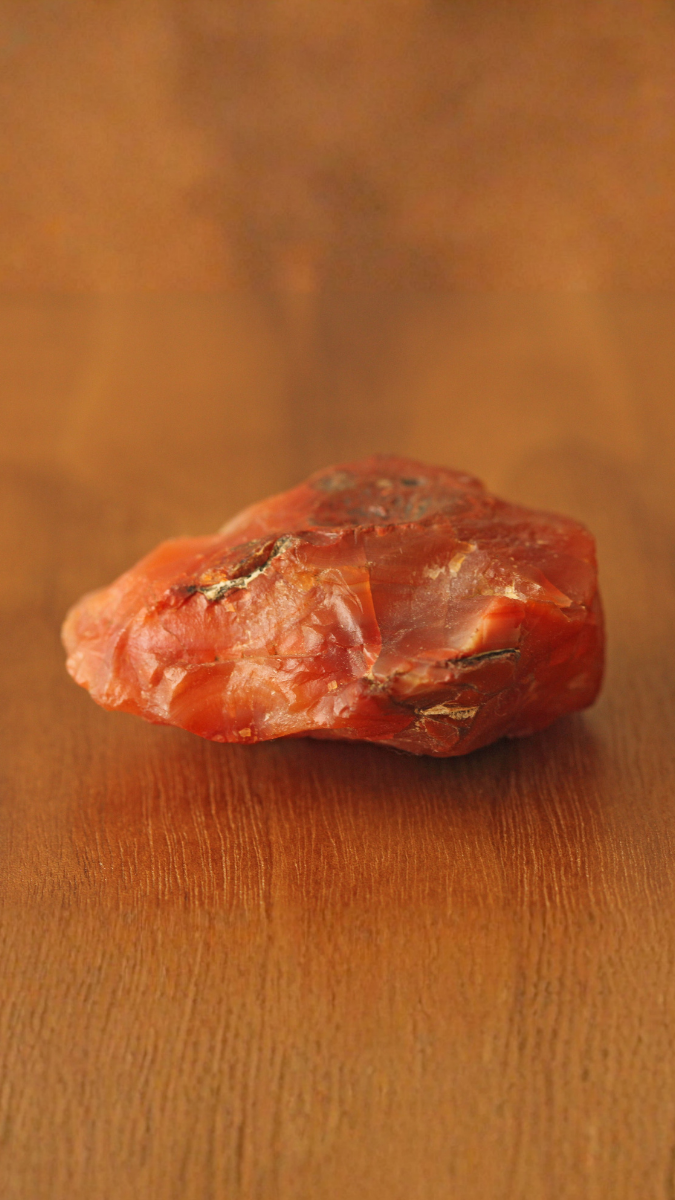
Carnelian is a fine, orange-red stone, highly prized in jewelry for its energizing brilliance. Main deposits : Brazil, India, Australia, Madagascar and Uruguay. Perfect for adding a touch of pizzazz to your creations, it stands out for its warmth, unlike Sardoine, which is browner.
Carnelian is a semi-precious stone highly prized in jewelry for its cheerful and energizing orange-red color. It adds a pop of color to a bracelet, necklace, or earrings.
You, too, can make your own gemstone jewelry with our carnelian jewelry components.
Carnelian is a gemstone (formerly known as a “semi-precious stone”). It takes its name from the Latin “cornus mas,” which refers to the fruits of the dogwood tree.
For thousands of years, it has been used to create jewelry, decorations, seals, and engravings. The earliest known uses of carnelian date back to 2700 B.C.
In ancient Egypt, this gemstone held a special place. Because of its color, the Egyptians nicknamed it “setting sun.” In mythology, the goddess Isis used carnelian to accompany the dead on their journey to the afterlife. Like emerald, lapis lazuli, or turquoise, this natural stone adorned the sacred headdresses of the pharaohs.
It was also a symbol of high social status.
In ancient Rome, it was carved into seals (since wax does not stick to its surface) and jewelry such as signet rings, engraved rings, or amulets to attract protection and good luck. To enhance its color, the Romans used gold or silver leaf.
In China, it was mixed with iron oxide. This mixture was used to glaze fine porcelain.
In the Middle Ages, it was said that carnelian brought courage and a warrior spirit to those who wore it on the battlefield.
Its color ranges from orange to vermilion red, orange-yellow, orange-red, and brownish red. The intensity and variations in its color depend on the concentration of iron oxide.
It is sometimes confused with sard, which has a more brownish color.
To enhance its color, gemstone artisans use heat treatment.
It belongs to the chalcedony family. It has a hardness of 6 to 6.5 on the Mohs scale and a density of 2.6.
It forms in cavities within volcanic rocks.


The main deposits of this orange-red gemstone are found in Brazil, India, Australia, Madagascar, and Uruguay.
In crystal healing, carnelian has many virtues. This gemstone is a protective and energizing stone, a symbol of vitality and dynamism. Its cheerful color is said to evoke courage, positivity, and strength while dispelling dark thoughts and negativity.
When placed at the solar plexus chakra, it is said to soothe anger and jealousy. It is believed to improve concentration and work performance, particularly for those who are easily distracted or daydreamers.
Linked to the sacral chakra (or lumbar chakra), it boosts creativity, vitality, self-confidence, and spontaneity.
It is well-suited for meditation using gemstones.
Warning: Our gemstones are not sold for the purpose of lithotherapy. Natural stones are in no way a substitute for medical expertise or medical treatment.
To clear away the negative energies that this natural stone has accumulated over time, it must be purified and recharged.
There are several techniques for cleaning and purifying it:
To recharge it, you can place it in sunlight or moonlight for a few hours. To enhance this method, place the carnelian on a pile of quartz or amethyst.
The shine and cool tones of925 Sterling Silver andstainless steel create an irresistible contrast that highlights the carnelian’s warm color. But there’s nothing stopping you from pairing it with gold-plated or Gold Filled jewelry settings. The result will be just as charming and will highlight its orange hues.
Which stones go well with carnelian? Pair it with citrine, garnet, red jasper, amber, sunstone, tiger’s eye, or calcite. These warm, energizing stones complement each other perfectly.
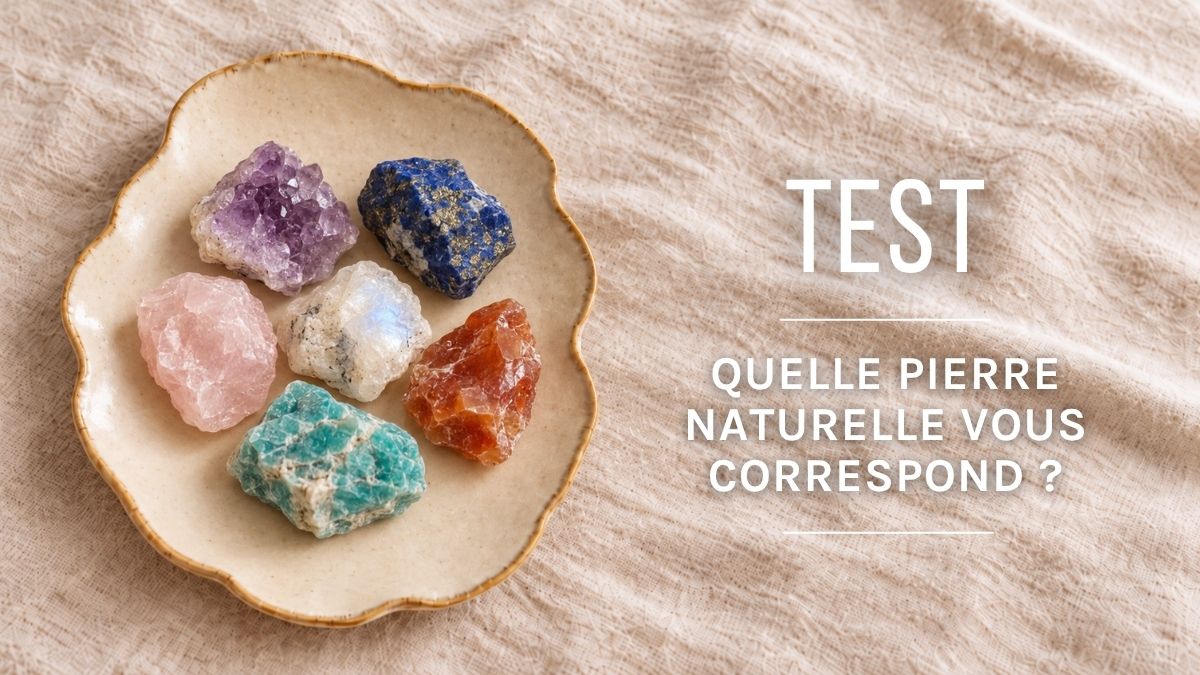
Which stones should not be paired with carnelian? Crystal healers advise against wearing carnelian with “cold” stones such as aquamarine, amazonite, or moonstone, as this may cause it to lose all its beneficial properties.



Credits
Perles & Co, Internet & E-Commerce company [04/02/2026] Any reproduction, representation, adaptation, in any form whatsoever, even partial, is prohibited, except for reproduction for private use not intended for collective use, representation in the family circle (art. L 122-5 CPI) and online publishing on condition that the source is mentioned and a link is included to the corresponding page of our site www.perlesandco.com.