Average Grades
Free shipping on orders over 50€ up to 500g
French Online shop for beads and accessories for the creation of DIY jewellery and other creative hobbies
Log-in
0
Shopping cart
Shopping cart
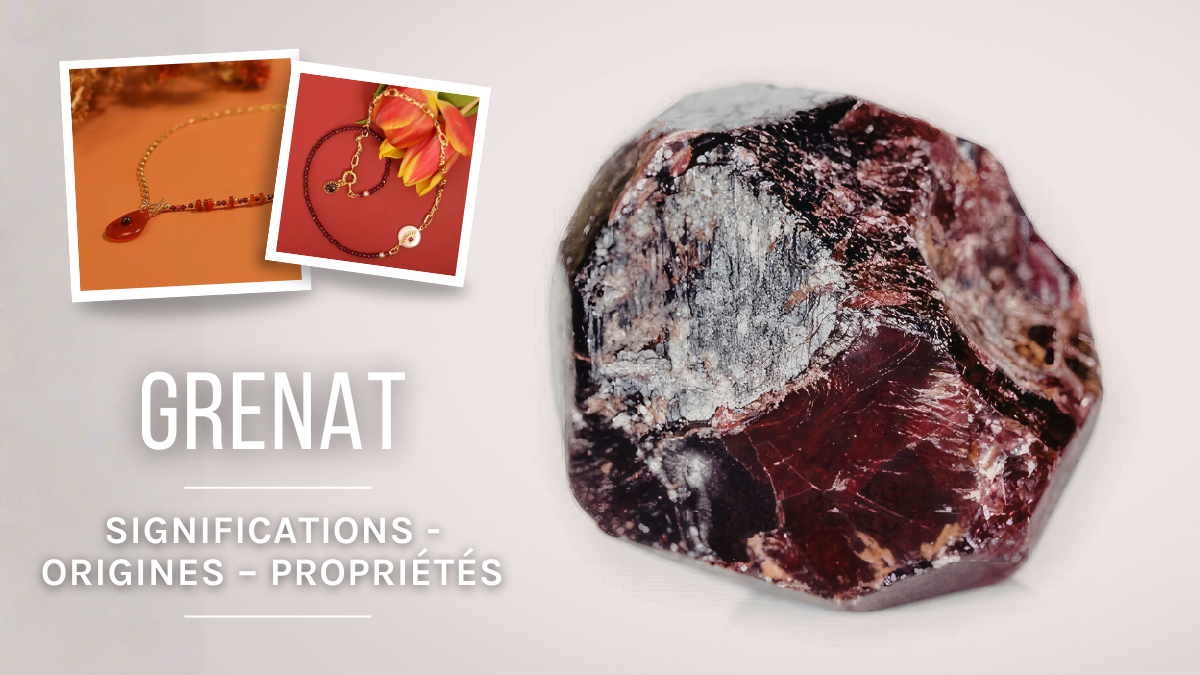
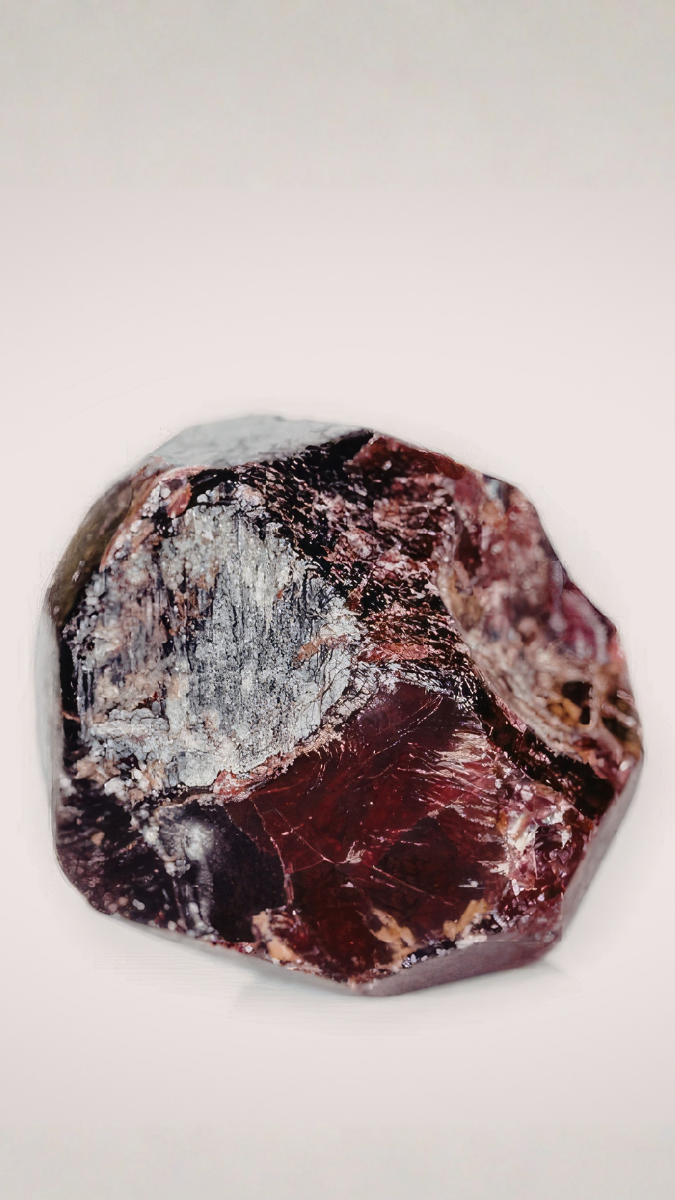
Garnet, a natural stone in shades of red, is prized in jewelry for its symbolism of courage and passion. Its main deposits are found in Austria, Afghanistan and India. To create your own jewelry, explore our components and beads available online.
Highly prized in jewelry, garnet has been used since ancient times in jewelry and decorative objects. Its color symbolizes courage, passion, and vitality.
Want to make your own garnet jewelry? Check out our garnet components and beads, and create the piece of your dreams with inspiration from our natural stone jewelry tutorials.
The name of this natural stone comes from the Latin “malum granatum,” meaning “grained fruit,” due to its resemblance to the color of pomegranate seeds.
In ancient times, Pliny the Younger gave it the name “carbunculus,” meaning “burning coal,” which gave rise to the French name “escarboucle.”
For many civilizations, garnet holds a very important place, particularly in a mystical context. Many religious texts refer to it. In the Bible, the garnet was a lamp that served to light Noah’s way when he was lost in the darkness of the Flood. In the Quran, it is used to symbolize the fourth heaven.
The Vikings used them during their funeral ceremonies because they believed the gem had the power to guide the dead to their paradise, Valhalla.
In ancient times, particularly among the Romans, Greeks, and Egyptians, it was used to engrave agates, jaspers, and ivory… to create small objects depicting faces or animals. It was also ground into powder, and its abrasive properties were used to rough-cut and polish these same stones.
The barbarians and the Merovingians appreciated jewelry and accessories with garnet settings, such as brooches and pendants. In the 18th century, European courtiers brought it back into fashion in magnificent sets of jewelry.
In the 19th century, the warriors of Honza, in northern Pakistan, believed that its blood-red color gave it deadly power. That is why they crafted and fired garnet bullets at their British adversaries.

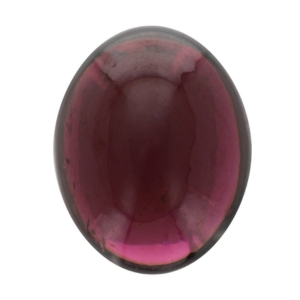

It belongs to the garnet family. It has a hardness of between 6.5 and 7 on the Mohs scale, and its density ranges from 3.5 to 4.3.
The color of this gemstone ranges across various shades of red, from bright red to dark red, including purplish or orange hues. Pyrope garnets are a variety of garnet whose brilliant, intense color ranges from dark red to blood red, even verging on black.
Some varieties are green, yellow, orange, pinkish-brown, and even colorless, such as grossular (colorless, white, yellow, green, brown, pink),andradite (a green to yellow-brown, or even black, garnet), oruvarovite (emerald green).
In ancient times, garnet was often confused with ruby.
The largest deposits are found in Austria, Afghanistan, Brazil, India, Madagascar, Sri Lanka, and the Czech Republic.
In crystal healing, garnet is believed to have numerous benefits. This gemstone is said to bring joy, vitality, energy, courage, and self-assurance. It is also thought to promote self-respect and greater self-confidence.
This blood-red stone is considered a powerful shield against negative thoughts.
Garnet is associated with the root chakra, or first chakra. Wearing a garnet during meditation sessions or energy work is said to promote a connection to the earth, boost self-confidence, support physical vitality, and promote balance.
Please note: Our gemstones are not sold for the purpose of crystal healing. The effects of gemstones have not been scientifically proven. Natural gemstones are in no way a substitute for medical expertise or medical treatment.
Like all stones used in crystal healing, garnet must be regularly cleansed and recharged to restore its properties.
To cleanse it of negative energy, let it soak for a few hours in a container filled with water (preferably distilled water rather than tap water). Don’t forget to dry your stone afterward with a clean, soft cloth.
To recharge it, simply expose the gemstone to sunlight for a few hours.
This semi-precious stone is one of the most popular in jewelry. It is found in rings, earrings, necklaces, and bracelets. It appeals to everyone because it pairs just as well with gold-plated jewelry findings —such as Gold Filled (laminated gold), gold-plated, gold-toned stainless steel, or 925 Sterling Silver Fine gold plated, as it does with silver-toned settings such as silver or stainless steel.
In crystal healing, it is recommended to use garnet with gemstones that amplify its energy or complement its properties:
Which stones should not be paired with it? It is not recommended to pair it with stones that are too soothing, as they would dampen its dynamic effect.



Credits
Perles & Co, Internet & E-Commerce company [11/02/2026] Any reproduction, representation, adaptation, in any form whatsoever, even partial, is prohibited, except for reproduction for private use not intended for collective use, representation in the family circle (art. L 122-5 CPI) and online publishing on condition that the source is mentioned and a link is included to the corresponding page of our site www.perlesandco.com.