Average Grades
Qu'est-ce que le tissus Badil tissus turc
1 Answer
Show answers


Fabrics come in several categories, including woven, knitted and non-woven, each with its own characteristics. For beginners, cotton is an ideal choice due to its ease of cutting and sewing, while options like canvas offer sturdiness for a variety of projects. Depending on your project, opt for a fabric suited to your needs, whether for garments, furnishings or accessories.
Have you ever wondered which fabric to choose for which project? How to choose the right fabric? Which fabric for a dress? Which fabric for a tablecloth?
It's hard to know all the characteristics of a fabric when you're starting out on a sewing project. There are so many fibers and so many wefts that it's easy to get lost.
For example, take cotton. It's an extremely common fabric in our daily lives, and easy to sew and cut, ideal for beginners. However, there isn't just one cotton fabric, but a multitude of different cotton fabrics, each with a different quality and feel. As a result, it's hard to know which is best suited to your project.
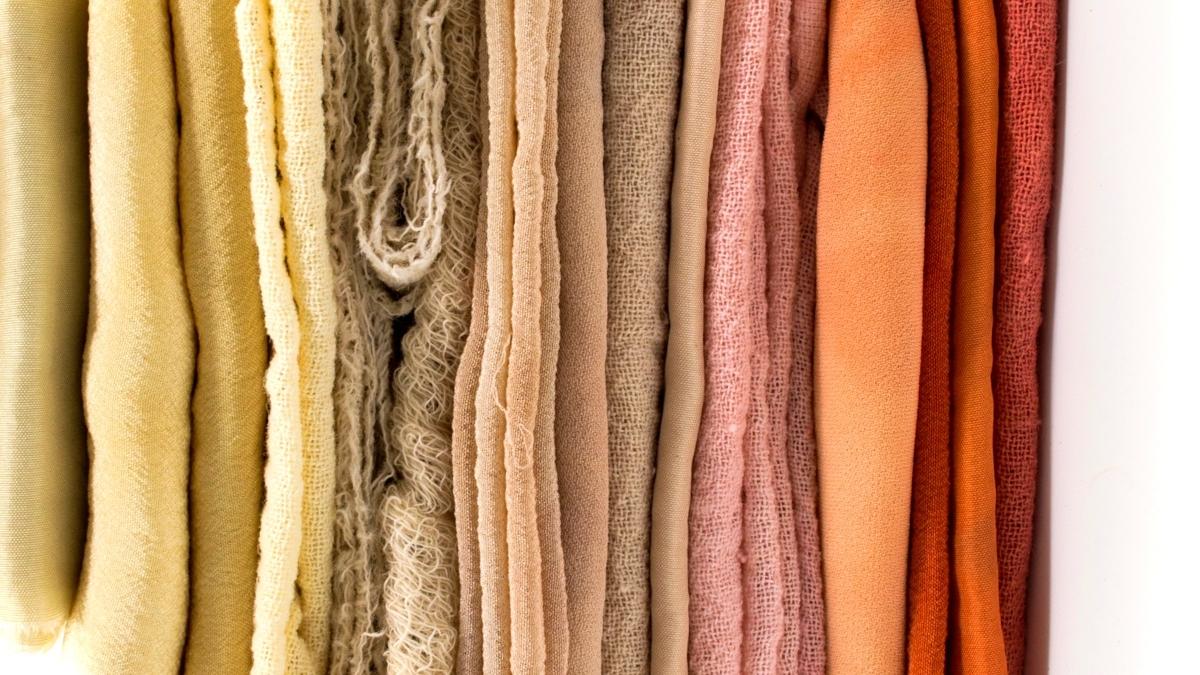
Fabrics are woven by interweaving warp threads (along the length of the fabric) and weft threads (along the width of the fabric).
Depending on how these threads are interwoven, different types of weave are produced, which will define the appearance of the fabric. Depending on the weaving technique, the fabric will look shiny, grooved, terrycloth... and depending on the fiber used, the weave will not have the same appearance!
There are 3 main weaves:
If yarns are not woven, they can be knitted. In this case, we speak of knitted fabrics. Knitted fabrics are obtained by interweaving yarns, folded into loops, to form stitches.
There are also non-woven fabrics, obtained by pressing fibers together mechanically, chemically or thermally. Examples include felt and skai.
Mixiline is the interweaving of straight and curved yarns, such as lace, tulle...
That's a lot of complicated information, so here's a quick rundown of what fabrics exist and what you can do with them.
You'll also find all the materials you need to get started in our haberdashery section!
No content for this part
 Batiste
Composition: Mainly cotton, linen, partly polyester, silk or viscose.
Characteristics: Very fine and light, it has a fluid fall. Soft and silky to the touch, it is opaque
Which sewing needle?Standard needle
Which sewing thread?Cotton or polyesterthread
Some DIY sewing ideas: Summer garments such as dresses, tunics, skirts, layettes, lingerie, handkerchiefs, linings, and household linen: curtains, sheets...
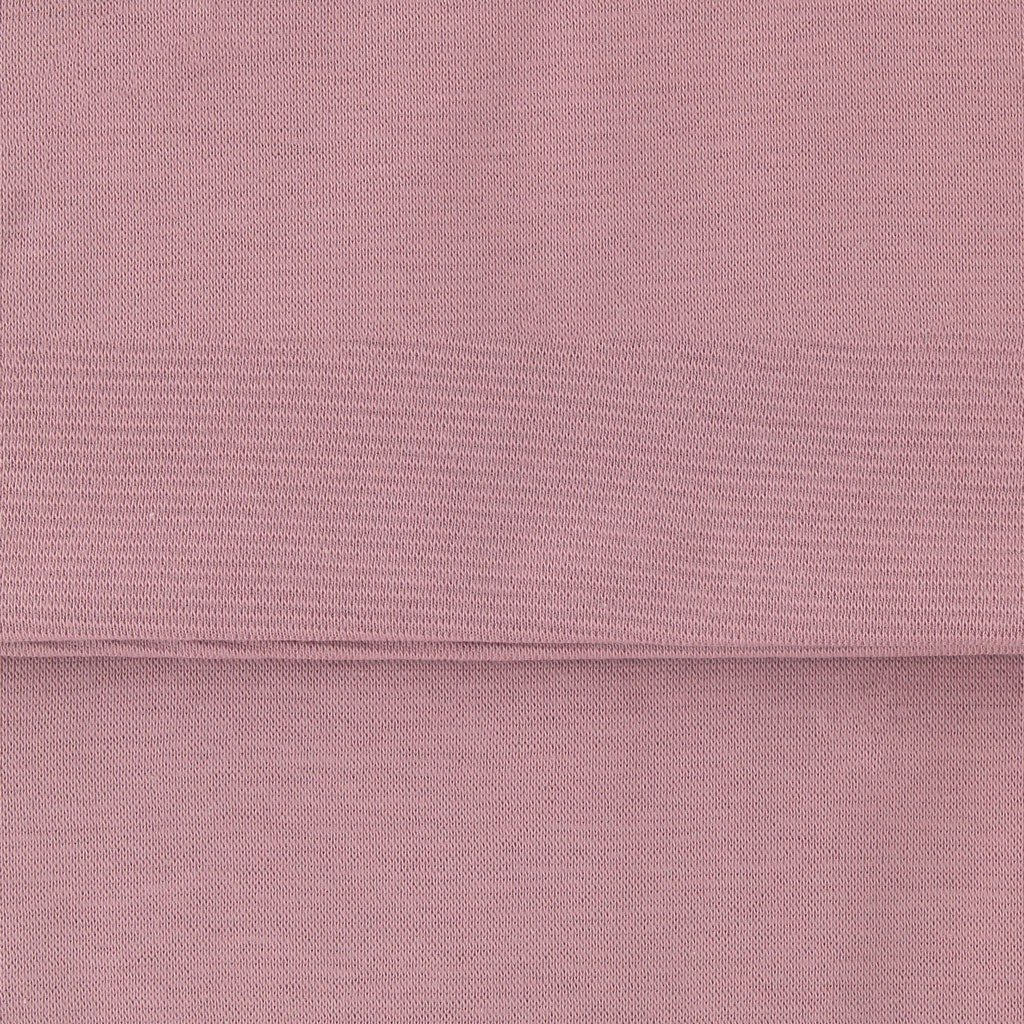 Ribbed fabrics
Composition: This is a non-woven, ribbed knitted fabric, mostly made of cotton with a proportion of elastane
Characteristics: This is a highly elastic fabric. It is comfortable and pleasant on the skin, and easy to care for
Which sewing needle? Standard needle
Some DIY sewing ideas: finishing sleeves and hems for sweaters, sweatshirts and t-shirts.
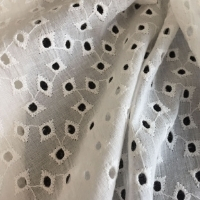 Broderie anglaise
Composition: This is a cotton-based fabric, with motifs consisting of small decorative holes.
Characteristics: This is a supple, lightweight fabric, which can be a little transparent. It has a fluid fall, slightly weighted down by embroidery. Easy to sew and care for, it is ideal for beginners
Which sewing needle? Standard needle
Sewing thread cotton or polyester thread
Some DIY sewing ideas: Spring/summer garments, such as skirts and blouses, lingerie and household linen. Depending on use, remember to double your garment.
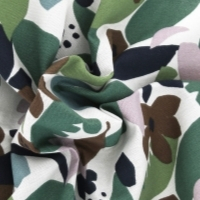 Canvasor canvas
Composition: Cotton, hemp or linen fiber, partly mixed with synthetic fibers, which are woven together. It can be 100% cotton.
Characteristics: A versatile, strong and stable fabric, canvas is reputed to be waterproof and tearproof. It's a thick, strong and durable fabric
Easy to work with, it's perfect for beginners
Which sewing needle should I use? 90 to 110 gauge jeans needle
Which thread to sew with? Solid cotton or polyester thread
Some DIY sewing ideas: hard-wearing garments, shoes and bags, jackets, aprons, upholstery and fine arts.
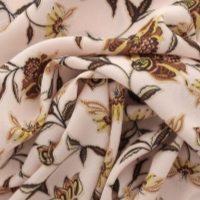 Crepe
Crepe
Composition: Silk, wool, polyester and viscose crepes... Georgette crepe is a very special variety, with a tighter weave than traditional crepe. It's halfway between muslin and crepe drap.
Characteristics: This is a fabric with a grainy texture, a little rough to the touch, but with a fluid fall
Which sewing needle? Standard needle
What thread to sew with? Cotton or polyester thread
Some DIY sewing ideas: Garments requiring fluidity: dresses, jumpsuits, wide-leg pants, skirts, blouses...
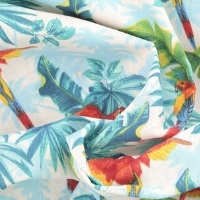 Cretonne
Composition: Often 100% cotton, it can also be made from linen, virgin wool, synthetic fibers or blended yarns.
Characteristics: A hard-wearing fabric with a rigid fall, yet comfortable and breathable. It is very versatile and easy to care for. It's an ideal fabric for beginners, as it's easy to cut and sew
Which sewing needle? Standard needle
Which thread to use? cotton or polyester thread
Some DIY sewing ideas: Furnishings and garments requiring a certain amount of care: cushion covers, curtains, tablecloths, jackets, pants or stiff dresses, lunch bags, handbags, etc. Some of our cretonne fabrics are coated, making them suitable for water-resistant tablecloths and other accessories.
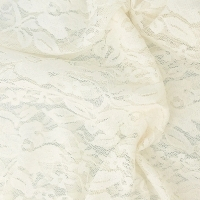 Lace
Lace
Composition: Cotton, polyester, nylon, silk
Characteristics: A fabric with openwork patterns, often with flowers, transparent or translucent. Lace is light and soft. It can be matte or shiny, decorated with pearls or sequins. Most often rigid, it can sometimes be elastic.
Which sewing needle? 70-80 needle
Some DIY sewing ideas: formal dresses, gloves, lingerie, decorations.
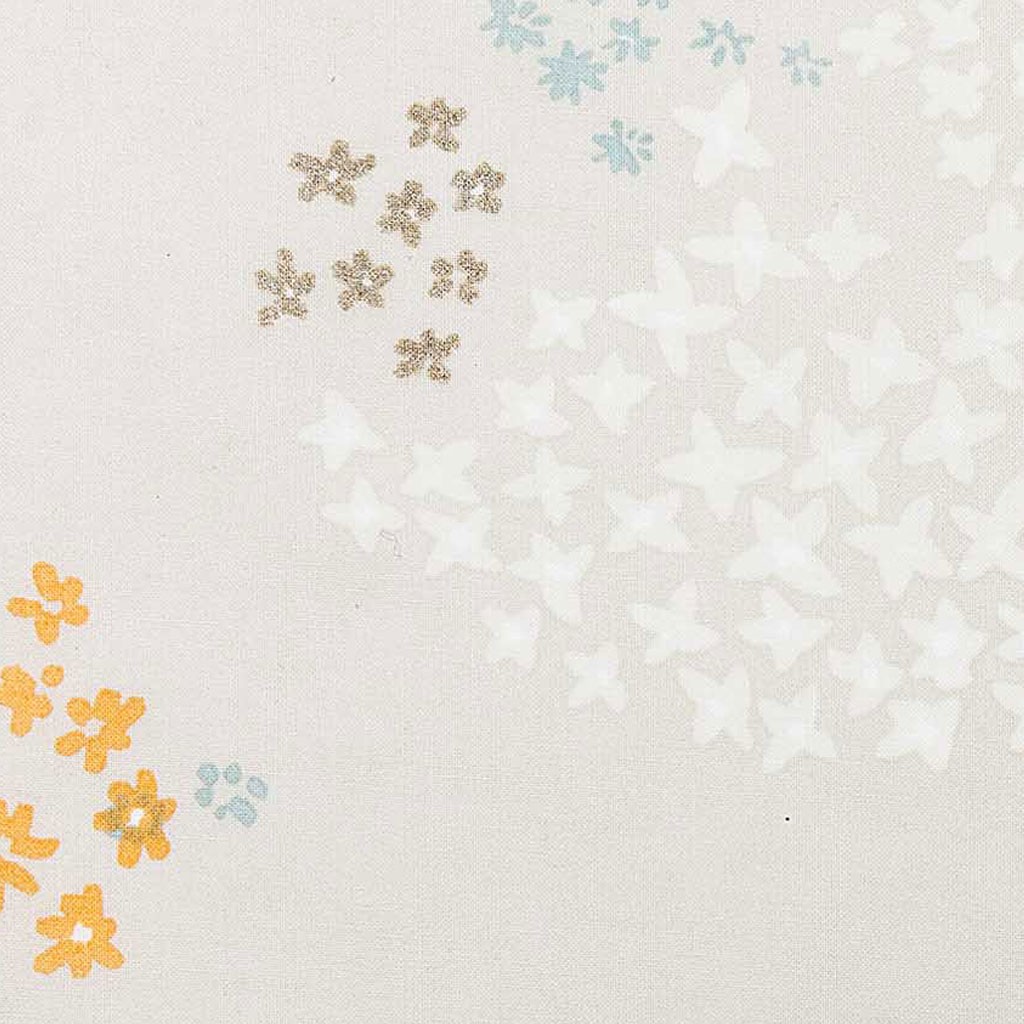 Coated cotton
Composition: Cotton with a mainly vinyl coating
Characteristics: This is a soft, flowing, elastic fabric that is also robust and hard-wearing. Dirt-repellent and water-repellent, it is easy to care for. Easy to work with and easy to sew
Which sewing needle? Microtex needle, leather needle, jeans needle
Some DIY sewing ideas: Food charlottes, accessories, bags.
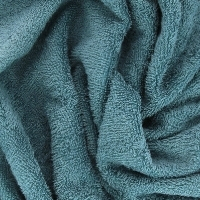 Sponge
Composition: Cotton or bamboo fibers, polyester is sometimes added.
Characteristics: Cottony and durable, solid and sturdy, it has a great capacity to absorb liquid
Which sewing needle should I use? Jersey needle with rounded tip or microtex needle
Which thread to sew with? resistant cotton or polyester thread
Some DIY sewing ideas: household linen, bibs, make-up remover wipes, baby bathrobes, bath linen, bathrobes, washcloths, stuffed animals... Be sure to wash your fabric before creating, as it may shrink.
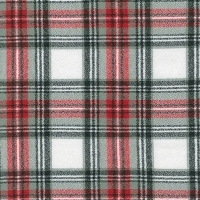 Flannel
Composition: Formerly made of carded wool, nowadays it's made of combed cotton.
Characteristics: Fluffy and soft to the touch, it's a warm, comfortable fabric, but not stretchy. The fibers are scratched on one or both sides, giving it a felted look.
Which sewing needle should I use? Standard needle
Some DIY sewing ideas: Linen and homewear, but also coats, suits, capes and even hats.
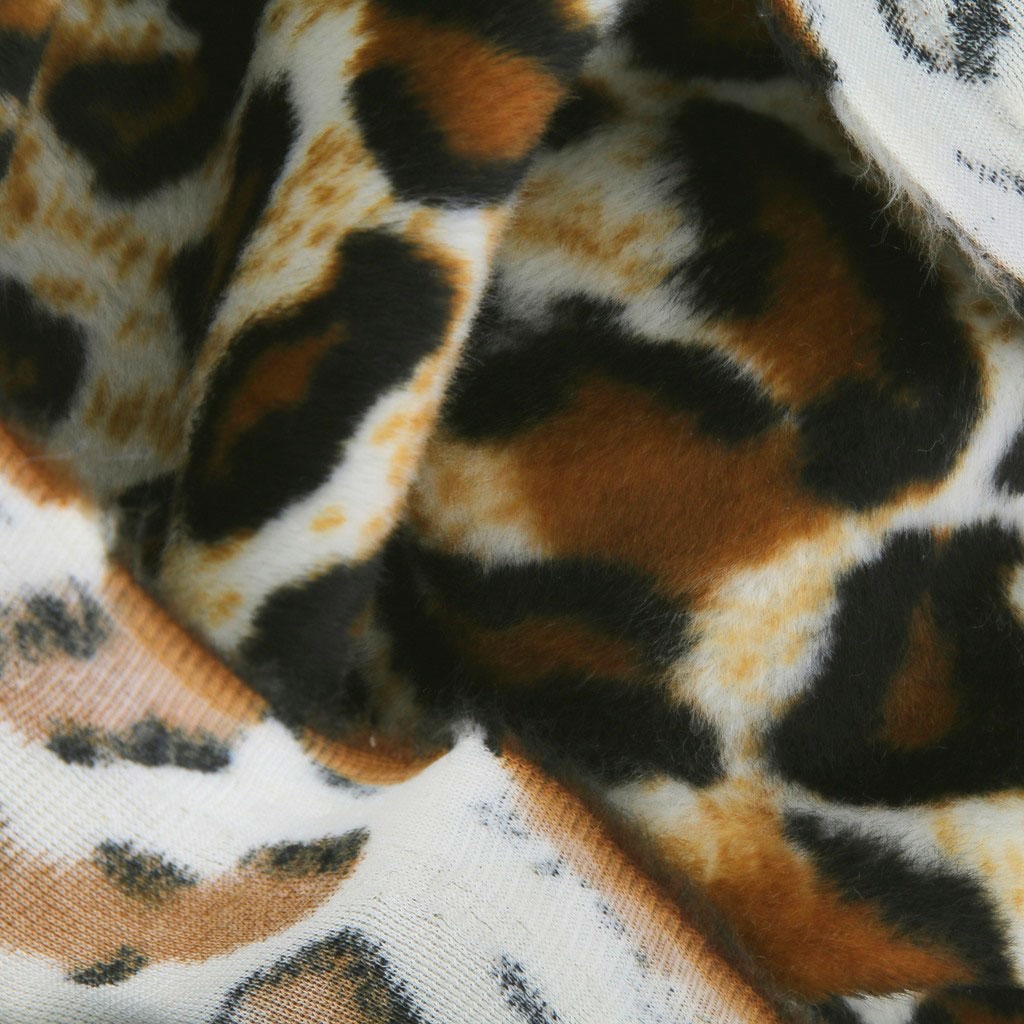 Imitation fur
Composition: synthetic or cotton fibers
Characteristics: a soft, supple fabric.
Which sewing needle? Standrad needle or special jeans needle
Some DIY sewing ideas: plush, disguises, blankets, clothes, accessories such as pouches, decorations such as cushions.
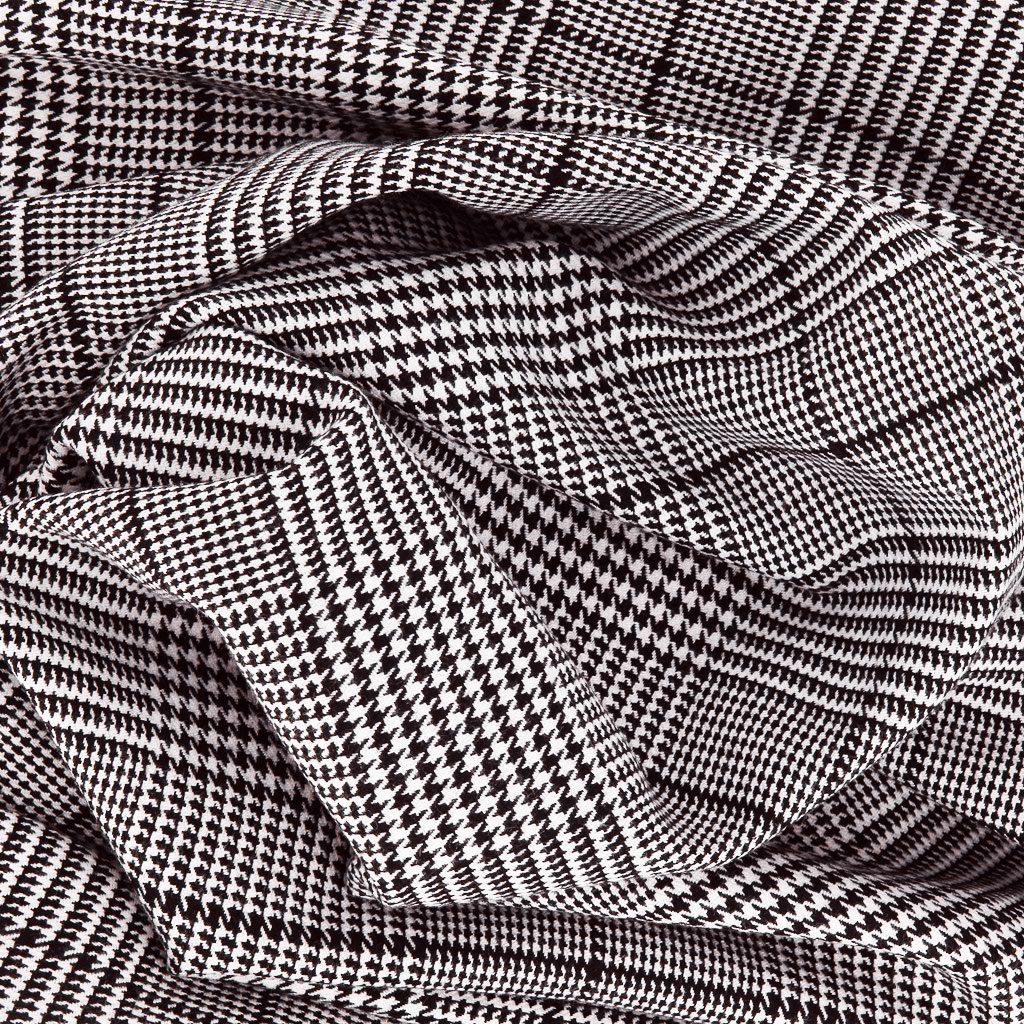 Gabardine
Composition: Combed wool with straight ribbing, sometimes blended with cotton and synthetic fibers such as polyester and viscose
Characteristics: This is a strong, durable fabric with a supple fall. Very versatile, it's easy to cut and sew. Suitable for beginners.
Which sewing needle? Universal needle, microtex needle or jersey needle
Some DIY sewing ideas: Coats, capes and raincoats.
Our gabardine fabrics are strech fabrics, so they can also be used for pants, jackets, dresses and skirts in Autumn/Winter.
 Gauze, double gauze (sometimes called muslin) and triple gauze
Composition: Cotton or wool, viscose staple fibers. Silk, in its high-end version.
Characteristics: Soft to the touch, light, supple and comfortable, it has a crumpled appearance and is non-transparent
Which sewing needle? Needle n°70, rounded needle for jersey or microtex
Which thread to sew with? Cotton or polyester thread
Some DIY sewing ideas: Baby garments such as sleeping bags, bibs... Flowing garments such as dresses, pants, kimonos... Accessories like a back-to-school kit or a toiletry bag. And household linen too.
No content for this part
No content for this part
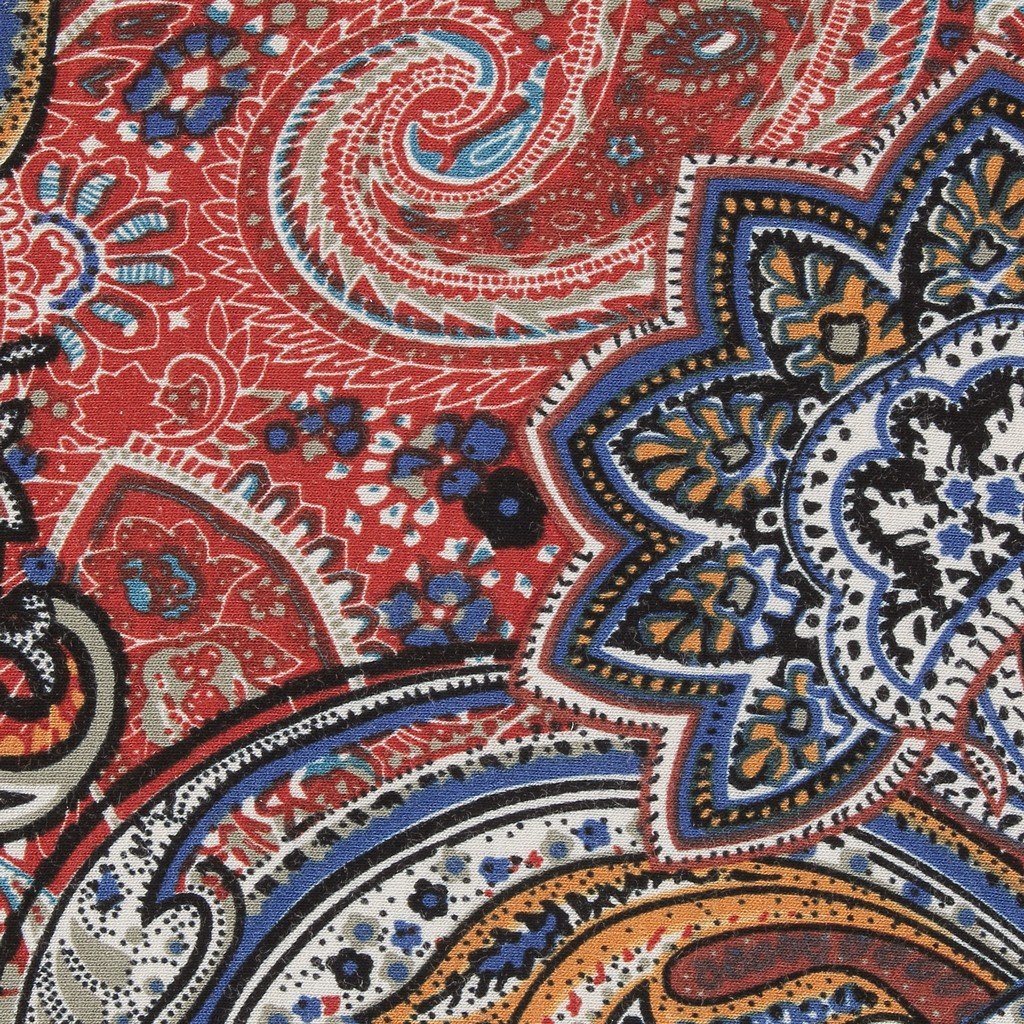 Jersey fabric
Composition: Cotton, viscose, polyester, wool, blends of fibers.
Characteristics: An elastic, strong, tear-proof fabric with a supple fall. It is comfortable, soft and pleasant on the skin. Very versatile, it is ideal for beginners
Which sewing needle? Jersey needle with rounded tip or microtex needle
Some DIY sewing ideas: Accessories such as scarves, hats, household linen, stuffed animals. Children's clothing such as a bloomer, but also clothing for the whole family such as t-shirts, skirts, summer dresses or sportswear.
It is imperative to wash the fabric before working on it.
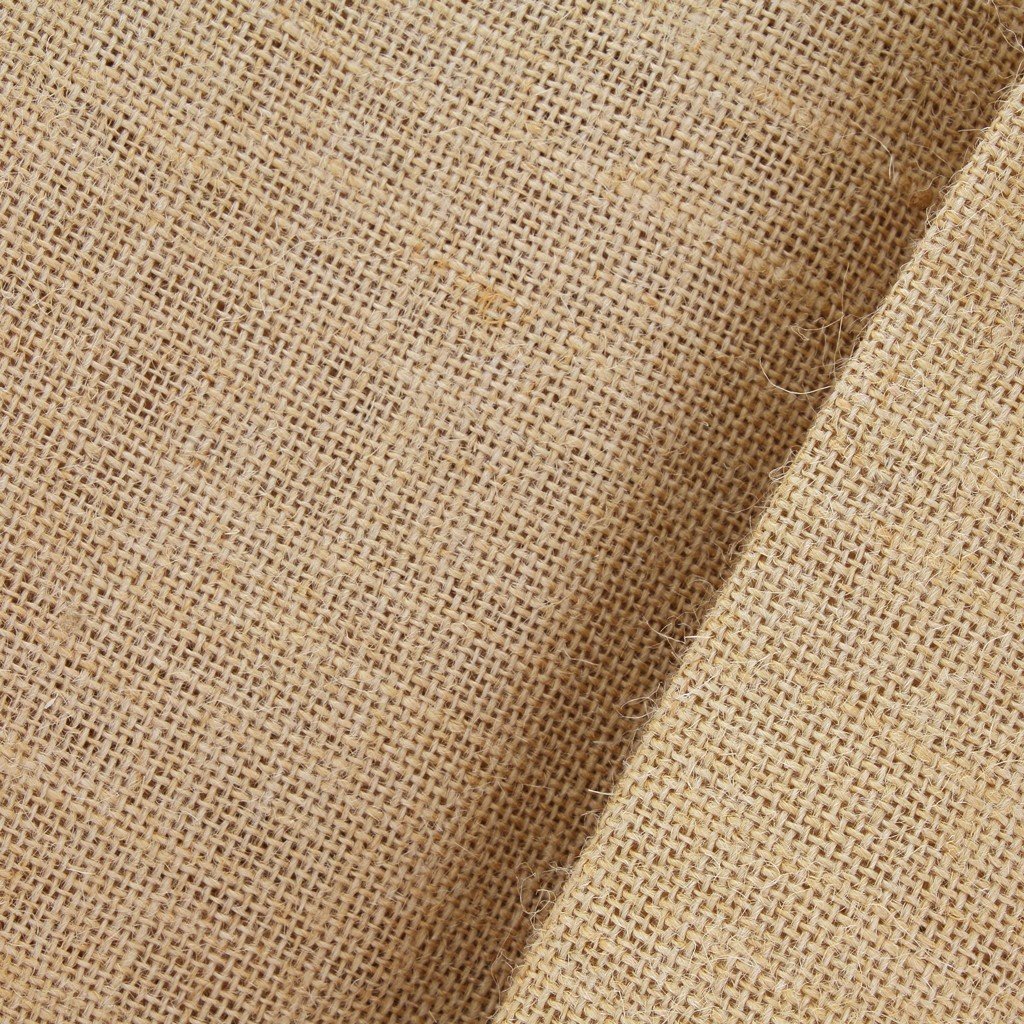 Jute fabric
Composition: Natural plant fibers
Characteristics: A versatile, resistant fabric with a rough, natural appearance. It is breathable, biodegradable and easy to work with
Which sewing needle? Embroidery needle or standard needle
Some DIY sewing ideas: Bag, pouch, punch needle pouch, wall hanging decoration.
No content for this section
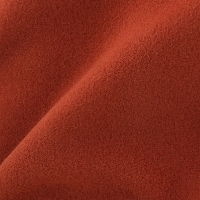 Boiled wool or loden
Composition: 100% pure sheep's wool. Also available in wool and viscose blends.
Characteristics: Supple, warm, hard-wearing, with a lovely fall, this fabric is easy to work with. Ideal for beginners.
Which sewing needle? Medium-size universal needle
Some DIY sewing ideas: Winter and outerwear such as coats, coats, pants and suits.
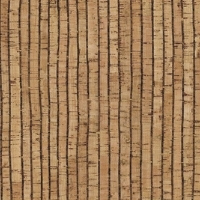 Cork fabric
Composition: natural plant fibers
Characteristics: A warm, soft fabric that's strong and resistant. Hydrophobic, it is easy to care for. It's also easy to cut.
Which sewing needle? Special needle
Some DIY sewing ideas: bags, pouches, home decor, accessories.
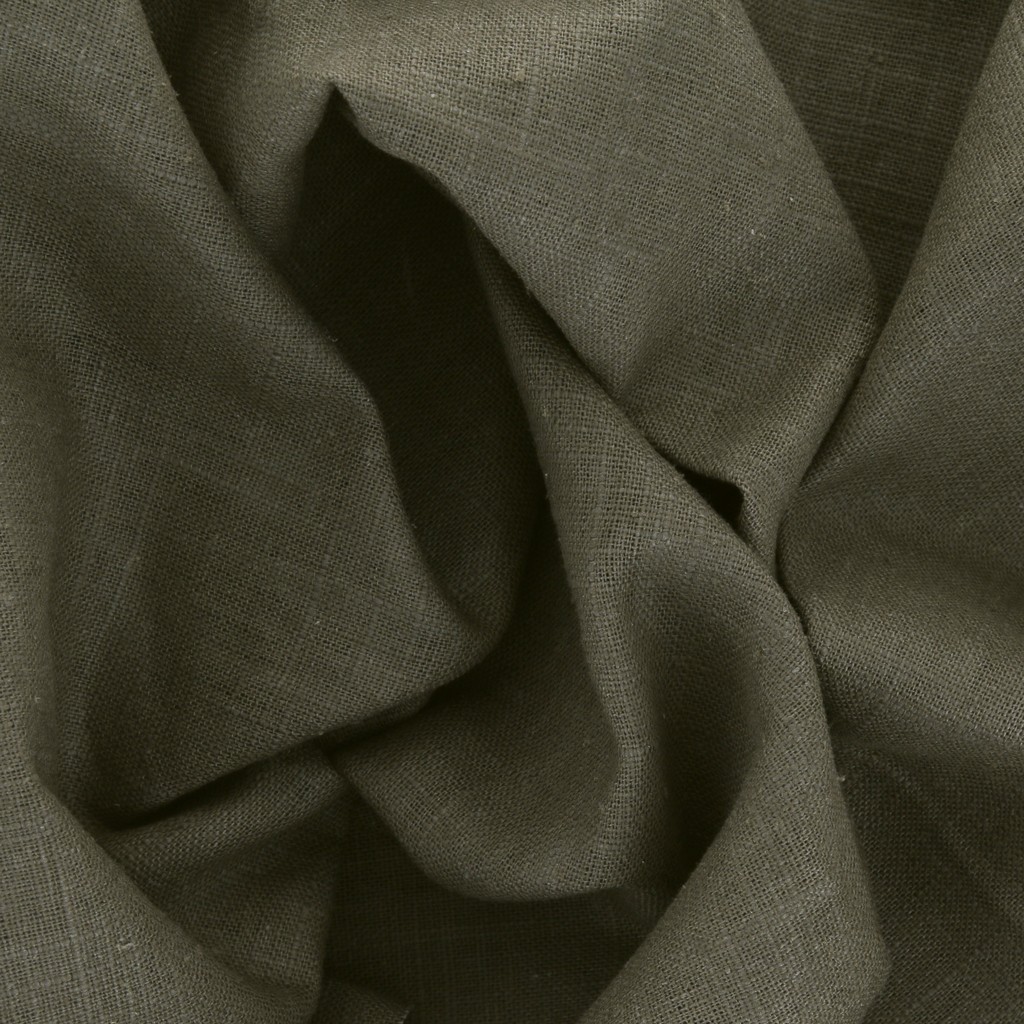 Linen
Linen
Compoition: Pure linen: 100% natural fibers / Linen blend: linen blended with cotton or viscose
Characteristics: Linen is a rigid, breathable, robust, thermo-regulating fabric that creases easily. Very versatile and easy to work with, it's ideal for novice seamstresses
Which sewing needle? needle 70 or 80, or even 90 for coarser fabrics
Which thread to sew with? polyester thread
Some DIY sewing ideas: Summer garments (blouses, tunics, skirts, pants), blazers, jackets, but also home textiles such as cushions and placemats.
 Lycra
Lycra
Composition: Synthetic fibers composed of polyurethane
Characteristics: Soft to the touch, silky and pleasant to wear, it is water and heat resistant. Difficult to sew as it is very stretchy, not recommended for beginners
Which sewing needle? Needle size 70 or 80 for thin lycras, needle size 80 or 90 for thick lycras
Some DIY sewing ideas: swimwear, sportswear.
No content for this part
No content for this part
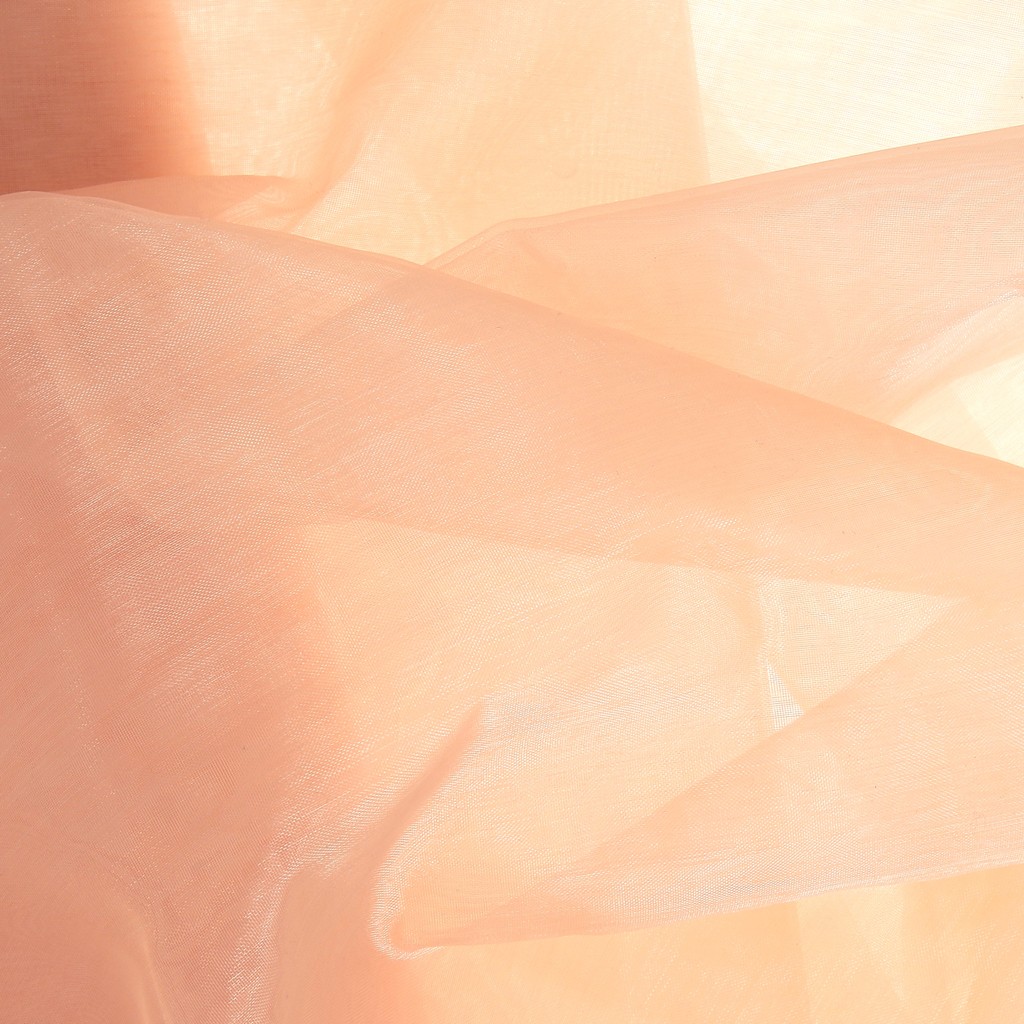 Organza
Composition: Synthetic fibers, usually 100% polyamide or a blend of synthetic fibers and silk
Characteristics: Very versatile, it's a very soft, fluid and lightweight fabric. It is transparent and shiny and creases quickly.
Which sewing needle? Very fine needle 60-70
Some DIY sewing ideas: Clothes such as ceremonial dresses, kimonos, fancy dresses, or decorative items such as curtains, bows and table runners.
 Poplin
Composition: Poplin used to be made of silk or wool. Today, it can be made from 100% cotton, polyester or viscose, and is sometimes blended.
Characteristics: This is a fine, silky, light fabric with a rather stiff fall. Sturdy, pilling-free and easy to clean. Very versatile and easy to work with, it's ideal for sewing beginners.
Which sewing needle should I use? Standard needle or microtex needle
Which thread to sew with? cotton or polyester thread
Some DIY sewing ideas: Spring - summer clothing: dresses, skirts, blouses, overalls, men's shirts... But also household linen: sheets, tablecloths, cushion covers, Bee Wrap packaging, pie bags...
 Fleece fabric
Composition: polyester fibers, usually from recycled bottles. It can also be made from cotton.
Characteristics: Dense, warm, soft and pleasant to wear, it is soft, stretchy, wrinkle-free and thermally insulating
Which sewing needle? microtex needle, jersey needle with round tip
Which thread to use? solid thread
Some DIY sewing ideas: baby blankets, plaids, cushions, baby bathrobes, jackets, plush, functional clothing, children's clothing.
No content for this part
No content for this part
 Leatherette
Composition: Synthetic fibers, a good alternative to leather
Characteristics: Soft and smooth, imitation leather has a velvety appearance. It is robust, easy to work with and easy to maintain.
Which sewing needle? special leather needle
Sewing thread polyester thread
Some DIY sewing ideas: Decoration, jackets, dresses, skirts, clutches.
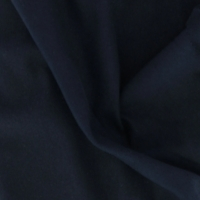 Sweatshirt also known as fleece
Composition: Made from cotton or a blend of cotton and synthetic fibers such as polyester. Sometimes a little elastane is added.
Characteristics: Warm, soft, stretchy, robust and easy to care for. Easy to sew and cut, it is suitable for beginners
Which sewing needle? Universal needle
Some DIY sewing ideas: sweaters, cardigans, sportswear and homewear.
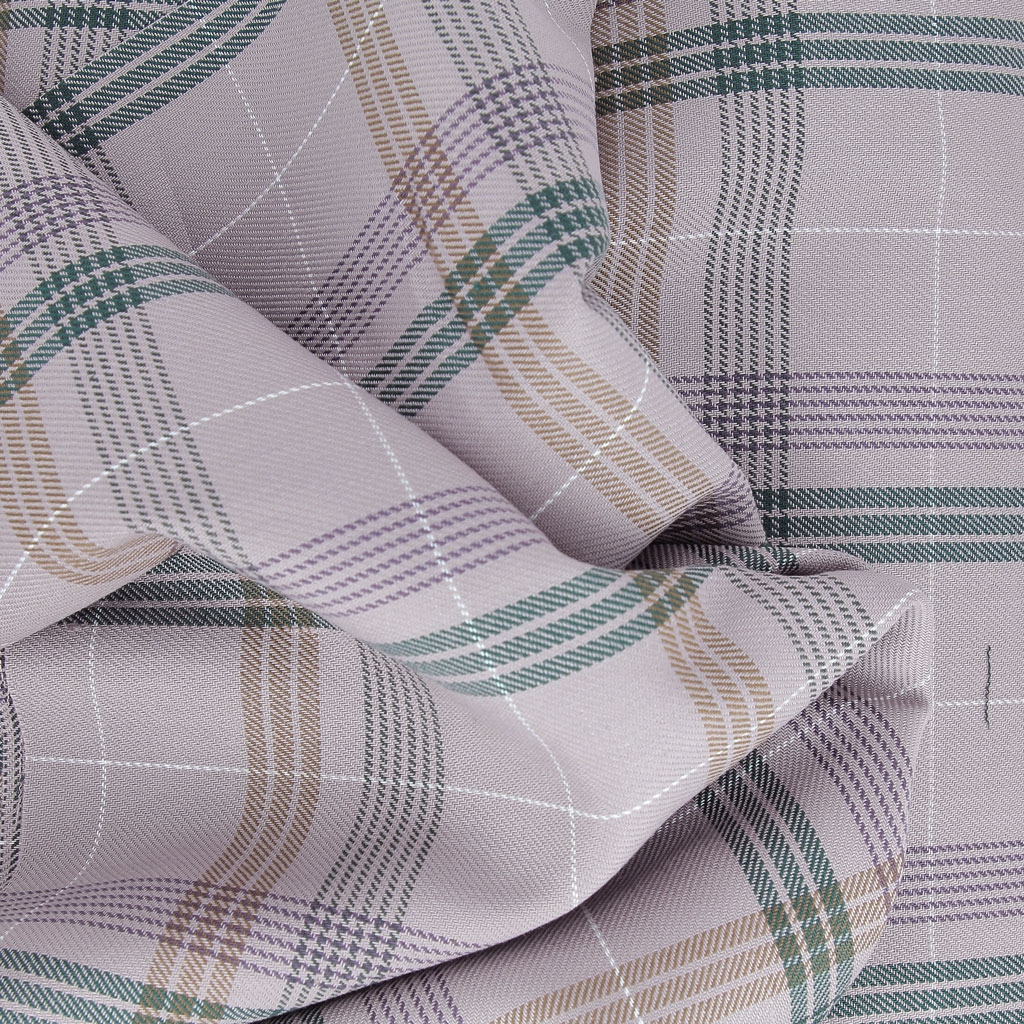 Tartan
Composition: Available in wool, cotton, silk, linen and synthetics.
Characteristics: A warm, soft fabric
Which sewing needle? Standard 90 or 100 mm needle
Some DIY sewing ideas: Accessories and Autumn/Winter garments such as skirts, jackets, dresses, kilts, plaids, capes, coats, berets, shawls.
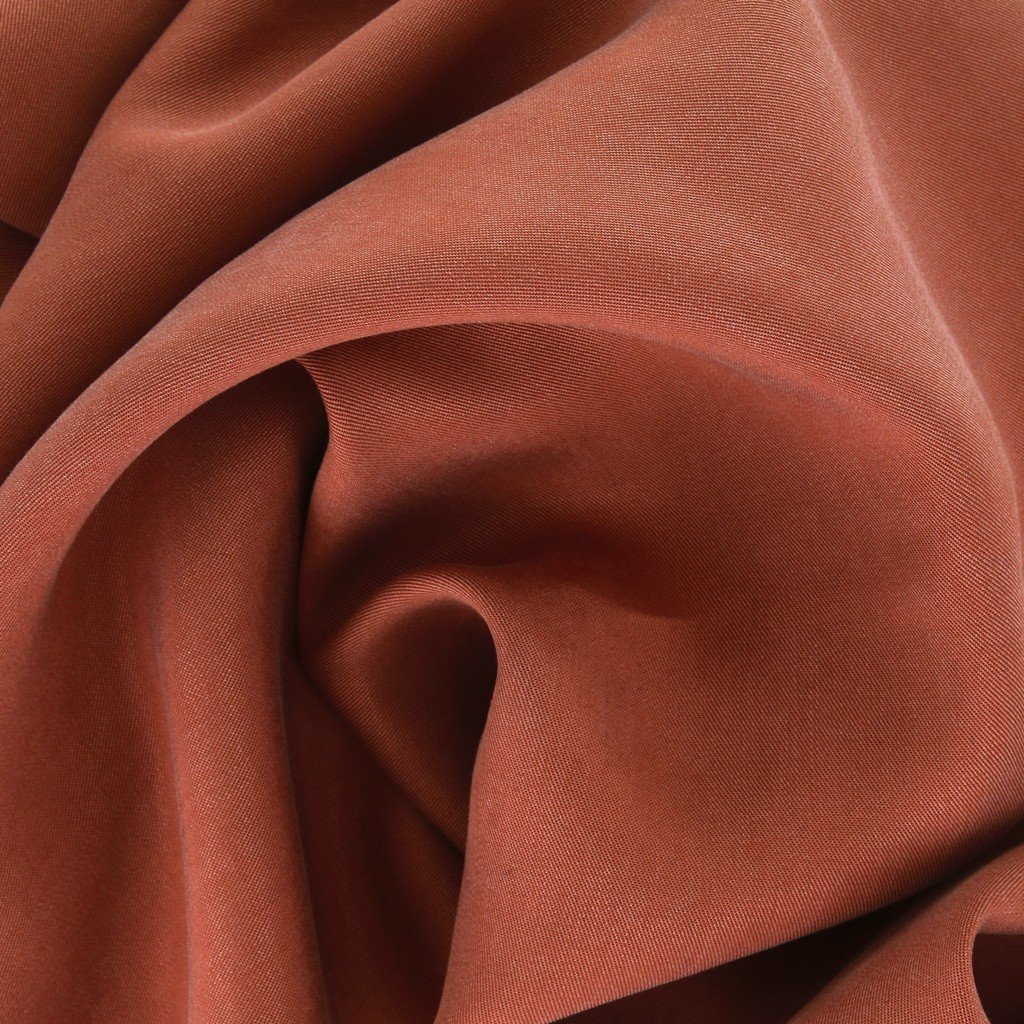 Tencel fabric
Composition: Artificial fibers produced from wood cellulose, an ecological alternative to viscose
Characteristics: Resistant and fluid, it's a hypoallergenic fabric, thermoregulating, smooth to the touch and very pleasant to wear. It has the reputation of being crease-resistant.
Which sewing needle should I use? microtex needle or very fine topstitching needle
Some DIY sewing ideas: flowing garments such as blouses, dresses, pants, shirts... but also bed linen.
 Oilcloth
Composition: Cotton
Characteristics: It's a hydrophobic, robste and dirt-resistant fabric. It is breathable. Very easy to work with and easy to care for, it is suitable for beginners.
Which needle should I use?needle for leather or microtex, needle for jeans
Which thread to sew with? polyester thread
Some DIY sewing ideas: tablecloths, bags, bibs, aprons and school kits, food charlottes, decorations.
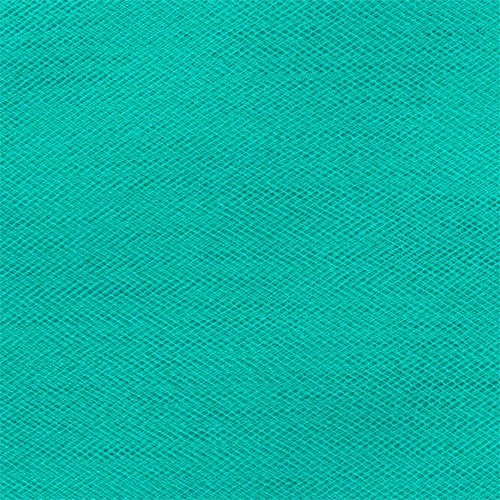 Tulle
Tulle
Composition: Nylon fibers
Characteristics: Transparent, light, voluminous, rigid, coarse-mesh fabric.
Which sewing needle? Universal needle
Some DIY sewing ideas: Petticoats, skirts, tutus, fancy dresses, ceremonial dresses.
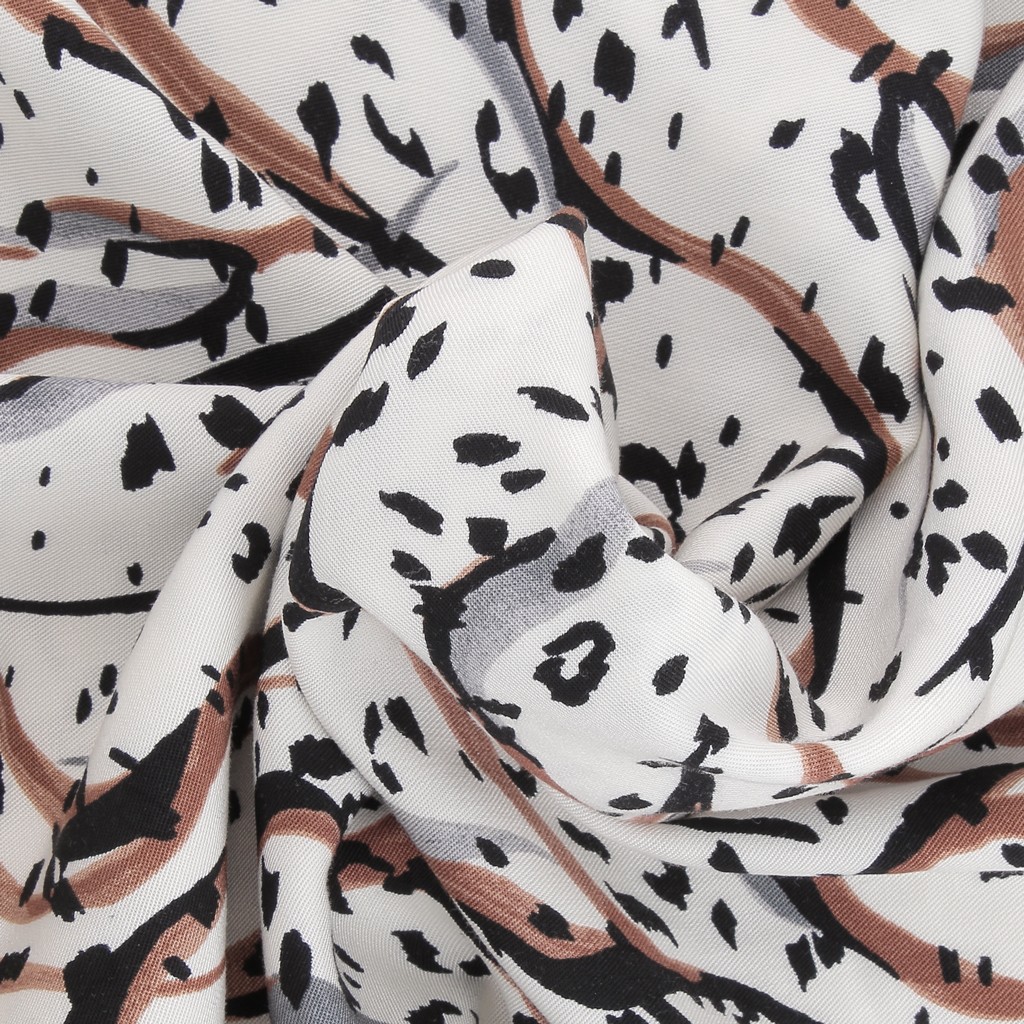 Twill
Twill
Composition: cotton, viscose, silk, polyester or blended fibers...
Characteristics: Recognizable by its oblique stripes. Thick, supple, soft to the touch. Crease-resistant, easy-care and hard-wearing.
Which sewing needle? Standard needle
Some DIY sewing ideas: Ties, dresses, mid-season blouses, men's shirts or blouses.
No content for this part
 Velvet
Composition: Once made from silk or cashmere, today it's made from cotton, synthetic silk or synthetic natural fibers.
Characteristics: There is a wide variety of velvets:
- Coarse-ribbed velvet
- Milleraie velvet has finer and more numerous ribs,
- Raschel velvet resembles suedette. Hammered velvet has an irregular, moiré appearance.
Very versatile, this is a shiny, slightly iridescent fabric. Depending on the raw material used, the fall of the fabric may vary, and it is recommended for experienced seamstresses
Which sewing needle should I use? 70 or 80 gauge needle, stockinette needle
Which thread to use? cotton or polyester thread
Some DIY sewing ideas: Autumn/winter garments such as pants, skirts, dresses, jackets, bags, clutches and interior decorations such as cushions.
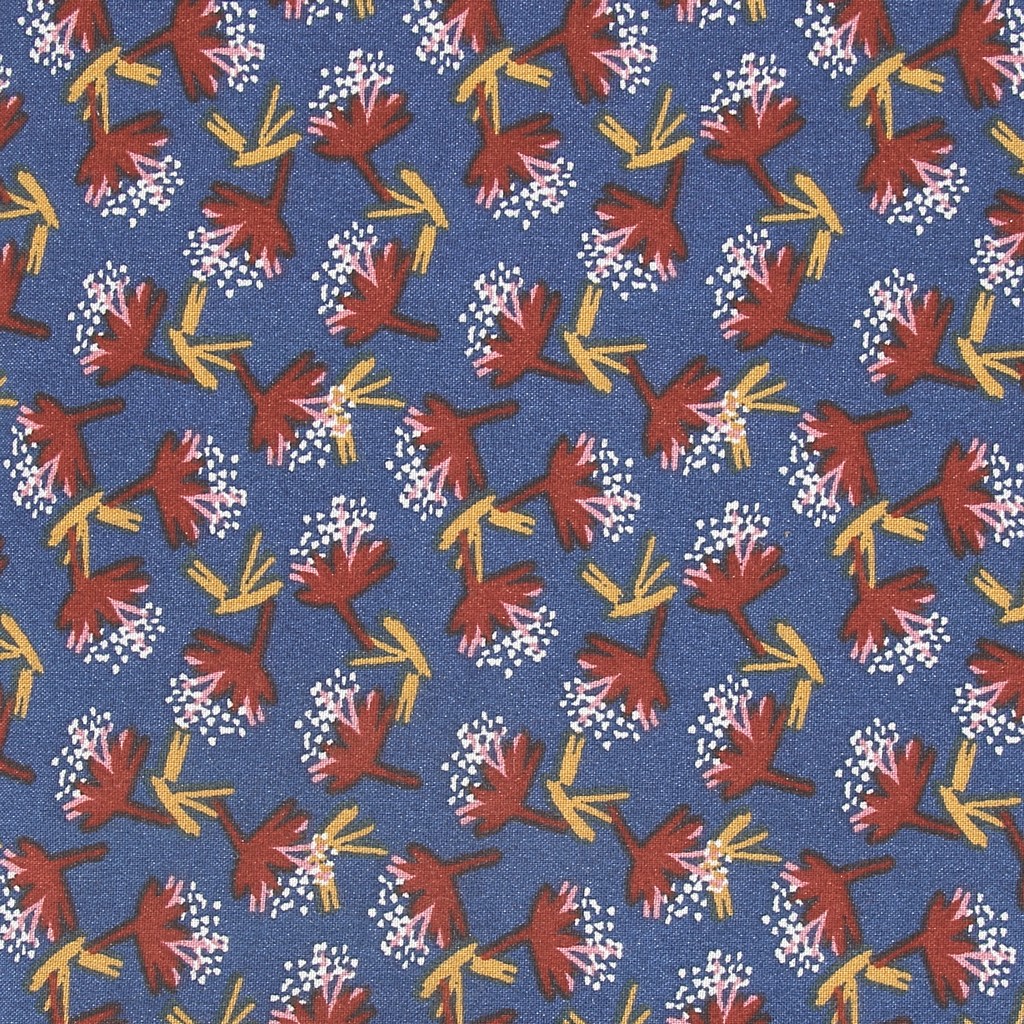 Viscose
Composition: Industrially manufactured but with natural raw materials: 90% cellulose and 2% wax or pectin. It is sometimes called rayon or artificial silk.
Characteristics: A comfortable, supple, silky fabric, cool on the skin and pleasant to wear. It is easy to clean and iron
Which sewing needle should I use? Microtex needle or jersey needle
Some DIY sewing ideas: Baby clothes and accessories such as bibs. Summer outfits: blouses, shirts, dresses, skirts and accessories.
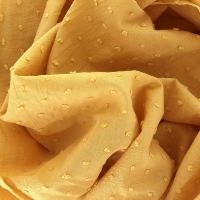 Cotton voile
Composition: Sometimes 100% cotton, sometimes blended with polyester, silk or viscose.
Characteristics: A soft, lightweight fabric with a supple, flowing, slightly transparent feel. Slightly grainy and sandy to the touch, it does not stretch.
Which sewing needle should I use? Size 60 or 70 needle or microtex
Which sewing thread? fine cotton or polyester thread
Some DIY sewing ideas: Airy summer garments: dresses, tunics, jumpsuits, for linings or sheers.
It should be washed before working, and shrunk a little after the first wash.
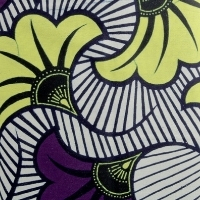 African wax
Composition: 100% cotton, waxed on both sides. Inspired by the Javanese Batik technique.
Characteristics: Fairly rigid and water-repellent, wax fabric is characterized by flamboyant colors and patterns
Which sewing needle? Standard needle
Which sewing thread? Cotton or polyester thread
Some DIY sewing ideas: Structured outfits, such as a skirt, accessories like a turban headband, and interior decorations like a chair.
No content for this section
No content for this part
No content for this part
Credits
Perles & Co, Internet & E-Commerce company [03/12/2021] Any reproduction, representation, adaptation, in any form whatsoever, even partial, is prohibited, except for reproduction for private use not intended for collective use, representation in the family circle (art. L 122-5 CPI) and online publishing on condition that the source is mentioned and a link is included to the corresponding page of our site www.perlesandco.com.