Learn DIY
The basics of jewellery making
Learn DIY

Peyote stitch is one of the most versatile and widely used bead weaving techniques in DIY jewellery-making. It allows you to create bracelets, rings, pendants or three-dimensional woven beads, with a supple and very even finish.
See more
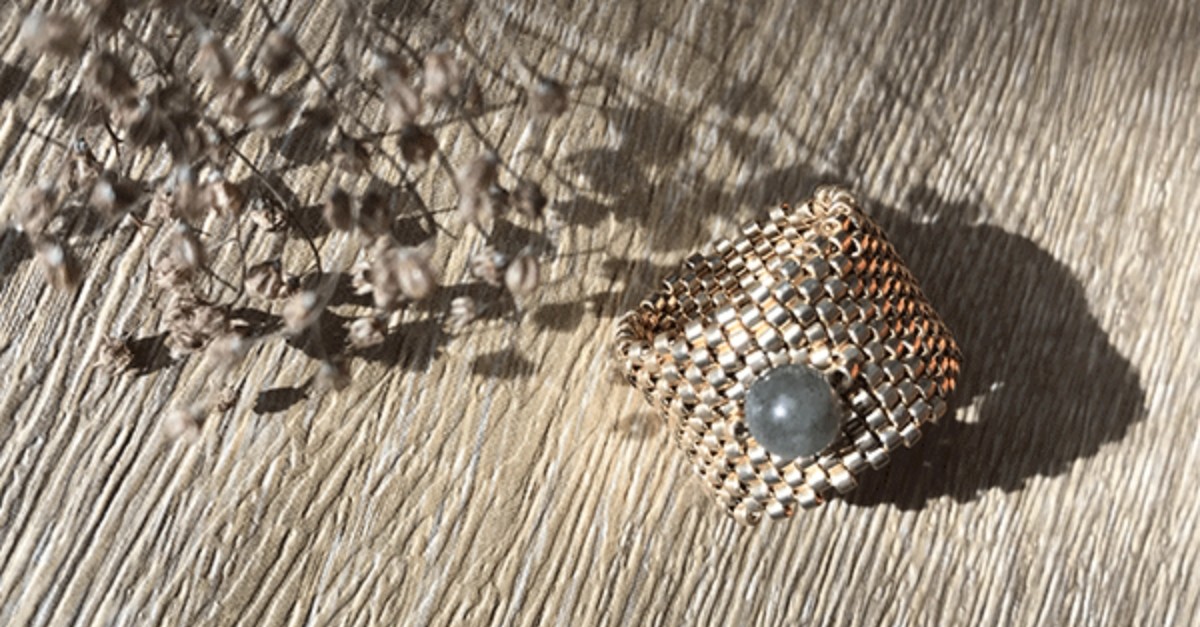
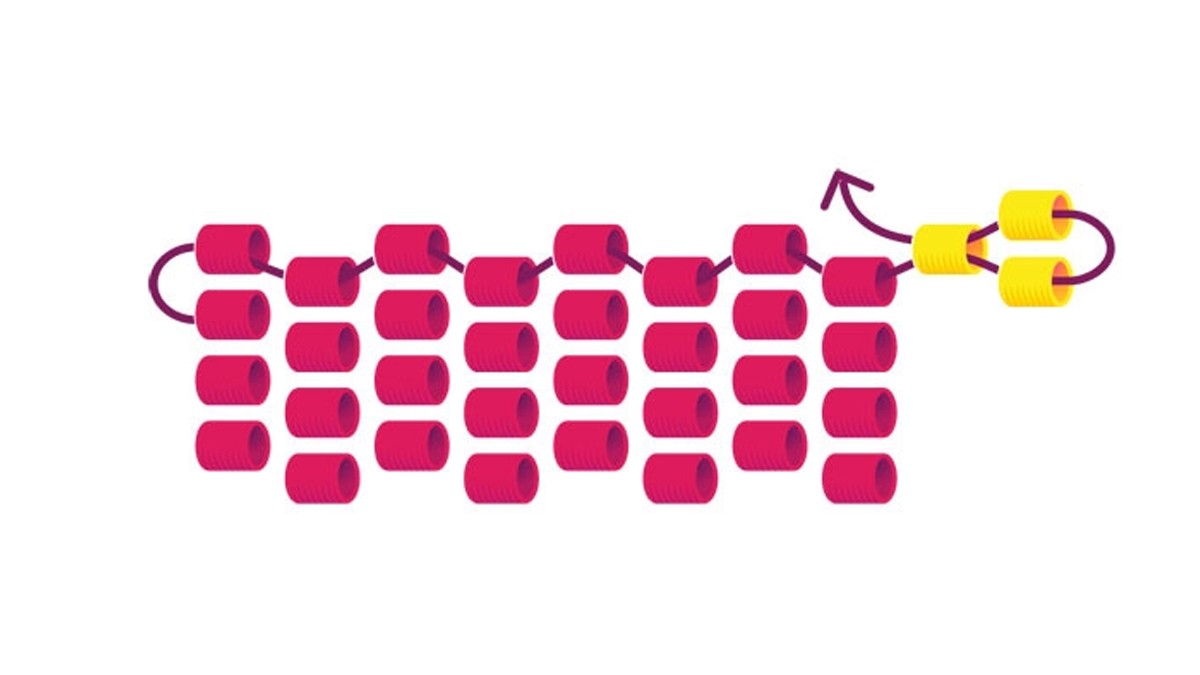
In these technical guides, discover how to recognise and master the different variations of peyote stitch: even peyote, odd peyote, circular (or tubular) peyote and double peyote (2-drop). Each technique has its own specific characteristics depending on the pattern or shape you are aiming for.
Whether you’re a beginner or looking to perfect your technique, you’ll find resources here to help you learn how to start, increase, decrease and finish your peyote weaving to the highest standard.
Peyote stitch, also known as peyote weaving, is a needle-beading technique. Today, it is one of the most widely used techniques in DIY jewellery-making thanks to its versatility and the delicate finish it produces.
There are several variations of peyote stitch, each suited to a specific use or shape: