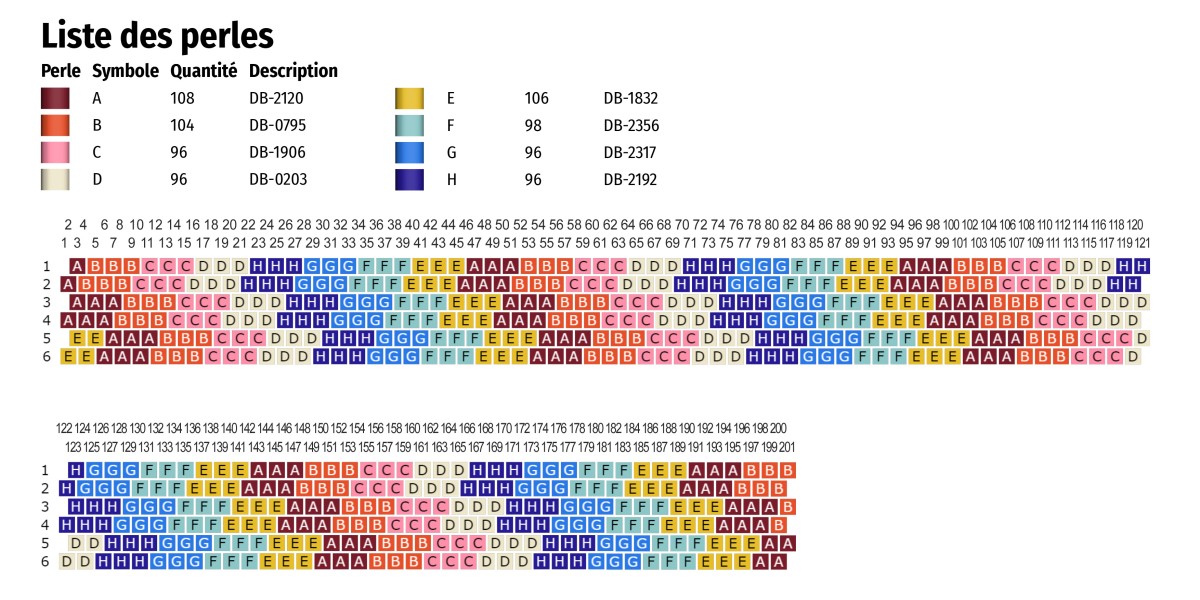
Average Grades
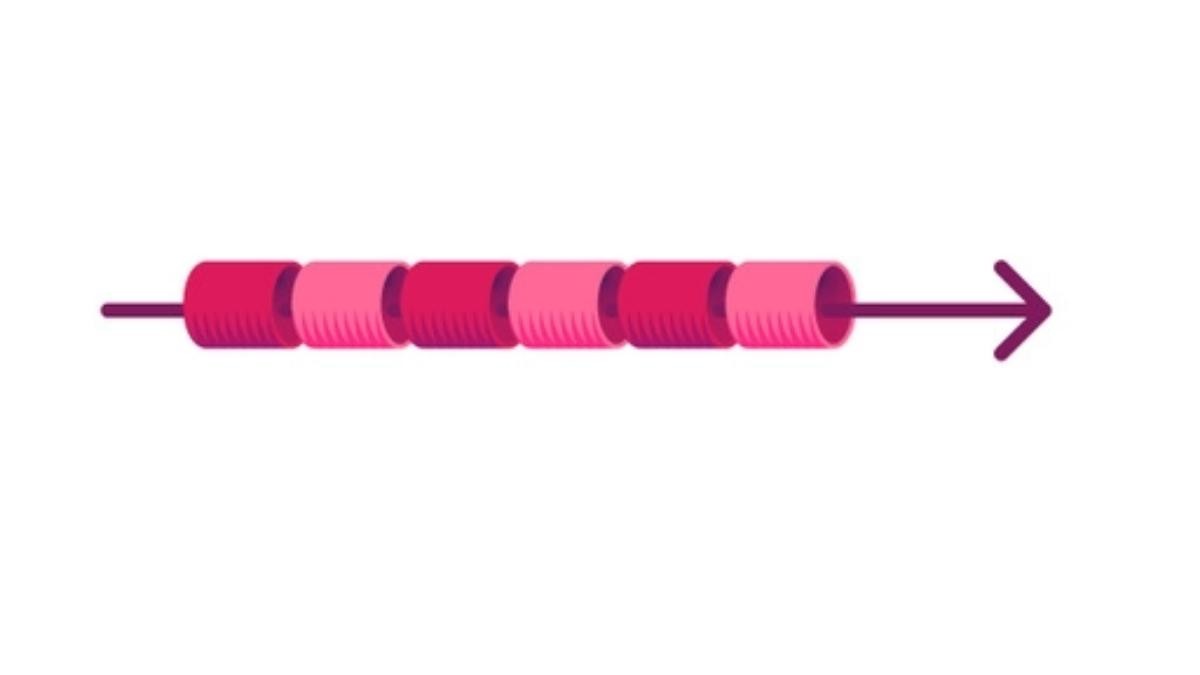
String an even number of beads. Hold them to prevent them from falling off, or add a holding bead beforehand. Leave 10 cm of end thread to finish weaving later.

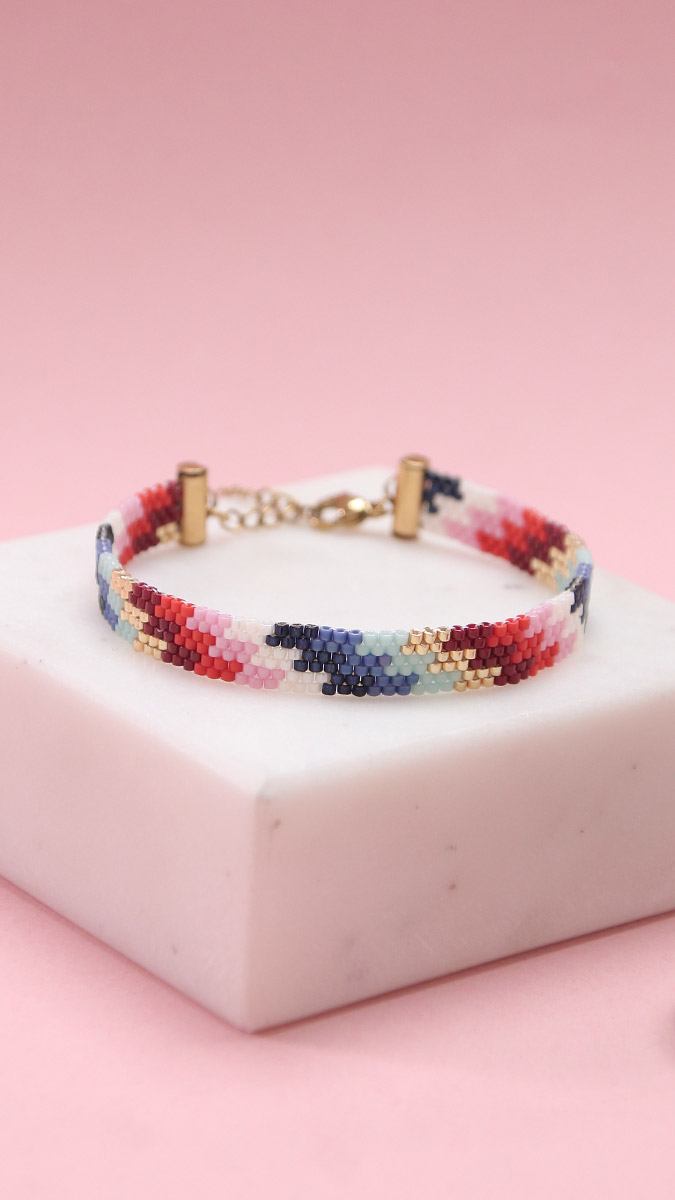
Peyote stitching is an ideal technique for making beaded strands, such as bracelets, starting with an even number of beads. For the best learning experience, follow the bracelet pattern provided, then move on to advanced techniques. Don’t forget to cut a strand of thread 1.5 to 2 m long to make weaving easier.
Want to learn Peyote weaving ? Start by following this instruction sheet, which will show you how to make a Peyote weaving strip with an even number of beads. With this technique, you can make a bracelet, for example. Start by practicing with this beginner's peyote bracelet pattern. Once you've mastered this technique, you can move on to odd-numbered Peyote weaving and Peyote weaving increases and decreases.
This video is the third episode of our Beginner Weaving Training. The aim of this course is to teach you the basics of bead weaving with a needle, without a loom. Here are the other episodes released so far:
You can cut 1.5 to 2 m of thread. In needle-bead weaving, you cut a length of thread that you're comfortable weaving with, and pick up a new one when the first one runs out. This is called "thread arm length", because the ideal length is the length of your arms. So you don't use a single thread for the whole weave, and that goes for all the tutorials of this type you'll come across.
Stop weaving when you have about 10 cm of thread left. To block the thread, go through the beads again, passing through two or three at a time. Make at least four passes through the beads. Pull on the last bead to check that the thread no longer moves. If it does, cut it off. If it doesn't, weave through the beads one or two more times. Take a new piece of thread, thread it onto the needle and make a few more passes through the weave to block the thread. Remember to hold the thread at the start so that it doesn't come off when you pull on it. Once it stops slipping, move through the beads to pick up where you left off.

How you finish the weave depends on how you're going to wear the bracelet. You can either glue your weave to a metal bracelet, or adapt the peyote weave to a weaving tip. This technique is shown at the end of the video. As the beads are only aligned every other row, and the beads in the second-to-last row prevent the weaving tip from sliding on, you need to add a bead to each bead in the last row. In this way, you can easily slide the weaving tip over these last beads. The technique used to attach these beads is called ladder stitch. This is the technique used in our previous video, to start brick stitching.
Once you've added the beads to the last row of beads using ladder stitch, lock your thread into the weave, as explained above, and cut it.
String an even number of beads. Hold them to prevent them from falling off, or add a holding bead beforehand. Leave 10 cm of end thread to finish weaving later.
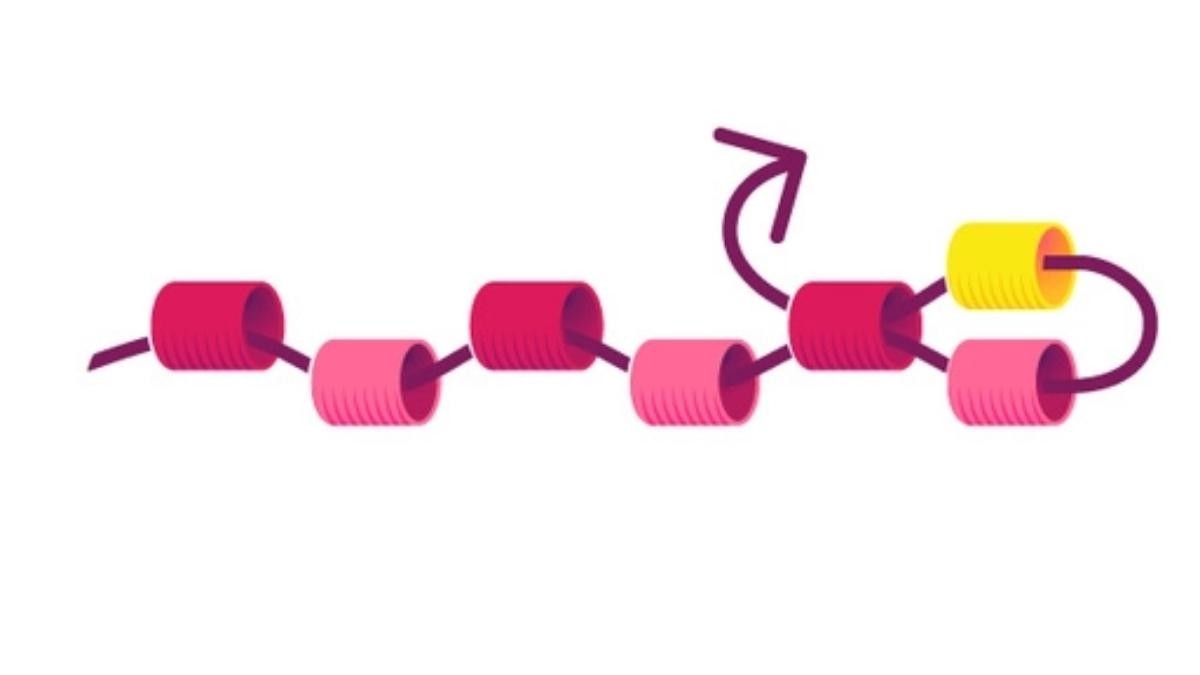
Thread a new bead to start the next row of beads, and pass the thread through the penultimate bead you threaded previously. Follow the instructions in the diagram.
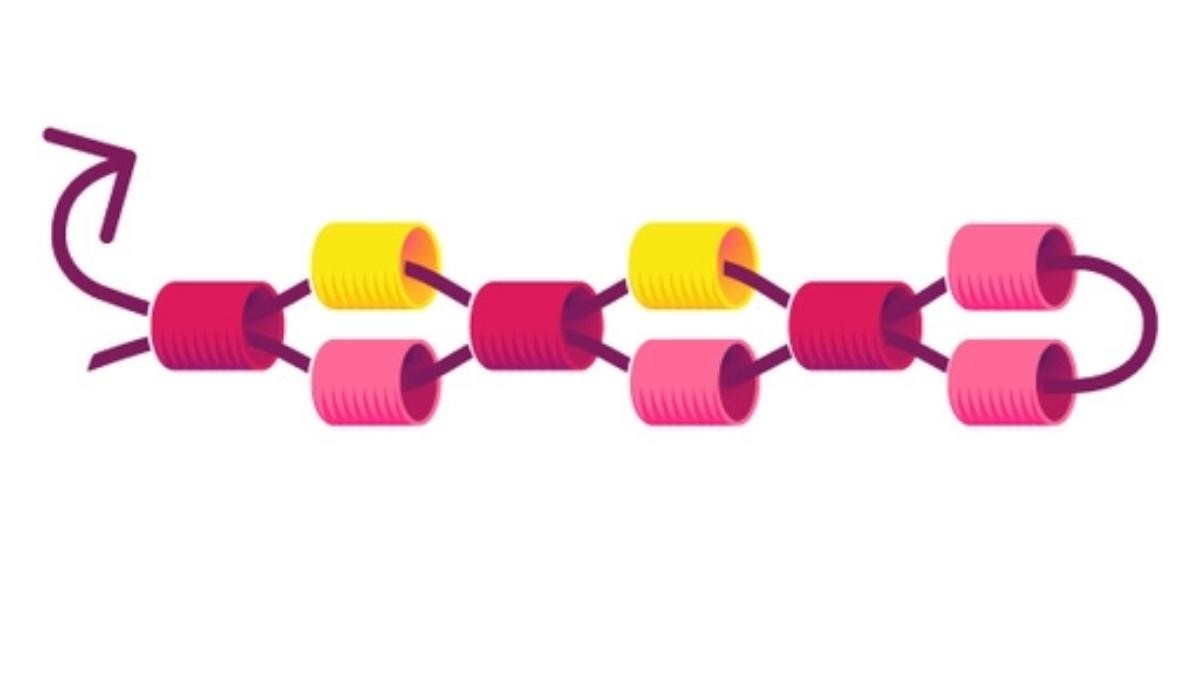
Thread a new bead and pass the thread through the second bead starting from the bead from which your thread exits. So "skip" a bead each time you add a bead to the row. As the weave expands, you'll find it easier to see where to add beads, as the weave will form "hollows" that you can simply fill.
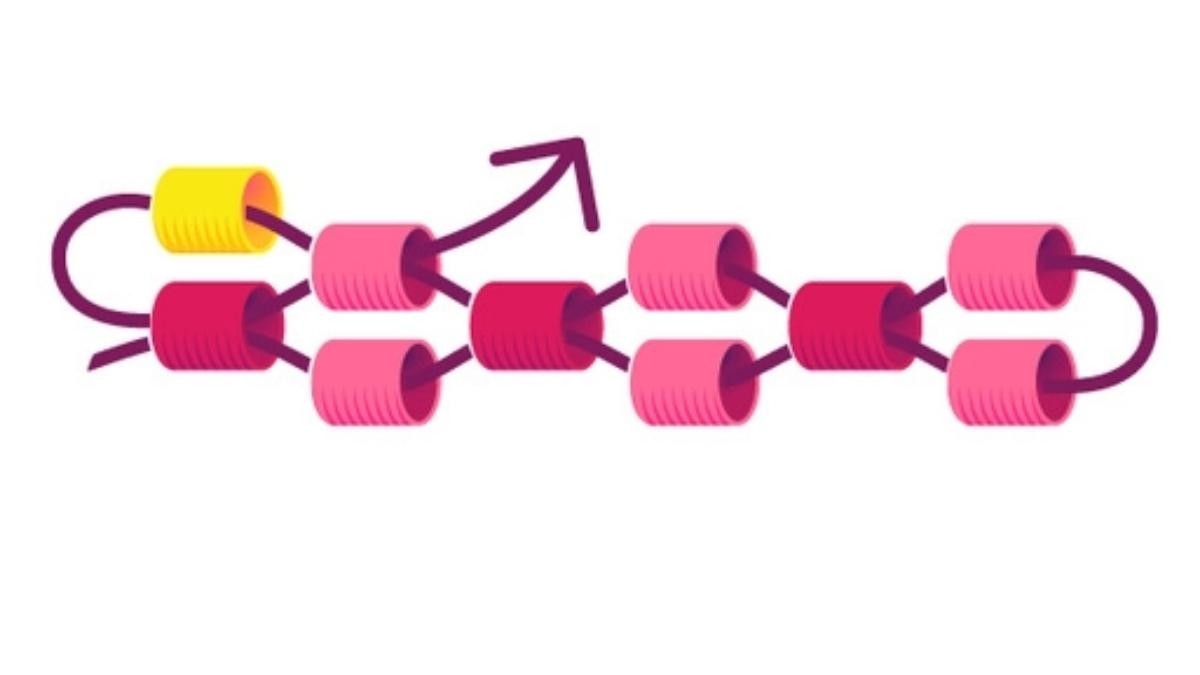
As in step 2, add a new bead to start the new strand of beads and thread through the last bead you added in step 3. Repeat the above steps until you obtain the desired bracelet length.







Credits
Perles & Co, Internet & E-Commerce company [23/10/2024] Any reproduction, representation, adaptation, in any form whatsoever, even partial, is prohibited, except for reproduction for private use not intended for collective use, representation in the family circle (art. L 122-5 CPI) and online publishing on condition that the source is mentioned and a link is included to the corresponding page of our site www.perlesandco.com.