Free shipping on orders over 50€ up to 500g
French Online shop for beads and accessories for the creation of DIY jewellery and other creative hobbies
Log-in
0
Shopping cart
Shopping cart
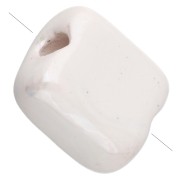
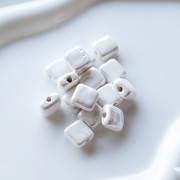
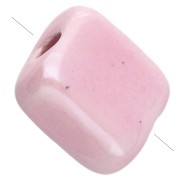
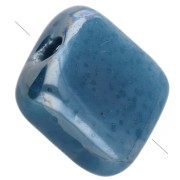
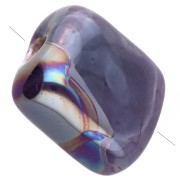
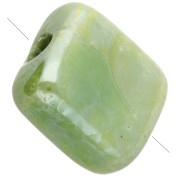
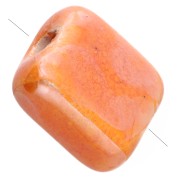
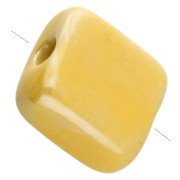
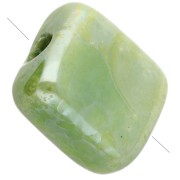
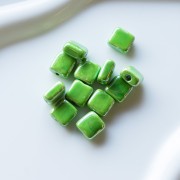
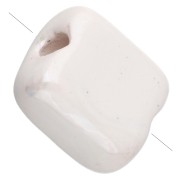
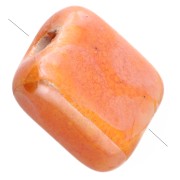
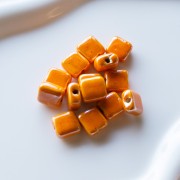
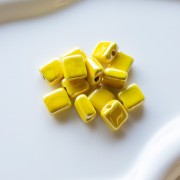
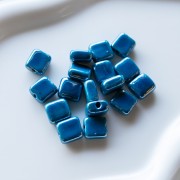
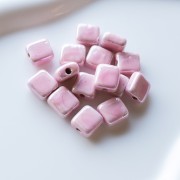
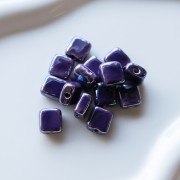
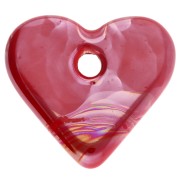
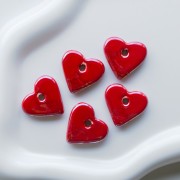
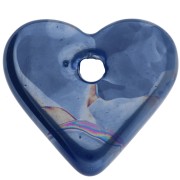
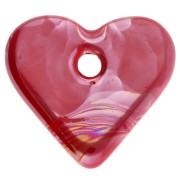
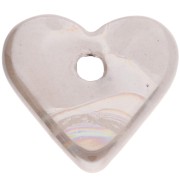
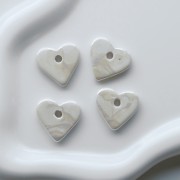
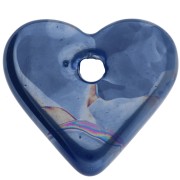
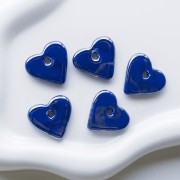
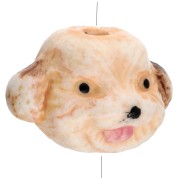
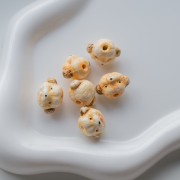
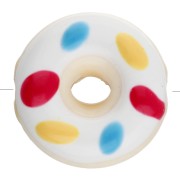
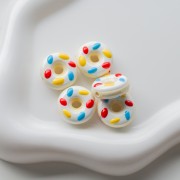
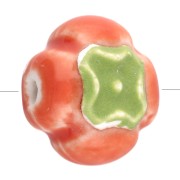
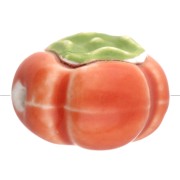
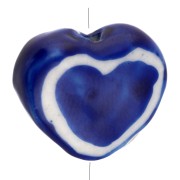
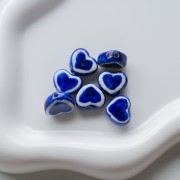
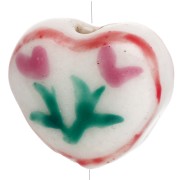
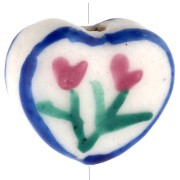
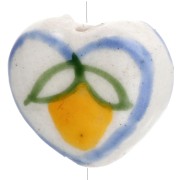
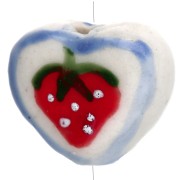
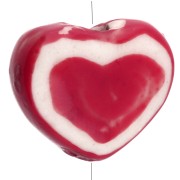
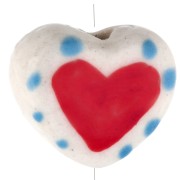
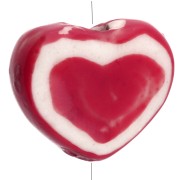
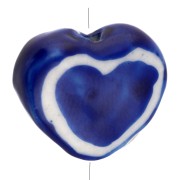
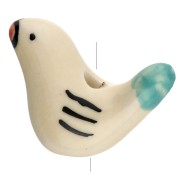
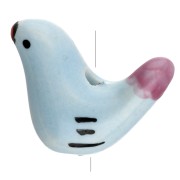
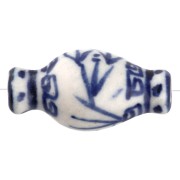
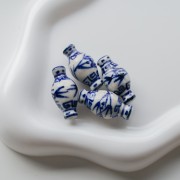
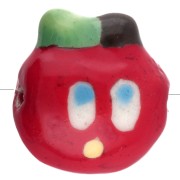
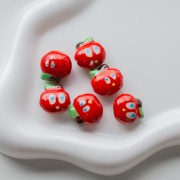
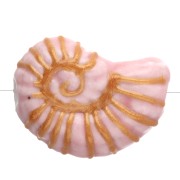
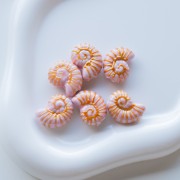
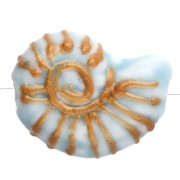
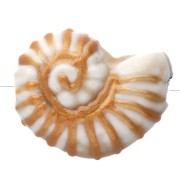
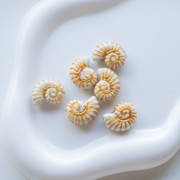
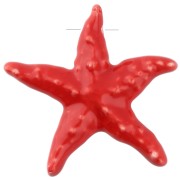
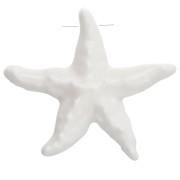
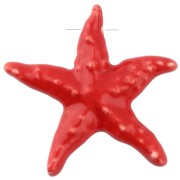
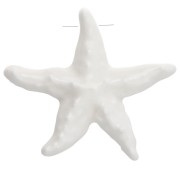
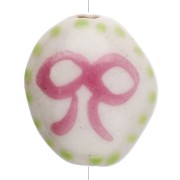
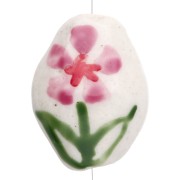
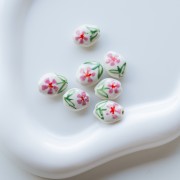
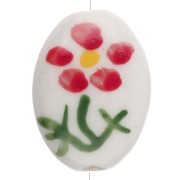
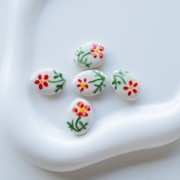
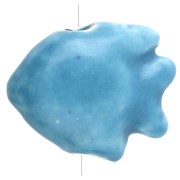
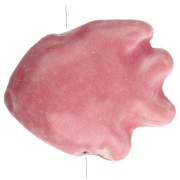
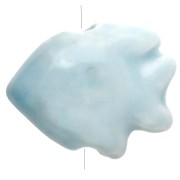
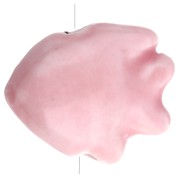
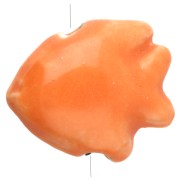
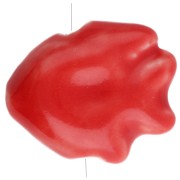
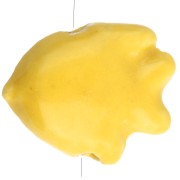
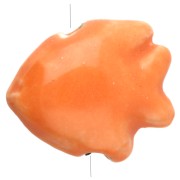
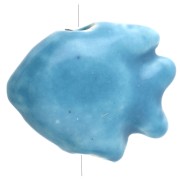
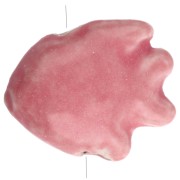
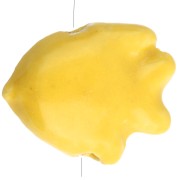
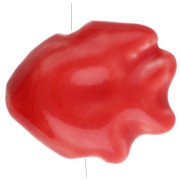
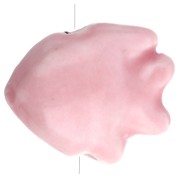
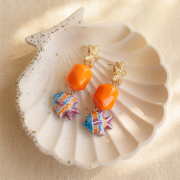
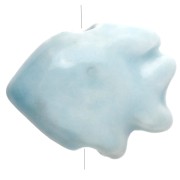
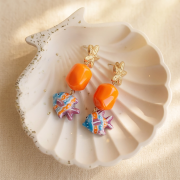
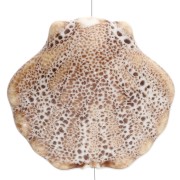
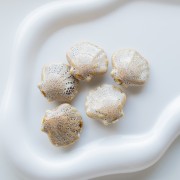
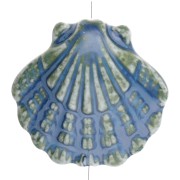
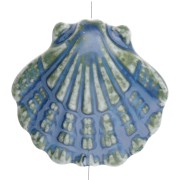
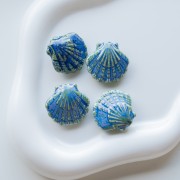
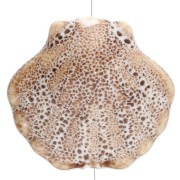
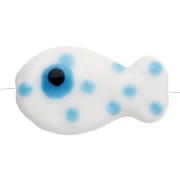
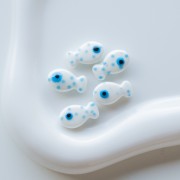
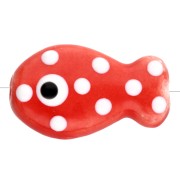
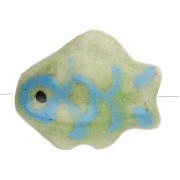
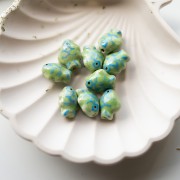
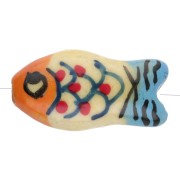
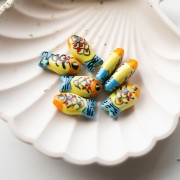
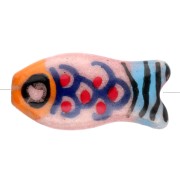
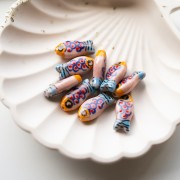
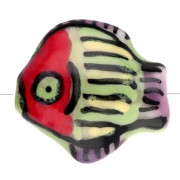
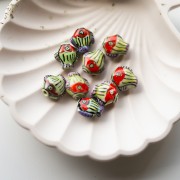
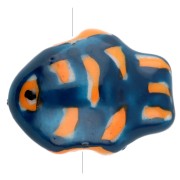
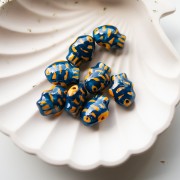
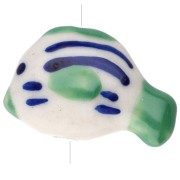
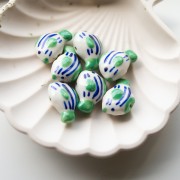
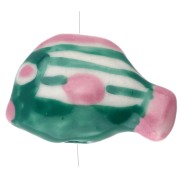
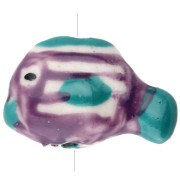
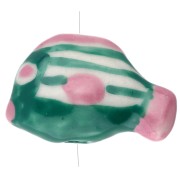
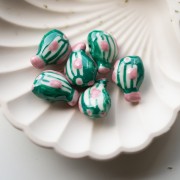
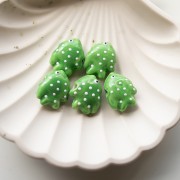
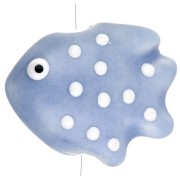
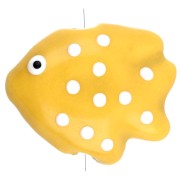
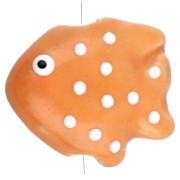
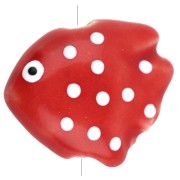
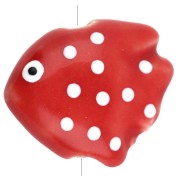
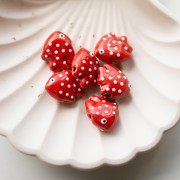
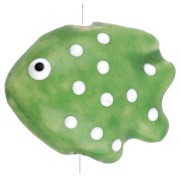
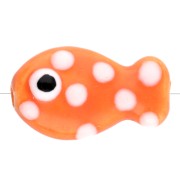
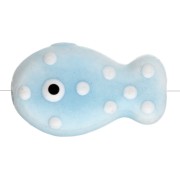
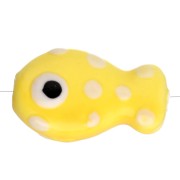
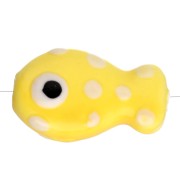
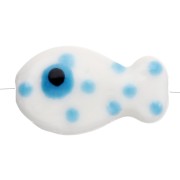
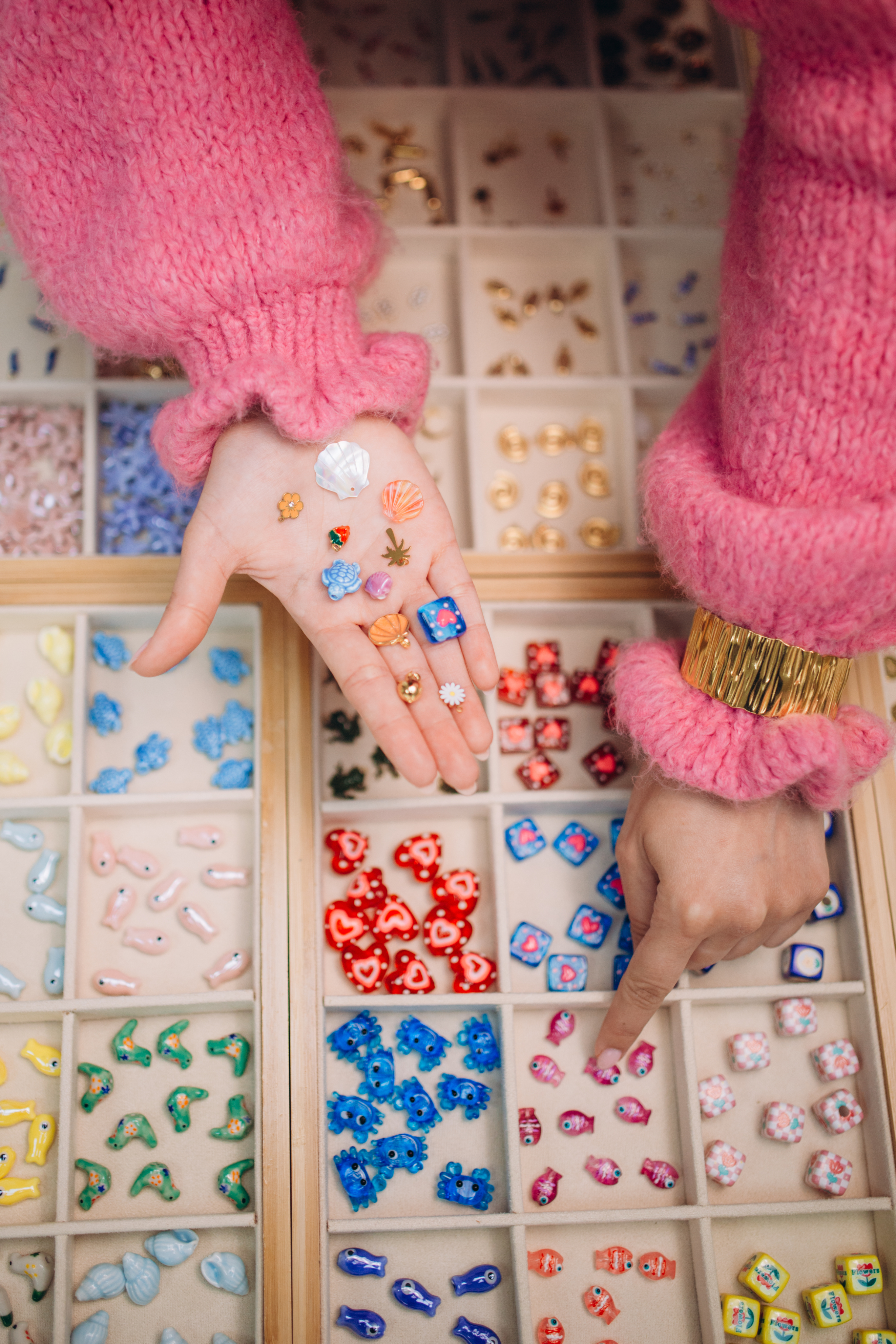
Handcrafted, then fired and decorated, ceramic beads stand out for their warm feel, their lightness, and the richness of their finishes—which are very different from those of glass or metal beads.
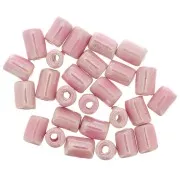
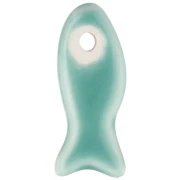
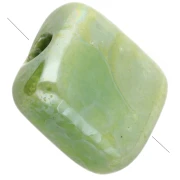
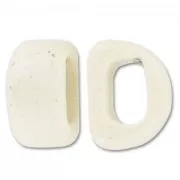
Ceramic is one of the oldest materials ever worked by humans, and its use in costume jewelry adds a dimension that is both raw and refined to the designs.
Creating a ceramic bead involves a long and meticulous process. The clay is first shaped by hand or molded into the desired form, then dried before undergoing an initial firing to solidify it. Next comes the decoration stage: the bead is dipped or painted with pigments that, when subjected to a second high-temperature firing, set into a colored layer—glossy or matte, depending on the technique used.
This double-firing process explains the durability of the ceramic once it has been crafted, despite its sometimes fragile appearance. It also explains why two beads from the same batch may show slight variations in color or pattern. Each bead is unique.
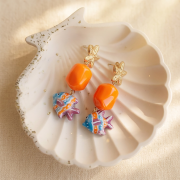
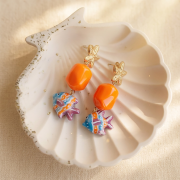
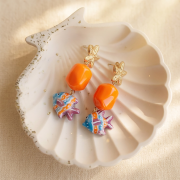
Lightweight despite their size, ceramic beads are particularly well-suited for statement jewelry such as chokers, mixed-style necklaces, or bracelets, without weighing down the final piece. Their central hole allows for standard stringing on thread, cord, or metal wire, just like most through-hole beads.
Since they are more susceptible to impact than glass or metal, they require careful handling during assembly, particularly to avoid repeated friction against metal findings that could scratch their surface. They pair well with wooden beads, natural stone beads, or gold-plated findings, creating jewelry with a natural yet bold character.
The choice depends primarily on the desired effect: a solid, colorful finish is ideal for summery, graphic jewelry, while a matte or crackled finish adds a more artisanal and textured touch. It’s also helpful to check the hole diameter—which is sometimes narrower than on other types of beads—to ensure compatibility with your chosen thread or cord.
A ceramic bead is a bead shaped from clay, dried, and then fired; it is often coated with a layer of color applied before a second firing, which gives it its final glossy or matte finish.
Once fired, they are sturdy but remain more susceptible to severe impacts than glass or metal. Careful handling during assembly is recommended to preserve their finish.
Simply wipe them down with a soft, dry cloth, avoiding impacts, prolonged exposure to moisture, and contact with chemicals or cosmetics that could dull their finish
They pair especially well with wooden beads, natural stones, or gold-plated findings, creating jewelry with a natural, bohemian, or summery style.