How do you calculate the amount of Jesmonite you need?
Jesmonite is an innovative composite material often used as an alternative to resin or plaster. It is composed of a mineral base, usually modified gypsum, and a water-based acrylic binder. This material offers several advantages. It is less harmful to the environment than traditional resins, being water-based and free from toxic solvents. It is strong yet lighter than concrete. It is easily colored with pigments. Its smooth finish enables precise detailing in molds.
There are several types of Jesmonite for different uses. AC100 is the most common and is ideal for crafts and interior decoration. For greater resistance to outdoor conditions, Jesmonite AC84 is a more durable alternative, suitable for environments exposed to the elements.
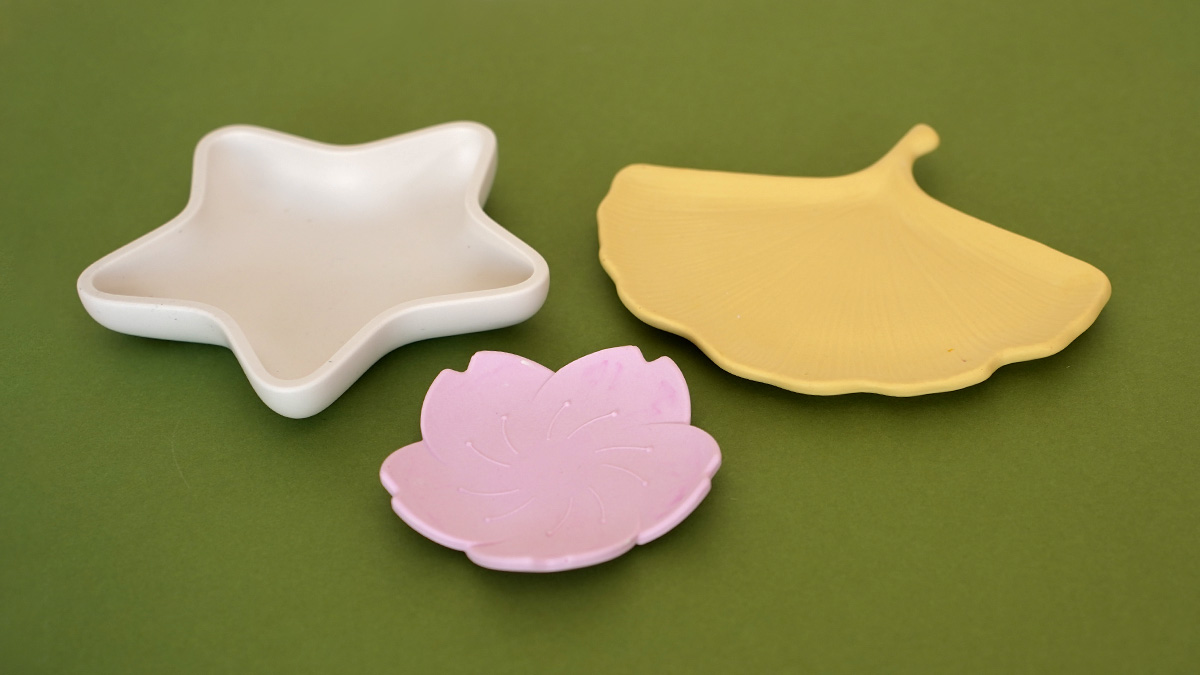
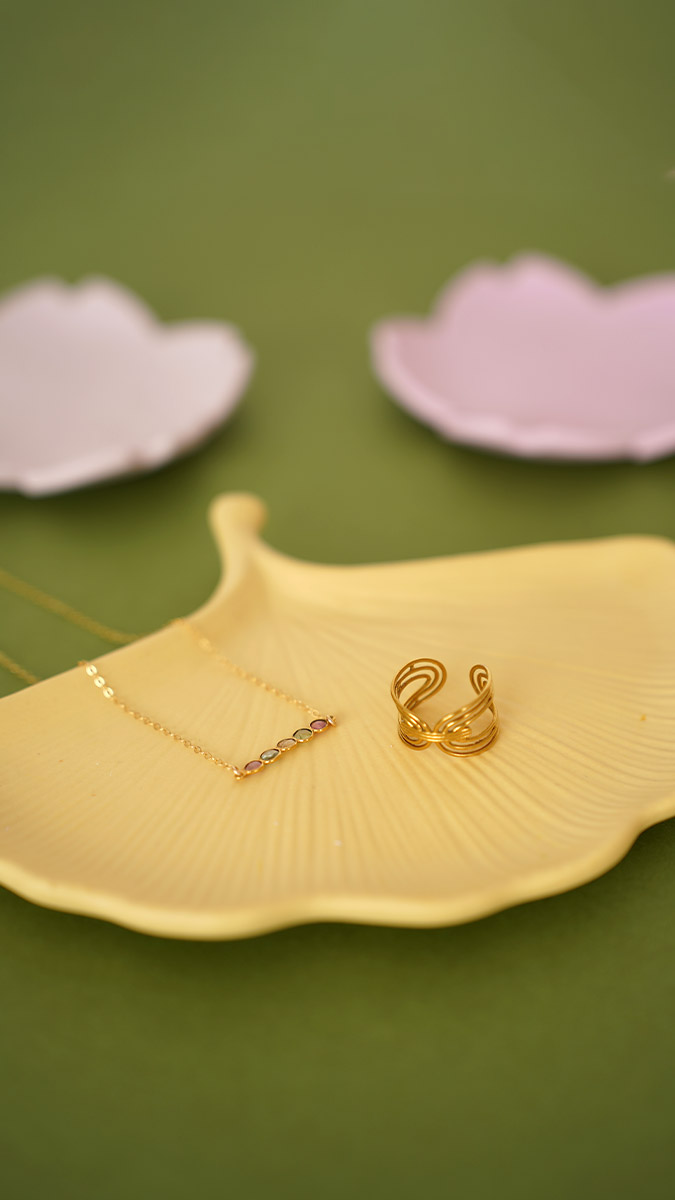
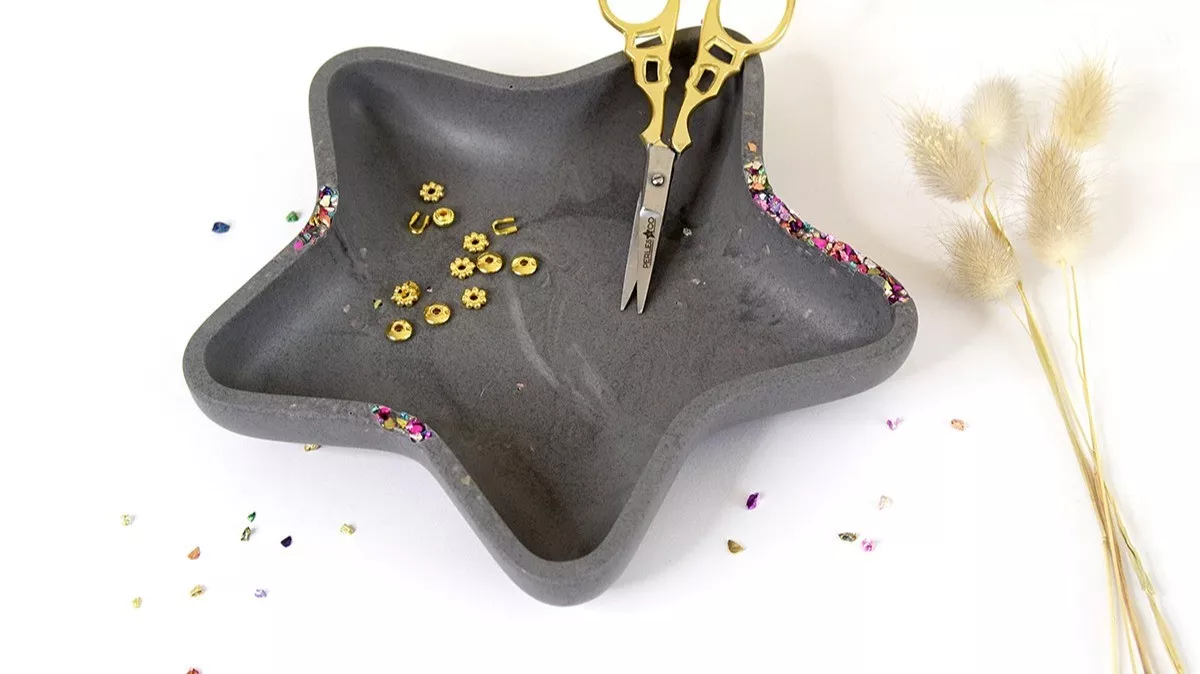
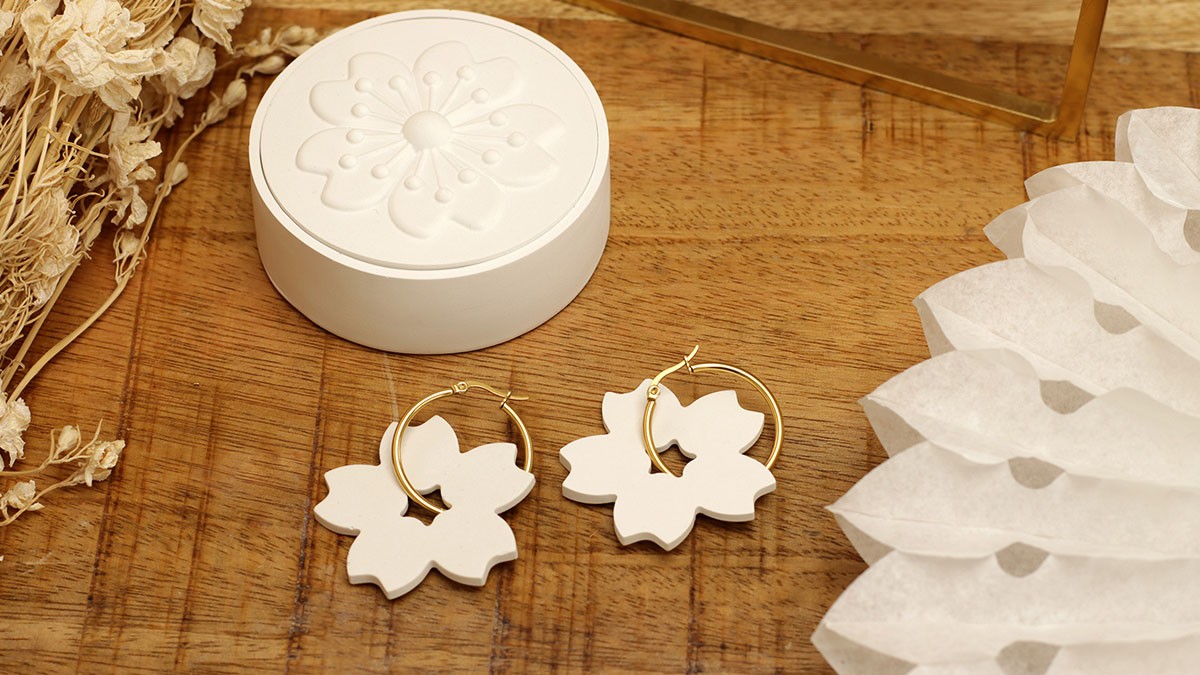
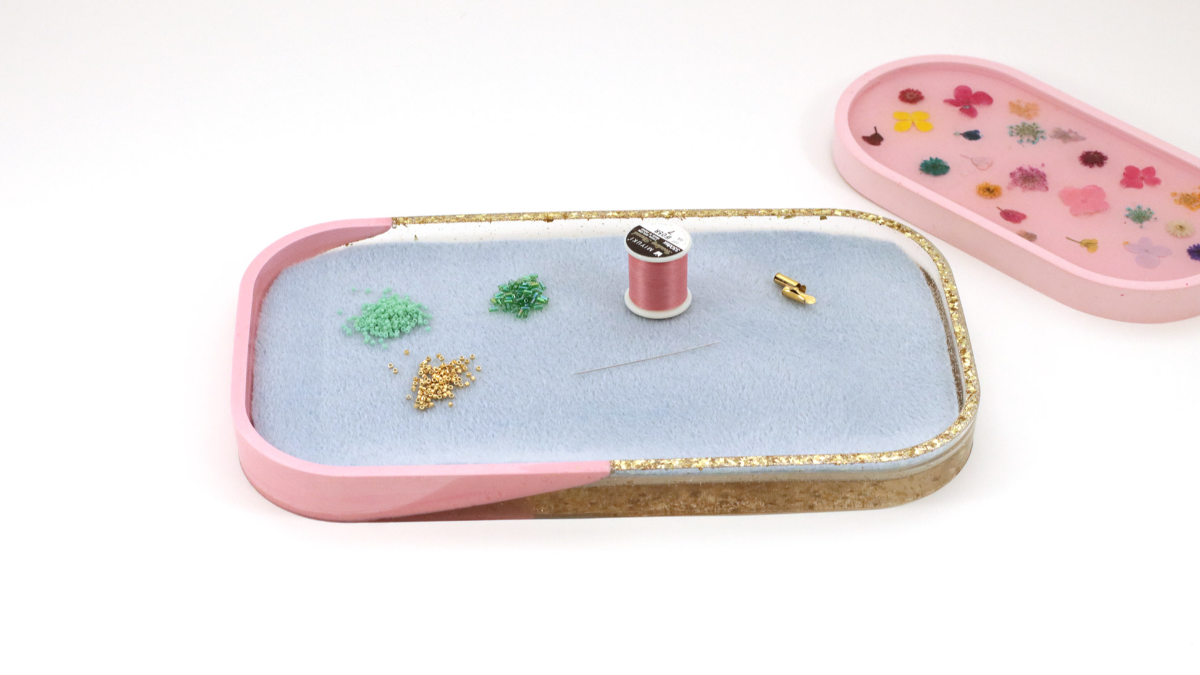
Jesmonite is used to create jewelry, decorative objects, trays, coasters, vases and candleholders. In this tutorial, we'll be making decorative Jesmonite jewelry cups that can also be used to take photos of your jewelry for social networking. Use our Cherry Blossom Beads caps and Ginkgo Leaf Tray molds to show off your handmade jewelry. Please note that the hexagonal mold listed in the material is larger than the one used in the video.
Its use is relatively simple. First, mix the mineral powder with the acrylic liquid in a precise ratio: for AC100, mix 100g of liquid with 250g of powder. The use of a precision balance is recommended, but you can get by with a kitchen scale.
Pigments can be added if you wish to color the mixture. Add the powdered colorants to the Jesmonite powder before mixing. You can add the liquid once the powder pigment is fully incorporated into the powder. Add the liquid colorants as you mix.
You can also add shavings from previous tests to create a terrazzo effect in Jesmonite.