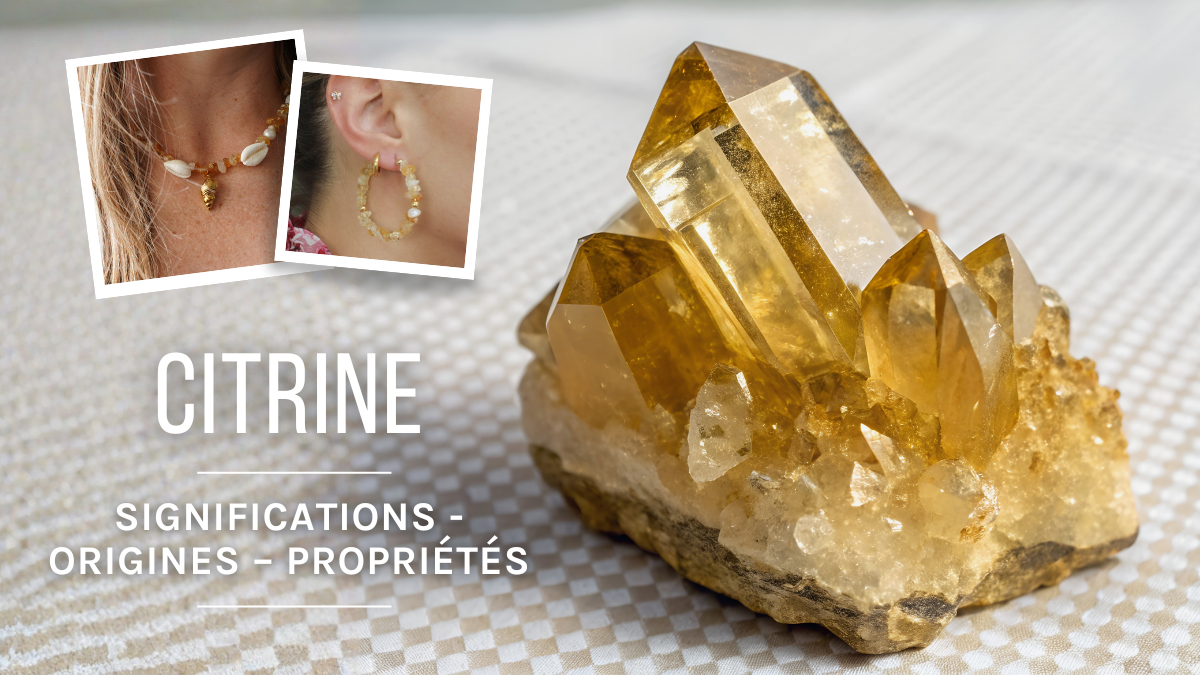
Please note: Citrine is a member of the Quartz family. Naturally, it is very pale and of no interest in jewelry. It is therefore heated to enhance and reveal its lovely yellow color.
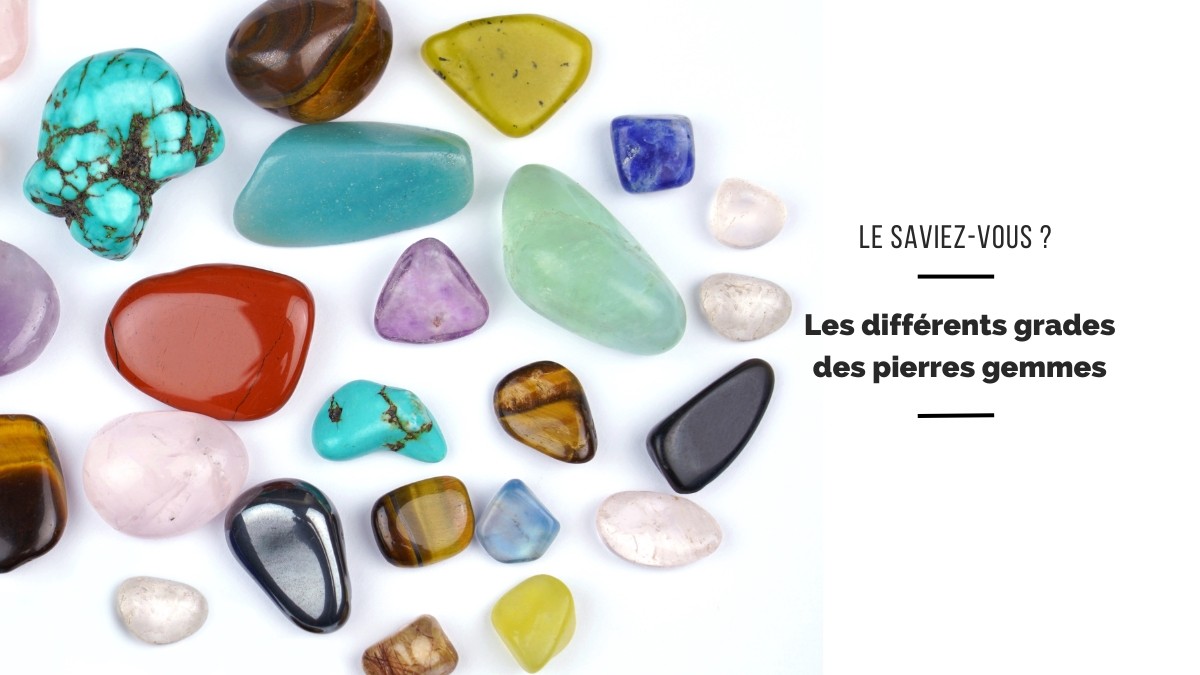
Did you know?
Derived from the Latin "citrus", meaning "lemon" in reference to its color. Known since 500 BC, this yellow stone has been popular since ancient Greece. Theyellow stone was considered a good-luck charm.
But here we'll focus on its aesthetic appeal rather than its virtues and history.
With these jewelry cabochons, you'll be able to enhance your creations.
But first of all, we'd like to give you a few techniques and tips to help you create your costume jewelry with complete peace of mind, and with all the knowledge you need to make sure you don't make a mistake.
What can I do with a cabochon?
The combinations are endless, and we've come up with a few ideas for creations and types of support suitable for round cabochons. But above all, let your creative spirit run wild and have fun!
Citrine jewelry is usually made in pink or yellow gold, but it also works well with metals such as silver or white gold.
A 13-year wedding anniversary coming up? Perfect timing, it's Citrine's nuptials !
It's also a good luck charm for November natives.
Now for the answer to your burning question:
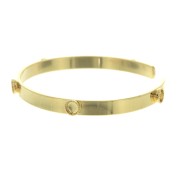
How do I attach my cabochon to a stand?
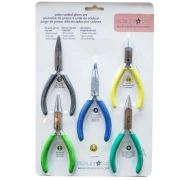
Don't panic, the pearls & co team is here to give you all the tools you need, and have you ever heard of our toolbox? That's where you'll find the answers to many of your questions:
- How to crimp cabochons?
- How do I glue a cabochon onto a setting?
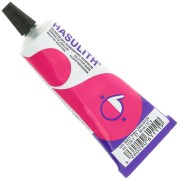
- Which glue should I use?
- Which cabochon shapes should be crimped or glued on a flat surface?
Please note that each stone is unique and may differ significantly from the photo.
Size may vary slightly from one cabochon to another. This stone may contain inclusions.
For gluing or setting.
Not set.
Sold in bags of 5.








/im-Tuto-DIY-Jewelry-Necklace-Multirangal-Fantasy-Lotus-Flower-and-PureCrystal-Cabochon.jpg "Tuto DIY Jewelry Necklace Multirangal Fantasy Lotus Flower and PureCrystal Cabochon")