Average Grades

Comment cacher le fermoir d'un collier
1 Answer
Show answers

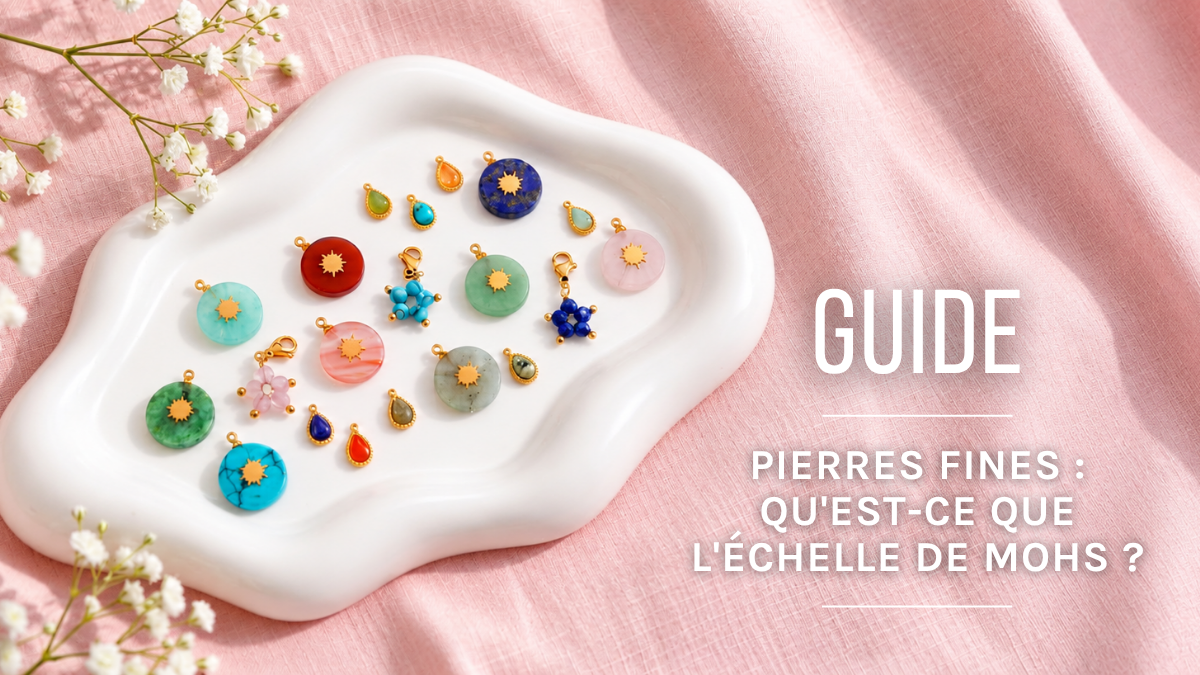
The Mohs scale classifies the hardness of minerals, ranging from 1 (talc) to 10 (diamond), and is essential for selecting stones for jewelry making. For example, quartz (hardness 7) is suitable for everyday jewelry, while calcite (hardness 3) is ideal for occasional pieces. This scale is the most commonly used method for assessing the durability of gemstones.
You’ve probably noticed in our product specifications: when we talk about a stone’s hardness, we’re referring to the Mohs scale. But what exactly is the Mohs scale?
The Mohs scale is a classification system used to measure the hardness of minerals, particularly precious stones and gemstones (the current term for semiprecious stones). It was devised and developed by the German mineralogist Friedrich Mohs in 1812. It ranges from 1 for the softest stones (such as talc) to 10 for the hardest stones (diamond).
The hardness of stones is not measured with a precision instrument, but by comparison. Each mineral is tested against ten reference gemstones, which serve as standards:
The principle is simple: if a mineral scratches reference No. 6 but not No. 7, its hardness falls between the two. It is this scratching logic that gives the method its name.
Knowledge of this hardness scale is essential in jewelry making. This tool helps you choose a gemstone based on its intended use. For example, a quartz stone with a hardness of 7 is perfect for creating a ring that will be worn every day. But a calcite stone with a hardness of 3 is better suited for jewelry worn only occasionally.
Find information on the hardness of gemstones in our gemstone glossary or in our guide to gemstones.

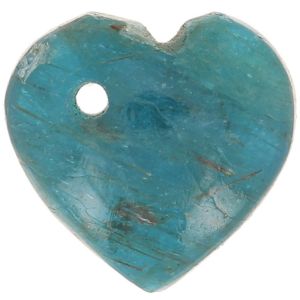
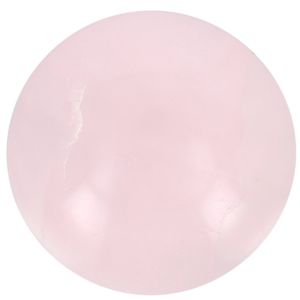
| Hardness | Mineral | Scratch Resistance | Scratches | Classification |
| 1 | Talc | Very low | Crumbles under the fingernail | Soft |
| 2 | Gypsum | Weak | Can be scratched with a fingernail | Soft |
| 3 | Calcite | Moderate | Can be scratched with a copper blade | Medium |
| 4 | Fluorite | Moderate to high | Can be scratched with a knife | Medium |
| 5 | Apatite | High | May be scratched with a steel knife | Medium |
| 6 | Orthoclase (Feldspar) | High | Can be scratched with a file or sand | Medium |
| 7 | Quartz | Very high | Can scratch glass Can be scratched by topaz, corundum, or diamond | Hard |
| 8 | Topaz | Very high | Can scratch quartz Can be scratched by tungsten carbide | Hard |
| 9 | Corundum (Sapphire and Ruby) | Extremely hard | Can scratch almost all minerals, except diamond Can be scratched by silicon carbide | Very hard |
| 10 | Diamond | Extremely hard | Can scratch all other minerals Can be scratched by another diamond | Very hard |
Knowing a stone’s hardness allows you to anticipate how it will age in a piece of jewelry. A very hard gemstone will withstand everyday wear and tear, while a softer stone will require more care.
Here are some practical guidelines for your designs:
There are other complementary tools that measure the hardness of materials, particularly natural stones, such asthe Knoop scale,the Brinell scale, andthe Rockwell scale. However, the Mohs scale remains the most widely used method.
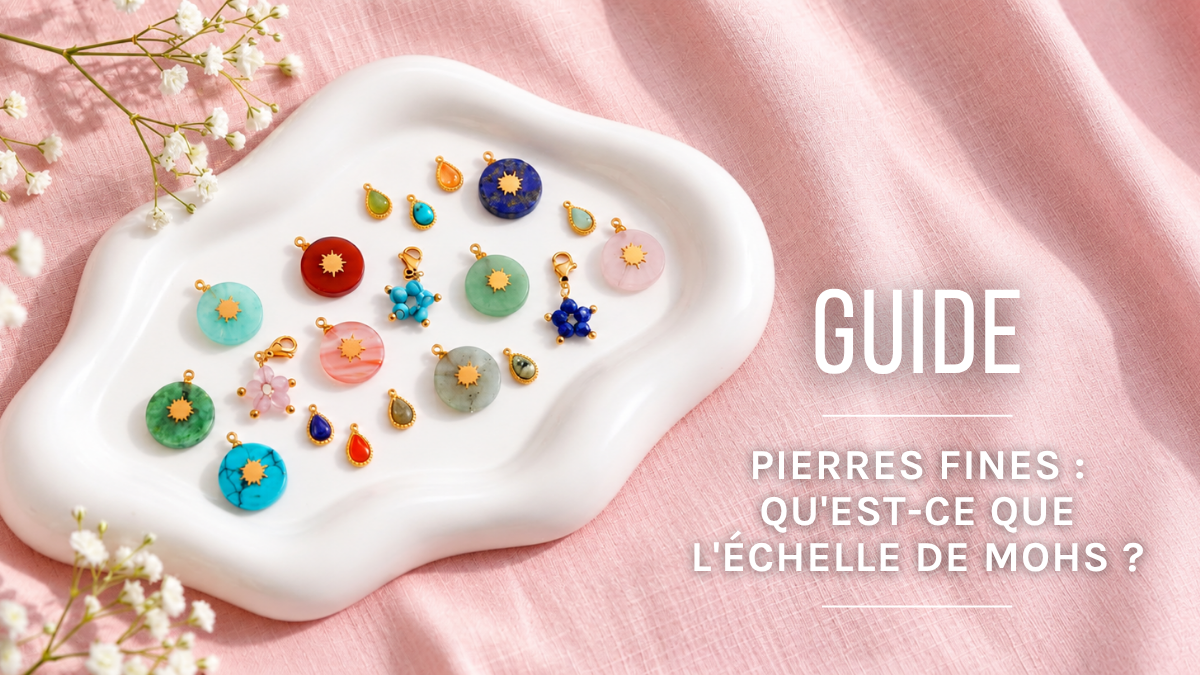
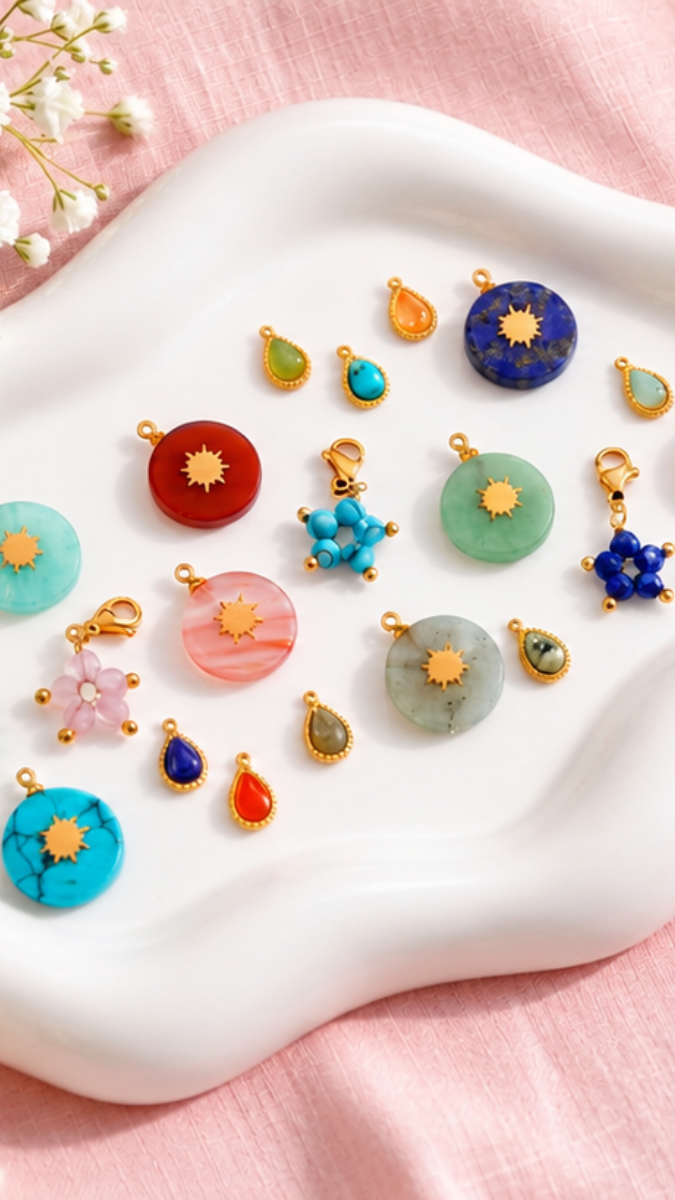

It is a classification system created in 1812 by the German mineralogist Friedrich Mohs. It rates the hardness of minerals on a scale from 1 (softest) to 10 (hardest), by comparison with ten reference stones.
Diamond, with a hardness of 10, is the hardest known natural mineral. It can scratch all other minerals, including another diamond.

Credits
Perles & Co, Internet & E-Commerce company [07/09/2026] Any reproduction, representation, adaptation, in any form whatsoever, even partial, is prohibited, except for reproduction for private use not intended for collective use, representation in the family circle (art. L 122-5 CPI) and online publishing on condition that the source is mentioned and a link is included to the corresponding page of our site www.perlesandco.com.