Free shipping on orders over 50€ up to 500g
French Online shop for beads and accessories for the creation of DIY jewellery and other creative hobbies
You need assistance?
Log-in
0
Shopping cart
Products
News
Trends
Special prices
Inspiration
Howto
Beginners Tutos
⭐ Gift card
Gemstones
View all
Beads
Bracelets
Cabochons
Chip beads
Donuts
Faceted drops
Gemstone points
Gemstones on thread
Half-drilled round beads
Heishi beads
Imitation gemstone
Pendant
Pendants
Sequins
Spacers 2 holes
Spacers 2 loops
Collection stones
Rolled Stones
Beads & Components
View all
Brazilian bracelets and braids
Freshwater Pearls
Hair accessories
Mother of Pearl Beads and Shells
Personalizable charm
Heishi beads
❤ Beads By Puca ® ❤
Stainless steel
Gemstones
925 Sterling Silver
Gold Filled
3 microns gold plated
Metal
Spacers
Sequins
Natural
Glass Beads
Fire-Polished Beads
Pompoms and tassels
Feathers
Rhinestones
Religious Symbols
Synthetic
Handcrafted
Personalisable Jewellery
Epoxy enamel component
Zirconium oxyde
Seed Beads
View all
Matubo
Miyuki
Preciosa Ornela
Toho
Metal seed Beads
Other seed beads
Purecrystal crystals
View all
Cabochon
Cabochon - Flat Back
Sew-on stones
Drops
Buttons
Hearts
Pearls
Pendants
Beads
Accessories
Crystal Fabric
Crystal Mesh
Rhinestones
Ceralun Paste
Pave Rings
Joblot PureCrystal
Wholesale
Aurora crystals
View all
A1088
A1122
A4120
A4161
A4200
A4320
A4470
A4500
A4527
A4610
A4627
A4827
A4831
A5810
A1201
Preciosa Crystal
View all
Maxima Pearls
MC Preciosa bicones
MC Preciosa Round
PearShape Pearl
Strass Chatons Rose Maxima
Clasps
View all
XRF testing
Clasp for weaving
Extension chains
Fermoirs caoutchouc
Handcuff clasps
Heart clasps
Hook and eye clasps
Leather lace & cord clasps
Lobsters
Magnetic clasps
Multi-strands
Screw Clasps
Snap Clips and Rivets
Springring clasps
Tags
Toggle clasps
Watch clasps
Accessories for Jewels
View all
925 St. Silver Accessories
Gold Filled Accessories
Gold Plated
Keyrings
Metal accessories
Stainless Steel findings
Synthetic Primers
XRF testing
Natural Matter Primers
Chains
View all
925 Sterling Silver
Gold-plated chains
necklace
Rhinestones Chain Cut Crystal
Rose gold tone
XRF testing
14K Gold Filled
Brass
Silver tone
Stainless Steel
Black Nickel
Bronze tone
Old copper tone
Gold tone
Rhodium tone
Chains with beads
Plastic chains
Aluminium Chain
Enameled Chain
Threads, Cord & ribbons
View all
Braided and twisted nylon thread
C-LON, Nymo & One-G
Cord
Cork
Cotton Thread
Elastic cord
Embroidery thread
Friendship bracelets
In mesh
Leather & Suede
Metal Thread
Micro macrame thread
Natural Fiber yarn
Nylon thread
Plastic & Rubber
Ribbon
Silk
Soutache Braid
Other
Findings & tools
View all
Accessories for Rhinestones
Bead tools
Bracelet to customize
Cleaning tools
Cutting tools
Display cases and bags
Efcolor - Enamel powder
Etching tools
Filing and Polishing
Gift packaging
ImpressArt stamps, stamping blanks and tools
Knitting, Tassel and Kansashi
Machines
Measurement tools
Needles
Shuffle for lace and frivolity
Storage
Tether and strap fastener
Tool for Welding
Tools for copper wire
Tools-pliers & tweezers
Varnish/Glue
Watches
Weaving
Ultra Suede
Fabric
View all
Polyester blended fabric
Viscose
Muslin fabric
Hotfix tissues
Leather and Imitation leather
Notions & Custo
View all
Punch Needle
Textile Findings
Bias ribbon,Piping and Straps
Buttons
Broderie
Zippers
Wool & Felt
Sewing thread
Frivolity - Tatting
Sewing equipment & sewing machine
Pattern
Paintings & markers for fabric
Soft toys & teddy bears
Feathers
Pompons
Natural Raffi
Bags, pouches and baskets
Soutache Braid
Ultra Suede
Rhinestones
Hotfix
Wool, Knit & Crochet
View all
Accessories Knitting / Crochet
Knitting and tassel
Wool
Wool weaving
Laine Creative Bubble Rico Design
Modelling clay
View all
Cement
Glass - Fusing
Jesmonite
Kato Polyclay
Metal Clay
Modeling
Molds
Padico
Self-hardening Clay
Stamps and ink pads
Fimo Polymer clay
Cernit
Sculpey Polymer Clay
Accessories
Adirondack Inks
Bases
Cosclay
Cutter set
Glazing pen
Handroller
Metal Foils & Transfers
Microballs
Moulds
paint and Pastel
Pigments
Polymer clay canes
Scultoline
Silkscreen
Templates
Texture sheets
Varnishes & Glues
Resin
View all
Dying products
Elements to decorate your DIY resin creations
Molds
Resin
Resin supports
UV LED Resin
Ceralun Paste
Microballs
Deco and DIY
View all
Braided macramé cord
Bullet journal
Candles
Cork
Creative cooking
Dried Flowers
Floral Art
Glycerine soap
Light Garland
Lightbox
Macrame
Mosaic and mirror
Paper assortment
Paper Flowers
Pyrograver
Rattan for braiding
Selfmade Stempel
String Art
Suspension and paper decoration
Terrarium
Wedding DIY
Wool braiding
World map to scratch
Bath bombs
Items to decorate
View all
Bags, Fashion and Textiles
Boxes and Cases
Clock to decorate
Deco
Notebook
Smartphone
Wooden bracelets
Fine Arts
View all
Painting
Writing & Drafting
Ink
Stencil
Findings & Tools
Powder
Glues & Varnishes
Leaf metal
Kids
View all
Beads
Frosted shrinkles
Hama beads
Kit
Modeling clay Padaboo
Fimo Kids
DIY Mummy
Scoubidou strands
Kits
View all
By Perles & Co
Cross stitches
Déco
Friendship bracelets
Heishi
Jewels
Modelling
Bookstore
View all
Beads weaving
Braiding with threads
Crochet, Wool and knitting books
Deco/Custo
English books
Modeling
Sewing books
Mixed and other technical
Outlet
Our jewelry
View all
Swarovski crystals
View all
Joblot Swarovski
Beads
Bulk packaging
Buttons
Cabochons
Crystal Fabric
Crystal Mesh
Drops
Hearts
Pearly
Pendants
Spacers
Stick-on cabochons
Strass
Ceralun Paste
Home
Bookstore
Sewing books
Sewing books
FILTRER
10 item(s)
Sort by
the latest
Delete filters
Sort by
the latest
the older
The cheapest one
The most expensive one
Reversed alphabetic
Alphabetic
View
10
product(s)
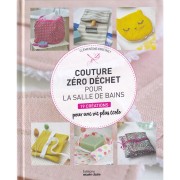
Couture Zéro Déchet pour la salle de bain x1
18,86 €
Add
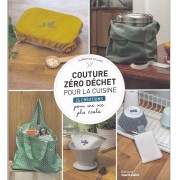
Couture Zéro Déchet pour la cuisine x1
18,86 €
Add
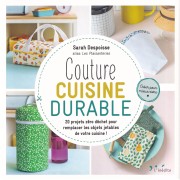
Couture Cuisine Durable - 20 projets Zéro Déchet x1
18,01 €
Add
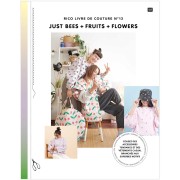
Rico sewing book #13 - Just Bees + Fruits + Flowers x1
9,47 €
Add
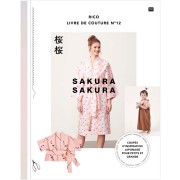
Le petit livre de couture de Rico n°12 - Sakura Sakura IN FRENCH x1
8,15 €
Add
Les indispensables robes - 10 modèles faciles - IN FRENCH x1
12,31 €
Add
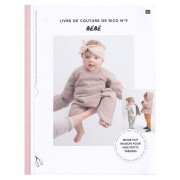
Le petit livre de couture de Rico n°9 - Nature Matters - Bébé - Book in French x1
5,68 €
Add
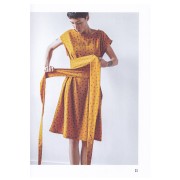
Le petit livre de couture de Rico n°8 - Nature Matters - Book in French x1
5,68 €
Add
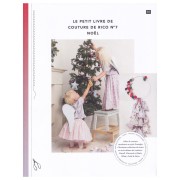
Le petit livre de couture de Rico n°7 - Noël - IN FRENCH x1
5,68 €
Add
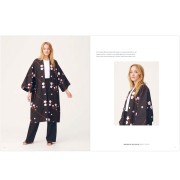
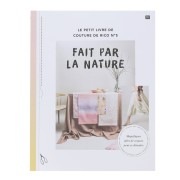
Le petit livre de couture de Rico n°5 - Crafted Nature - Book in French x1
5,68 €
Add
Best-sellers
Discover our best products