Average Grades
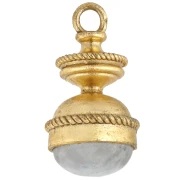
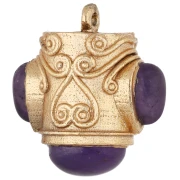
Bonjour je ne retrouve pas un tuto qui explique comment tisser une pierre améthyste en pendentif avec des perles Miyuki
1 Answer
Show answers

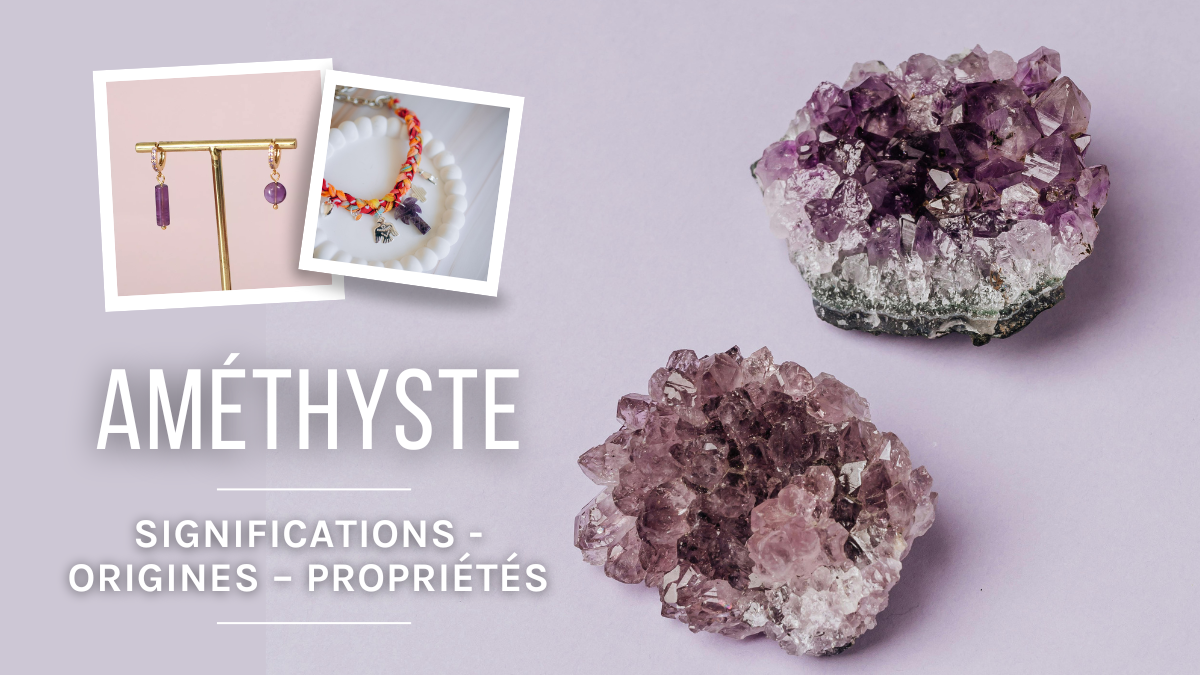
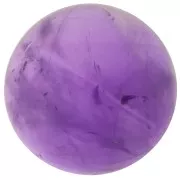
Amethyst is a prized gemstone, known for its light to dark violet color. Mainly mined in Australia, Brazil and Madagascar, it is often used in jewelry for its beauty and brilliance. As a variety of quartz, it is distinguished by its hardness and its symbolism of spirituality and protection.
Amethyst is one of the best-known and most beloved gemstones. Thanks to its color and luster, this fine stone (formerly known as a semiprecious stone) is widely used in the jewelry industry.
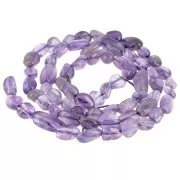
Browse our selection of amethyst jewelry components so you, too, can create beautiful pieces featuring natural gemstones.
The name of this fine gemstone comes from the Greek word “amethystos,” which means “to protect against drunkenness.” It stems from the myth of amethyst’s creation.
According to Greek mythology, Dionysus, the god of wine and intoxication, desired a nymph named Amethystos. But she rejected the god’s advances because she wished to remain chaste. Artemis, the goddess of the hunt, the wilderness, and chastity, having learned of Dionysus’s evil intentions, transformed the nymph into a hard, cold crystal to protect her. Enraged, Dionysus spilled his glass of wine onto the stone, which turned violet.
That is why, in ancient times, people drank from amethyst cups, believing they would protect them from drunkenness.
Amethyst has been used since time immemorial. Evidence of its use can be found among the Etruscans, who used it for decoration, and among the Egyptians, who wore it as a pendant.
In Roman times, amethyst was considered a good-luck charm. Soldiers wore amethysts around their necks as amulets to protect themselves in battle. In the Middle Ages, knights always wore an amethyst on their rosary when setting out on a crusade.
In the 18th century, amethyst was used to make brooches and pins.
Among Christians, the amethyst symbolizes love; Saint Valentine wore it as a pendant around his neck. But it also symbolizes spirituality: bishops wear a ring adorned with an amethyst, and it is also the color of their robes. This gemstone is also known as the bishops’ stone.
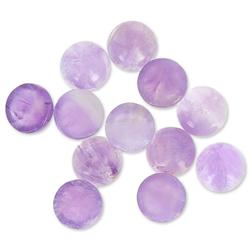
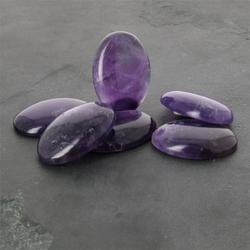
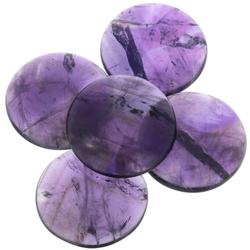
Amethyst is a variety of quartz with a hardness of 7 onthe Mohs scale and a density ranging from 2.60 to 2.65. It is composed of silicon dioxide.
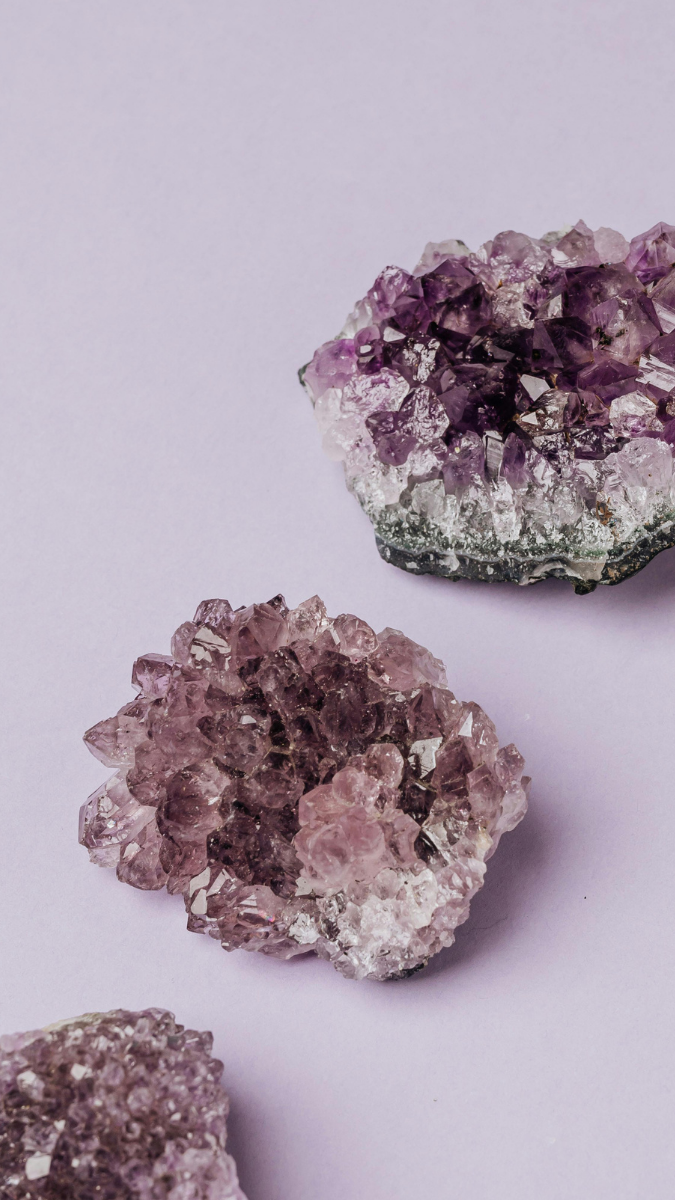
The color of this gemstone ranges from light purple to deep purple, with or without inclusions. Its hue is due to traces of iron contained in its crystal structure. A single stone can exhibit varying intensities of color.
It can range from transparent to opaque.
It may have hints of yellow when mixed with its cousin, citrine. In this case, it is called ametrine.
Because of its purple color, amethyst is sometimes confused with certain varieties of fluorite or iolite.
The main amethyst deposits are found in Australia, Brazil, Madagascar, Zambia, Sri Lanka, Zimbabwe, Russia, India, and Uruguay. It is found in the form of amethyst geodes of various sizes within basalt or granite rocks.
In crystal healing, it is considered the stone of humility, serenity, and wisdom. It is said to stimulate creativity, imagination, and clarity, while promoting relaxation, concentration, and meditation.
Leonardo da Vinci believed in it: he thought it boosted his creativity and dispelled negative thoughts, as he mentioned in one of his notebooks.
It is associated with the 7th chakra, the crown chakra.
Please note: our gemstones are not sold for the purpose of crystal healing. Natural stones are in no way a substitute for medical expertise or medical treatment.
It’s recommended to care for your amethyst regularly to recharge it, but also to preserve its color and natural luster. If your purple stone isn’t set in jewelry, you can leave it for a few hours in a container of demineralized, lightly salted water.
To recharge amethyst, crystal healers recommend placing it in the moonlight. Be careful, however, as the sun’s bright light can actually alter its color.
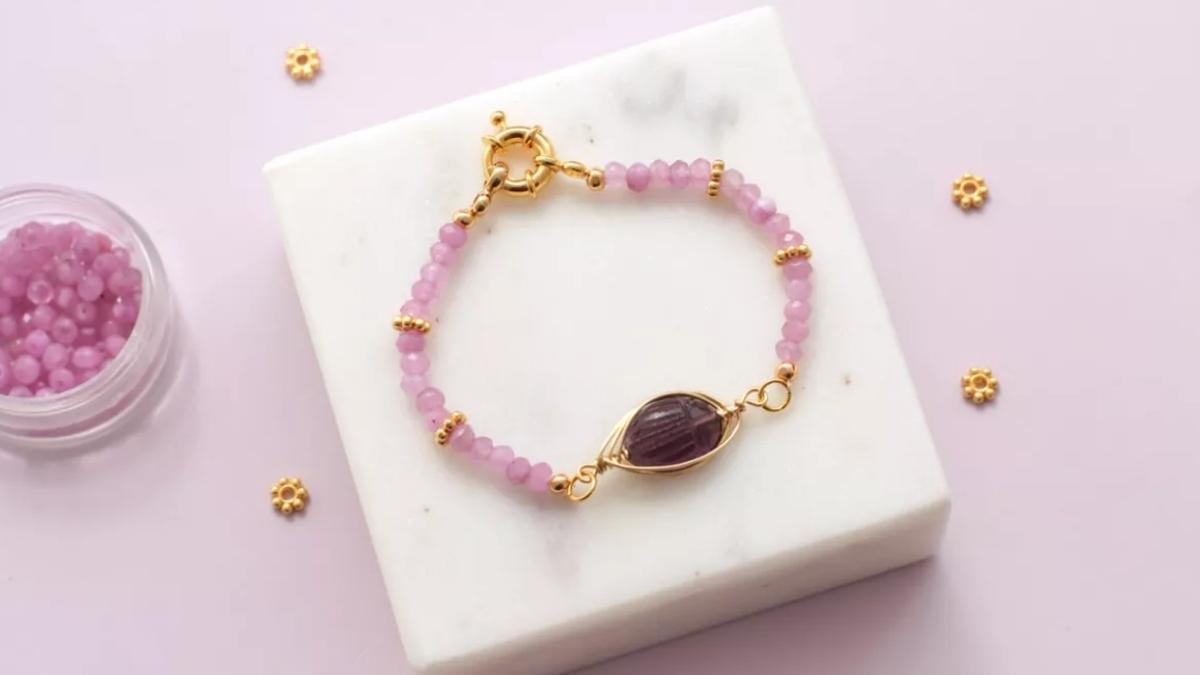
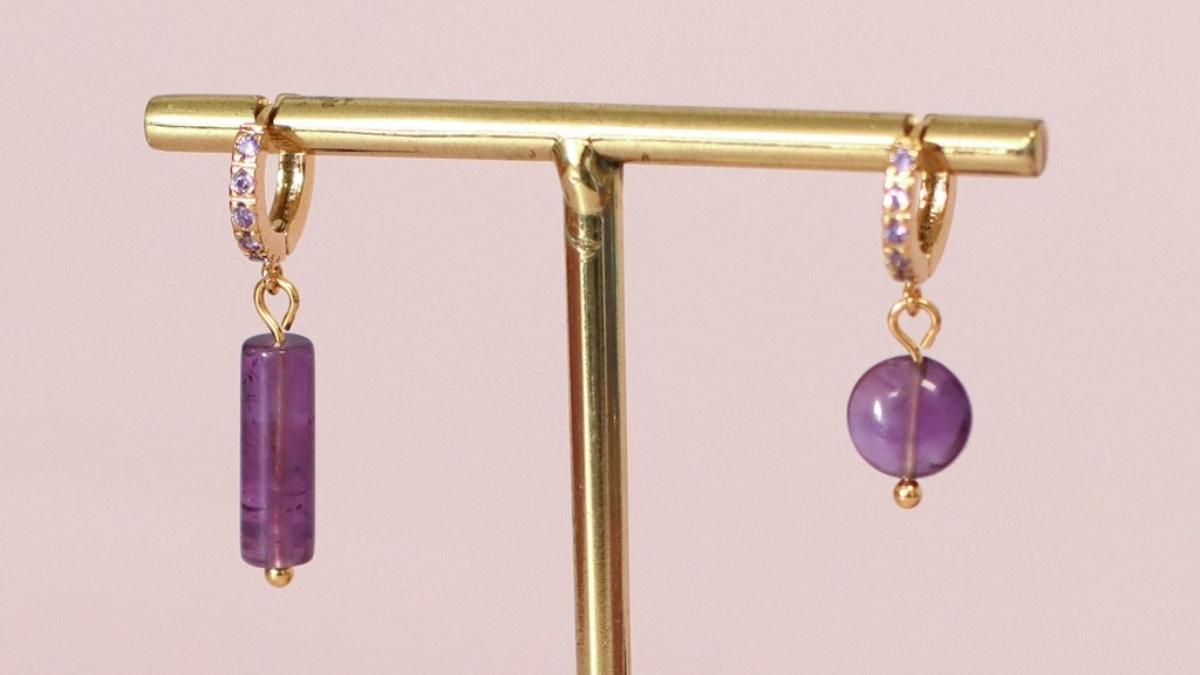
Ideal for creating trendy jewelry, amethyst pairs equally well with golden accents and silvery tones. You can pair it with Gold Filled or 3-micron gold-plated jewelry findings, as well as with 925 Sterling Silver or stainless steel jewelry components. Gold will bring out its cheerful side, while silver will highlight the variations in its purple color.
And why not try Rose Gold for a unique piece of jewelry? Or embrace a touch of magic and mystery with a black stone.
Amethyst looks just as good in a necklace as it does in earrings, a ring, or a bracelet.
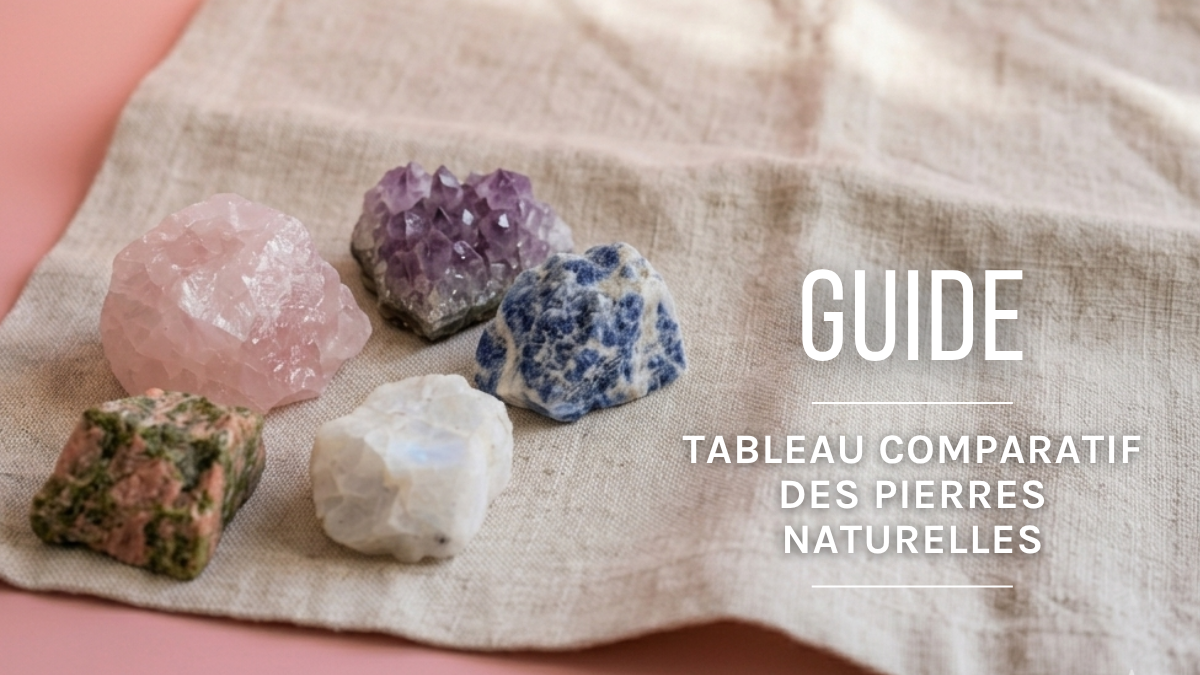
Which stones pair well with amethyst? In crystal healing, it’s recommended to combine it with moonstone, labradorite, or rock crystal. However, you should avoid wearing it with stones such as tiger’s eye, turquoise, malachite, or black tourmaline. These stones could render it inactive. But, of course, you can pair it with whatever stones you like, according to your personal taste.



February's birthstone is Amethyst.
Credits
Perles & Co, Internet & E-Commerce company [07/02/2026] Any reproduction, representation, adaptation, in any form whatsoever, even partial, is prohibited, except for reproduction for private use not intended for collective use, representation in the family circle (art. L 122-5 CPI) and online publishing on condition that the source is mentioned and a link is included to the corresponding page of our site www.perlesandco.com.