Average Grades
Où est ce qu'on peut trouver le saphir au Mali
1 Answer
Show answers

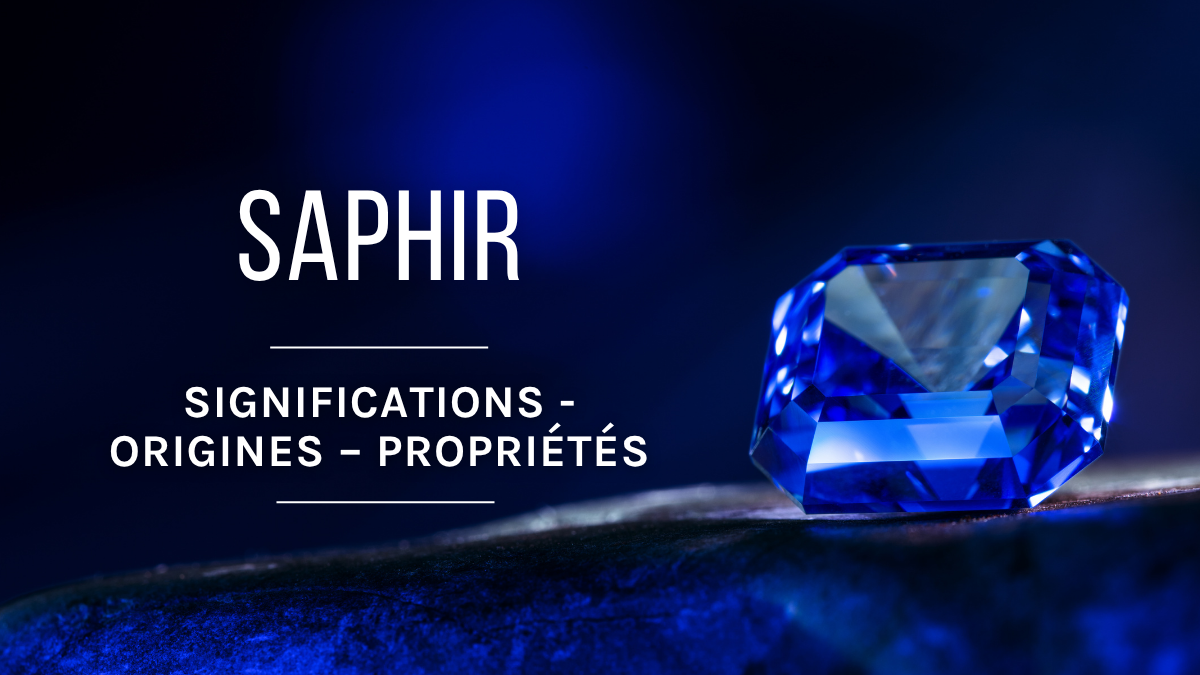
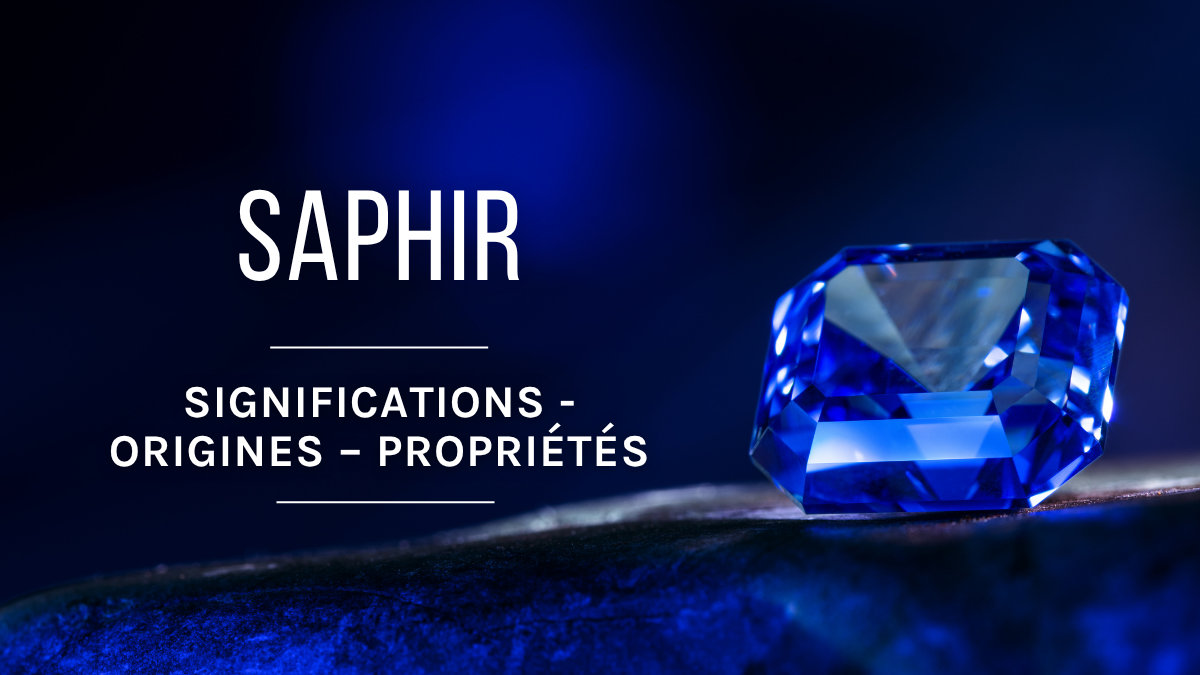
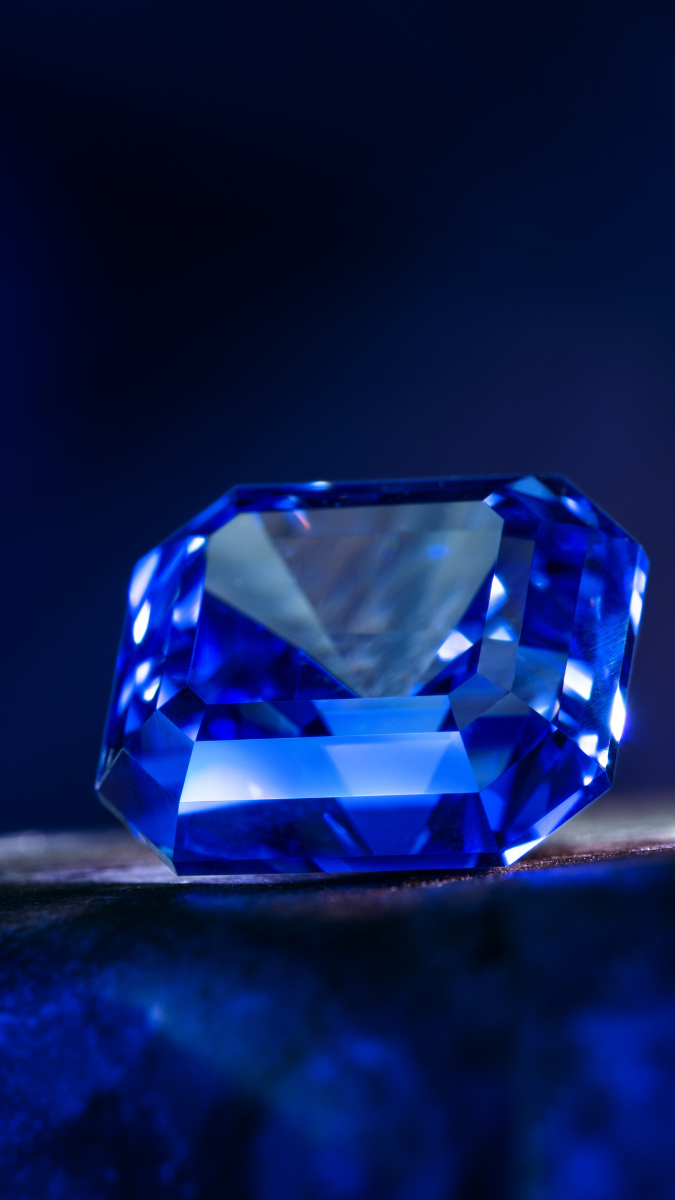
The sapphire, an iconic gemstone, is distinguished by its deep blue color, although it also comes in other shades such as pink or yellow. Mined primarily in the United States, Sri Lanka, and India, it is prized for its exceptional hardness, making it an ideal choice for everyday jewelry. For a touch of timeless elegance, sapphire pairs perfectly with silver or gold, adding sophistication and refinement to your designs.
The sapphire is one of the four precious stones, along with the diamond, the ruby, and the emerald. With its deep blue hues and majestic luster, it captivates with its timeless elegance. This gemstone, both noble and powerful, not only adds a touch of sophistication to your DIY jewelry creations but is also prized in crystal healing for its soothing properties.
Let yourself be inspired by our natural stone jewelry tutorials and create fabulous DIY costume jewelry.
The name of this natural stone has its roots in several ancient languages: it comes from the Latin “sapphirus,” derived from the Greek “sappheiros” and the Hebrew “sappir,” meaning “blue stone.”
Legend has it that the Tablets of the Law entrusted to Moses were made of sapphire, symbolizing divine purity and sacred law.
In ancient Rome and ancient Egypt, this gemstone was considered the stone of truth and justice. It was regarded as sacred.
The Persians believed that the sky was blue because of the reflection of light off a massive sapphire upon which the Earth rested.
Among the Greeks and Romans, it was associated with celestial power. The Greeks wore this natural stone to attract the favor of the gods, while the Romans believed it could appease the wrath of Jupiter, god of the sky, light, thunder, and lightning.
In the Middle Ages, it was considered the stone of the clergy, symbolizing purity, piety, and a connection to the divine. This blue stone was often used to adorn episcopal rings—rings worn by bishops as a symbol of their spiritual authority and their commitment to the Church.
In the 12th century, Pope Innocent III decreed that every cardinal must wear a ring set with a sapphire on their right hand—not only as a symbol of their spiritual commitment and loyalty to the Church, but also to reflect the purity and wisdom that the stone represented.
During the Renaissance, European monarchs often wore them as symbols of their power and divine wisdom. The kings of France incorporated sapphires into their crowns and royal regalia. The “Grand Saphir,” a magnificent 135-carat cut stone, was part of the French crown jewels. It is currently housed at the Louvre Museum in Paris.
Today, the most famous example is probably the engagement ring given by Prince Charles to Lady Diana in 1981, a ring adorned with a large blue sapphire surrounded by diamonds.
Among the world’s most famous sapphires is also a black star sapphire known as the Black Star of Queensland. It weighs nearly 733 carats.
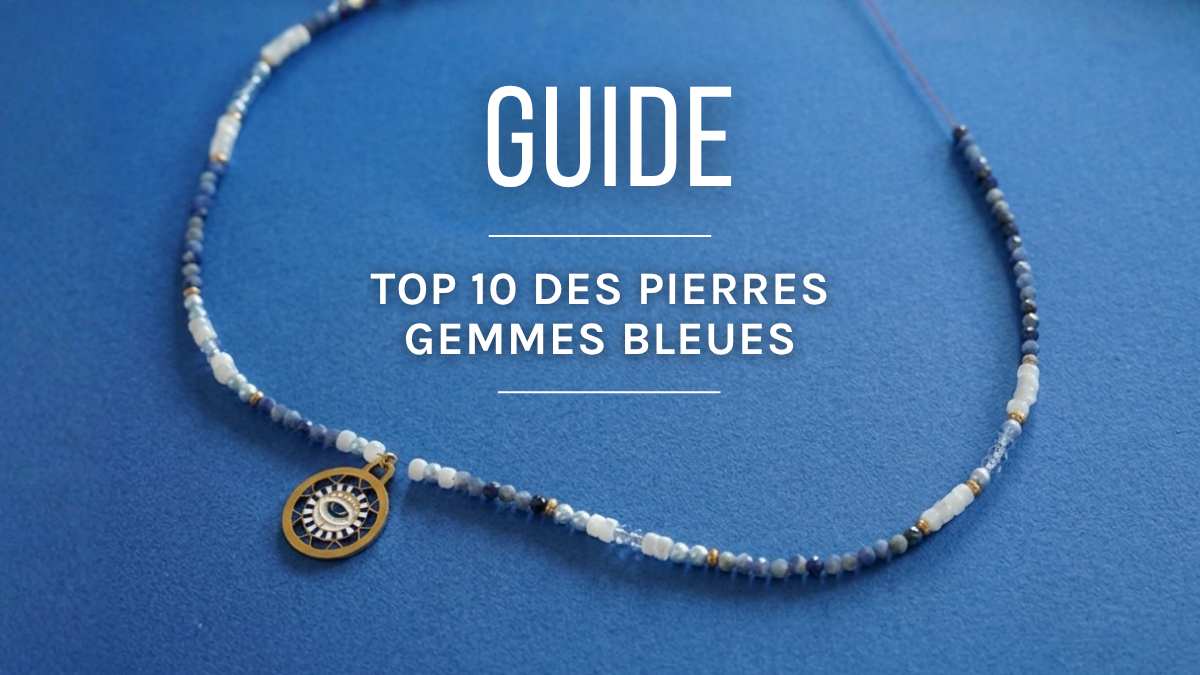
When we think of sapphires, we inevitably think of the color blue. This natural gemstone has an intense blue hue, ranging from light blue to midnight blue. Royal blue is a particularly prized shade.
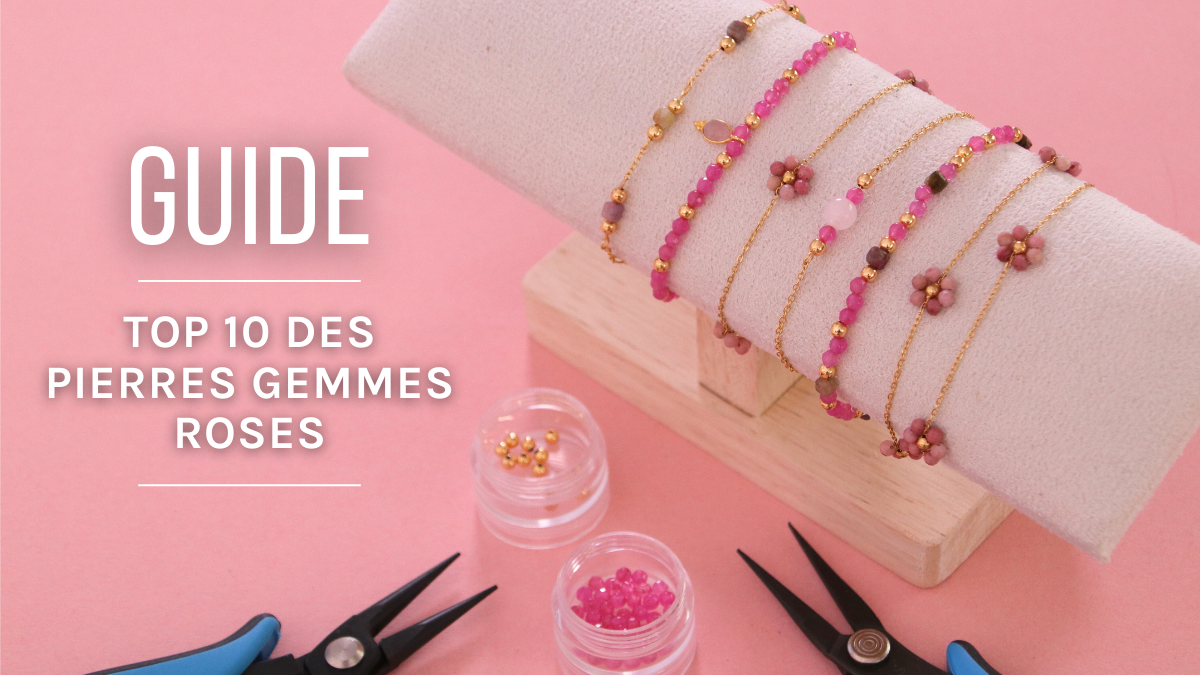
Although blue is the most common color, sapphires can also come in other colors: there are pink, green, yellow, and purple sapphires. The only color that does not exist is red (which is reserved for rubies).
The purplish-pink or orange-pink hue, known asthe “Padparadscha sapphire”(which means “lotus flower” in Sinhala) or“Padparadja sapphire,” is the rarest and most sought-after.
Of particular note is a fascinating and rare variety: the star sapphire. It exhibits asterism—an optical effect that manifests as a luminous star on the stone’s surface when it is exposed to a light source.
Generally, sapphires undergo heat treatment to enhance their color and brilliance.
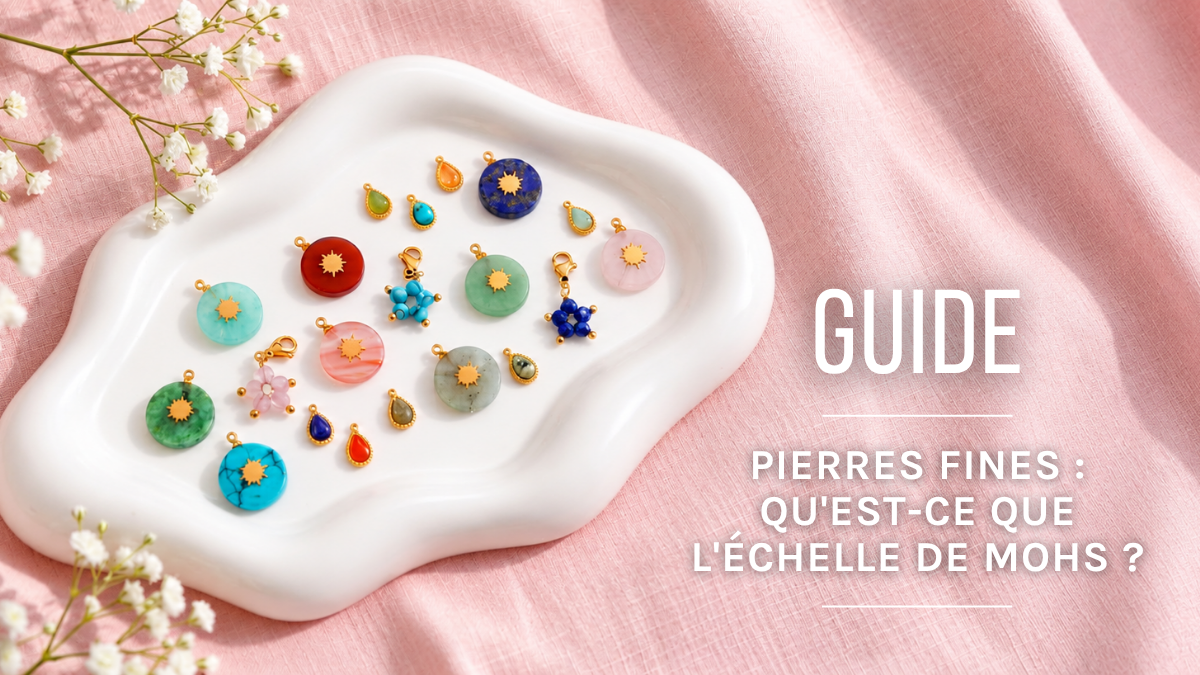
Like the ruby, the sapphire is a gemstone belonging to the corundum family. It is extremely hard, with a hardness of 9 on the Mohs scale, second only to diamond. This hardness makes it highly scratch-resistant, making it a popular choice for everyday jewelry and engagement rings.
Its density ranges from 4 to 4.1 g/cm³.
The main sapphire deposits are found in the United States, Sri Lanka, China, India, Pakistan, Madagascar, Kenya, Tanzania, and Vietnam.
In crystal healing, the sapphire is often associated with wisdom, truth, and loyalty. It is said to promote mental clarity and spiritual fulfillment.
Some believe it stimulates concentration and meditation, as well as creativity and inspiration.
Which chakra is associated with the sapphire? Linked to the third eye chakra, it is said to stimulate intuition and insight.
If you were born under the signs of Libra or Taurus, this natural stone is perfect for you.
Please note: Our gemstones are not sold for the purpose of crystal healing. The effects of gemstones have not been scientifically proven. Natural gemstones are in no way a substitute for medical expertise or treatment.
Before recharging it, it’s recommended that you purify it. To do this, submerge your stone in saltwater, distilled water, or demineralized water. You can also use white sage smudging.
Finally, to recharge your stone, expose it to sunlight or moonlight. You can also place it on a cluster of quartz to help it revitalize its energy.
Sapphire pairs perfectly with various precious metals. The silvery hue of 925 Sterling Silver or stainless steel creates a subtle contrast with the blue of the sapphire, accentuating the stone’s purity while giving the jewelry a modern and refined look. The golden hue of gold-plated or Gold Filledjewelry is ideal for those who prefer a classic style.
Which gemstone pairs well with sapphire?
However, crystal healers advise against pairing it with stones that are too energizing, such as garnet, sunstone, or hematite, as their energies could disrupt the sapphire’s calming effect.
Credits
Perles & Co, Internet & E-Commerce company [31/08/2024] Any reproduction, representation, adaptation, in any form whatsoever, even partial, is prohibited, except for reproduction for private use not intended for collective use, representation in the family circle (art. L 122-5 CPI) and online publishing on condition that the source is mentioned and a link is included to the corresponding page of our site www.perlesandco.com.