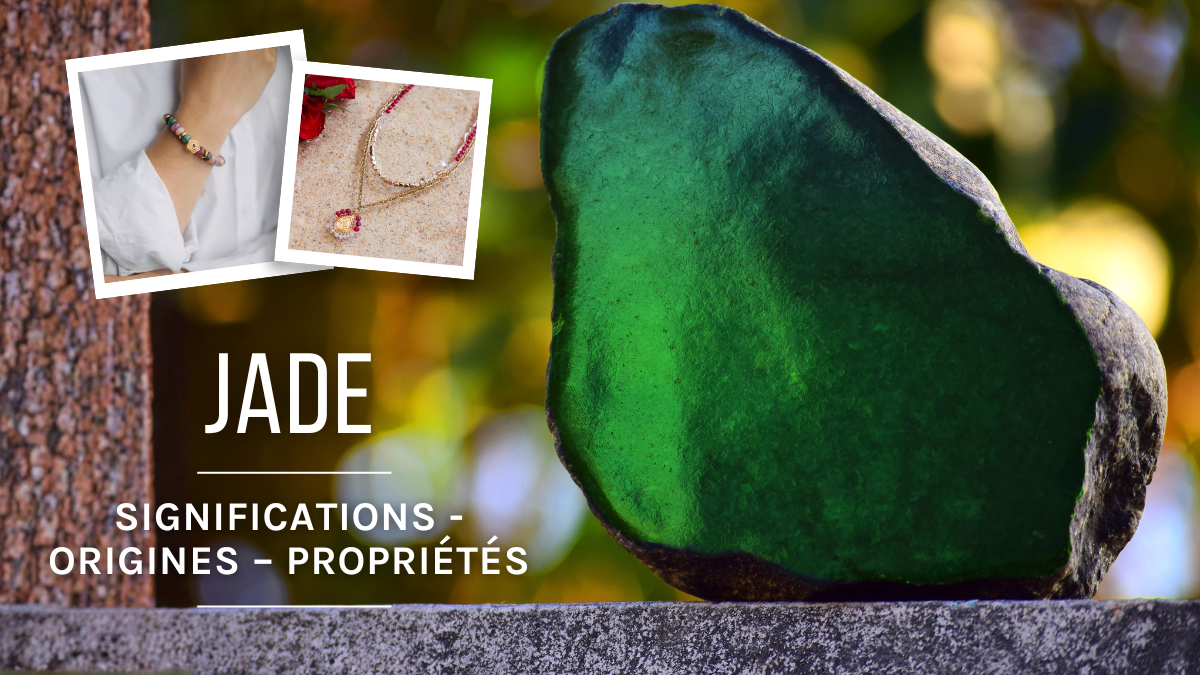
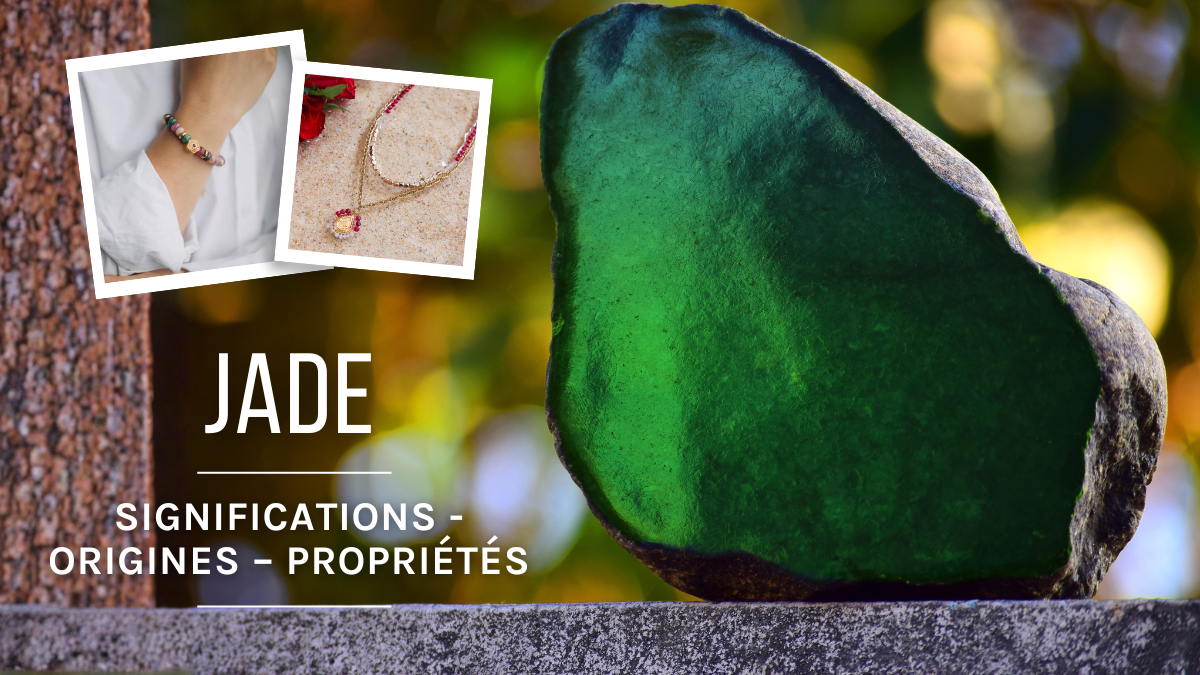
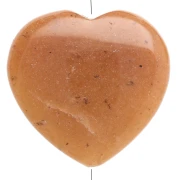
Jade, a symbol of wisdom, purity, and serenity, is a natural stone prized for its unique luster and beneficial properties. This captivatingly beautiful gemstone comes in a range of colors, from deep, soothing green to yellow and white. Used since ancient times to create exceptional jewelry and works of art, jade continues to fascinate with its timeless allure.
You, too, can create stunning fashion jewelry using our jewelry components and jade beads, drawing inspiration from our free natural stone jewelry tutorials.
What is the meaning of jade?
This natural stone takes its name from the Spanish“piedra de ijada,” which means “stone of the flank.” The Spanish conquistadors gave it this name in the early 16th century, as pre-Columbian peoples believed it had properties that relieved kidney pain. In France, it was discovered in the 17th century and was first renamed “éjade,” then “jade.”
Interesting facts about jade
This gemstone is shrouded in myths and legends, particularly in Asia, where it is revered for its spiritual and protective properties.
As far back as 5,000 years ago, the Chinese were already using jade to craft jewelry reserved for the elite, as well as various objects, particularly ritual and funerary items. Nicknamed “the Stone of Heaven, ” they regarded it as a stone of wisdom, purity, and longevity. A symbol of eternal life, this stone was also considered a bridge between the world of the living and the spirit world, used in imperial tombs to protect the deceased in the afterlife.
In Chinese mythology,the Jade Emperor is one of the most important deities in the Taoist pantheon. He is often depicted with jade objects, symbolizing his divine authority and infinite wisdom.
In many Chinese families, this gemstone is worn to ward off evil spirits and negative energies. When used in amulets and talismans, it is believed to absorb negative influences and protect its wearer. A popular belief even holds that if a piece of jade jewelry breaks, it is because it has absorbed a blow intended for its owner, thereby protecting them from danger.
Jade dragons are powerful symbols in China, representing strength, wisdom, and protection. An ancient legend tells of a jade dragon watching over China’s mountains and rivers, ensuring harmony between the natural elements and humans. Jade dragon sculptures are still revered today for their protective properties.
Among the ancient Maya, jade was often associated with power and immortality. Mayan rulers wore this stone to demonstrate their divine authority, and they believed it could ensure the immortality of their souls after death. Jade amulets were buried with rulers to protect them in the afterlife.
Among the Aztecs and the Olmecs, jade held a spiritual and symbolic value far greater than that of gold. It was considered the stone of immortality, royalty, and power. It was often used to create funerary masks, jewelry, and ritual objects.
In New Zealand, the Māori used it to make tools, weapons (such as axes and blades), and jewelry (notably hei-tiki pendants).
What are the properties of jade?
There are two types of jade: jadeite and nephrite.
Its hardness ranges from 6 (nephrite) to 7 (jadeite) on the Mohs scale. Its density ranges from 2.8 to 3.3 g/cm³.


What color is jade?
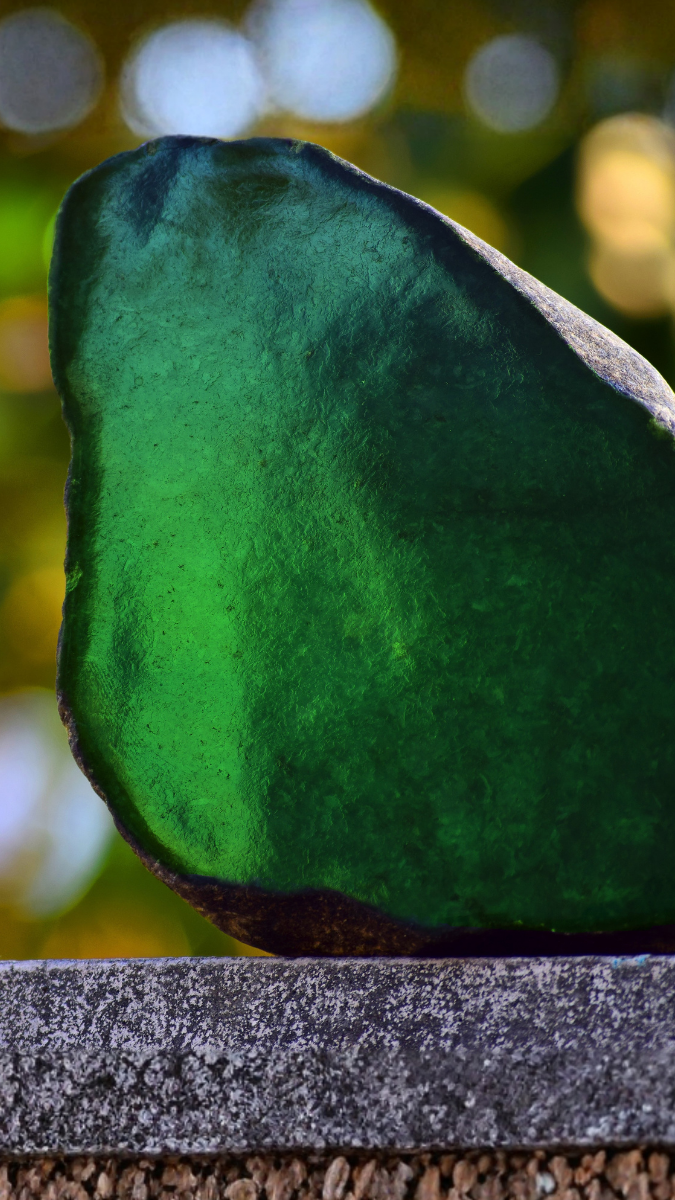
Although it is often associated with the color green, this natural stone comes in a wide range of colors.
Jadeite can be blue, red, white, yellow, or range from pale green to deep green. Pale-colored jade is often dyed to offer a wide range of hues.
As for nephrite, its color ranges from white to dark green, including brown, blue-gray, and even black.
Imperial jade, with its deep green color, is particularly sought after.
Because of its green color, it is sometimes mistaken for aventurine, serpentine, chrysoprase, prehnite, or green jasper.
Where can jade be found?
The main deposits are located in Burma, Canada, China, the United States, Guatemala, Japan, Mexico, New Zealand, Russia, and Italy.
What are the benefits of jade?
In crystal healing, it is considered a stone of protection and balance. It is said to bring calm and serenity and help soothe the mind. It acts as a shield to ward off negative thoughts. Some believe it attracts good luck, abundance, and prosperity.
Which chakra is jade associated with? Associated with the heart chakra, it promotes harmony, inner peace, and self-love.
Please note: Our gemstones are not sold for the purpose of crystal healing. The effects of gemstones have not been scientifically proven. Natural gemstones are in no way a substitute for medical expertise or medical treatment.
How do you cleanse and recharge jade?
To fully enjoy the benefits of this gemstone, it’s important to purify and recharge it regularly.
You can cleanse your stone by running it under running water or by placing it in sage smoke.
To recharge it, expose it to moonlight—preferably during a full moon—or place it on a cluster of quartz to amplify its energy.
How should you wear jade?
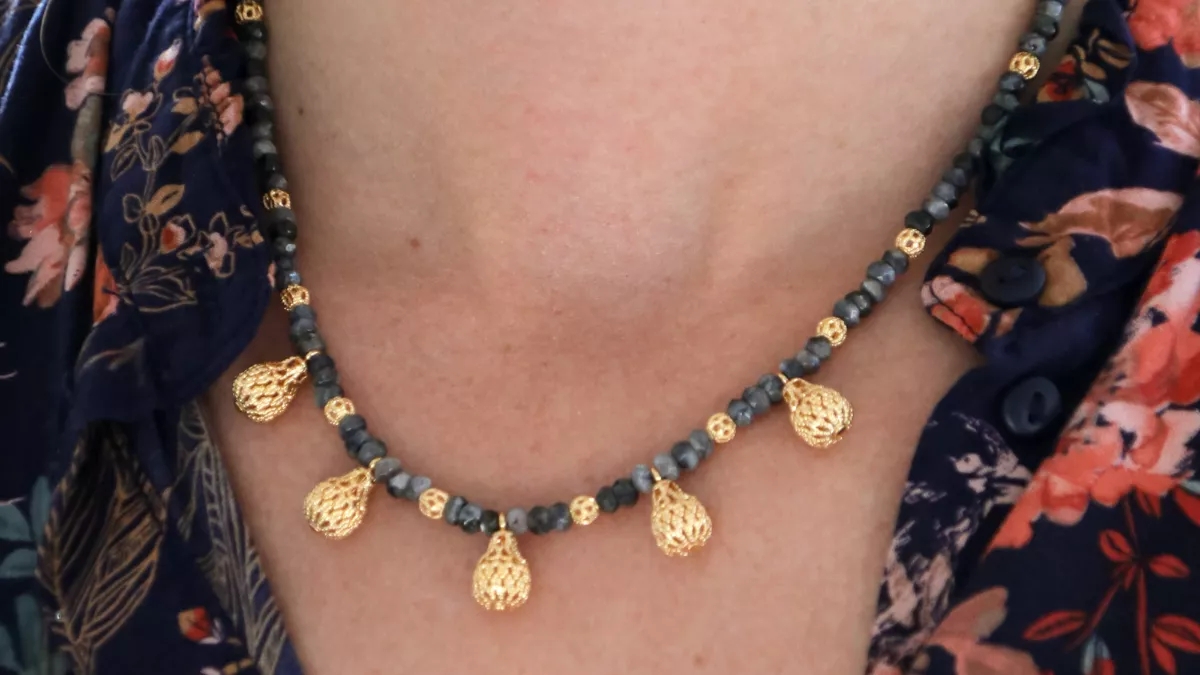
This natural stone comes in so many colors that cool tones suit it just as well as warm ones. It’s ideal for jewelry settings made of stainless steel or 925 Sterling Silver. Gold-plated or Gold filled settings give it a chic and sophisticated look. Bronze, with its antique golden hue, creates a beautiful harmony.
Which stones pair well with jade? In crystal healing, jade can be paired with several other stones to enhance or complement its energies, such asaquamarine,agate, rose tourmaline,green aventurine, pyrite, citrine, or serpentine. However, avoid combining it with tiger’s eye, malachite, and turquoise. These combinations could undermine the desired effect.