Average Grades

Puedo cargar todos los dias en mis bolsillos dé pantalón
1 Answer
Show answers

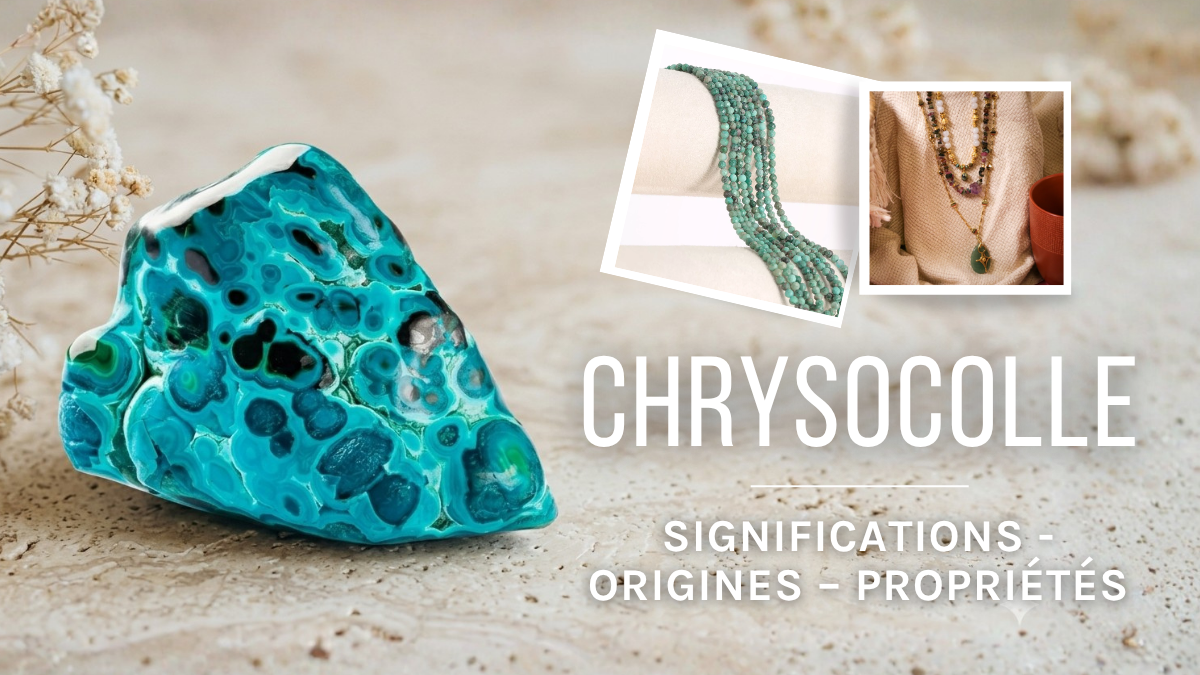
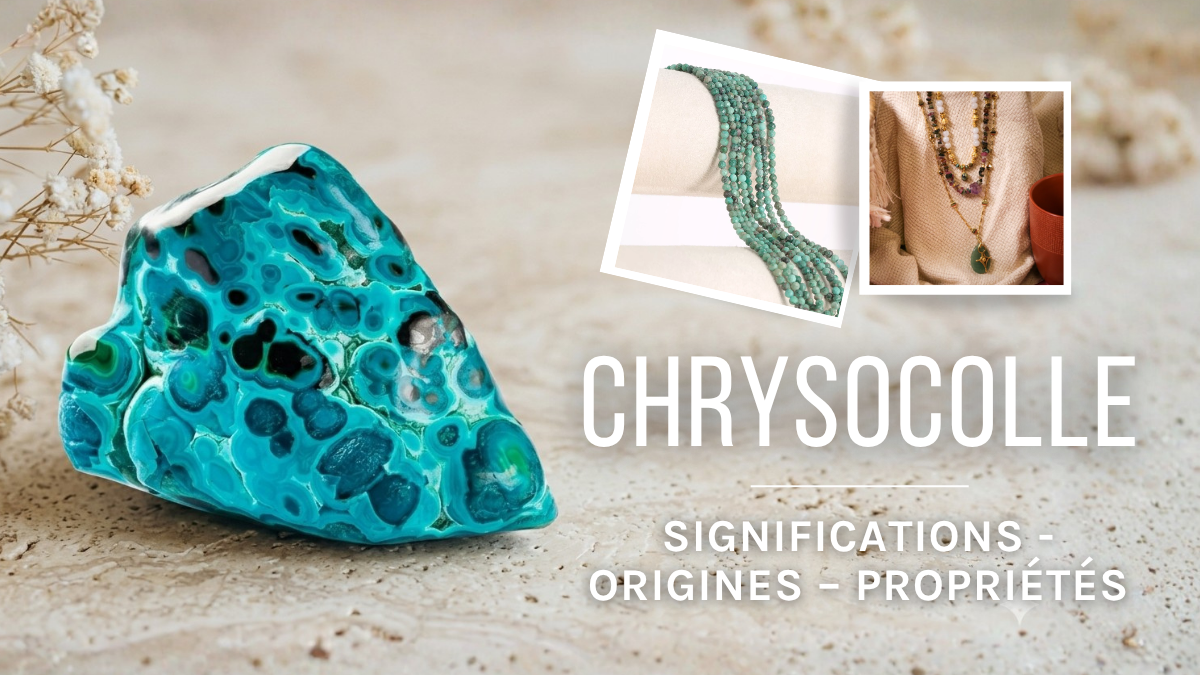
Chrysocolla is a blue-green stone prized for its jewelry applications and unique beauty. It is found mainly in the USA, Mexico and Chile, and is often used to create costume jewelry thanks to its fascinating color and possible combinations with other stones such as turquoise. Its fragility and low hardness require particular care when using it.
Chrysocolla is a stone with a striking blue-green hue that has been highly prized in jewelry and crystal healing since ancient times. With jewelry components and beads made of chrysocolla—or other natural blue stones—you can create captivating DIY fashion jewelry. Get inspired by our natural stone jewelry!
The name of this semi-precious stone comes from the combination of two Greek words: “chrysos,” meaning “gold,” and “kola,” meaning “glue.” It was given this name because it was long used as a flux for soldering gold.
Chrysocolla has been known since ancient times. It was first described by the Greek philosopher Theophrastus in his *Treatise on Stones*.
In ancient Egypt, legend has it that Queen Cleopatra wore a chrysocolla stone. She believed this natural stone possessed soothing properties, ideal for her fiery temperament.
In some ancient cultures, it was ground into powder and used as a pigment for painting wall frescoes and coloring ceramics. During the Renaissance, painters used it as a watercolor pigment to create illuminations and scrolls.
In South America, the Incas crafted gold jewelry with chrysocolla as a setting. They associated it with water, the nourishing element of nature.
Archaeologists have discovered chrysocolla jewelry in the tombs of pre-Inca mummies.
Fun fact: This gemstone is often found alongside other copper-based stones:
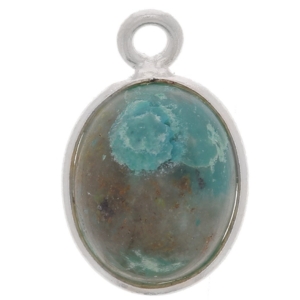

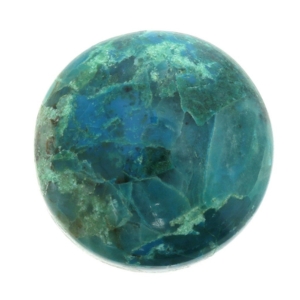
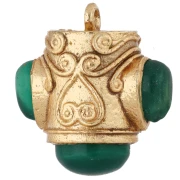
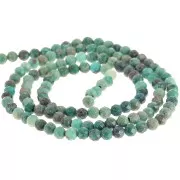
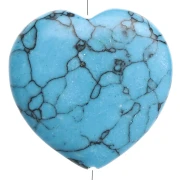
| Chrysocolla pendant in 925 Sterling Silver | Chrysocollaheishi beads | Round chrysocollacabochon |
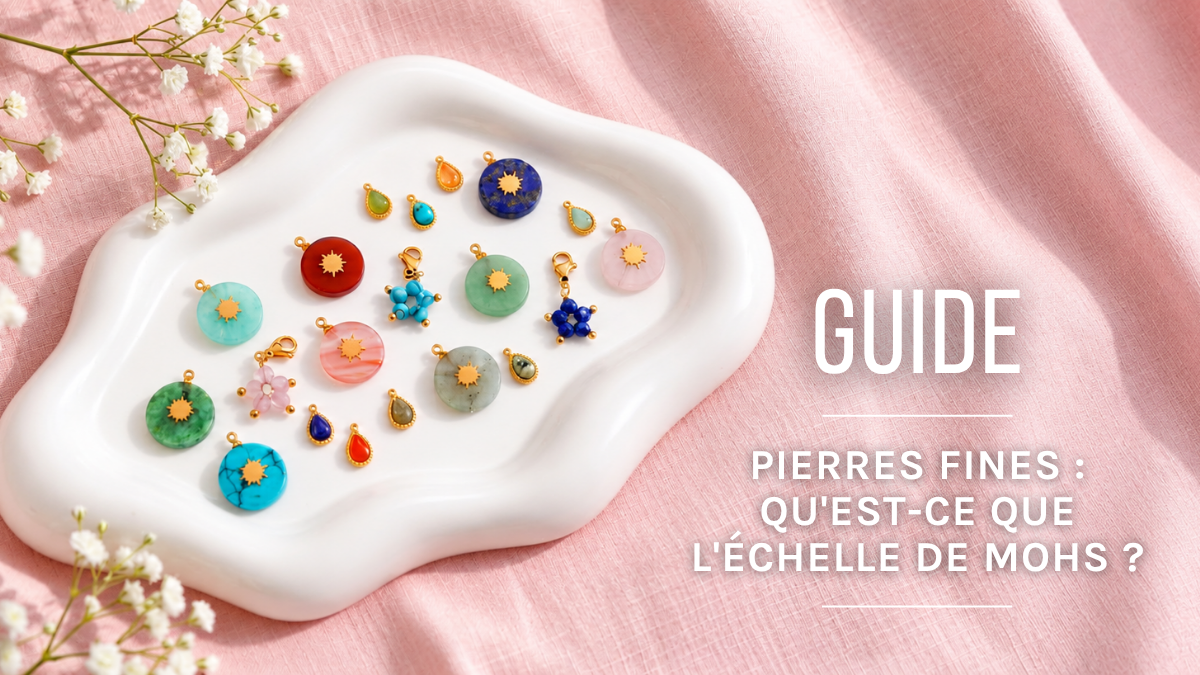
This natural stone has a hardness ranging from 2 to 4 on the Mohs scale, making it a very soft and fragile stone that is difficult to work withand sensitive to high heat and chemicals. It can easily be scratched by harder materials.
Its density ranges from 2 to 2.4 g/cm³.
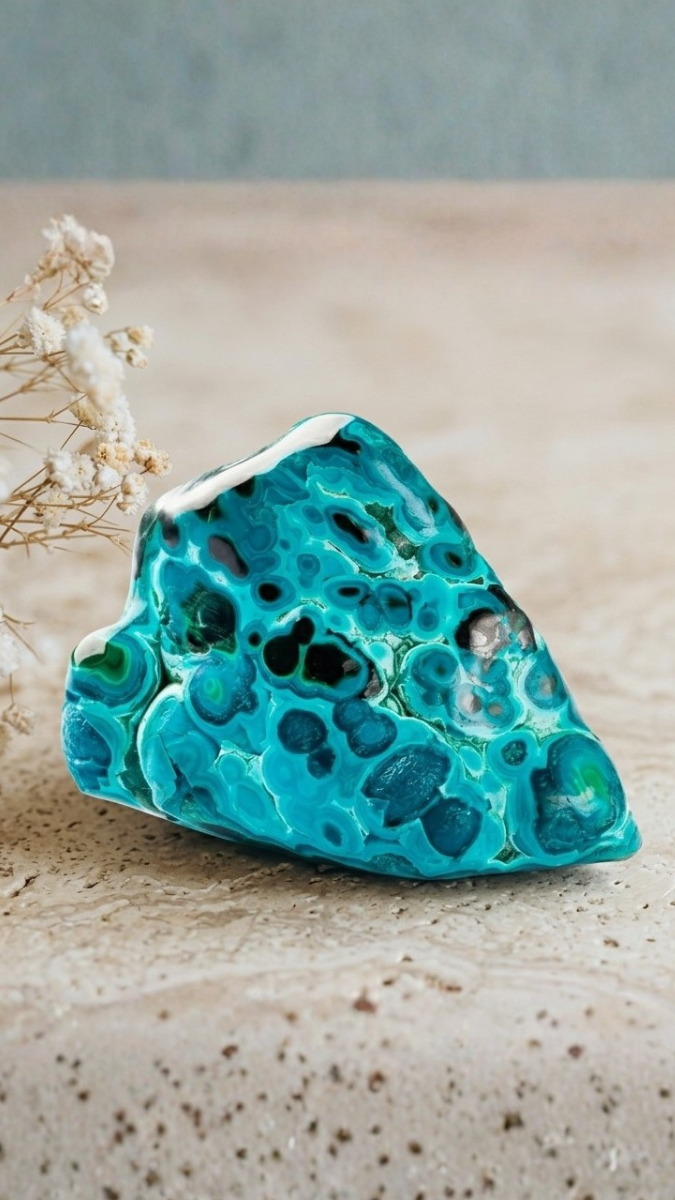
Its color ranges from light green to dark green, including blue-green, brown, turquoise blue, light blue, and dark blue. It has a vitreous and matte luster.
It is an opaque stone, though sometimes translucent. The stone’s opacity varies depending on where it is mined.
Because of its color, it is often mistaken for turquoise or malachite.
The main deposits are located in the United States, Mexico, Chile, Peru, Australia, Scotland, the Congo, Russia, Israel, and France. This blue-green stone is found in copper mines, but also in gold mines in smaller quantities.
In crystal healing, chrysocolla is considered the stone of calm and tranquility. It is said to soothe the mind and promote inner peace. It is also said to be a positive stone that neutralizes negative energies.
Which chakra is associated with chrysocolla? Associated with the throat chakra, it is said to promote communication, foster inner dialogue, and help you listen to yourself more closely.
It can also be used with the heart chakra to help you open up to others and bring a zest for life, cheerfulness, and kindness.
It is the ideal stone for those bornunder the astrological signs of Gemini, Libra, and Sagittarius.
Please note: Our gemstones are not sold for use in crystal healing. The effects of gemstones have not been scientifically proven. Natural gemstones are in no way a substitute for medical expertise or medical treatment.
Chrysocolla is a fragile stone. To clean it, you can use soapy water and a soft-bristled toothbrush. Then, be sure to dry it thoroughly with a soft cloth. To avoid scratching or damaging it, it’s important to store it safely in a box or pouch.
As with all other stones, lithotherapists recommend purifying and recharging this gemstone to restore its full energy and potential.
To purify it, you can run it underclean water for a few minutes, use the vibrations of a traditional Tibetan singing bowl, or perform a sage smudging ritual.
This natural stone is sensitive to high heat. To recharge it, it is therefore advisable to expose it to moonlight overnight. To enhance this effect, you can place it on a cluster of quartz.
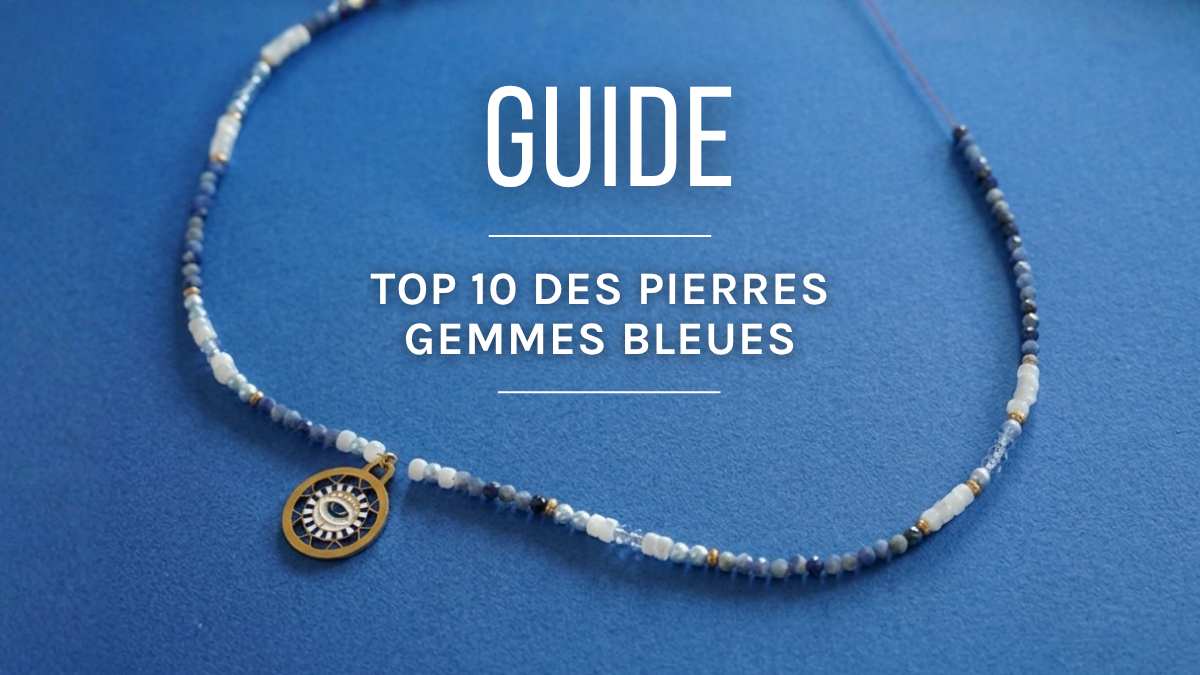
The stone’s blue-green hue pairs very well with silver. Add it to 925 Sterling Silver or stainless steel findings and jewelry components to create beautiful DIY costume jewelry. But there’s nothing stopping you from creating jewelry with Gold Filled, gold-plated, gold-toned stainless steel, or 925 Sterling Silver fine gold plated if you prefer the color gold.
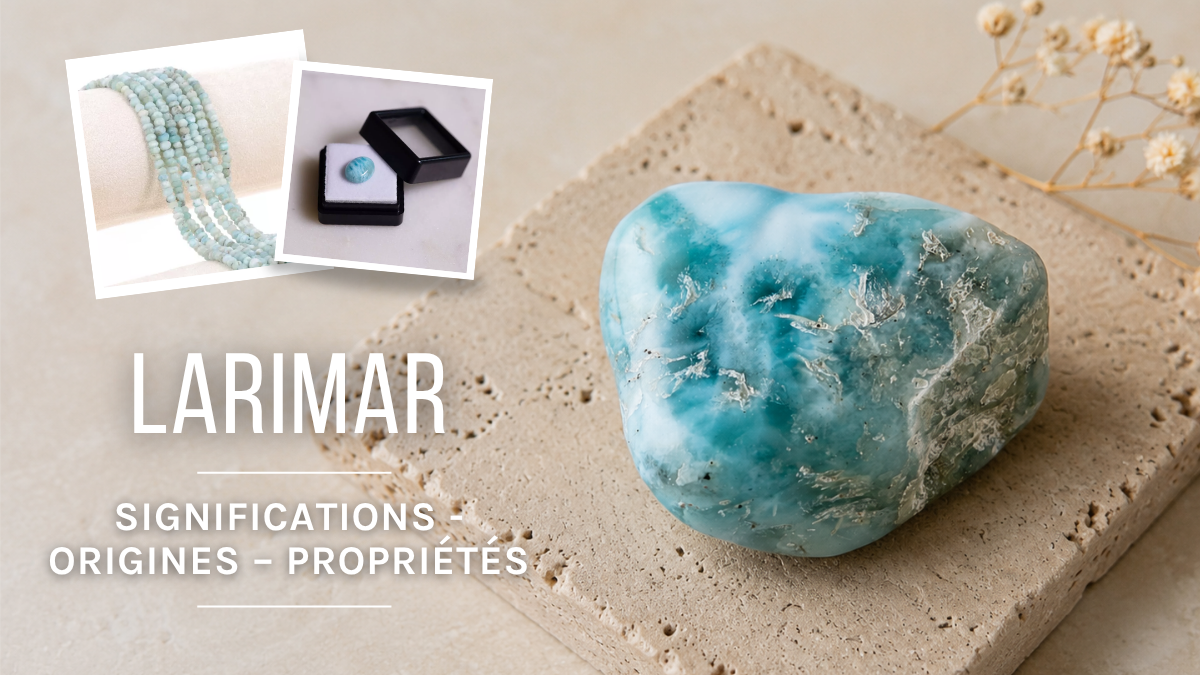
Which stones pair well with chrysocolla? To enhance its effect on the throat chakra, it can be paired with turquoise, larimar, or lapis lazuli.
To influence the heart chakra, it can be paired with jade, amazonite, or malachite.
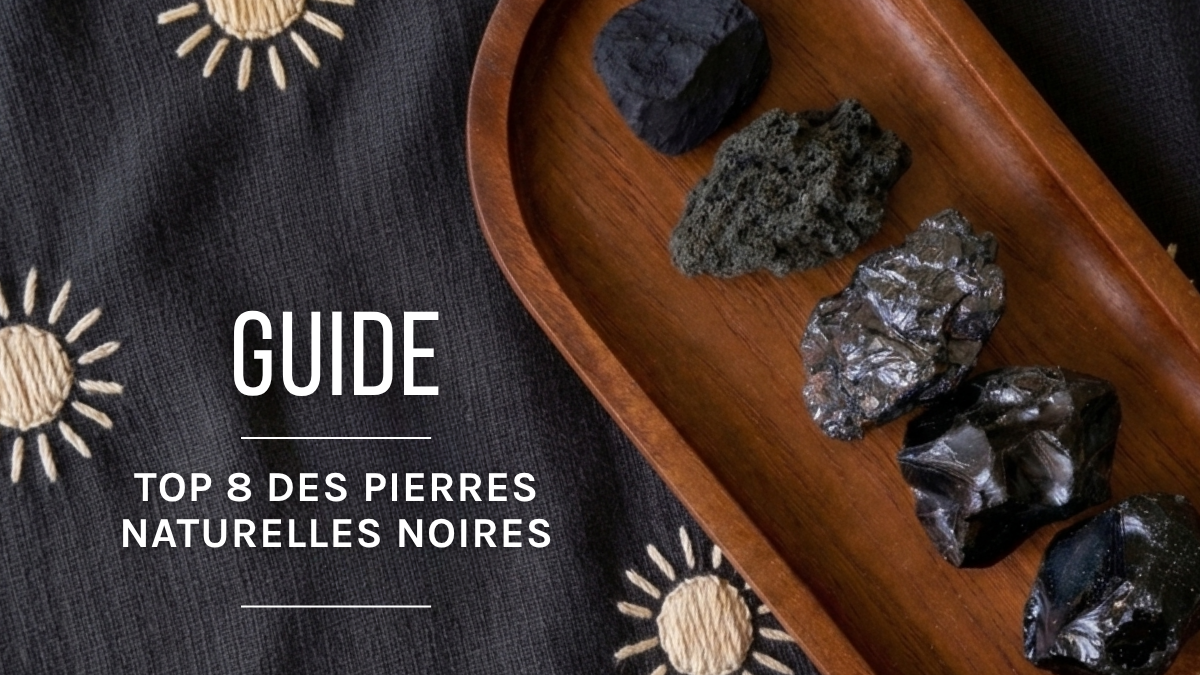
To fully appreciate the benefits of chrysocolla, crystal healers recommend not wearing it with stones that are too powerful or have conflicting energy. This includes obsidian or citrine.
Credits
Perles & Co, Internet & E-Commerce company [28/01/2026] Any reproduction, representation, adaptation, in any form whatsoever, even partial, is prohibited, except for reproduction for private use not intended for collective use, representation in the family circle (art. L 122-5 CPI) and online publishing on condition that the source is mentioned and a link is included to the corresponding page of our site www.perlesandco.com.