Average Grades
Merci, ça répond à pas mal de questions, et ce sera pratique pour en parler à mes client•es

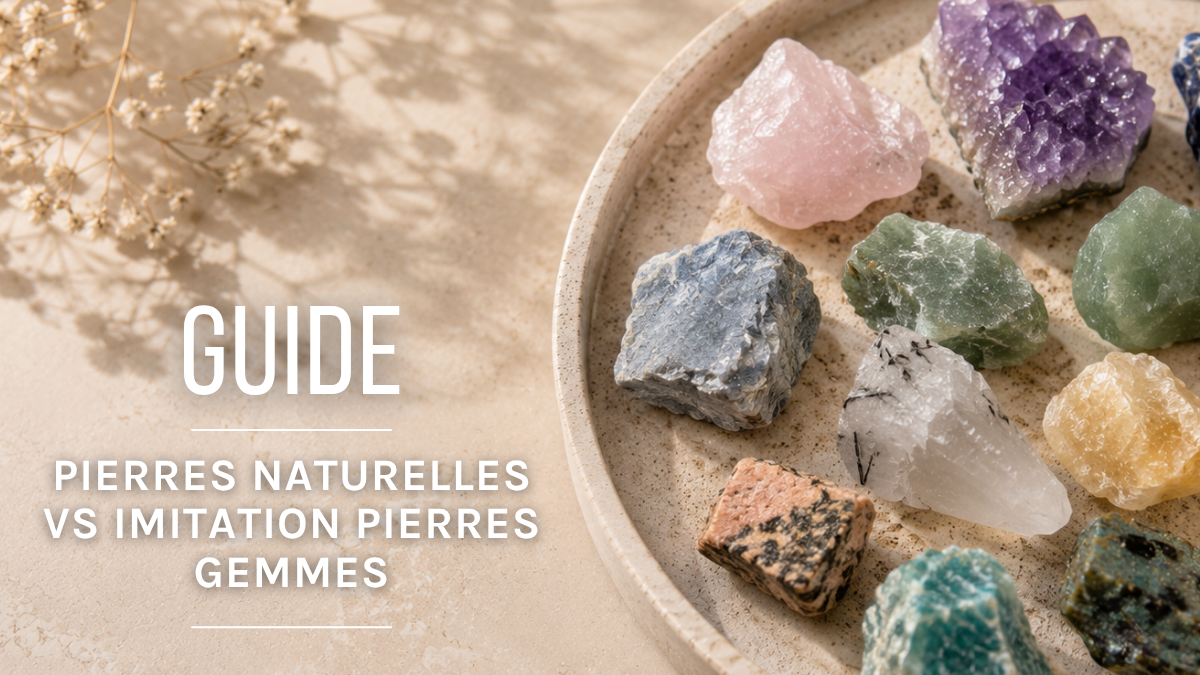
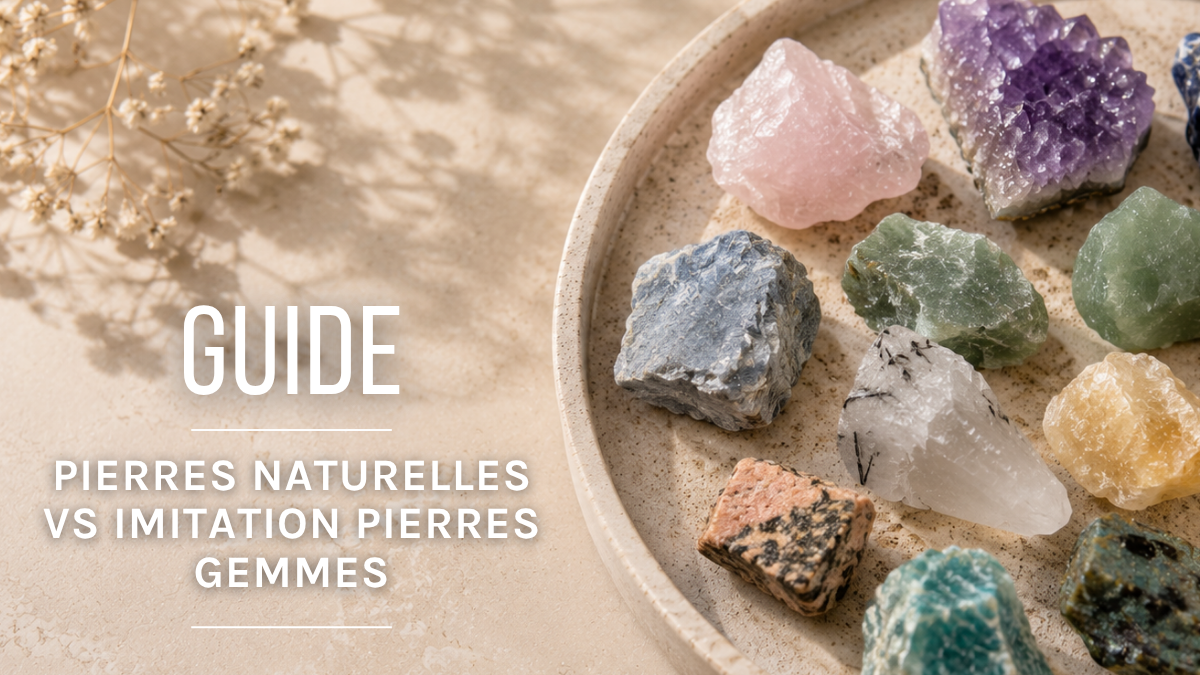
Natural gemstones, such as amethyst and turquoise, are prized for their beauty and variety of colors, but most are treated to enhance their appearance or durability. In contrast, imitations, made from resin or glass, mimic the appearance of real gemstones without possessing their intrinsic characteristics. Depending on your needs, choose natural stones for their authenticity, or opt for imitations for a more affordable option.
Throughout history, gemstones—whether precious or not—have fascinated and captivated men and women alike. We love their incredible variety of colors, their brilliance, their transparency, and sometimes even the mystical qualities we attribute to them. They are a must-have in the world of DIY costume jewelry.
But the search for the perfect stone—with beautiful colors, no inclusions, and no flaws—is becoming increasingly rare.
Demand has long outstripped what the earth can provide. The solution that jewelers and gemologists have found is to treat the stones to fulfill the dream of the perfect stone—or to come as close to it as possible.
The vast majority of gemstones on the market are therefore treated either to enhance their color or to increase their durability. To achieve the desired effect, several treatments are sometimes even combined.
However, not all treatments are created equal… Some methods are widely practiced and accepted by the industry and are not specified at the time of sale. For others, a clear disclosure must be provided to the customer.
That’s why at Perles & co, you may see the label “imitation gemstone” on some of our products.
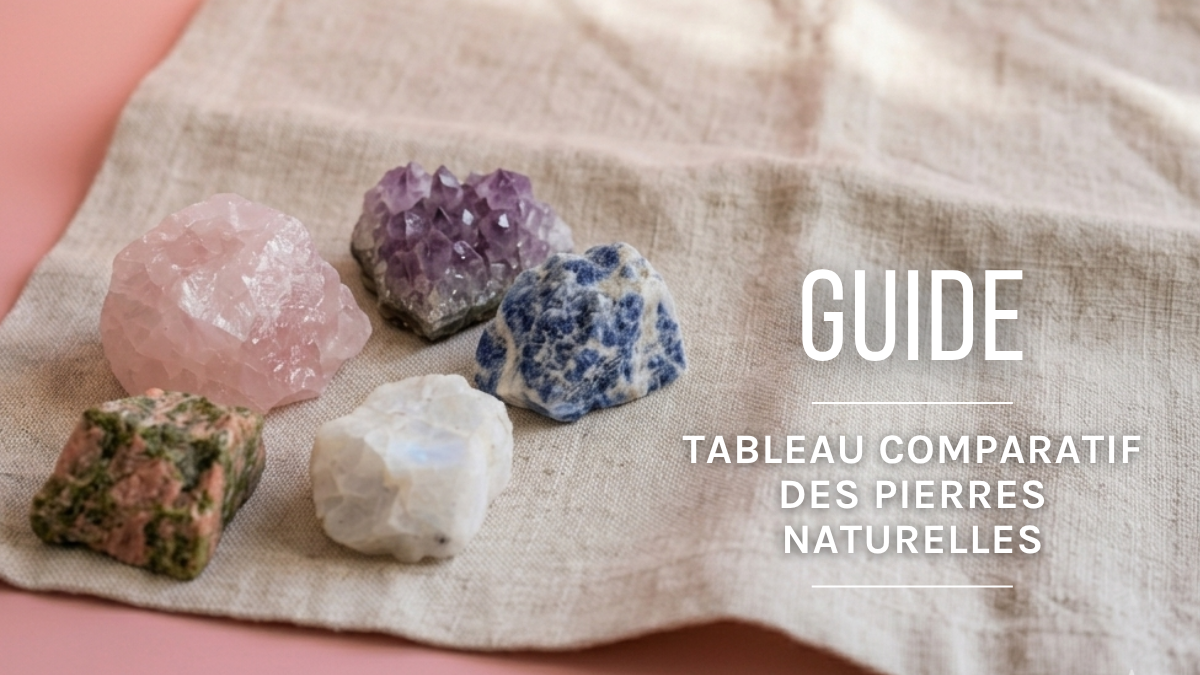
How can you tell the difference? Here’s a fact sheet to help you understand the differences.
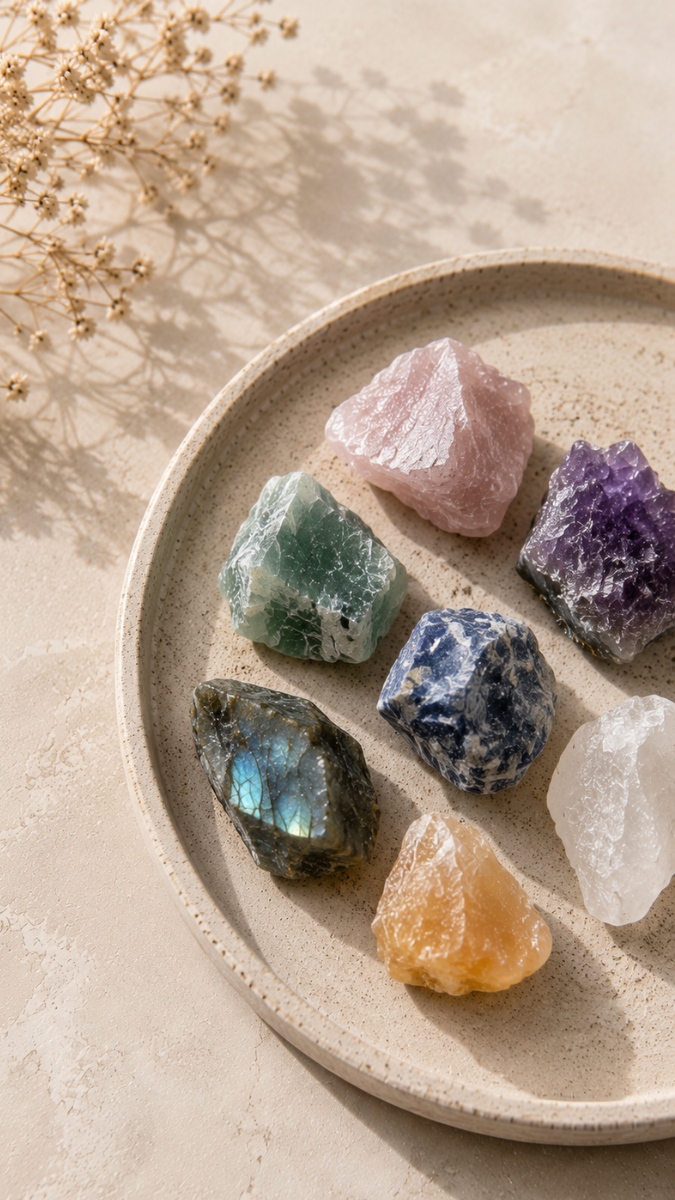
In the past, they were called “semi-precious stones” or “fine stones.” They have long been highly prized and widely used in jewelry. At Perles & co, we offer a wide selection of natural stones. We love wearing them as bracelets, necklaces, or earrings.
Various processes are used to enhance their beauty even further:
Heat treatment is one of the most common processes used by jewelers and goldsmiths since time immemorial. This enhancement method is considered natural. While the embers of yesteryear have been replaced by thermal ovens, the technique remains the same. It involves heating the stones—sometimes up to 1,800°C—to enhance their appearance in various ways, without using any chemical treatments.
What are the benefits of a heat-treated gemstone?
This treatment is difficult to detect with the naked eye because it resembles natural processes. There are numerous examples of its use:
As the name suggests, natural stones are dyed with colorants to make the color uniform, to enhance it, or to offer a wider selection.
This is the case for most agates (except for blue lace agate, which is natural). Jadeite can be dyed to achieve various shades of green, including the vivid green of imperial jade. Turquoise can be dyed to enhance or even out its color.Howlite, on the other hand, is often dyed.
An impregnation treatment is used to improve the appearance or durability of a stone weakened by cracks, cavities, or a porous surface.
The stone block is immersed under pressure in a colorless synthetic resin solution. The resin fills the microcracks and cavities, stabilizing and solidifying the stone.
This is a common treatment that can be applied to many types of natural stone. For example, turquoise, which is extremely porous, is almost always treated with this technique so that it can be worked without breaking.
In this case, the stone’s color is altered using a chemical treatment. Yellow tiger’s eye is soaked in an acid bath for an extended period to reduce its brown color and make it more yellow.
This treatment is used to alter or enhance the color of certain gemstones. It involves exposing the gemstone to ionizing radiation, such as gamma rays or high-energy accelerated electrons. This process alters the gem’s crystalline structure and creates color centers that change its hue.
Rock crystal (colorless quartz) becomes smoky quartz through irradiation.
Not all types of gemstones react the same way to irradiation, and some are not suitable for this treatment. The stability of the resulting color can vary depending on the gemstone and the type of irradiation used. Some stones may retain their new color permanently, while others may fade over time or when exposed to specific environmental conditions.
Bleaching is a treatment that lightens a gemstone or, in the case of freshwater beads, makes them whiter. It also involves removing a gem’s natural color using chemicals or bleaching agents, and then dyeing it the desired color. This is the case with jade.
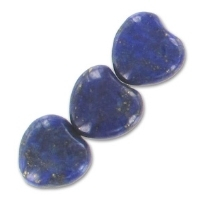


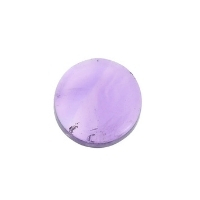
As the name suggests, these stones mimic the appearance of a gemstone. They are entirely man-made but have the same visual appearance as a natural stone.
There are various processes for manufacturing imitation natural gemstones:
These three processes make it possible to create a raw material that can then be cut like any block of gemstone to make cabochons, beads, pendants, charms, and more.
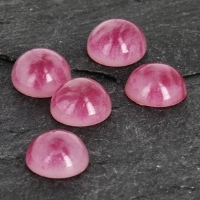
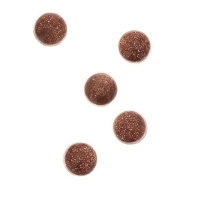
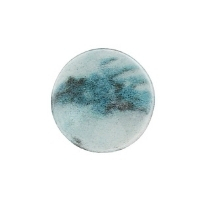
Neither of these two options is “better” than the other: it all depends on the look you’re aiming for and the budget you’ve set aside for your project.
Natural gemstones or imitation gemstones… The choice is now yours!

Credits
Perles & Co, Internet & E-Commerce company [30/05/2026] Any reproduction, representation, adaptation, in any form whatsoever, even partial, is prohibited, except for reproduction for private use not intended for collective use, representation in the family circle (art. L 122-5 CPI) and online publishing on condition that the source is mentioned and a link is included to the corresponding page of our site www.perlesandco.com.