Polymer clay firing: the complete guide to prevent your creations from going wrong
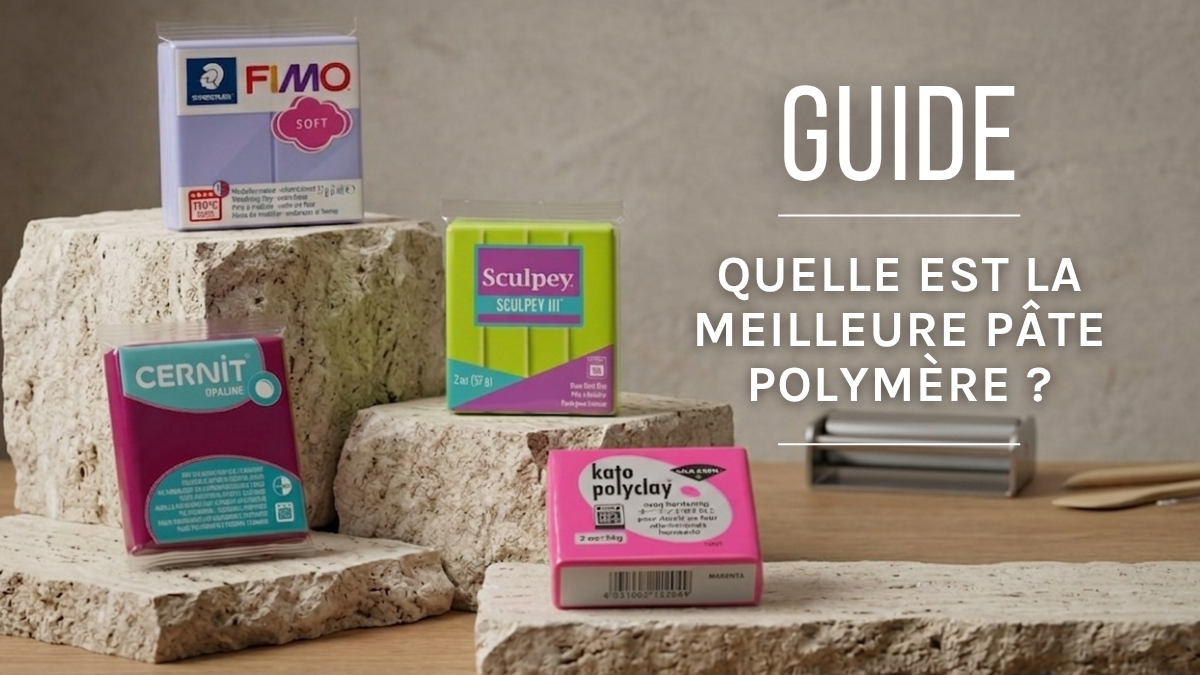
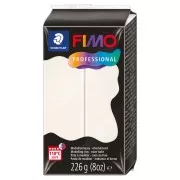
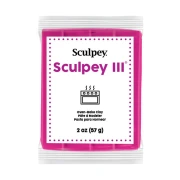
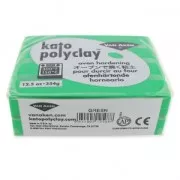
Polymer clay is a modeling paste used to make small decorative objects (beads, pendants, figurines, etc.). To do so, it needs to be baked to obtain hard or more or less flexible pieces, depending on the range used. Many brands produce this paste. The best-known is certainly Fimo clay, but there are also brands such as Cernit, Pardo, Kato Polyclay and Sculpey.
Cooking temperatures and times by brand
Most of these doughs cook at 130 degrees, but there are exceptions. Here's a summary of temperatures for Fimo, Cernit, Sculpey, Kato Polyclay and Pardo:
| Fimo | Cernit | Sculpey | Kato Polyclay | Pardo |
Firing temperature | 120°/130° | 120°/130° | 120°/130° | 150° | 120° |
Cooking time | 30 min minimum | 30 min minimum | min. 30 min | 30 min minimum | 30 min minimum |
Remarks | Translucent pasta and opaque white pasta cook at 120°, otherwise they change color. | Translucent and opaque white pasta cook at 120° otherwise they change color. | Translucent pasta and opaque white cook at 120° otherwise they change color. | | |
Good to know: Kato Polyclay is the only brand that requires 150°C. If you mix different brands in the same batch, choose the lowest temperature to avoid burning the most sensitive parts.
Do you work exclusively with Fimo? Find out more in our dedicated guide: How to bake Fimo clay: time, temperature and tips.
Which oven to bake in?
Firing polymer clay is called polymerization and takes place in a conventional oven.
A few golden rules:
- A dedicated oven is best. During polymerization, gases and vapors are released. They leave residues in the oven and must not come into contact with your food. Investing in a small oven reserved for your polymer is the safest solution.
- Microwaves are forbidden. It does not provide even heat and can irreparably damage your parts.
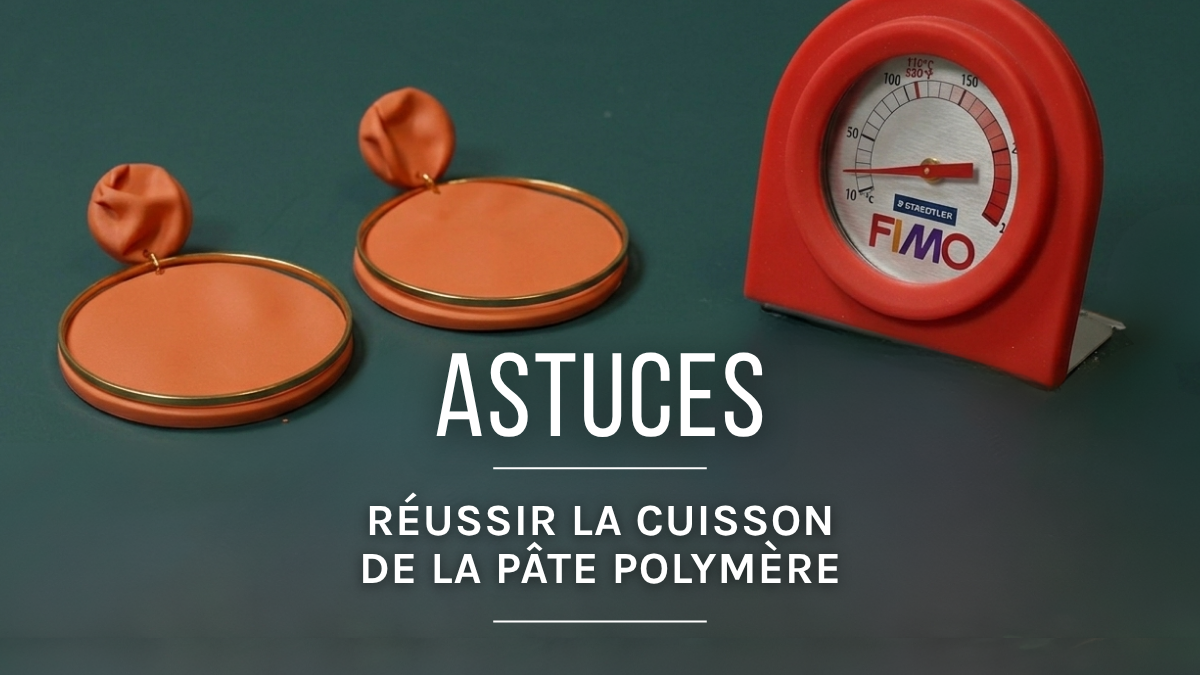
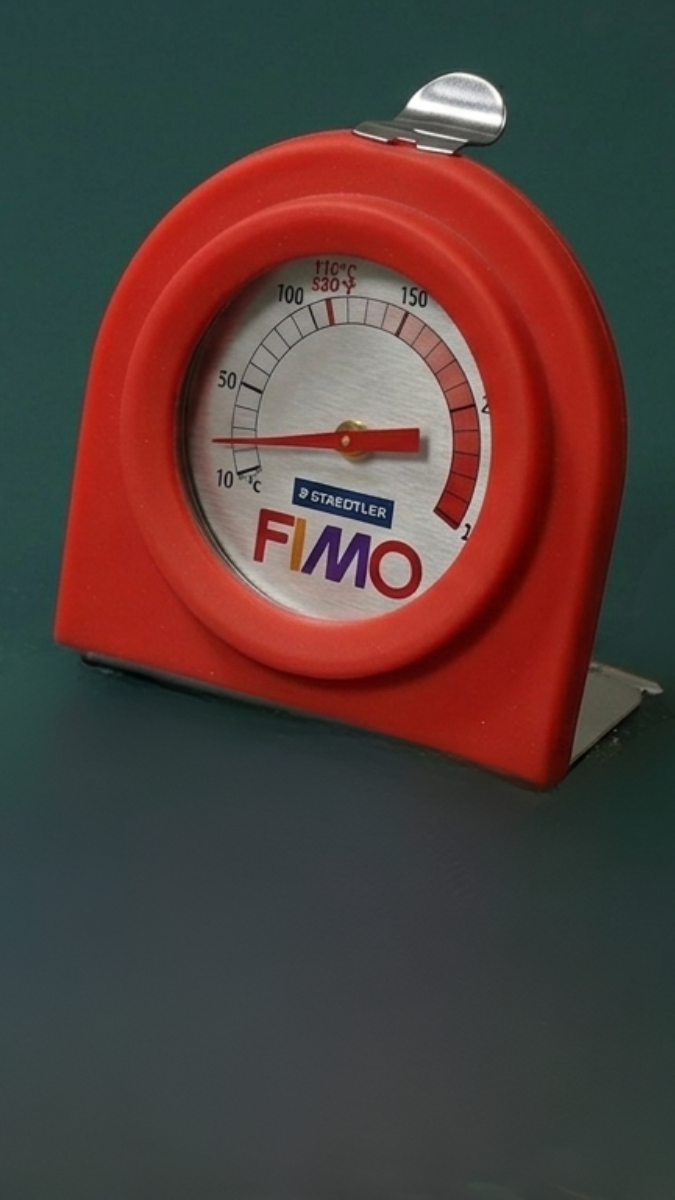
- An oven thermometer is highly recommended. The temperature displayed on the dial is not always the true inside temperature, sometimes the difference is 10 to 20°C. A thermometer protects you from unpleasant surprises.
- Work in a well-ventilated room, with the window ajar, to avoid the build-up of fumes.
Please note: the dough, which has just polymerized, comes out of the oven still soft and fragile. As it cools, the dough hardens and remains stable.
What surface should I bake my polymer clay on?
The firing support directly influences the final appearance of your piece. Here are your options:
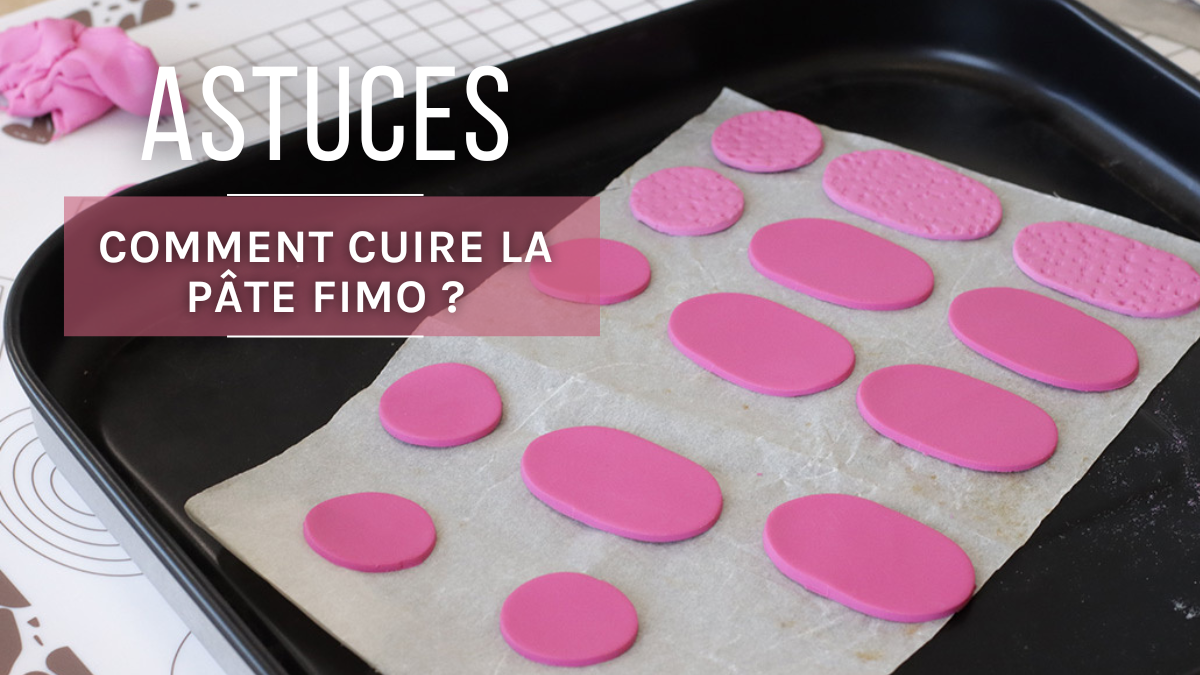
- Smooth tile or glass plate: ideal for flat surfaces, but the side in contact with the support will come out shiny and marked.
- Metal brackets: ideal for curved shapes such as bracelets or rings. Metal can be easily baked with polymer.
- Silicone molds: for cabochons or precise molded shapes.
- Baking soda in a bowl: the anti-marking solution par excellence for undrilled parts. The ultra-fine grains leave no trace - simply blow or brush off after firing.
- Rack for beads: your beads stay suspended on needles, no flat sides, no marks.
Tip: you can re-fire your pieces as many times as necessary to add elements, correct a defect or apply a layer of textured paste over an unwanted mark.
Pro tips for perfect Fimo, Sculpey, Cernit, Pardo and Kato firing:
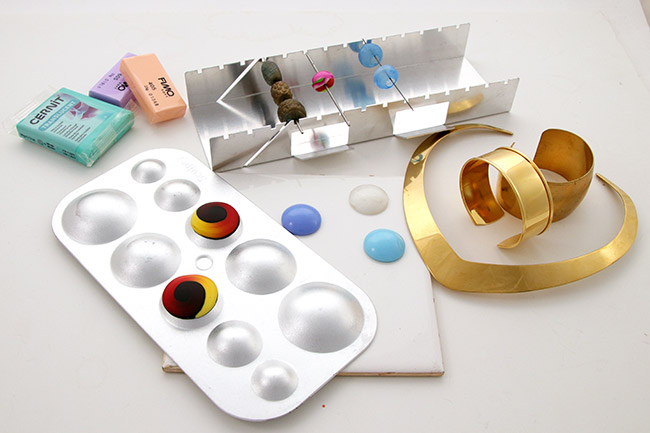
- For beads, there's a suitable holder where you place the beads on needles that are placed on a firing rack.
- For non-beaded shapes, you can use a bowl made from one of the materials mentioned above as a support, and place baking soda inside. These very fine grains will ensure that the dough deposited on it will not be marked, and all you have to do is blow it off after baking or rub it with a brush to remove all those little grains.
- For a special cabochon or moldedshape, you can also bake your pieces in silicone molds or a hollow or domed bead holder.
5 classic mistakes to avoid
Most failures in polymer baking come from the same mistakes. Here are the ones to avoid first and foremost:
- Don't preheat the oven: always bake in an oven that's already at temperature.
- Rely solely on the thermostat: use a thermometer to check the true temperature.
- Bake for too short a time: 30 minutes is a minimum, not an estimate. A thick piece may require 40 to 45 minutes.
- Remove the pieces too soon: when the dough comes out of the oven, it's still soft. This is normal! It hardens as it cools, not before.
- Overlapping pieces: space your creations to ensure even heat.