
Miyuki Picasso
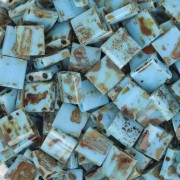
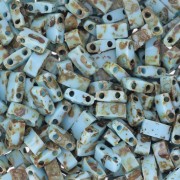
Miyuki Picasso beads captivate with their unique finish, which is a cross between a marbled effect and an antique patina—perfect for jewelry with a bold character. Available in several seed bead sizes, they work just as well in a weaving project as they do in a bohemian stringing design.
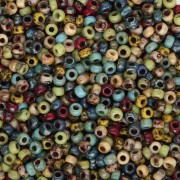


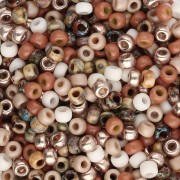
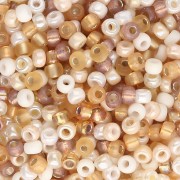
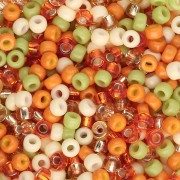


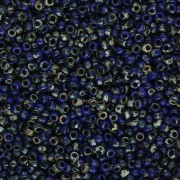


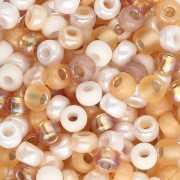


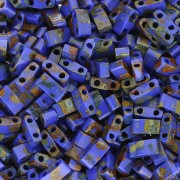
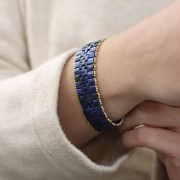




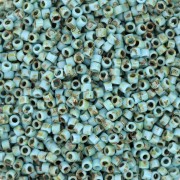
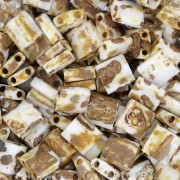
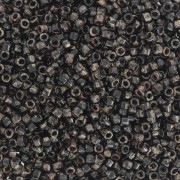
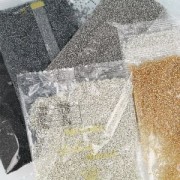
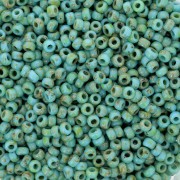
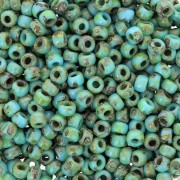


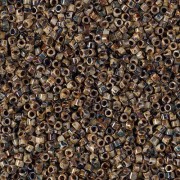
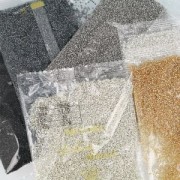


The Picasso Effect on Miyuki Beads
The Picasso effect consists of an irregular coating in shades of bronze, gray, brown, and gold, applied over an opaque or translucent base. The result evokes both a marbled effect, with its intermingled veins and shades, and a mineral patina, almost antique in appearance. Each bead thus has a slightly different appearance from one to the next, which is what gives this finish its charm.
Choosing Miyuki Picasso Seed Beads
- A marbled, vintage look, ideal for bohemian, ethnic, or rustic jewelry
- A unique color palette that pairs easily with classic seed beads, Czech glass beads, or aged metal components
- A finish that won’t oxidize or tarnish
Some creative ideas with Miyuki Picasso beads
These marbled seed beads pair especially well with aged brass or gold-plated stainless steelcharms, creating jewelry with a “natural” or “boho-chic” style. They also work beautifully in:
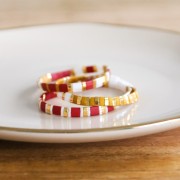
- peyote-stitched bracelets with subtle geometric patterns, where the marbled veining adds texture
- fringed earrings, where the contrast between different Picasso shades creates a natural ombre effect
- small, trendy brooches with a vintage look
- woven pendants, combining 11/0 Delica beads with the Picasso effect and solid colors
Whether you’ve been a beadweaving enthusiast for a long time or are just discovering this technique, Miyuki Picasso beads offer a reliable, easy-to-work-with material with a timeless aesthetic. Their marbled and weathered effect makes them particularly well-suited for projects where a natural look is desired rather than an overly shiny finish.
Can Miyuki Picasso beads be mixed with other Miyuki effects?
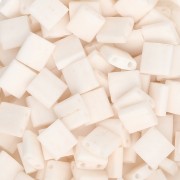
Yes, marbled-effect seed beads pair very well with matte, opaque, or pearlescent finishes to create textural gradients. The key is to be consistent with the bead size (11/0, 8/0, etc.) to maintain an even weave.