Free shipping on orders over 50€ up to 500g
French Online shop for beads and accessories for the creation of DIY jewellery and other creative hobbies
Log-in
0
Shopping cart
Shopping cart
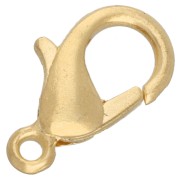
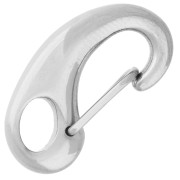
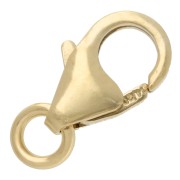
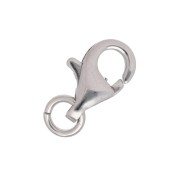
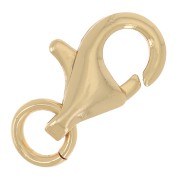
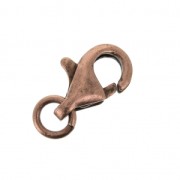
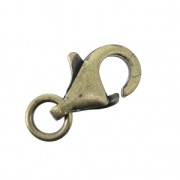
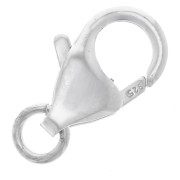
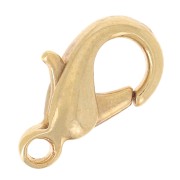
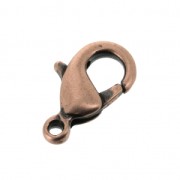
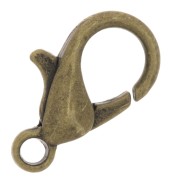
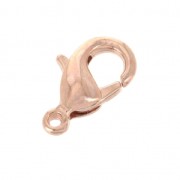
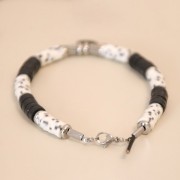
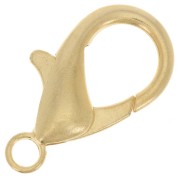
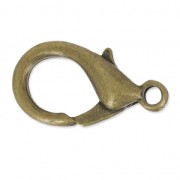
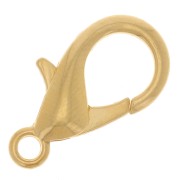
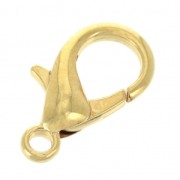
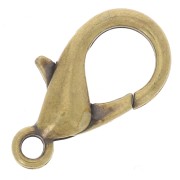
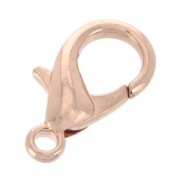
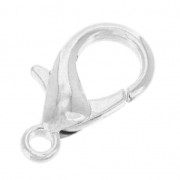
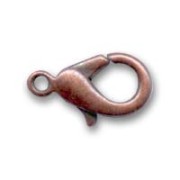
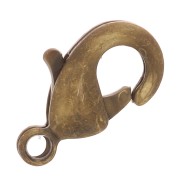
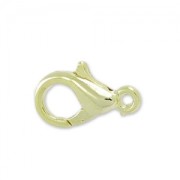
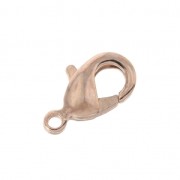
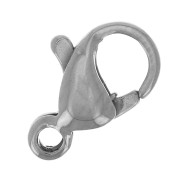
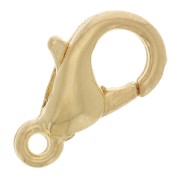
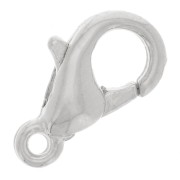
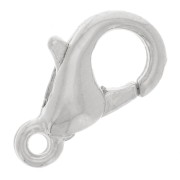
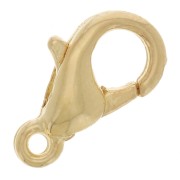
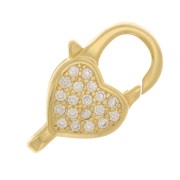
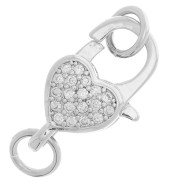
It's often underestimated, yet it's what holds everything together. The lobster clasp is the preferred fastening system of DIY jewelry designers: quick to install, easy to open, and available in all finishes! Whether you're finishing a pearl bracelet, a pendant necklace or a long necklace, there's sure to be a lobster clasp to suit your creation.
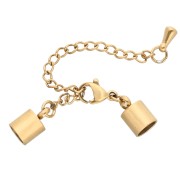
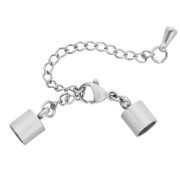
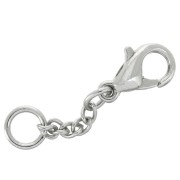
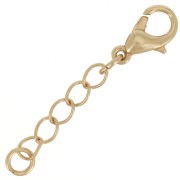
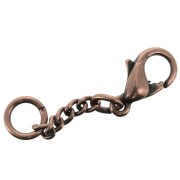
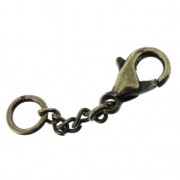
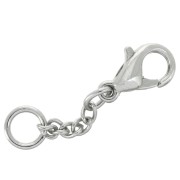
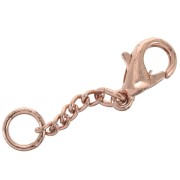

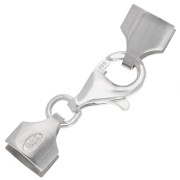
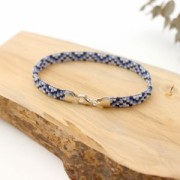
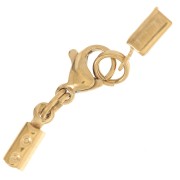
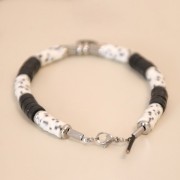
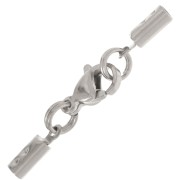
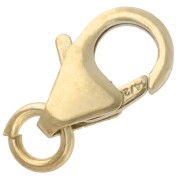
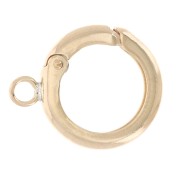
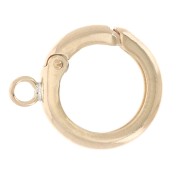
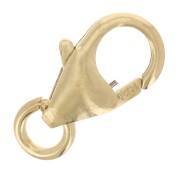
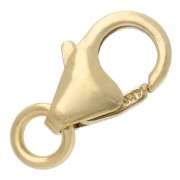
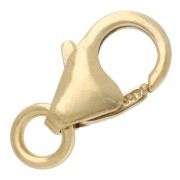
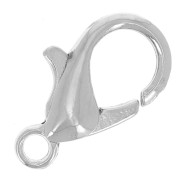
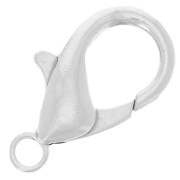
It's a clasp with an integrated spring: a small movable tongue opens under finger pressure to let in a ring or chain link, then closes automatically. The result: opening and closing in a second.
In DIY jewelry, there are two main families:
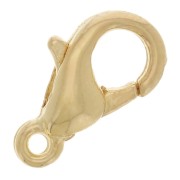
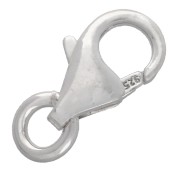
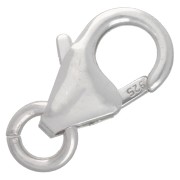
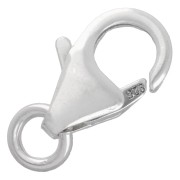
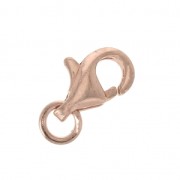
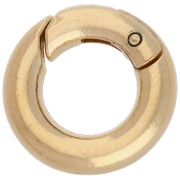
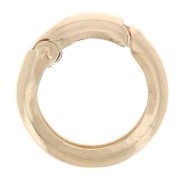
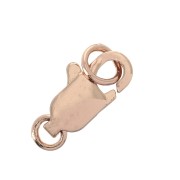
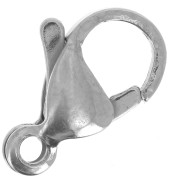
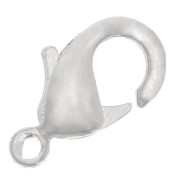
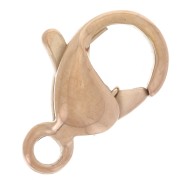
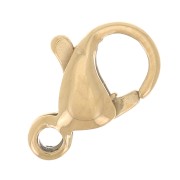
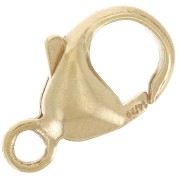
The round snap hook: compact, discreet, universal. It disappears into the continuity of the jewel and is barely visible once in place. Ideal for thin bracelets and minimalist necklaces where the clasp shouldn't draw the eye.
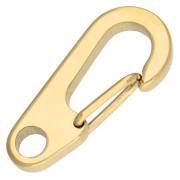
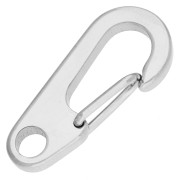
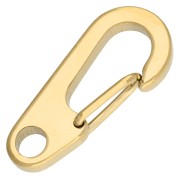
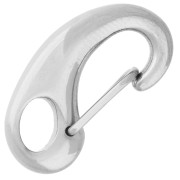
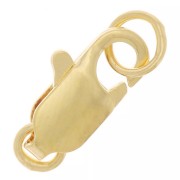
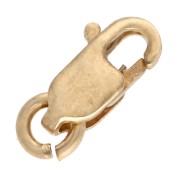
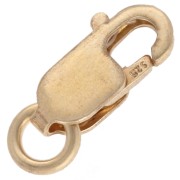
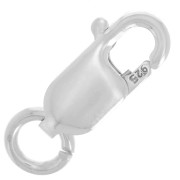
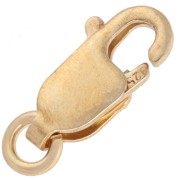
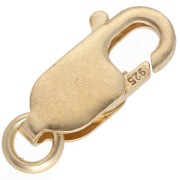
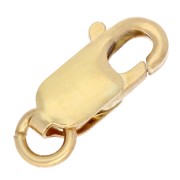
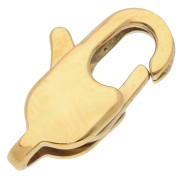
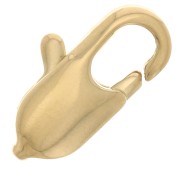
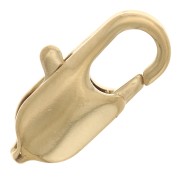
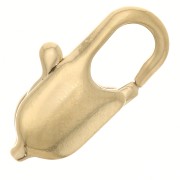
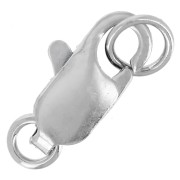
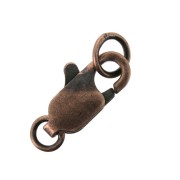
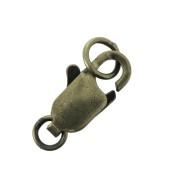
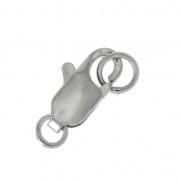
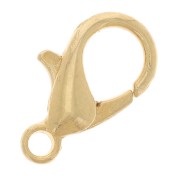
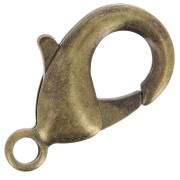
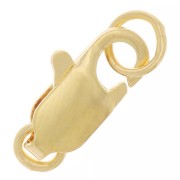
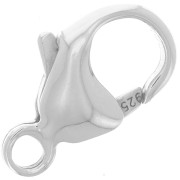
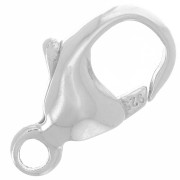
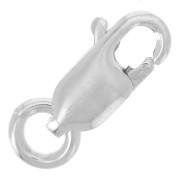
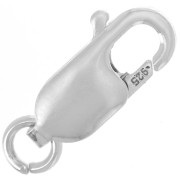
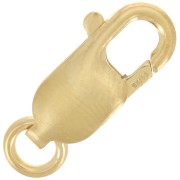
Elongated lobster clasp: longer, sometimes beveled or slightly domed. It has more presence and can become a decorative element in its own right, especially in meticulous gold or silver finishes.
Lobster clasps come in the same finishes as your other components, and that's precisely what you need to respect for a coherent piece of jewelry:
Too small a clasp on a heavy bracelet, and it gives way. Too large on a slender necklace, and it visually unbalances the piece. Here's how to choose:
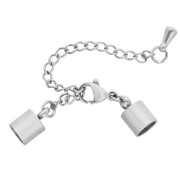
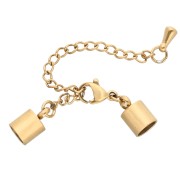
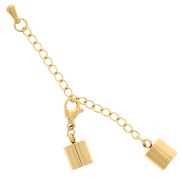
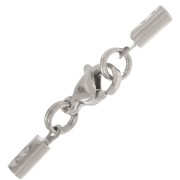
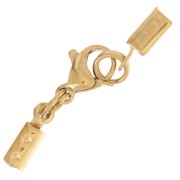
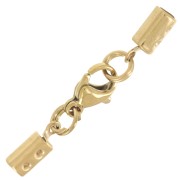
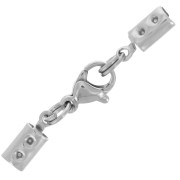
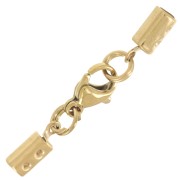
To attach a clasp to fine chain or serpentine mesh, you can use lace clips or cord ends, which you attach to the end of the chain before adding the clasp.
You can also use a crushable bead covered with a knot cover and fastener.
Tiffanie tells you how!