
Zirconium oxide
Dreaming of a diamond but can't afford it? The solution is cubic zirconia, the ultimate faux diamond. Whether you're looking for charms, pendants or beads, discover a wide range of zirconium oxide components for all your DIY projects!
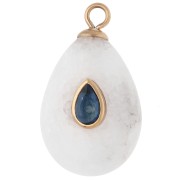
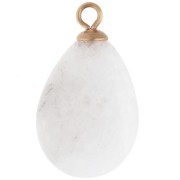
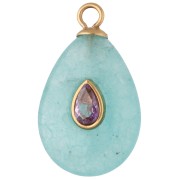
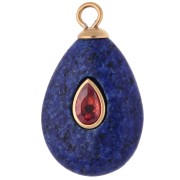
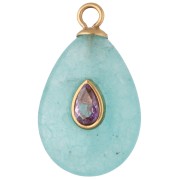
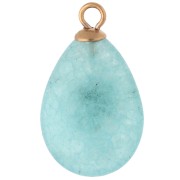
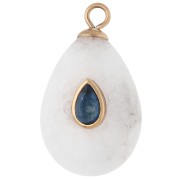
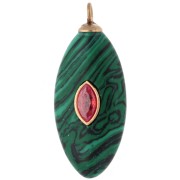
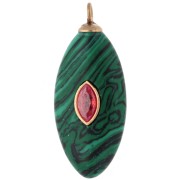
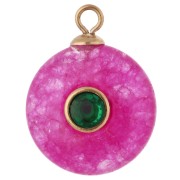
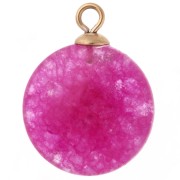
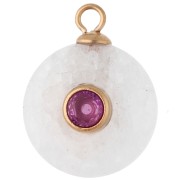
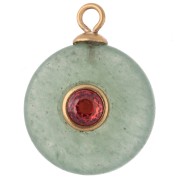
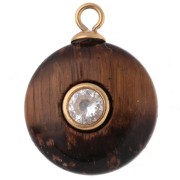
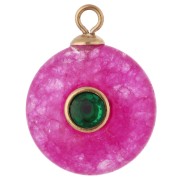
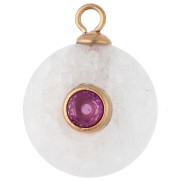
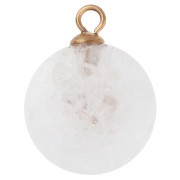
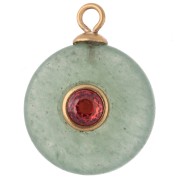
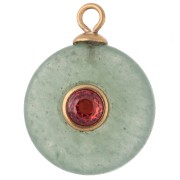
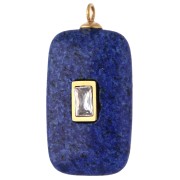
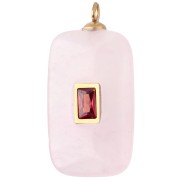
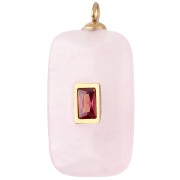
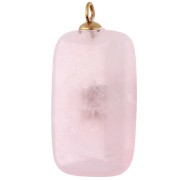
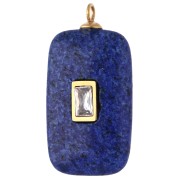
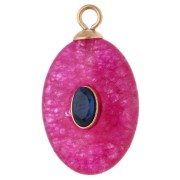
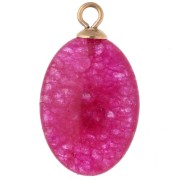
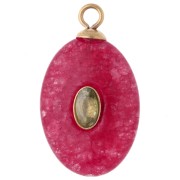
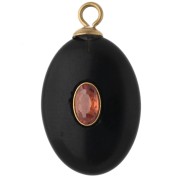
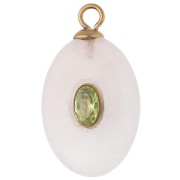
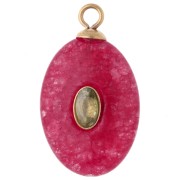
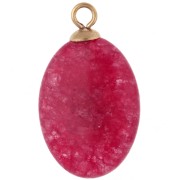
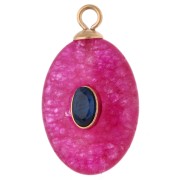
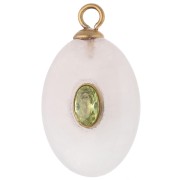
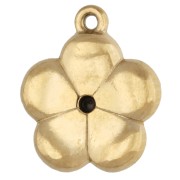
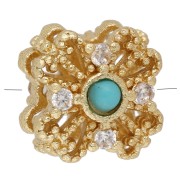
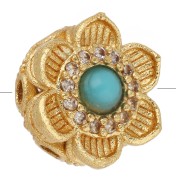
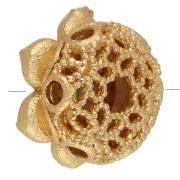
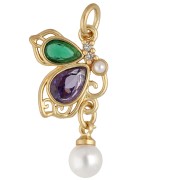
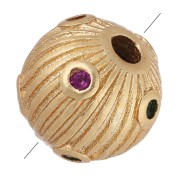
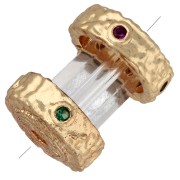
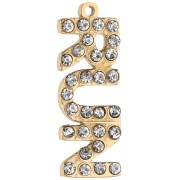
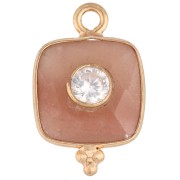
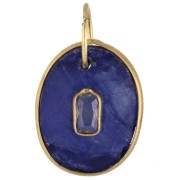
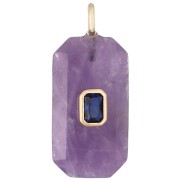
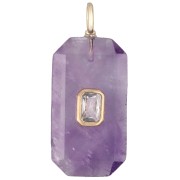
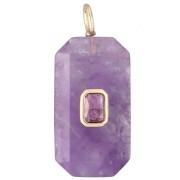
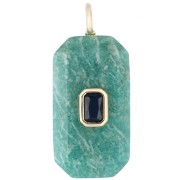
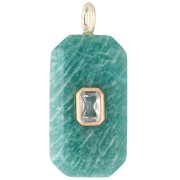
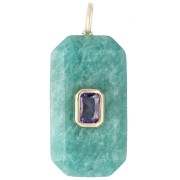
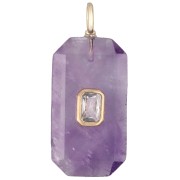
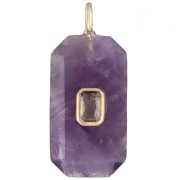
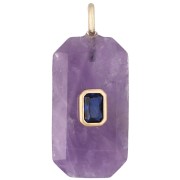
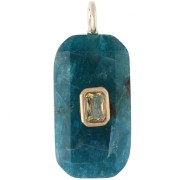
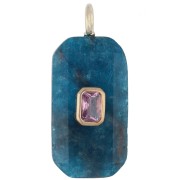
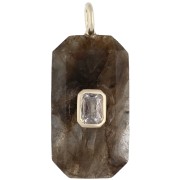
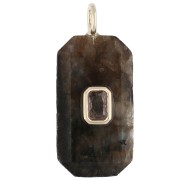
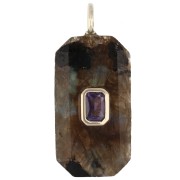
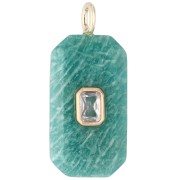
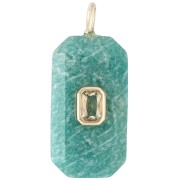
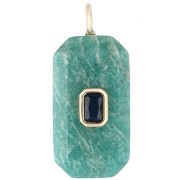
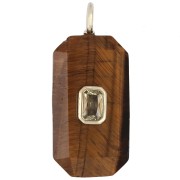
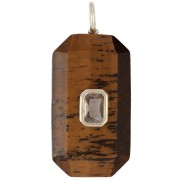
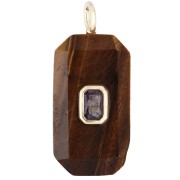
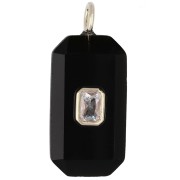
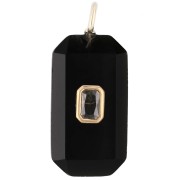
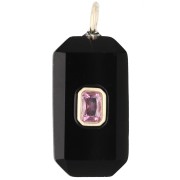
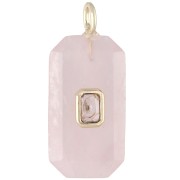
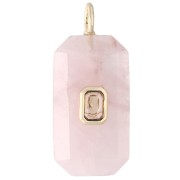
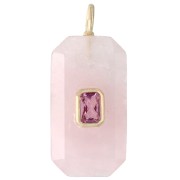
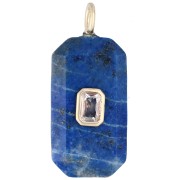
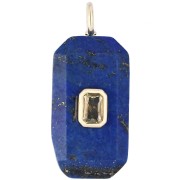
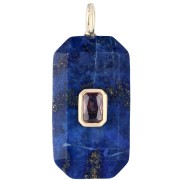
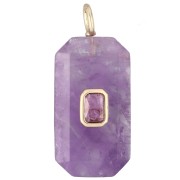
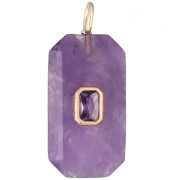
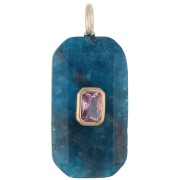
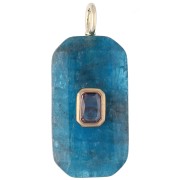
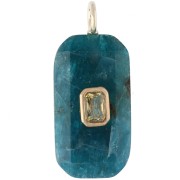
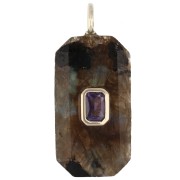
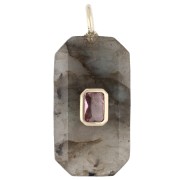
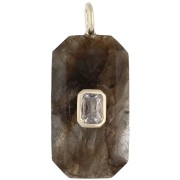
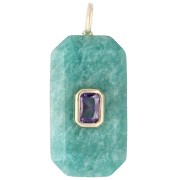
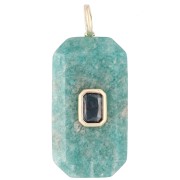
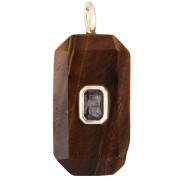
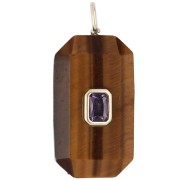
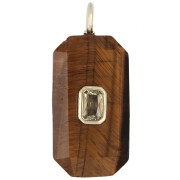
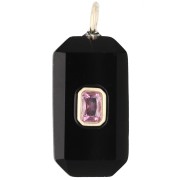
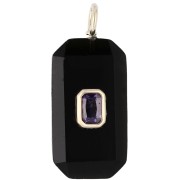
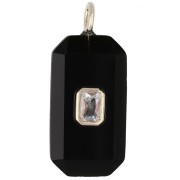
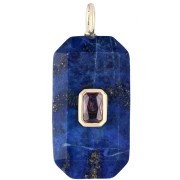
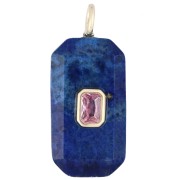
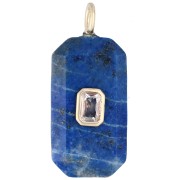
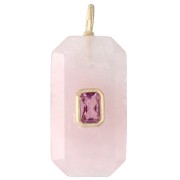
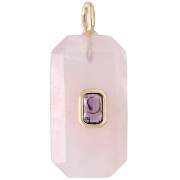
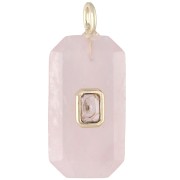


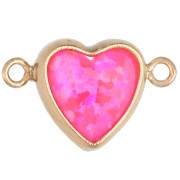

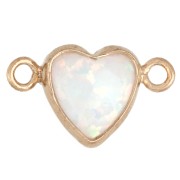


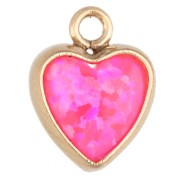


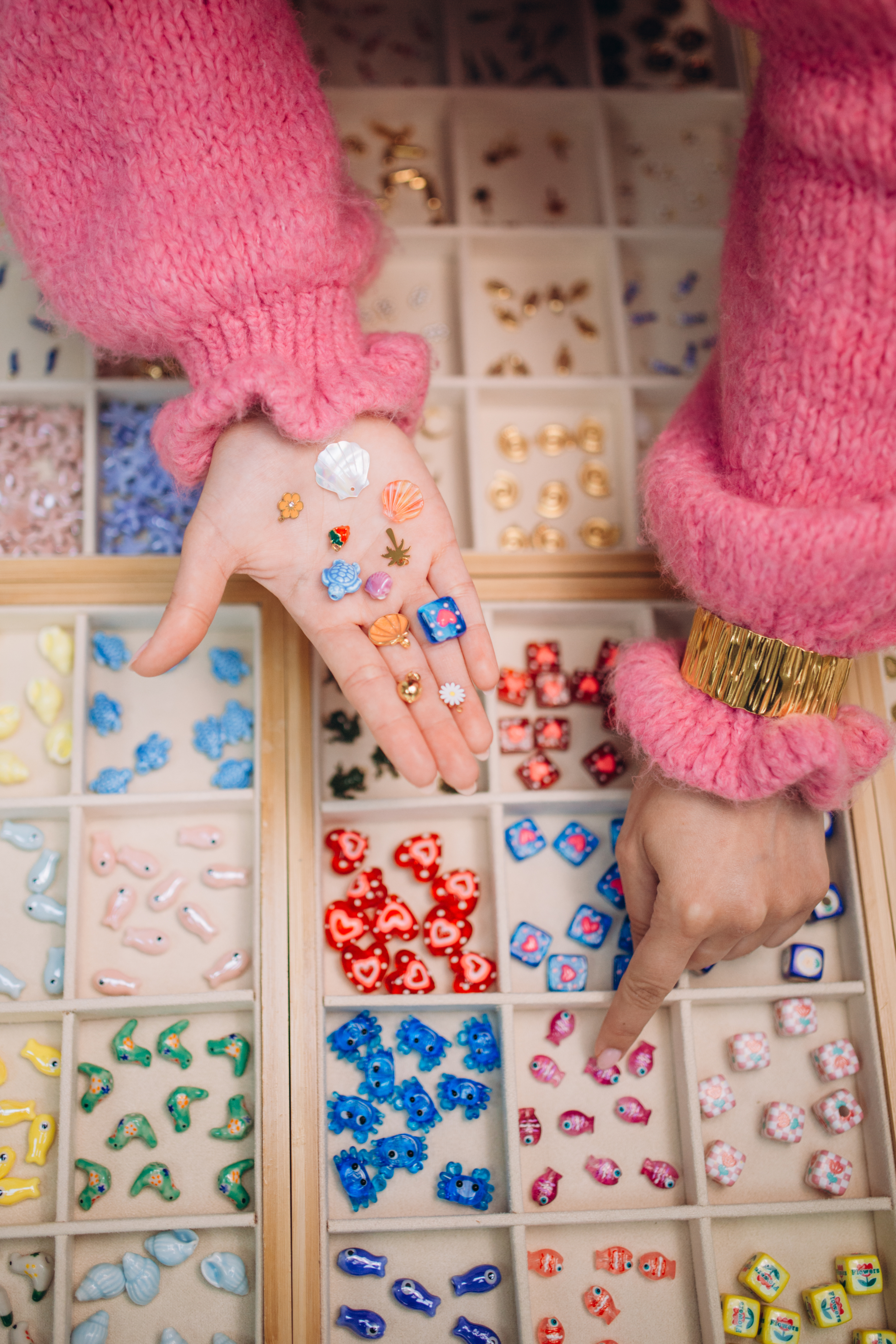
What is cubic zirconia (or zirconium oxide)?
Cubic zirconia is an artificial stone that is durable and considerably less expensive than real diamond. It is widely known as a diamond substitute, thanks to its hardness and attractive reflections. In other words:
- Cubic zirconia imitates the brilliance of diamonds.
- It is cut and faceted like a gemstone.
- Cubic zirconia has a hardness of 8.5 on Moh's scale.
- Zirconia is less expensive than diamond.
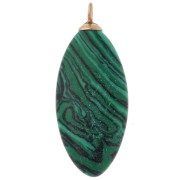
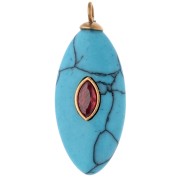
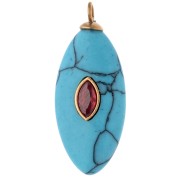
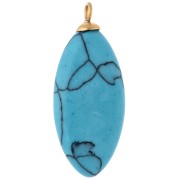
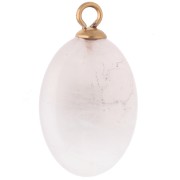
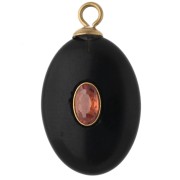
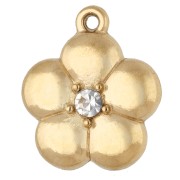
- Zirconia comes in a multitude of colors and shapes ( stars, pendants, ovalpears, rounds).
- Zirconium oxide is nobler, brighter and more resistant than crystal (rhinestones), which is widely used in jewelry.
What kind of jewelry can you make with zirconium oxides?
- Trendybangle bracelets: assemble zirconia charms in the shape of stars, snakes or suns for an elegant, mystical piece of charm jewelry, ideal as a gift or everyday accessory.
- Refinedmulti-row necklace: combine fine gold-filled chains with shiny zirconium oxide elements for a sophisticated, modern layered effect.
- Pendantearrings: create ultra-trendy designs by combining delicate chains with charms set with zirconia rhinestones, for a luminous, personalized touch.
Whatever your inspiration, these components offer exceptional brilliance, great resistance and perfect versatility to enhance all your creations, from simple DIY to professional jewelry.
Zirconia can be fired at temperatures of up to 840°C. It can therefore be used with Art Clay.
ATTENTION, CABOCHONS ARE NOT COMPATIBLE WITH PureCrystal 4120 AND 1028 CABOCHON SETTINGS, RINGS AND EARRINGS.
Do zirconium oxide components rust?
Zirconium oxide components, also known as cubic zirconia, won 't rust because they're made from a stable, inert synthetic mineral material. Unlike metals, zirconium oxide does not undergo oxidation or corrosion, guaranteeing longevity and lasting brilliance for your jewelry.
However, the metal primers or settings that often accompany zirconia beads can oxidize or rust, depending on their composition. To preserve the beauty of your creations, we recommend the use of corrosion-resistant metals such asstainless steel or Gold Filled, and avoid prolonged exposure to water and humidity.
What's the difference between Zircon and Zirconia?
Zircon is a natural mineral used in jewelry, while zirconia (or zirconium oxide) is a man-made synthetic stone. Natural zirconia is rarer, more fragile and often more expensive. Cubic zirconia, on the other hand, is renowned for its exceptional diamond-like brilliance, high hardness (8.5 Mohs) and affordable price. We give you more details in this technical data sheet.
This artificial stone is highly prized in the manufacture of costume and handcrafted jewelry, thanks to its resistance, variety of colors and ease of maintenance.
Do zirconium oxide components rust?
Zirconium oxide components, also known as cubic zirconia, won 't rust because they're made from a stable, inert synthetic mineral material. Unlike metals, zirconium oxide does not undergo oxidation or corrosion, guaranteeing longevity and lasting brilliance for your jewelry.
However, the metal primers or settings that often accompany zirconia beads can oxidize or rust, depending on their composition. To preserve the beauty of your creations, we recommend the use of corrosion-resistant metals such asstainless steel or Gold Filled, and avoid prolonged exposure to water and humidity.