
Metal



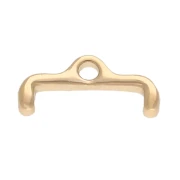
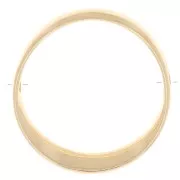
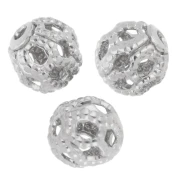
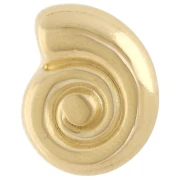
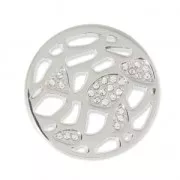
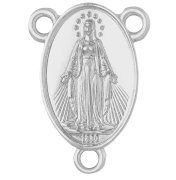
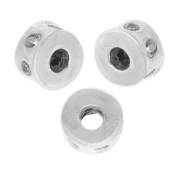

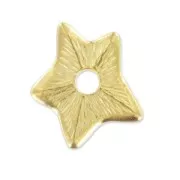
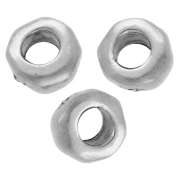
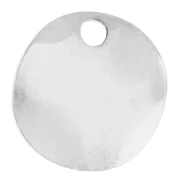
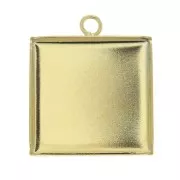

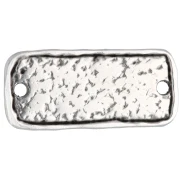
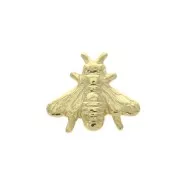
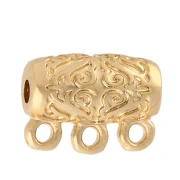



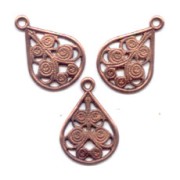
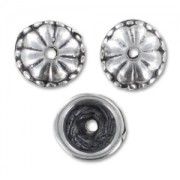


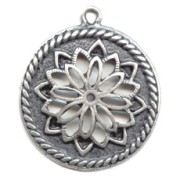



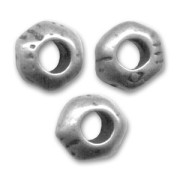
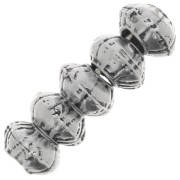
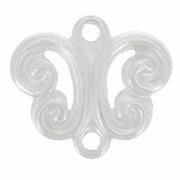
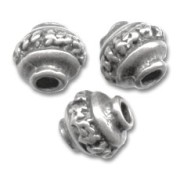
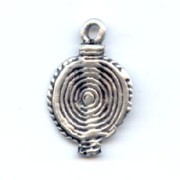
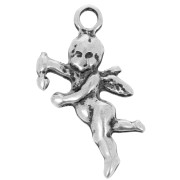
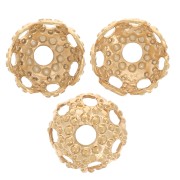
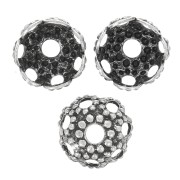


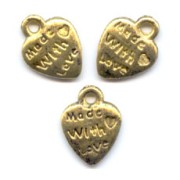
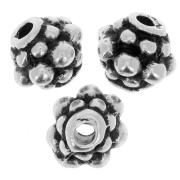
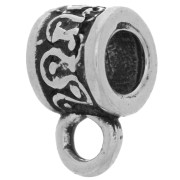

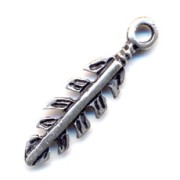
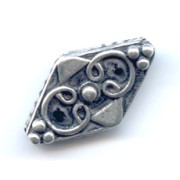
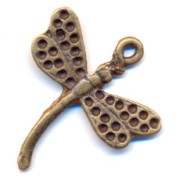

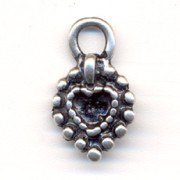


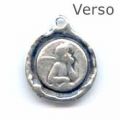


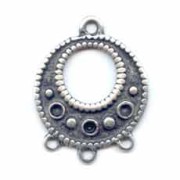
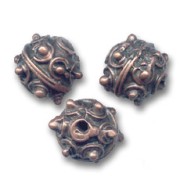
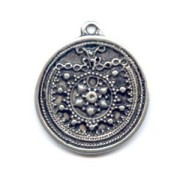


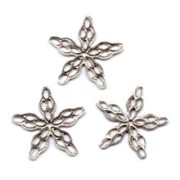
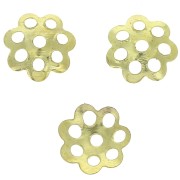
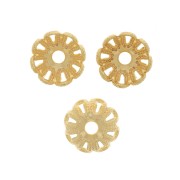

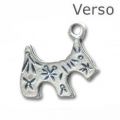


What kind of jewelry to create with metal components?
Metal components offer incredible versatility for creating DIY jewelry to suit every style. Whether you're a beginner or an experienced designer, here are some jewelry ideas to make with metal components:
- Necklaces: use metal pendants, metal chains and rings to assemble modern or vintage necklaces.
- Bracelets: create bracelets by combining brass wire and gemstones, as in our rush bracelets tutorial.
- Earrings: metal charms, hooks and stones mounted on metal are ideal for unique earrings, from the simplest to the most complex. Take a look at these pretty dangling earrings, for example!
- Rings: a beautiful chain and a small charm are all you need to design elegant, personalized rings.
- Chains and key-rings: combine metal links, charms and keys to create personalized accessories such as key-rings or bag jewelry.
What non-precious metals are used in jewelry?
Non-precious metals are alloys widely used in jewelry for their accessibility, durability and multiple creative possibilities. Unlike precious metals such as gold or 925 Sterling Silver, these metals are generally more affordable while offering great strength. Some of the most common non-precious metals used in jewelry include :
- Stainless steel: Highly resistant to rust and oxidation, stainless steel is perfect for modern, long-lastingjewelry.
- Brass: An alloy of copper and zinc, often used for its golden color and shiny appearance.
- Aluminum: Lightweight and easily malleable, aluminum is an excellent option for creating jewelry that is both light and strong.
- Bronze: A blend of copper and pewter, bronze has a warm color and a vintage look that is highly sought-after for retro jewelry creations.
- Copper: Used in the creation of handcrafted jewelry, copper is appreciated for its flexibility and natural patina.
These non-precious metals are often chosen for their ability to stand the test of time, while offering a wide variety of styles for unique and affordable jewelry creations. We tell you all about it in this data sheet!