Free shipping on orders over 50€ up to 500g
French Online shop for beads and accessories for the creation of DIY jewellery and other creative hobbies
Log-in
0
Shopping cart
Shopping cart
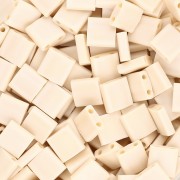
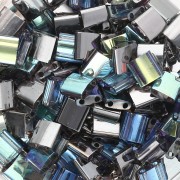
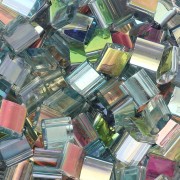
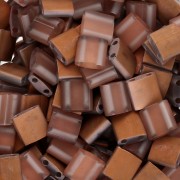
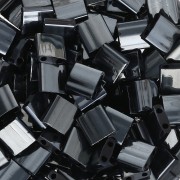
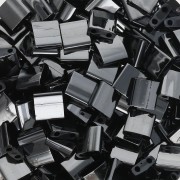
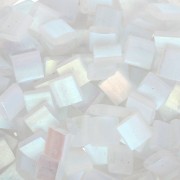
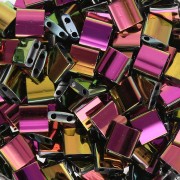
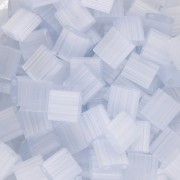
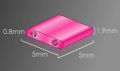
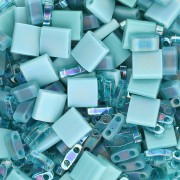
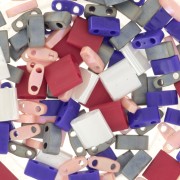
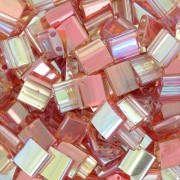
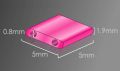
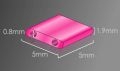
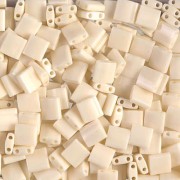
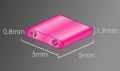
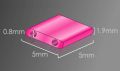
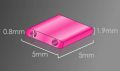
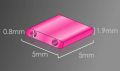
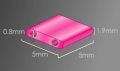
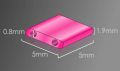
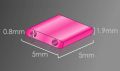
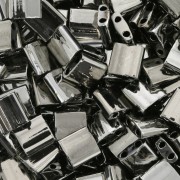
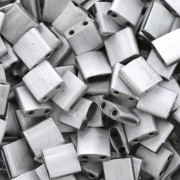
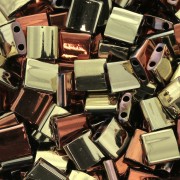
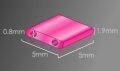
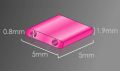
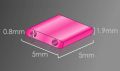
Discover Miyuki Tila beads, the flat 5x5 mm square Japanese beads that have revolutionized the world of bead weaving.
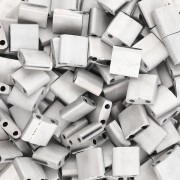
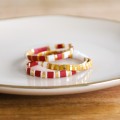
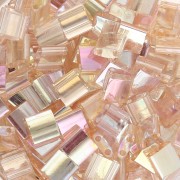
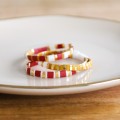
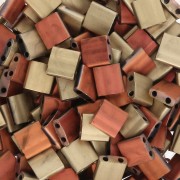
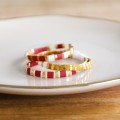
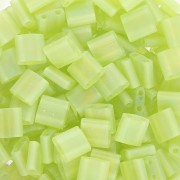
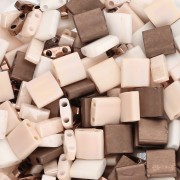
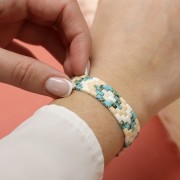
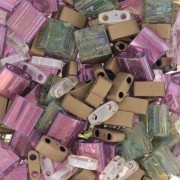
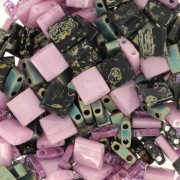
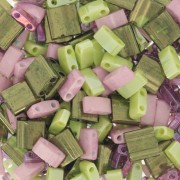
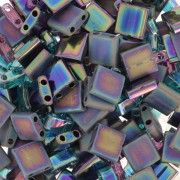
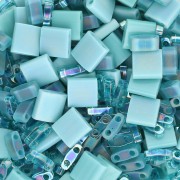

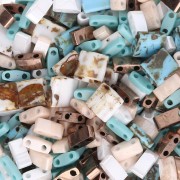
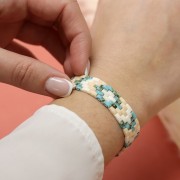
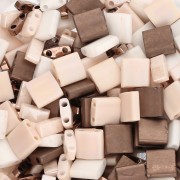
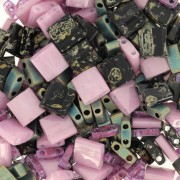
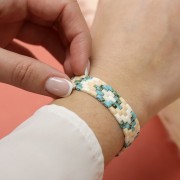
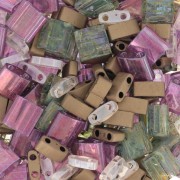
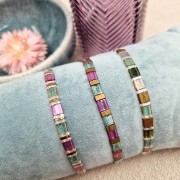
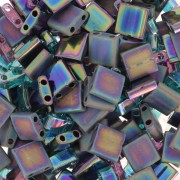
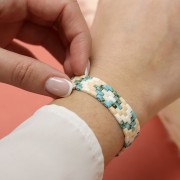
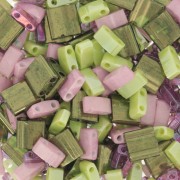
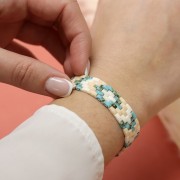
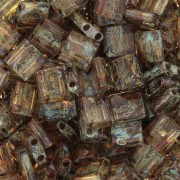
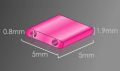
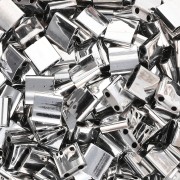
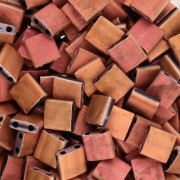
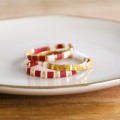
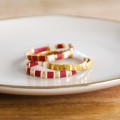
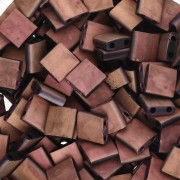
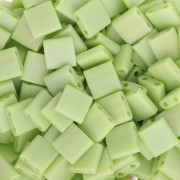
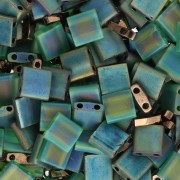
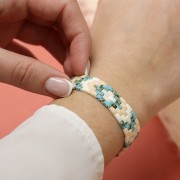
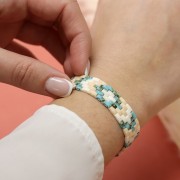
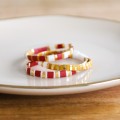
Made of glass by the famous Miyuki factory in Japan, these square 2-hole beads offer a unique flat surface that creates magnificent mosaic effects in your DIY jewelry creations.
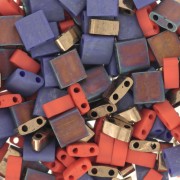
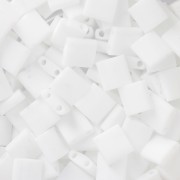
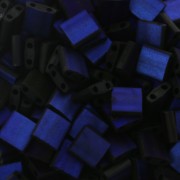
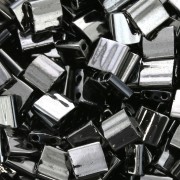
Tila square beads are distinguished by their design and perfectly calibrated double perforation. Their angular geometric shape and flat surface reflect light differently from round beads, creating subtle plays of light and shadow that sublimate every creation.
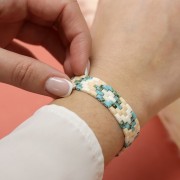
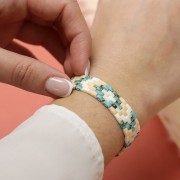
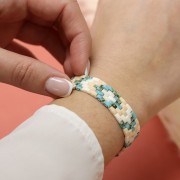
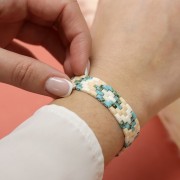
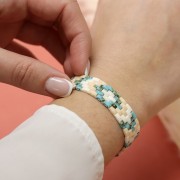
Thanks to their 2 parallel holes, your jewels won't twist and remain perfectly straight, even after repeated wear. This double perforation makes for solid, long-lasting assemblies, perfect for wide cuffs or multi-row weaves.
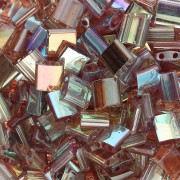
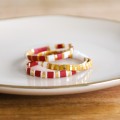
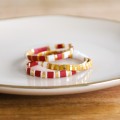
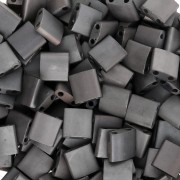
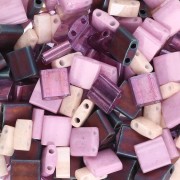
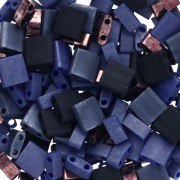
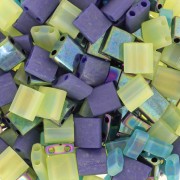
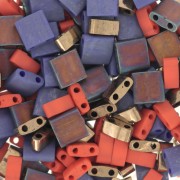
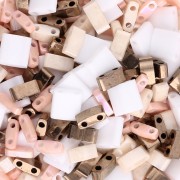
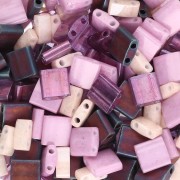
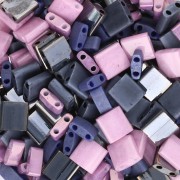
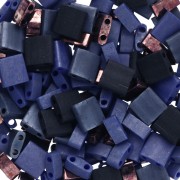
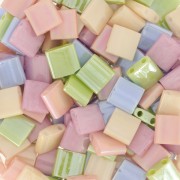
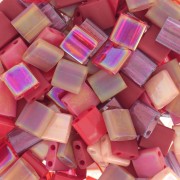
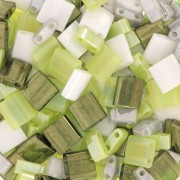
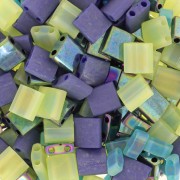
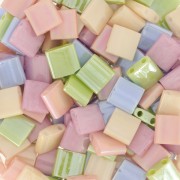
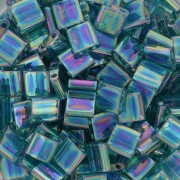
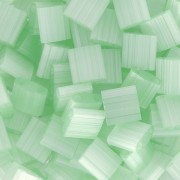
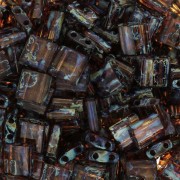
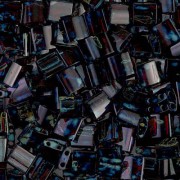
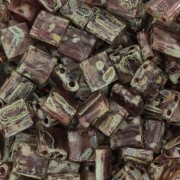
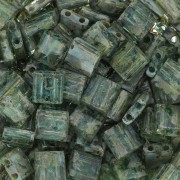
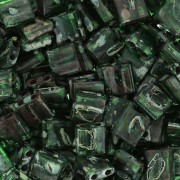
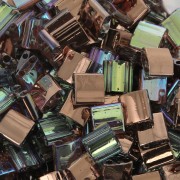
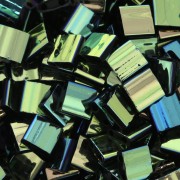
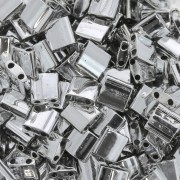
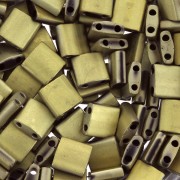
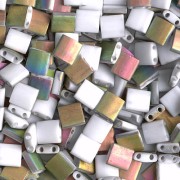
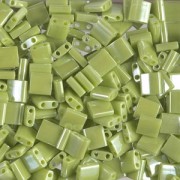
Explore our category of different colors and finishes for all your creative desires. Our tila beads are available in matte, glossy, opaque, Picasso, Magic, Metallic, Rainbow and many other finishes for bohemian chic, ethnic or minimalist effects.
Miyuki's consistent grading guarantees a professional finish, with perfectly identical beads for a harmonious result.
Mastering the art of the 5mm Tila bead requires an understanding of the entire family. The square Tila is the basic unit of the Miyuki system:
This modularity opens up infinite creative possibilities! Create sophisticated geometric patterns by alternating squares and rectangles, play on contrasting shapes to break the monotony of a straight weave, or compose veritable mosaics by combining the three formats. Tila beads also work perfectly with 11/0 Seed beads for even more elaborate creations.
Are you new to DIY and handmade jewelry? Follow our tutorials and how-to sheets to learn all about the art of bead weaving.
Flat Japanese beads are made of fine glass and can break if struck on a hard surface such as tiles. Our advice: always work on a beading mat or padded surface to avoid accidents. Once mounted in your jewelry, they are perfectly resistant to daily use.
The two holes are parallel and cross the bead widthwise. Before you start weaving, always check that the holes are not blocked by residue from the manufacturing process. You can use a fine needle to clean them if necessary.