Free shipping on orders over 50€ up to 500g
French Online shop for beads and accessories for the creation of DIY jewellery and other creative hobbies
Log-in
0
Shopping cart
Shopping cart
What is a gemstone? It is a natural stone that can be of mineral, rocky or organic origin. It meets certain criteria such as size, rarity, brilliance, transparency, colour and weight per carat. There are three main families: precious stones,fine stones ( formerly called semi-precious stones) and organic stones.
The beauty of gemstones has fascinated women and men since the dawn of time. The greatest jewellers have sublimated them in sumptuous jewellery.
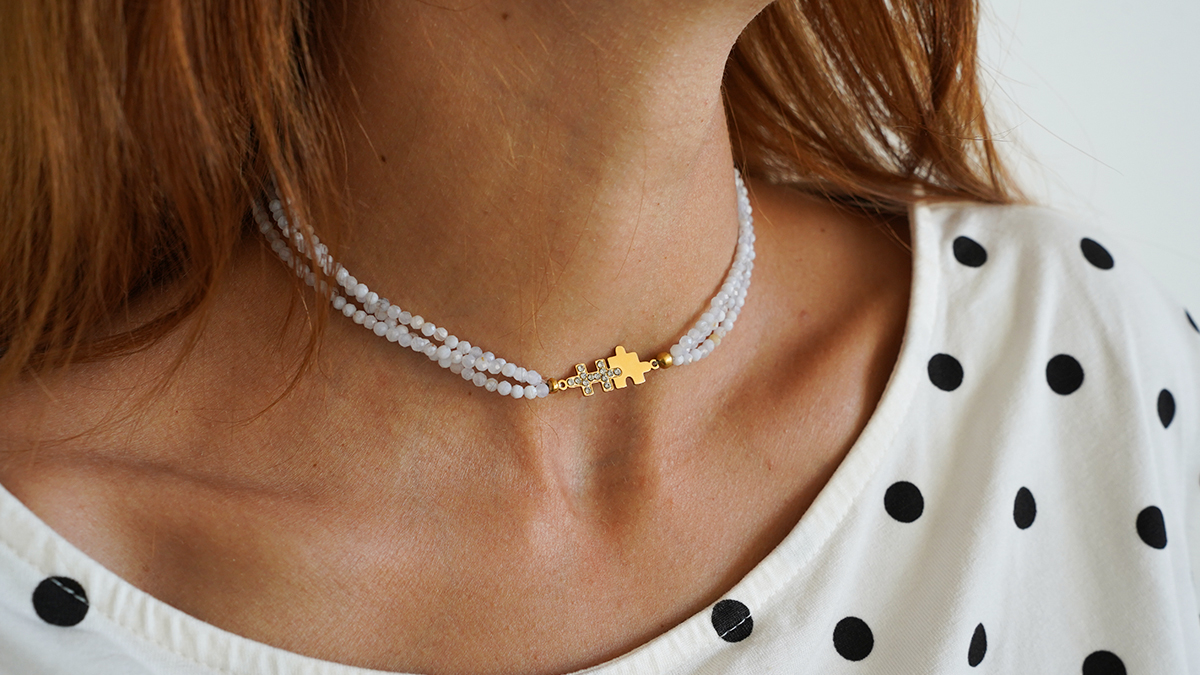
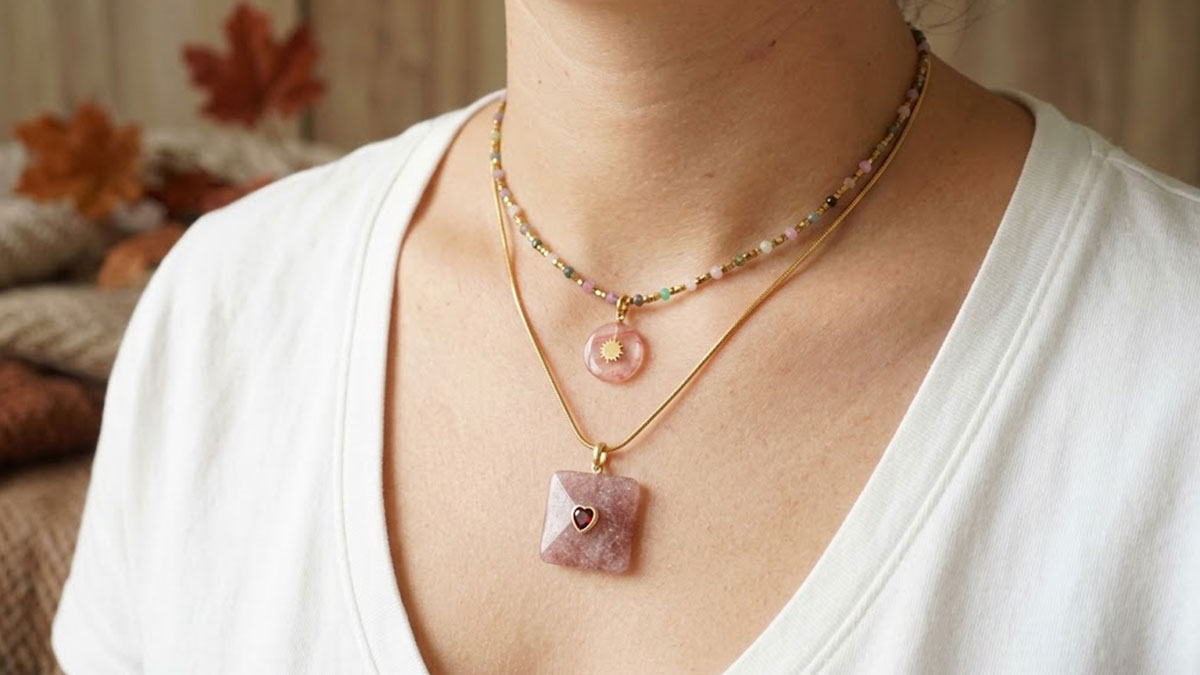
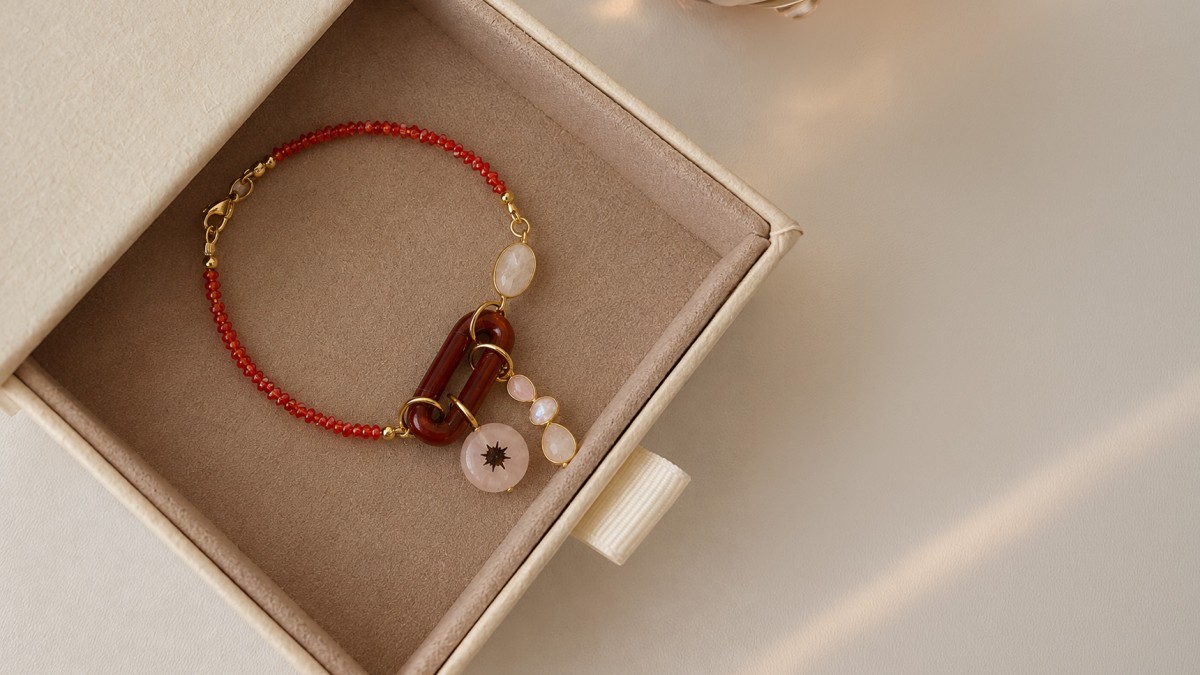
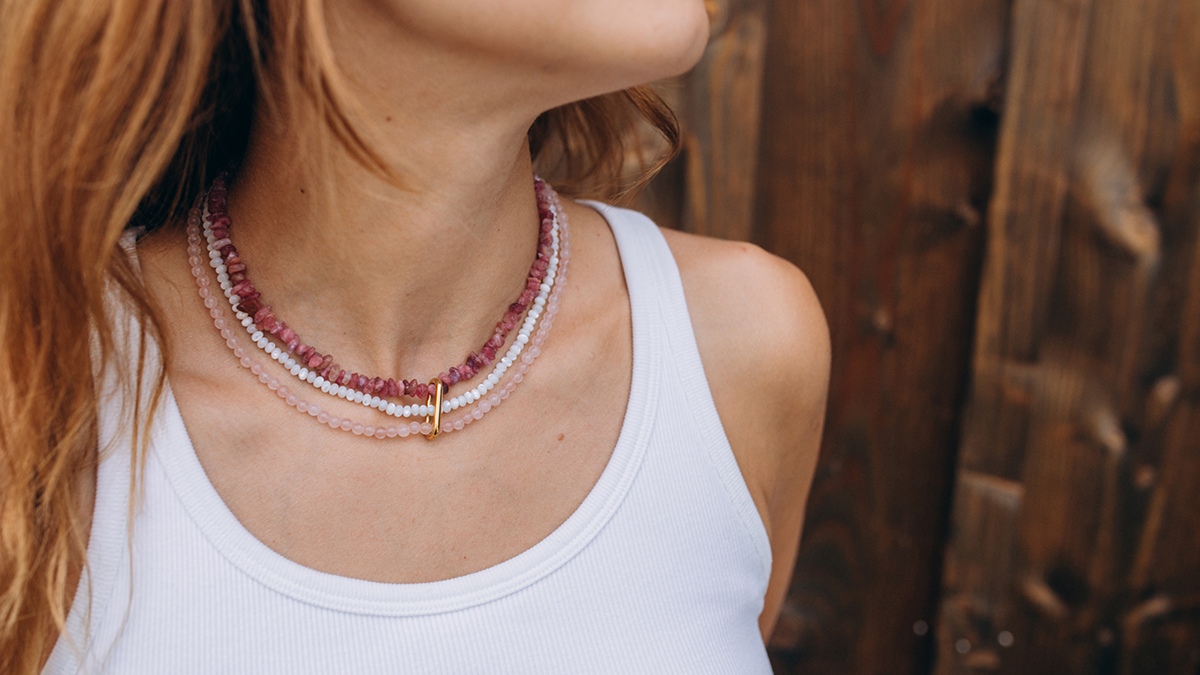
Even in the world of costume jewellery, natural stones are a must! It must be said, that with them, it is easy to create simple and elegant jewellery. Gold or silver plated, pearly or coloured pearls, natural materials... Gems go with everything. Their incredible variety of colours will allow you to make countless DIY jewels to the point of overflowing your jewellery box.
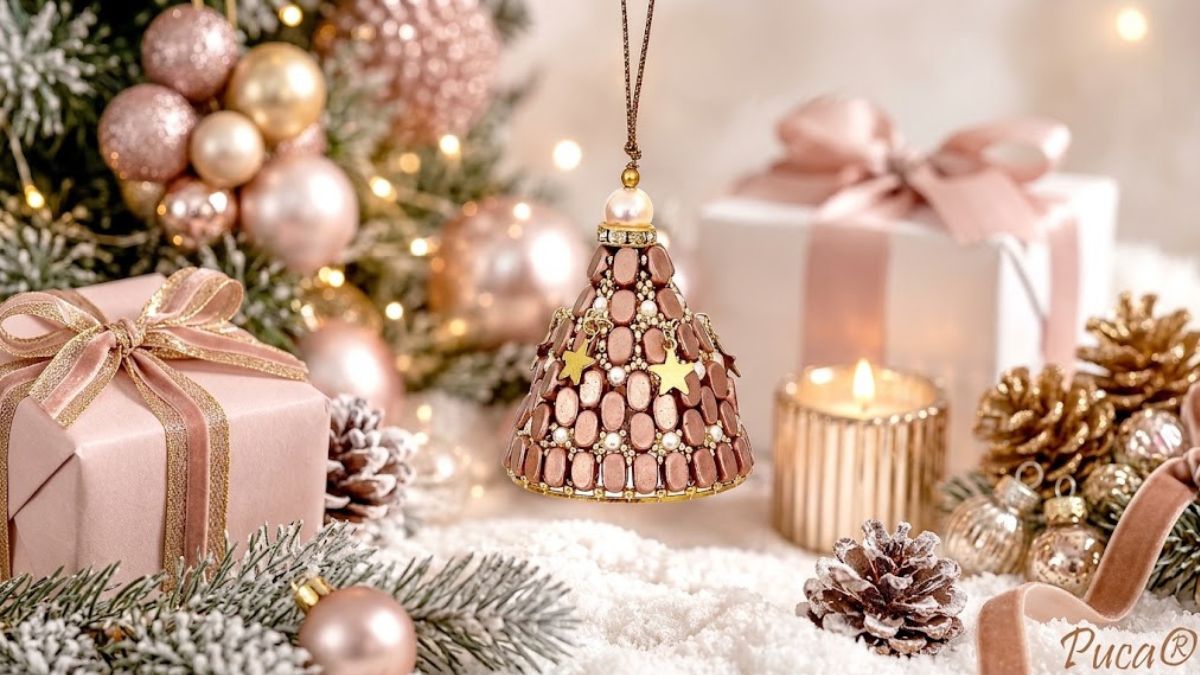
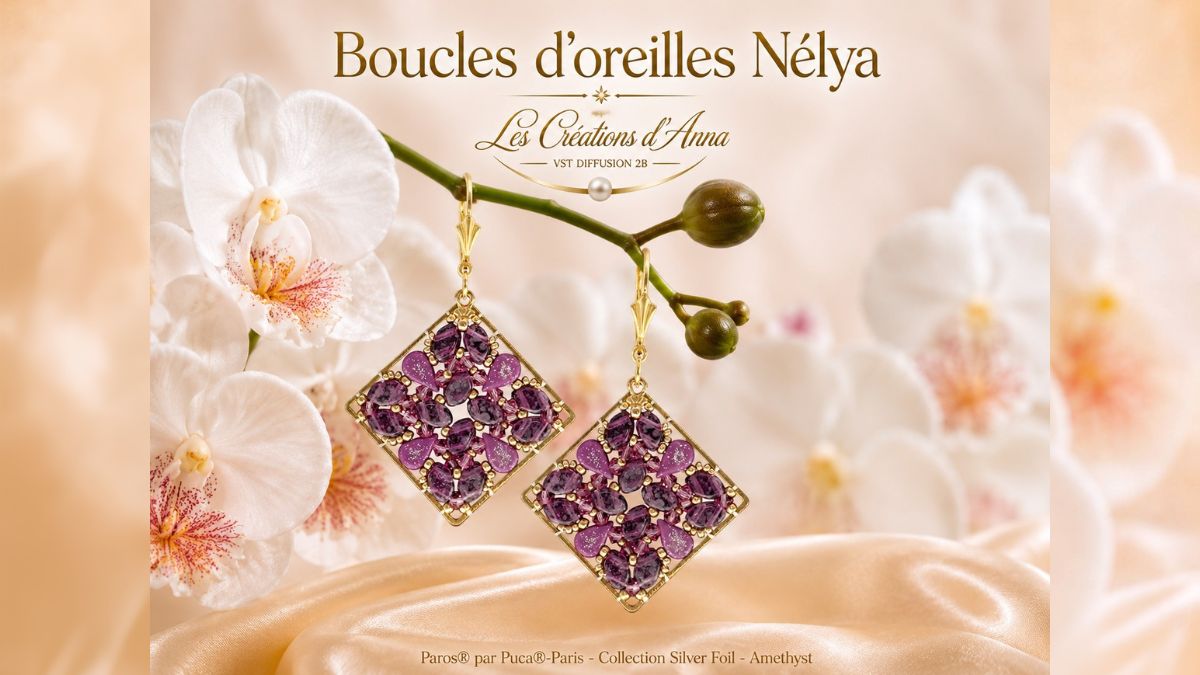
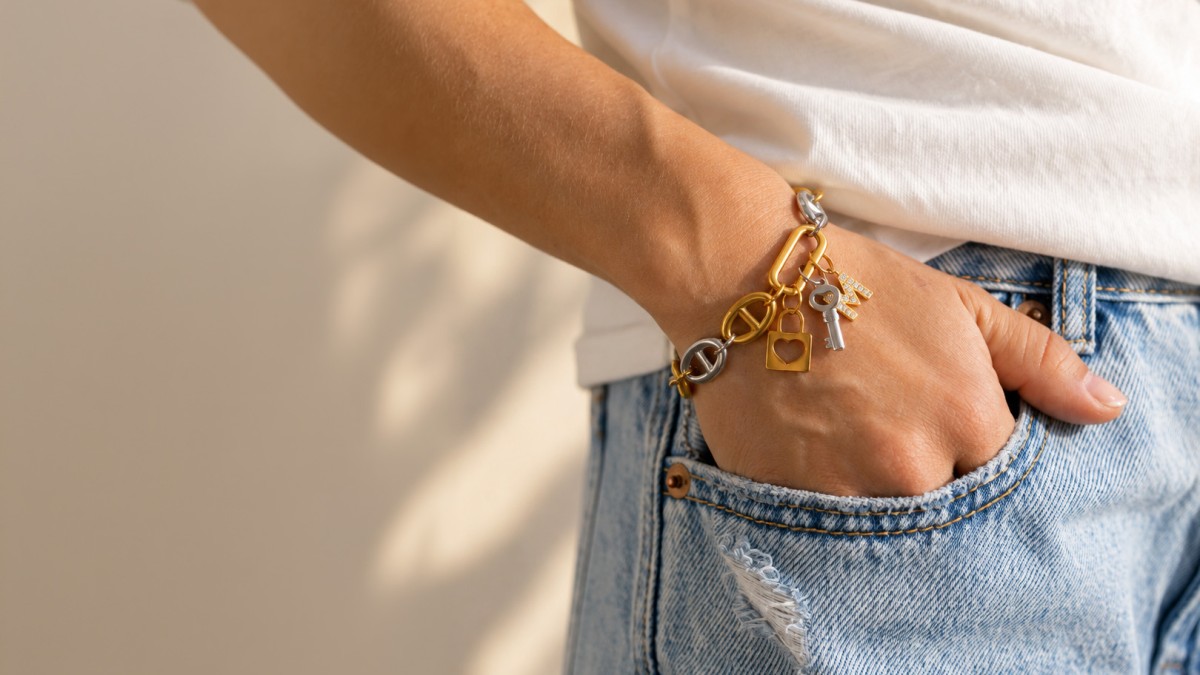
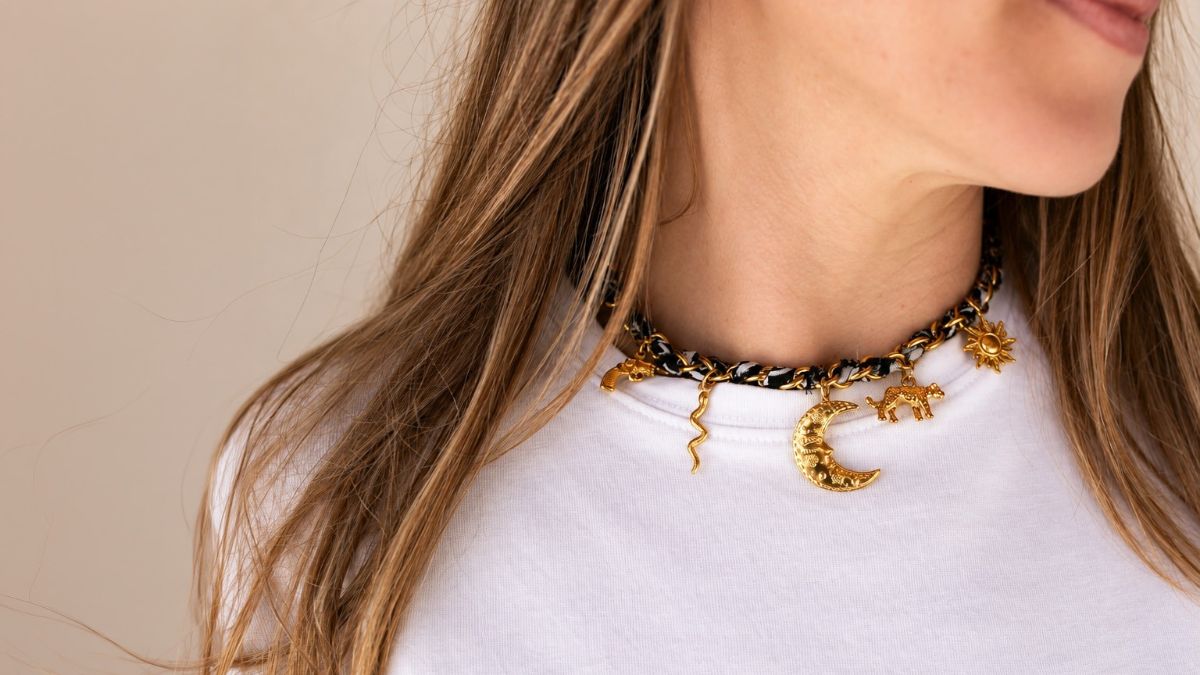
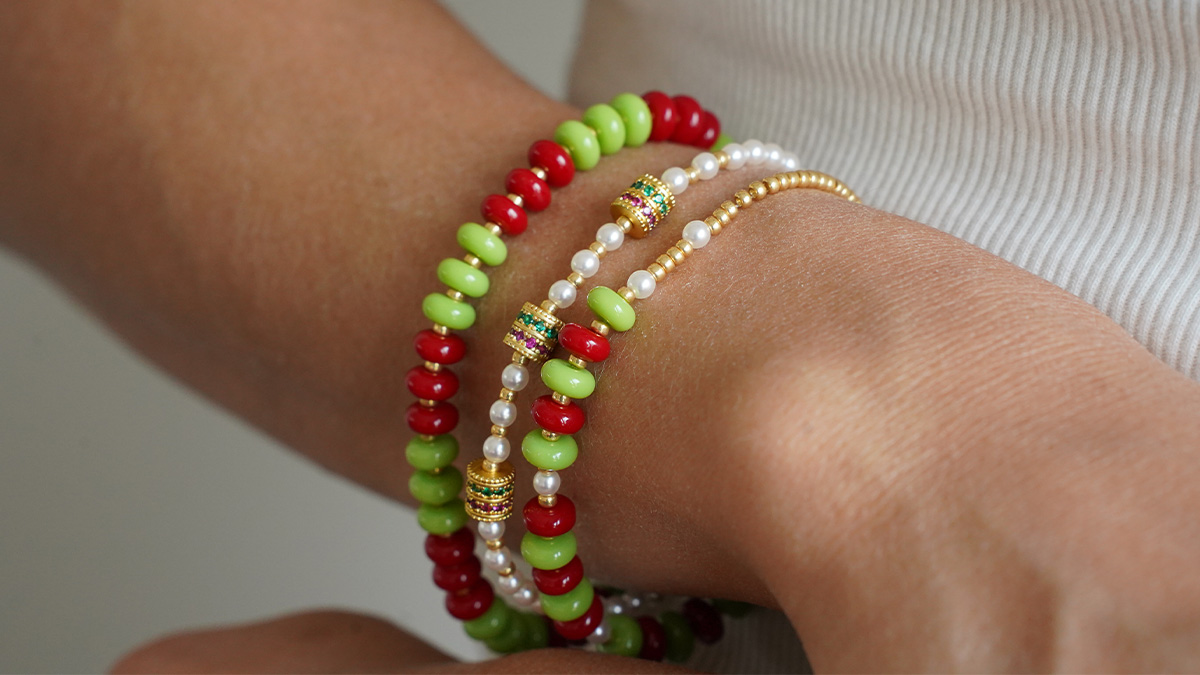
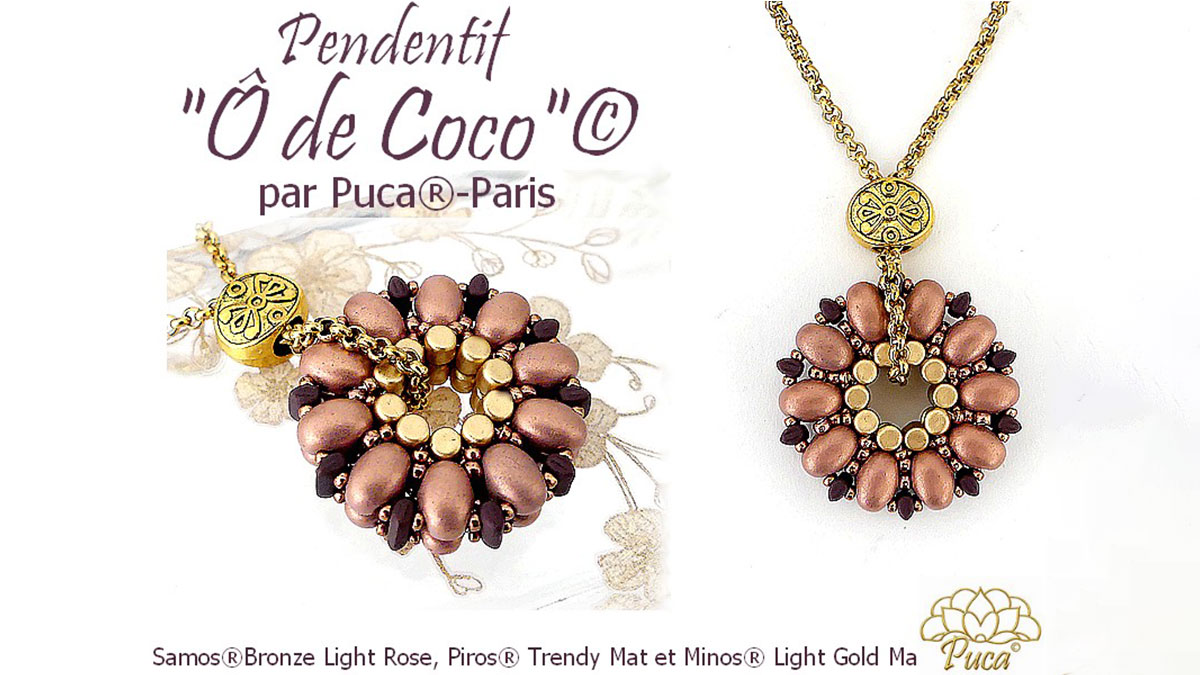
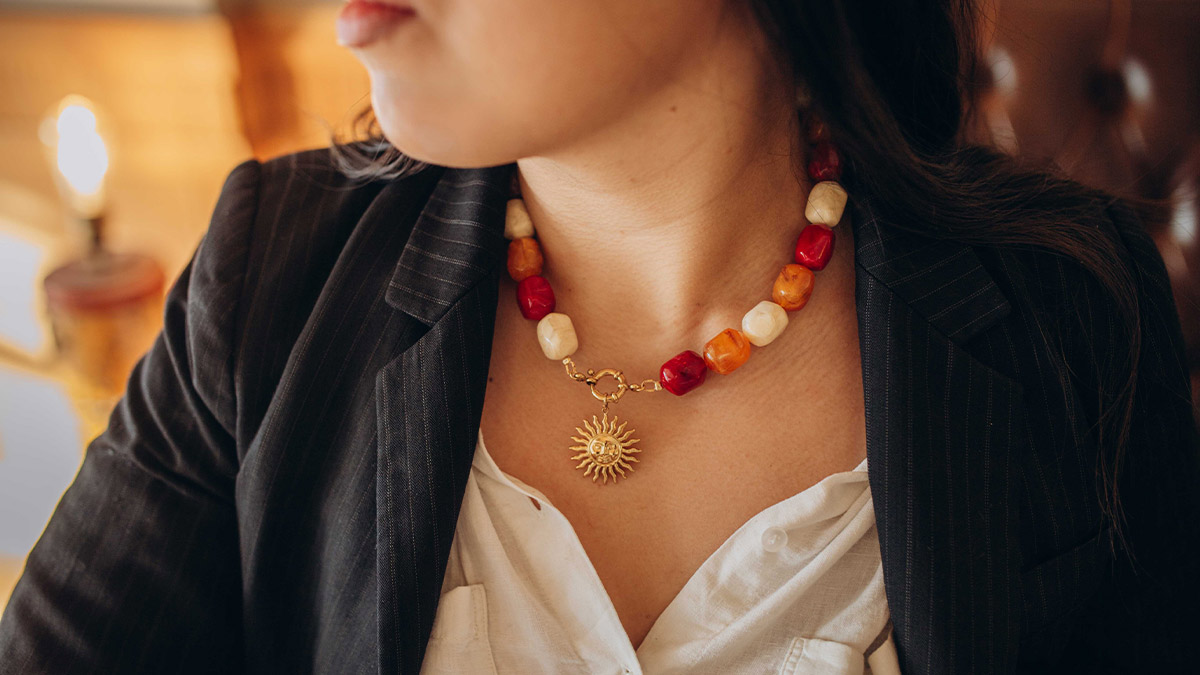
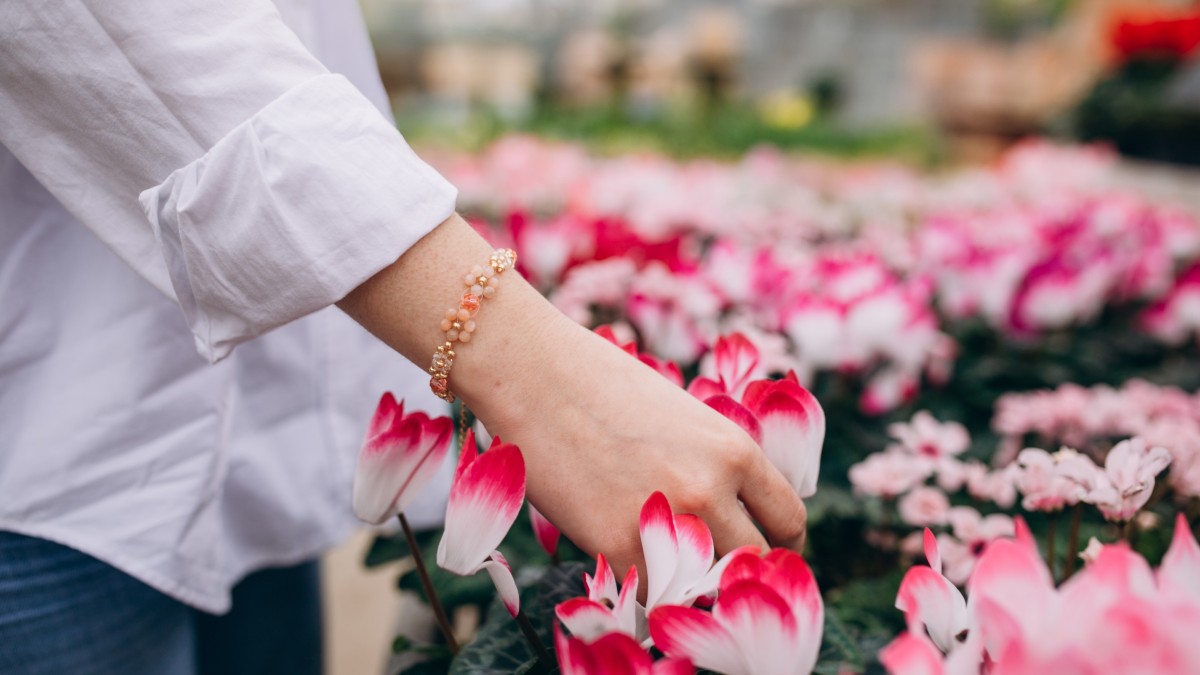
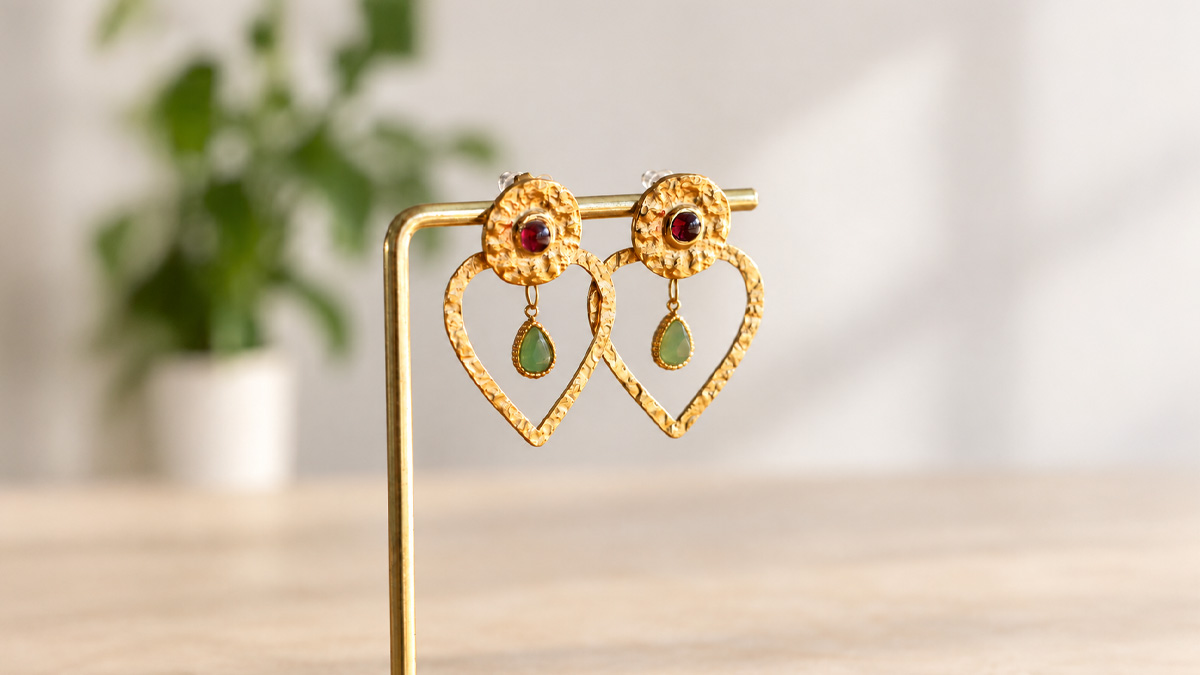
Create your own DIY jewellery in a classic style to enhance your natural beauty, style and personality. Sometimes the classic style is confused with the minimalist style but in reality there is a small difference. The first reason to be seduced by classic jewellery is that you can wear it for any occasion. At the same time chic is discreet you can wear these jewels at work, at a gala or in the evening with friends. The classic is timeless! You will love to create these DIY jewels. The classic style is characterized by refined shapes, clean lines and the elegance of these jewels. It's up to you to create!
Whether you're a beginner or an experienced designer, looking for the perfect gift or new ideas, our free tutorials are designed to guide you through each of your projects from A to Z. Each tutorial details the creation process step by step, including videos, clear explanations, pretty photos and a complete list of the materials needed. Our aim? To inspire you with trendy and original DIY creations.
Select a material (stainless steel, gold filled, freshwater pearls, seed beads, crystal...), a project, a technique, an event, a style and let us guide you!
And to inspire you even further, we've come up with a range of DIY jewellery collections. Visit us every month to discover a new collection based on a trendy and inspiring theme. These collections are enriched by a series of exclusive tutorials, carefully designed and accessible to all, to help you create magnificent DIY costume jewellery.
From making a woman's necklace to designing a man's bracelet, or creating unique earrings and personalised rings, you're bound to find the tutorial you need!
To take things a step further, we've prepared technical sheets on a range of themes to help you get started or perfect your skills.
And for novices, a beginner's jewellery course makes learning even more accessible. It's an invaluable aid for learning the techniques you need to make your own jewellery easily, such as a pearl bracelet or a natural stone necklace.