Average Grades
Bonjour super ce que vous faites pas l’habitude avec filou metallic qu’elle couleur est ce metallic et l’autre merci
1 Answer
Show answers

What is the polymer technique of the Sutton slice?
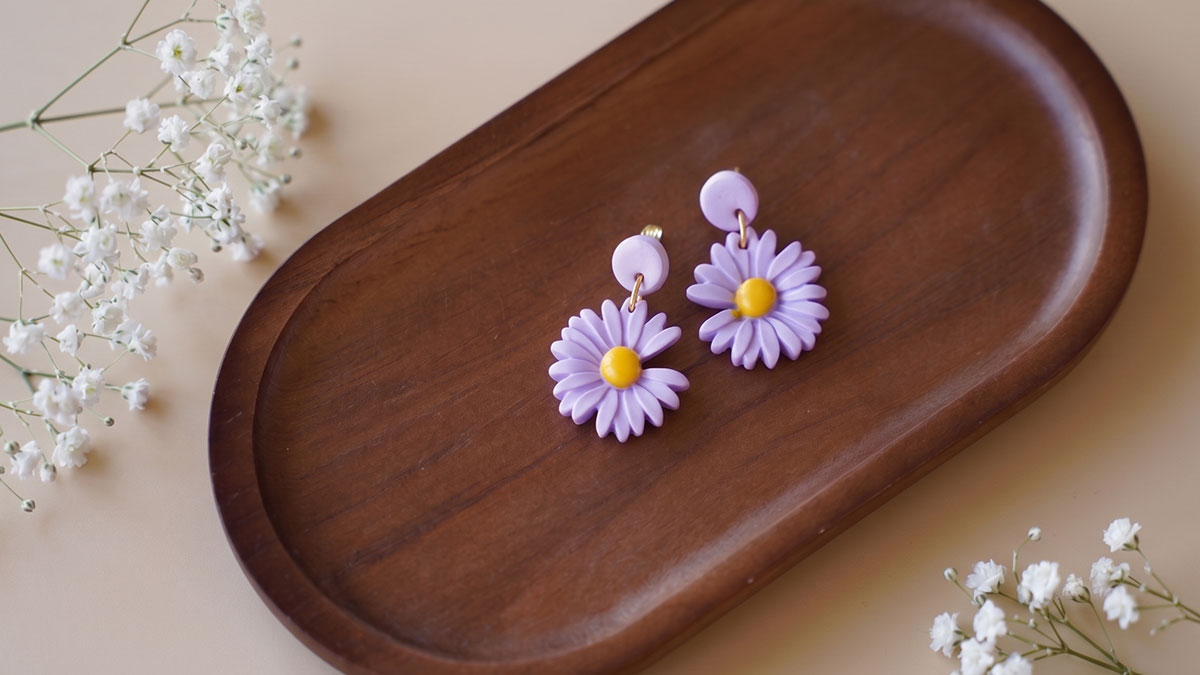
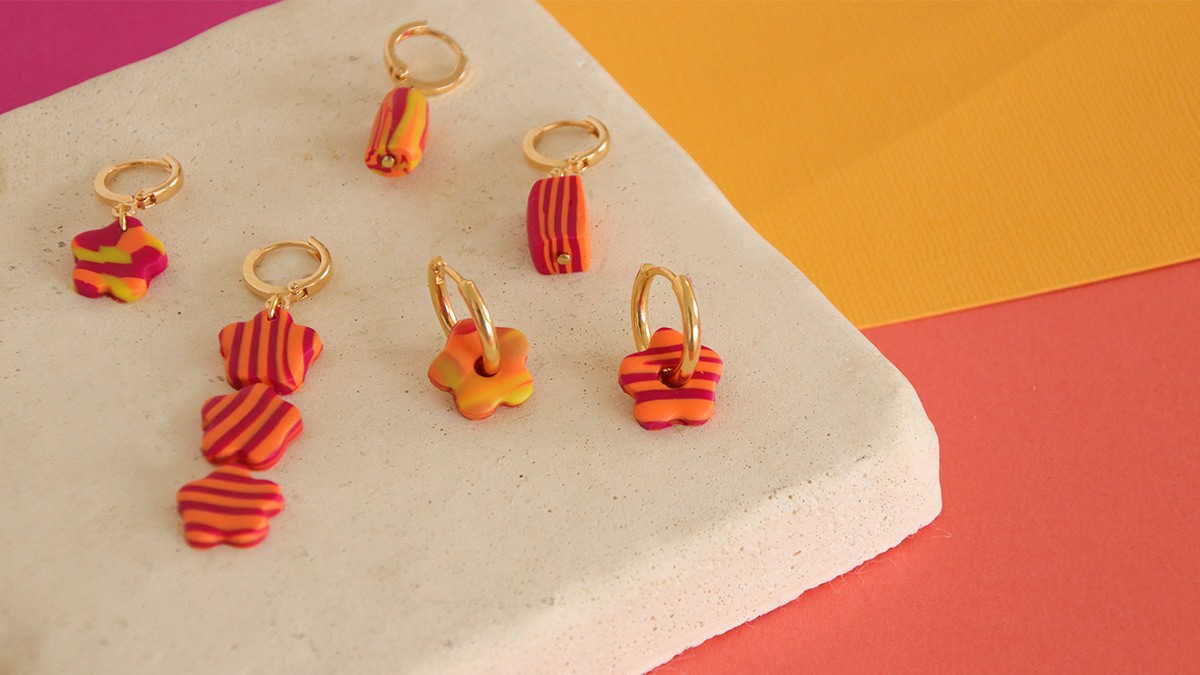
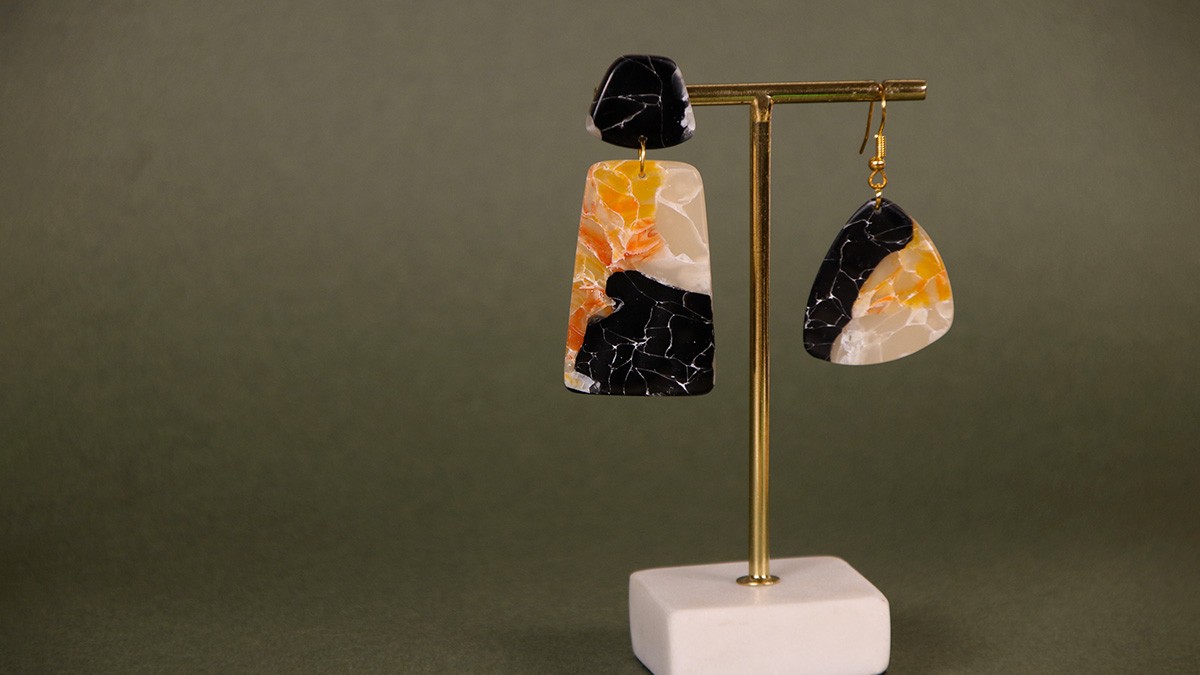
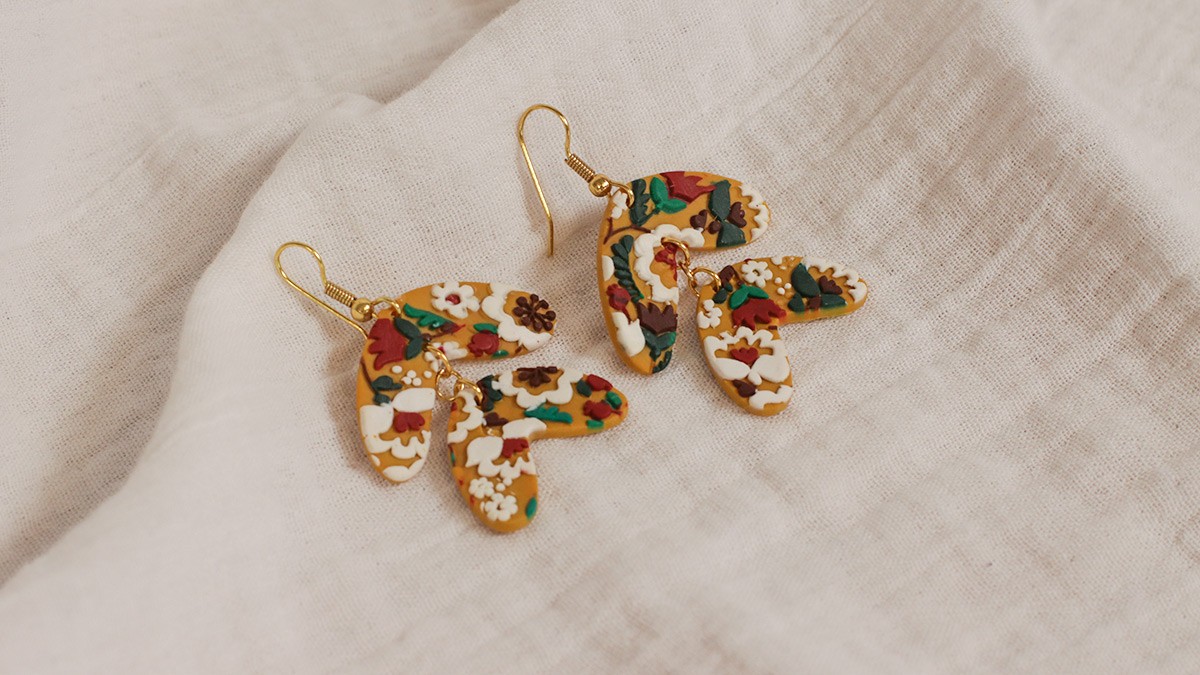
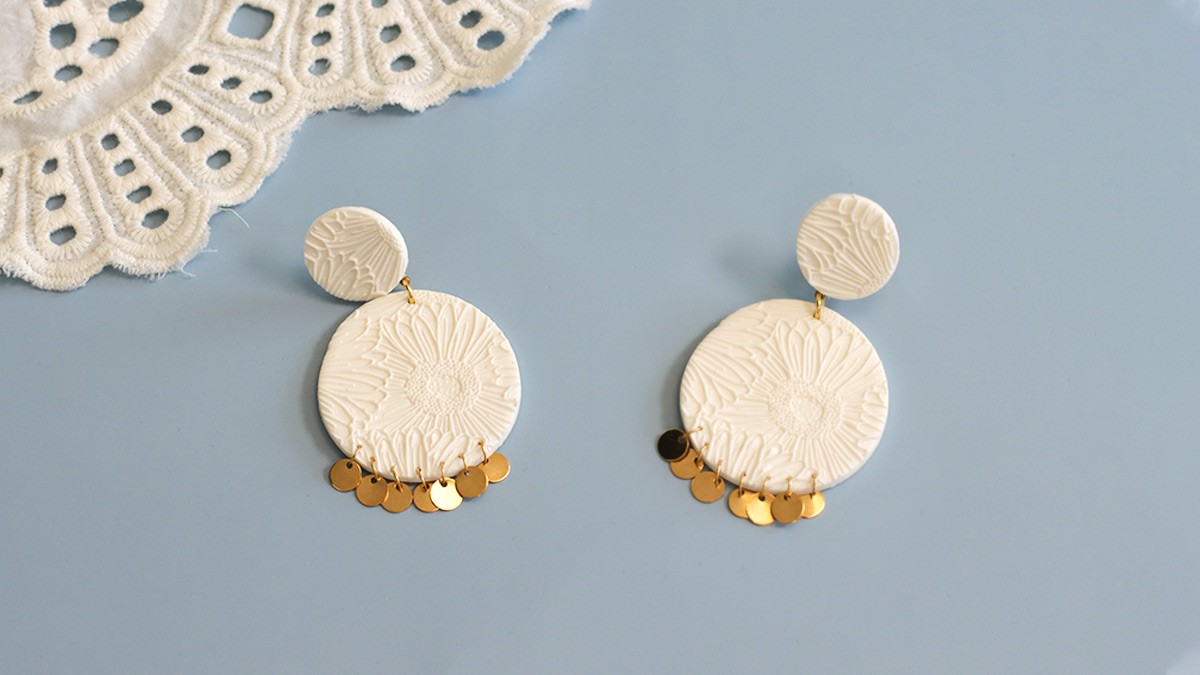
This technique invented by the talented designer Lisa Pavelka is linked to the texture plates she created. She sought a new use for these plates by directly filling all the hollows in the patterns with polymer clay, once this meticulous work has been done, the plate must be turned upside down and put in contact with a different color of paste than the one chosen for the filling the patterns and making them adhere. In this video you can follow the step by step to make a pair of earrings made with this technique without adding any modifications. Today this way of doing things has become an essential technique for polymerists, many variations are emerging with the possibility of working from a plate of degraded colors to deposit the Sutton slice or else to reduce at the end the texture thickness at the end of the creation by passing the roller.
Step 1
To work the Sutton slice in good conditions, it is necessary to choose a texture plate with a deep relief in these patterns, experience will make that over time you will be able to approach texture plates with finer patterns that require precision. . Your baking sheet must be very clean, the choice of dough is also essential, it must above all not be dry, it must be very flexible and that it can adhere to the hollows of the texture.
2nd step
Fill your plate end after end, as soon as an area is covered you must pass a thin blade over the surface to remove the excess paste that covers the silicone of the reliefs, it is this gesture that must be learned to master looking for the position of the blade to see the dough removing without cutting the texture plate.
Step 3
Pass a caramel-colored Fimo dough in the dough machine at a medium notch, three bars of a loaf will be enough to have the same dimensions as the filled plate.
Turn the texture plate over the caramel dough, press down firmly while pushing in your fingers to bring them into contact. Gently lift one end of the baking sheet, if bits of pasta get stuck in the texture you can then press again to bring the pasta into contact.
Step 4
Gently roll a roll over the raised surface without crushing the pasta. Die out the shapes you want to create. Start cooking your pieces in a traditional oven at 120 degrees for 30 minutes.
Step 5
Sand the backs of the pieces and the sides so you don't have earrings with protruding ridges. Drill a hole in each loop with a hand mandrel or a Dremel, pass your ear hooks through the holes or glue your shapes on ear studs.
Advice: do not touch the texture, adding varnish would give a plastic aspect that would spoil this nice technical work.




You have a question about this tutorial? Ask it to our team and the people who have already tested it. The Perles & Co community is here to help you!
Credits
Perles & Co, Internet & E-Commerce company [07/09/2020] Any reproduction, representation, adaptation, in any form whatsoever, even partial, is prohibited, except for reproduction for private use not intended for collective use, representation in the family circle (art. L 122-5 CPI) and online publishing on condition that the source is mentioned and a link is included to the corresponding page of our site www.perlesandco.com.

