Average Grades


Comment se mette les protections pour fil ?
1 Answer
Show answers

To attach a clasp to a necklace or bracelet, the simplest method is to use Crimp beads, which hold the wire in place without weakening it. You can also opt for special pliers or wire protectors for a more professional and durable finish. If you prefer a clasp-free option, elastic thread is an excellent alternative.
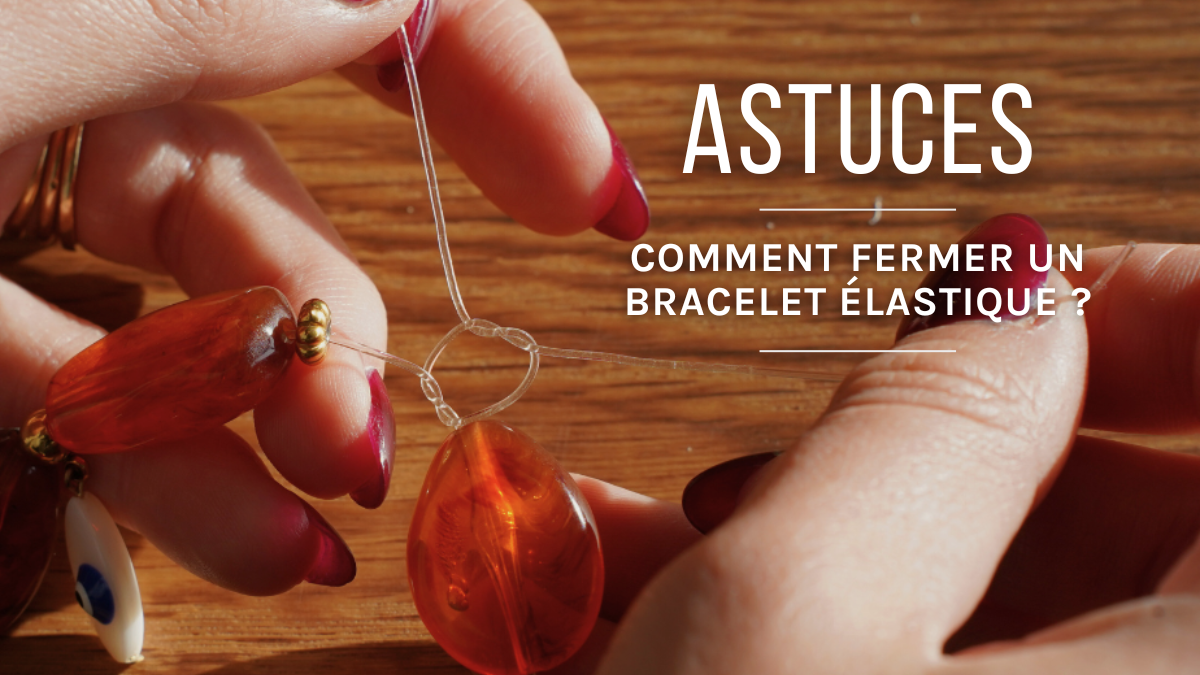
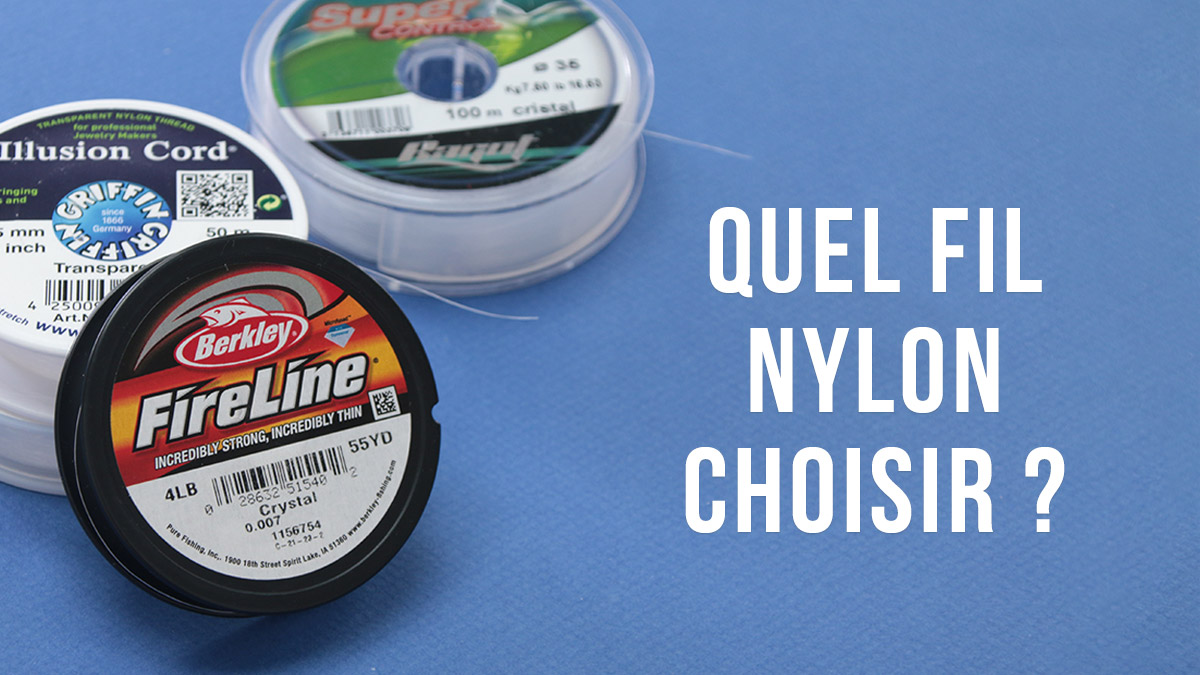
If you're getting into jewelry making, and more specifically necklaces and bracelets, you're probably wondering how to put a clasp on a necklace or how to put a clasp on a bracelet. This article shows you, through a step by step video, how to put a clasp on a nylon or fishing line. This method is also valid with other threads, such as silk thread or cabled thread.
You can also create jewelry without clasps using elastic thread. If you are not familiar with this method, please check it out to learn how to make elastic jewelry.
In this article, we're going to talk a lot about crush beads. To learn all about crush beads and become an expert on the subject, go to the how-to sheet, which shows you how to make pretty finishes with crush beads.
How do you put a clasp on a fishing line? The quickest and easiest way to add a clasp to a thread is to use squeeze beads. You might be tempted to tie it with a knot, but this method won't work if your line is too thick. The knot can come undone easily.
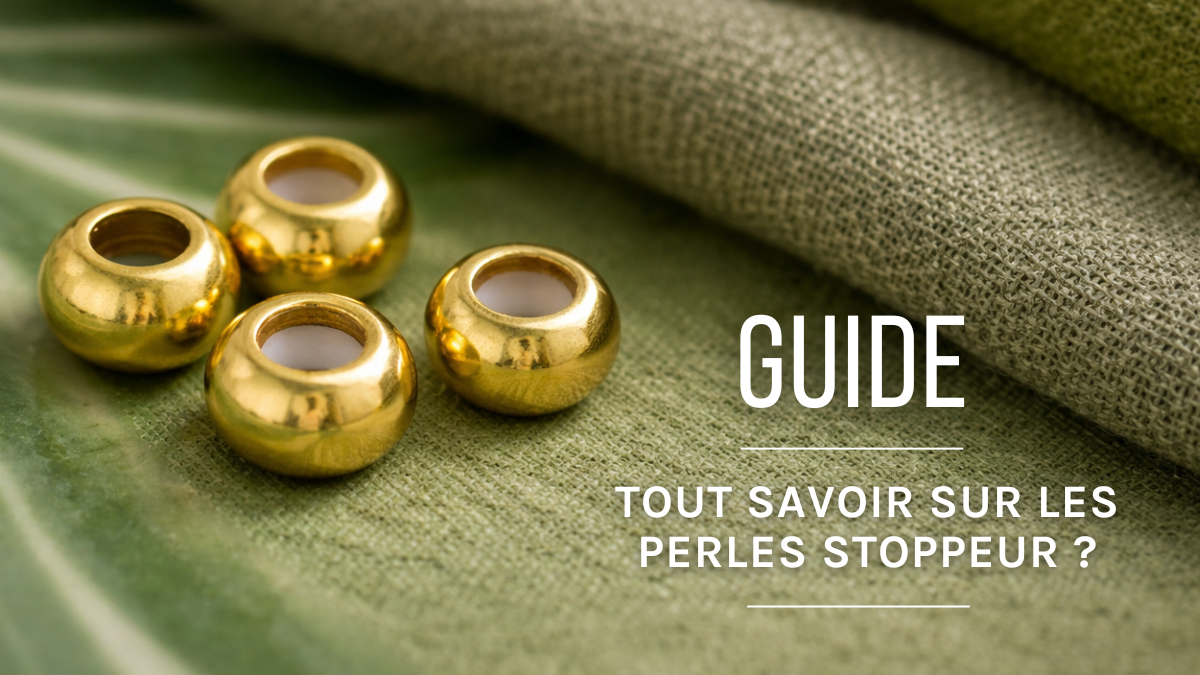
What are crush beads? These are small, soft metal beads that can be simply flattened with a pair of flat tongs. This bead once flattened will block the wire and prevent it from slipping.
Here are the detailed steps for attaching a clasp to a wire:
This method is the easiest and fastest, and also requires the fewest tools and accessories. However, it is not the most durable or professional method. Indeed, flattening the bead on the wire can crush the wire and weaken it. The wire will then be more likely to cut at the bead later, unlike the following methods.
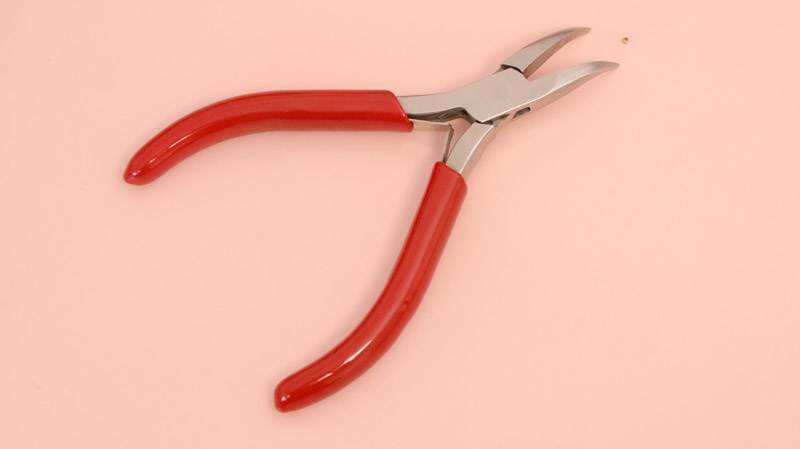
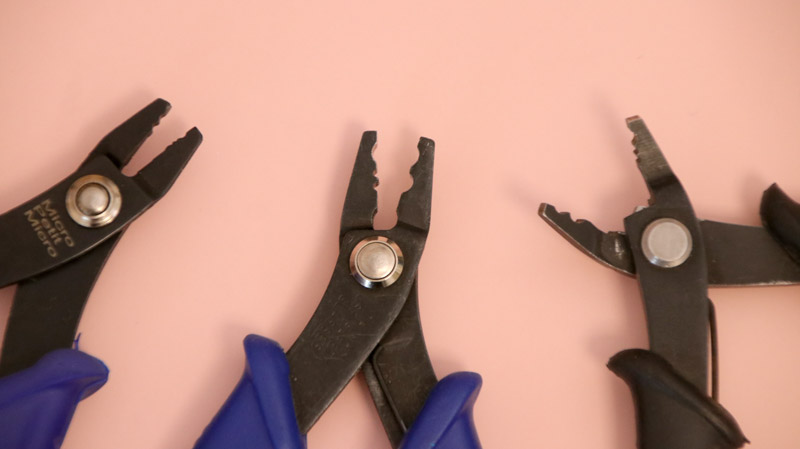
The second method requires a special crushing bead pliers adapted to the diameter of the bead to be crushed. This information can be found on the page of each pliers. Since the bead to be crushed also depends on the diameter of the wire, you may have to buy several crush pliers if you use wires of different diameters. The advantage of these jewelry pliers over flat pliers is that they will flatten the bead while making a fold in the center of the bead. Thanks to the second notch in the pliers, you will then be able to fold the bead in half. Ideally, the two ends of the wire are then on either side of the bead to be crushed folded in half. This method allows you to tighten the bead around the wire without crushing it. You can then put a crush bead cover over it to hide the bead.
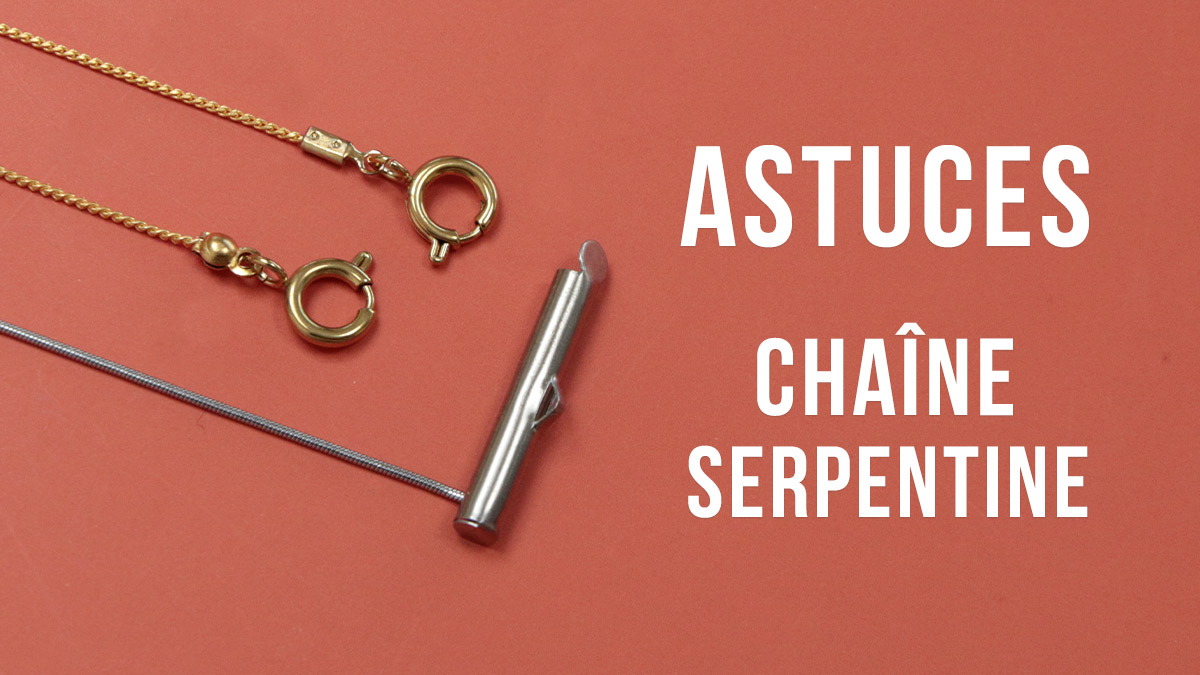
These small "U" shaped accessories will protect the wired wire from friction caused by the clasp and rings. It will prevent the wire from wearing out. They are designed for wired yarns, but you can also use them with other yarns such as silk or nylon for a more professional finish. You don't need special tools to add these primers, but remember to make sure your wire is thin enough to fit through. They do come in several sizes.

There is a special clamp that makes it much easier to make a perfect finish with crush beads than with crush bead clamps. However, it is only suitable for beads with a diameter of 2 mm and a fairly thick wire. For example 0.50 or 0.60 mm. We tested it with 0.35 mm wire, but once the bead was crushed, it did not block the wire. So it is a very good tool, but for a limited number of creations.


Credits
Perles & Co, Internet & E-Commerce company [11/05/2022] Any reproduction, representation, adaptation, in any form whatsoever, even partial, is prohibited, except for reproduction for private use not intended for collective use, representation in the family circle (art. L 122-5 CPI) and online publishing on condition that the source is mentioned and a link is included to the corresponding page of our site www.perlesandco.com.