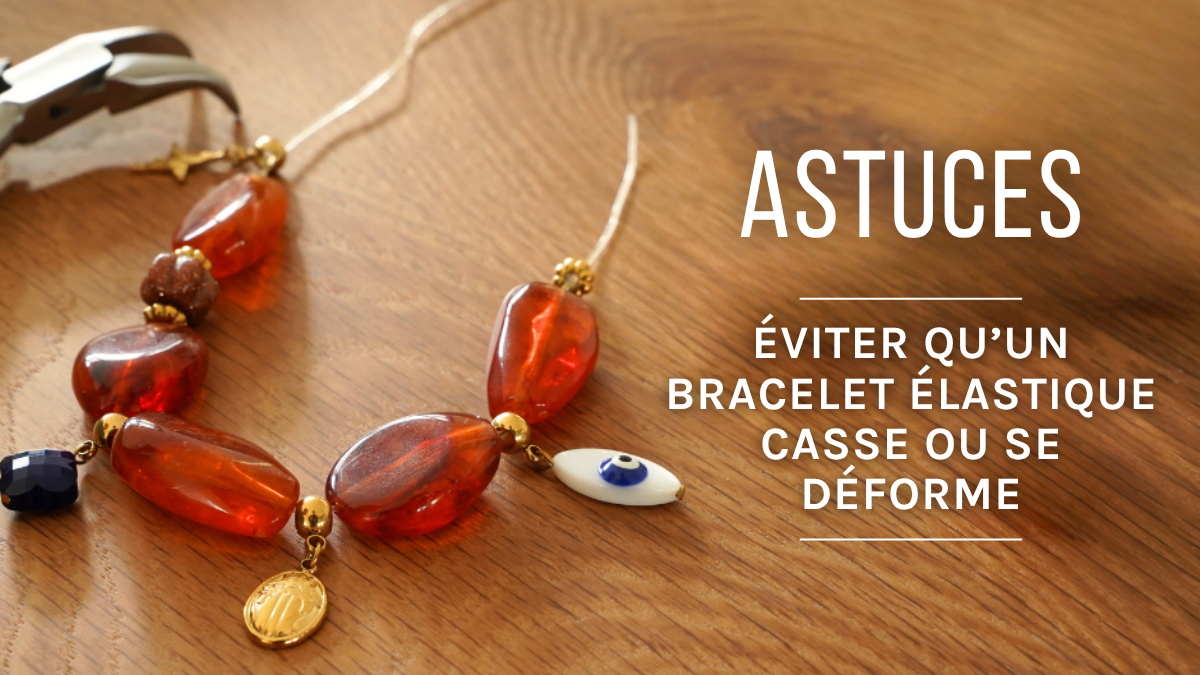
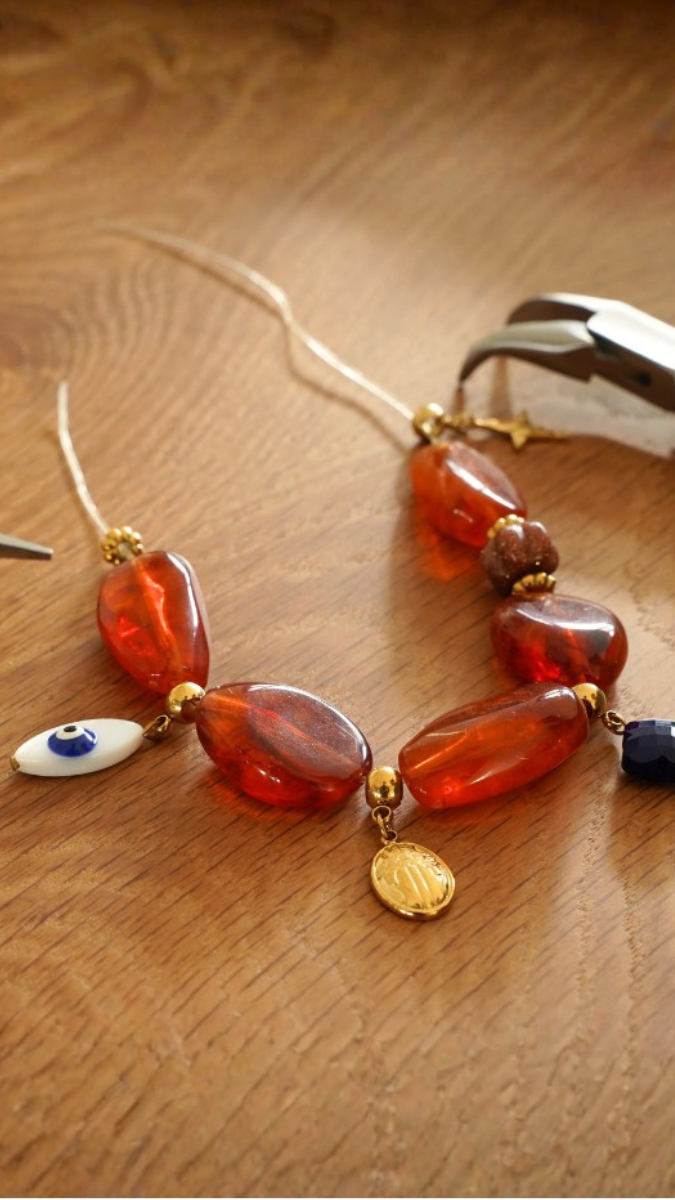
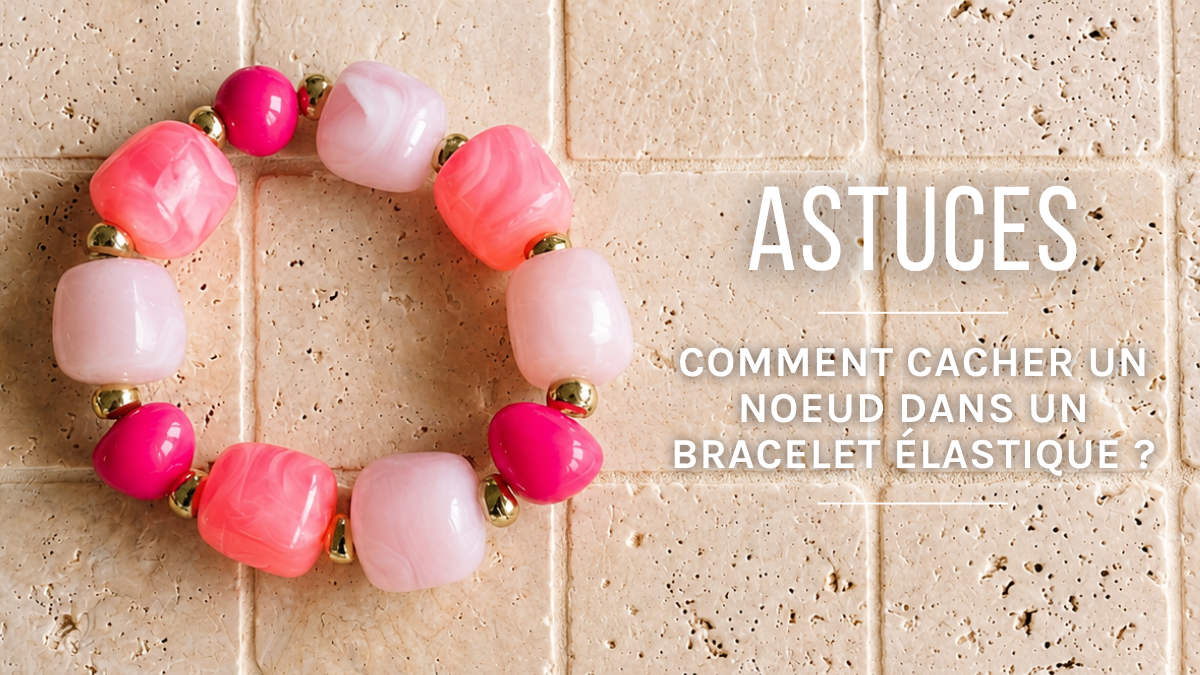
You've just finished your bracelet but a few minutes later it breaks? Is the knot coming undone? After just 1 week, it's deforming and becoming loose? This technical data sheet will answer all these questions, giving you techniques and tips to make and keep your elastic bracelet longer.
The knot unravels
1- The knot used doesn't fit the thread:
This is the number-one cause of bracelets that open. Elastic thread is difficult to knot. Depending on its elasticity and thickness, a simple double knot won't hold: they slip and eventually unravel, sometimes even within the first few minutes of use.
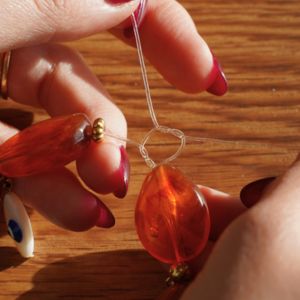
The recommended technique is the surgeon's knot: it wraps the thread twice in the first loop, giving it much greater strength than a conventional knot. Once the knot has been made, tighten it from the inside of the bracelet (by pulling from the inside of the circle) so that it remains invisible and well anchored. For added security, you can add a dot of glue to the knot before letting it dry.
In some cases, especially with very thin or very elastic wire, the capuchin knot is a solid alternative, but requires doubling the wire.
The wire breaks shortly after finishing the bracelet.
2- Metallic or sharp elements have damaged the wire:
The problem is not always the elastic wire itself. The use of metal elements such as crush beads or sharp beads is not recommended, as they can damage the wire even if it seems appropriate at first.
Glass beads with sharp edges, cut metal beads, or even some natural stone beads with poorly finished holes can produce the same effect. The thread appears intact at the time of finishing, but the cut occurs with wear, a few days or weeks later.
Solution: choose beads with smooth holes and avoid crush beads on elastic wire. If you still wish to use metal elements, insert small seed beads on each side to protect the wire from friction.
3- The bracelet is too tight :
You may also have made a bracelet that's too tight for your wrist. The elastic bracelet shouldn't be too tight on your wrist, but it shouldn't be too loose either.
It's also important to adapt the size of your bracelet to the elasticity potential of the thread, as an inflexible thread can break when you try to put it on if the bracelet is too tight.
Tip: When putting on an elastic wire bracelet, don't stretch it to thread it. Roll it up to your wrist.
The bracelet will relax a few days after completion:
4- The wire has not been pre-stretched:
All elastic threads have a natural "running-in" behavior: when first used, they stretch slightly and permanently before stabilizing. If you don't pre-stretch your wire before making the bracelet, your wrist will do the work, and the bracelet will become loose within a few days.
The solution is simple: before threading the first bead, unwind the length of wire you need and pull it gently but firmly along its entire length. Repeat the operation 2 or 3 times. The wire will lengthen slightly, then stabilize at its new resting length. It is this stabilized length that you will use to measure your bracelet.
This step, often overlooked by beginners, makes a significant difference to the bracelet's durability.
5- The wire you've chosen is not suitable for beading or design:
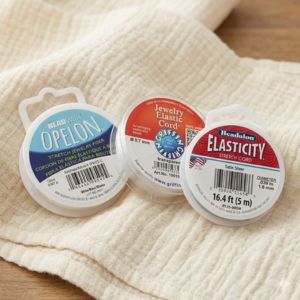
Also check that you've used the right wire with the right beads by consulting our technical data sheet: " Which elastic wire should I choose to make jewelry? ". Beads that are too heavy for the wire will stretch it prematurely, as will bracelets that are too tight on the wrist.
Reasons why elastic wire deteriorates
6- The thread has been exposed to external elements that have weakened it:
Elastic threads are made of plastic known as elastomer. Elastomers are weakened by various external factors: heat, UV rays, salt, chemicals and perspiration. To preserve your elastic thread for as long as possible, follow these tips:
- Keep your elastic thread spools and creations away from heat and light. Don't leave them in the sun in front of glass.
- Don't wear your elastic-wire jewelry to the beach because of the sea salt.
- Don't wear perfume or cream on your wrist.
- Avoid wearing elastic bracelets if you know you're going to sweat a lot, especially in summer, or take them off if you do. This will protect your pearls too.
- Remove your bracelets when you wash your hands, as soap and limescale can also damage them.
3 gestures that change everything
The vast majority of elastic bracelets that break or warp can be saved by applying three simple rules: pre-stretch the wire before threading the beads, make a tight surgeon's knot secured with glue, and choose the right wire diameter according to the weight and size of the beads.