Average Grades
Free shipping on orders over 50€ up to 500g
French Online shop for beads and accessories for the creation of DIY jewellery and other creative hobbies
Log-in
0
Shopping cart
Shopping cart
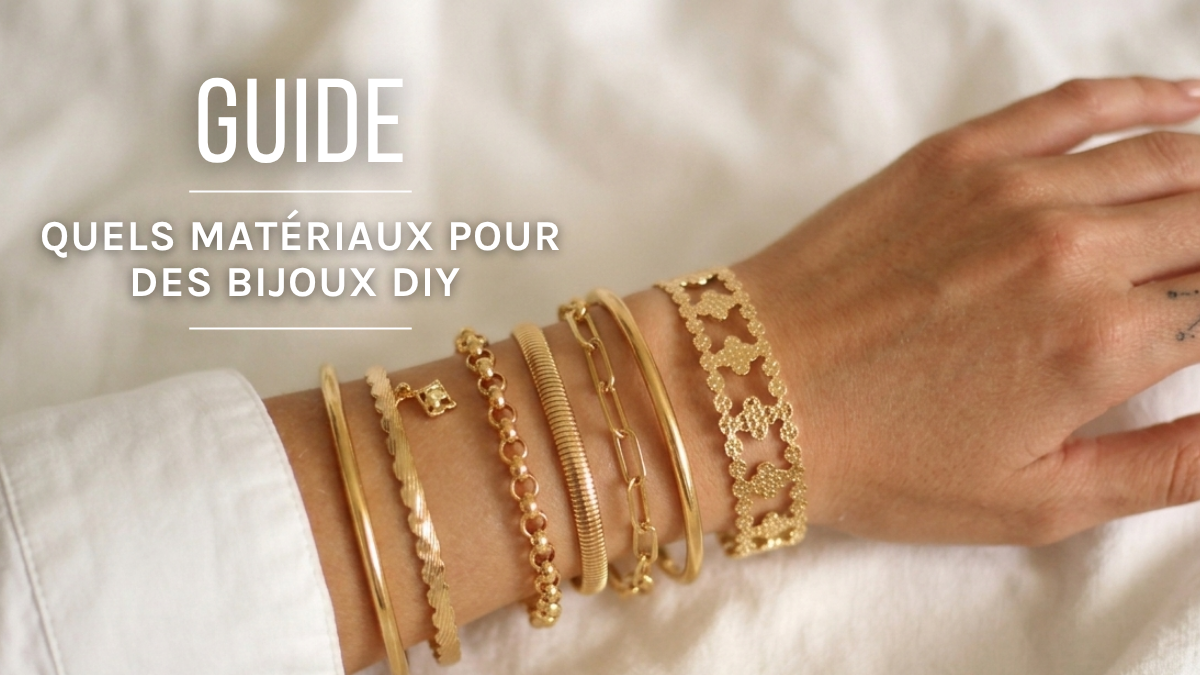
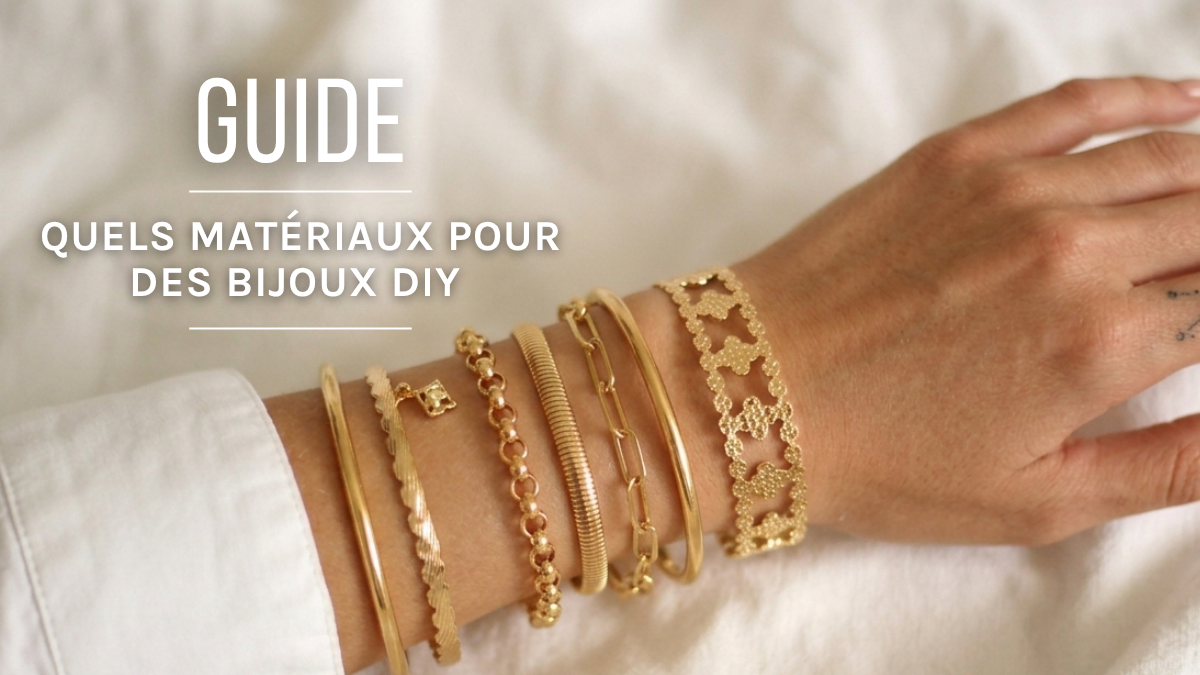
For jewelry that lasts, choose Gold Filled or 925 Sterling Silver. If you want a tough, hypoallergenic material, opt for stainless steel. For a start without breaking the bank, brass is perfect. Gold plating, on the other hand, is well suited to pieces worn regularly, but not on a daily basis.
You're starting a handmade jewelry project and one question is blocking everything: what metal should you use? Gold Filled, gold-plated, 925 Sterling Silver, stainless steel... The terms sound the same, but the differences are enormous. Durability, price, sensitive skin compatibility: each material has its strengths. This guide compares them all!
Material | Durability | Price | Allergy risk | Care | Recommended use |
Gold Filled | ⭐⭐⭐⭐⭐ | €€€ | Very low | Easy | Premium jewelry, daily wear |
Gold-plated | ⭐⭐ | € | Low | Delicate | Gold-plated jewelry, regular but not daily wear |
925 Sterling Silver | ⭐⭐⭐⭐ | €€€ | Very low | Medium | Timeless jewelry, fine workmanship |
Stainless steel | ⭐⭐⭐⭐⭐ | € | Near-zero | Very easy | Durable jewelry for everyday wear |
Brass | ⭐⭐ | € | Medium | Medium | Accessible jewelry |
Vermeil | ⭐⭐⭐ | €€€€ | Very low | Medium | Dressed jewelry, luxury finish |
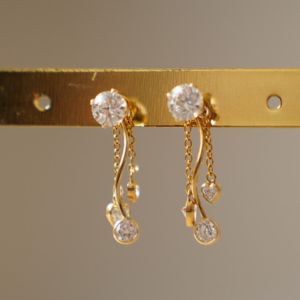
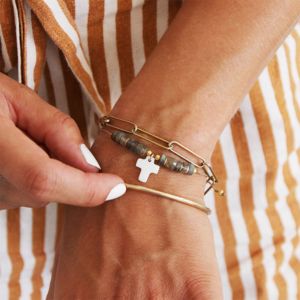
Gold Filled consists of a brass (or sometimes silver) core covered with a layer of genuine gold mechanically bonded under pressure and heat. The gold layer represents at least 1/20th of the coin's total weight (5%), and is regulated.
Advantages:
Limitations:
This is the leading material for creating long-lasting costume jewelry for everyday wear. Ideal for rings, chains, connectors and clasps.
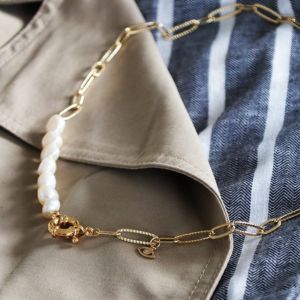
Gold plating is a base metal (often brass or copper) electroplated with a thin layer of gold. This layer must be at least 3 microns thick. It is thinner than Gold Filled.
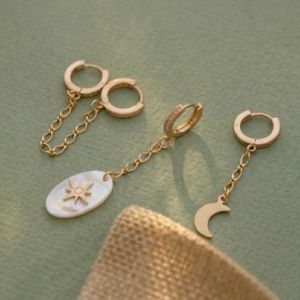
Advantages :
Limitations:
Gold plating is ideal for occasional wear.
925 Sterling Silver contains 92.5% pure silver and 7.5% other metals, usually copper. This precise dosage gives it strength and malleability. It is the international standard for silverware.
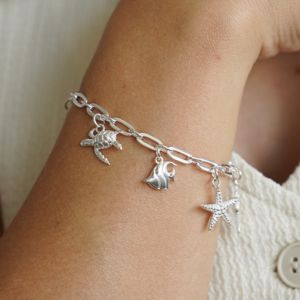
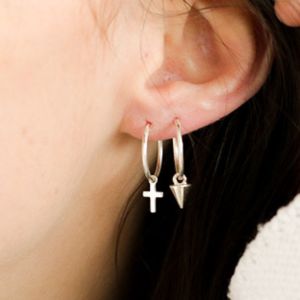
Advantages :
Limitations :
925 Sterling Silver is the reference choice for creating professionally finished rings, earrings and pendants.
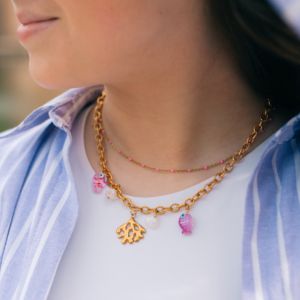
Stainless steel comes in several types: 304, 316, 303, 316L, 304L, etc. The most resistant, especially in contact with water, is 316L stainless steel, also known as surgical steel. It is one of the safest metals for reactive skin.
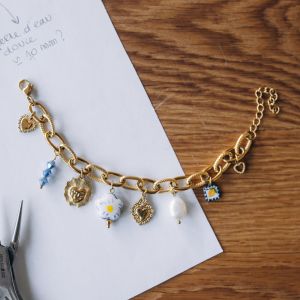
Advantages:
Limitations :
Stainless steel is perfect for trendy unisex jewelry, creations for everyday wear even in summer, or children's accessories.
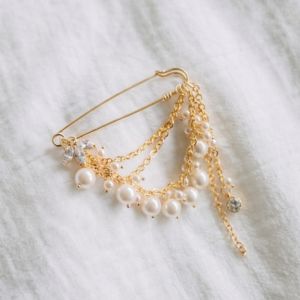
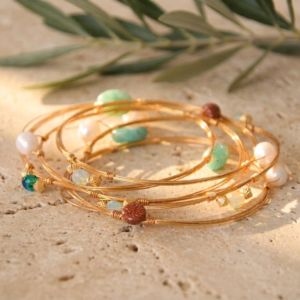
Brass is an alloy of copper and zinc. In fact, it's the base metal for Gold Filled and gold-plated jewelry. In DIY jewelry, it comes in charms, beads, primers and various components.
Advantages:
Limitations:
Brass is the metal of choice for prototypes and textured or patinated creations. It also serves as a base for Gold Filled wires: if you're looking for a similar look without the cost, it's a good starting point for testing your designs before investing.
Less well known than the others, vermeil is a precious metal. It refers to 925 Sterling Silver with an 18-carat gold plating and a minimum thickness of 5 microns. It is a regulated designation in several countries.
Advantages:
Limitations:
Vermeil is ideal for dressy jewelry worn for special occasions, or for high-end creations as gifts.
The right question isn't "which metal is best", it's "for whom and for what am I creating this jewelry?"
Now that you know all about materials, find out what equipment you'll need before you start creating DIY jewelry!
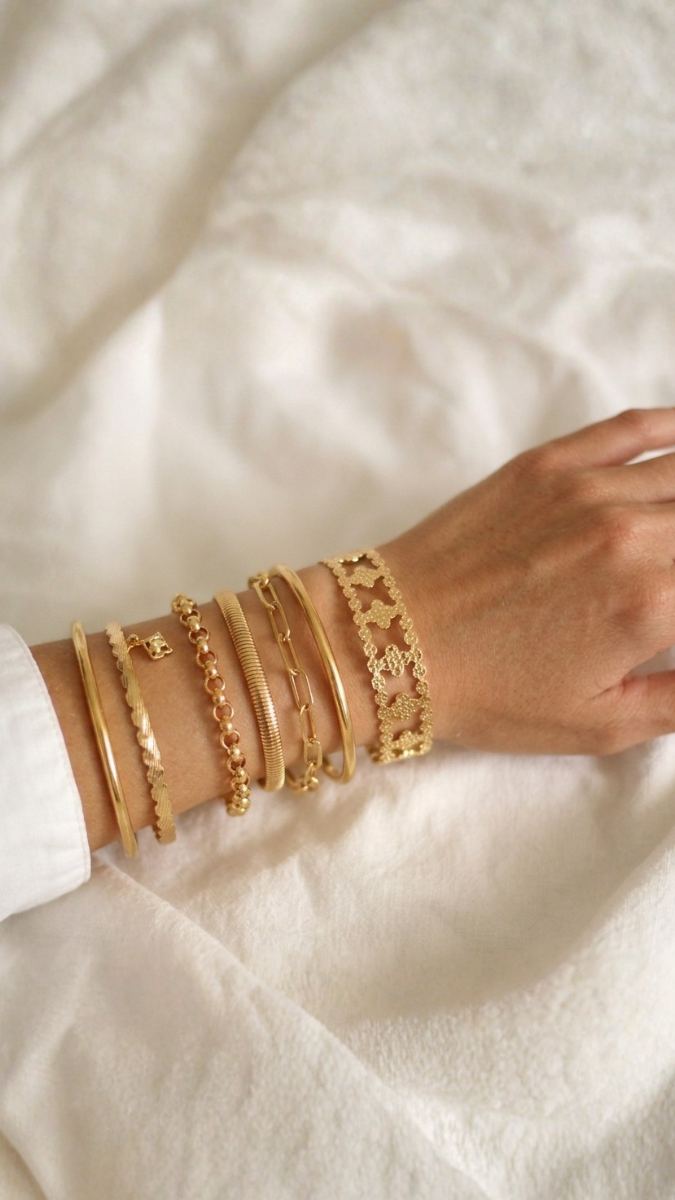

In the vast majority of cases, yes. 925 Sterling Silver is well tolerated by sensitive skin. In rare cases, the allergy is caused by copper (the remaining 7.5%), in which case 316L steel or Gold Filled are preferred.
316L stainless steel is water-resistant. Gold Filled too, in moderation. On the other hand, brass, gold-plated, vermeil and 925 Sterling Silver should be kept away from prolonged exposure to water, soaps and perfumes to preserve their lustre.
For a quality gift, choose Gold Filled, stainless steel or 925 Sterling Silver. These three materials offer longevity, a precious touch and are largely hypoallergenic. Silver vermeil is also an excellent option for dressy jewelry.
Yes, it's even one of the most recommended metals for earrings for people allergic to nickel. Grade 316L (surgical) is the most recommended.



Credits
Perles & Co, Internet & E-Commerce company [28/05/2026] Any reproduction, representation, adaptation, in any form whatsoever, even partial, is prohibited, except for reproduction for private use not intended for collective use, representation in the family circle (art. L 122-5 CPI) and online publishing on condition that the source is mentioned and a link is included to the corresponding page of our site www.perlesandco.com.
