Average Grades
Free shipping on orders over 50€ up to 500g
French Online shop for beads and accessories for the creation of DIY jewellery and other creative hobbies
Log-in
0
Shopping cart
Shopping cart
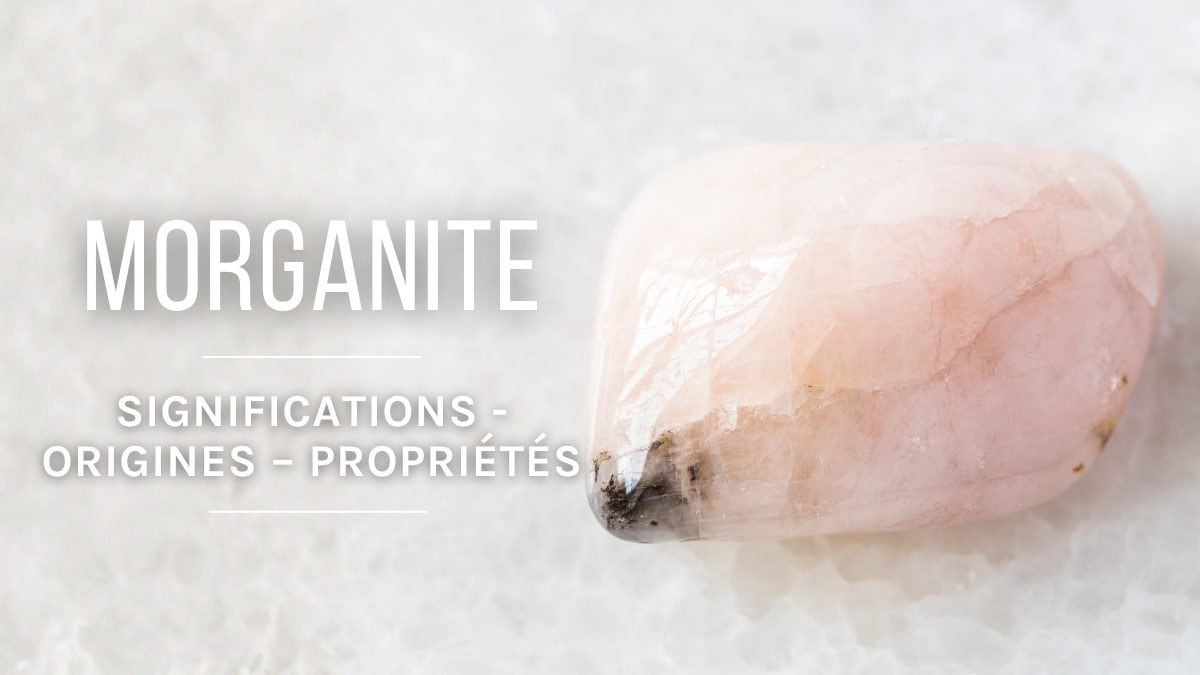
Morganite is a gemstone with delicate pink hues, primarily mined in Madagascar, Brazil, and Mozambique. Prized for its elegance, it stands out for its clarity and hardness, making it perfectly suited for refined jewelry designs. Ideal for adding a romantic touch, it is often paired with silver or gold metals, creating unique and modern pieces.
Morganite, with its delicate shades of pink and refined luster, captivates with its understated charm and beneficial properties. This gemstone, both elegant and subtle, not only adds a romantic touch to your DIY jewelry creations but is also prized in crystal healing for its properties associated with unconditional love. Use our morganite beads to create unique fashion jewelry, and let our natural stone jewelry tutorials guide you.
Originally called pink beryl, this pink-colored stone owes its name “morganite” to gemologist George Frederick Kunz. He named it in honor of his friend and mineral collector, the American banker John Pierpont Morgan. This mineralogy enthusiast contributed significantly to the expansion of mineral collections in American museums.
This gemstone was discovered in the early 20th century. It is not associated with any legends, myths, or stories.
The most famous morganite comes from Madagascar. Cut into a cushion shape, it weighs nearly 600 carats. It is on display at the British Museum in London.
Two other notable specimens, from Brazil, are housed at the Smithsonian Institution in Washington.


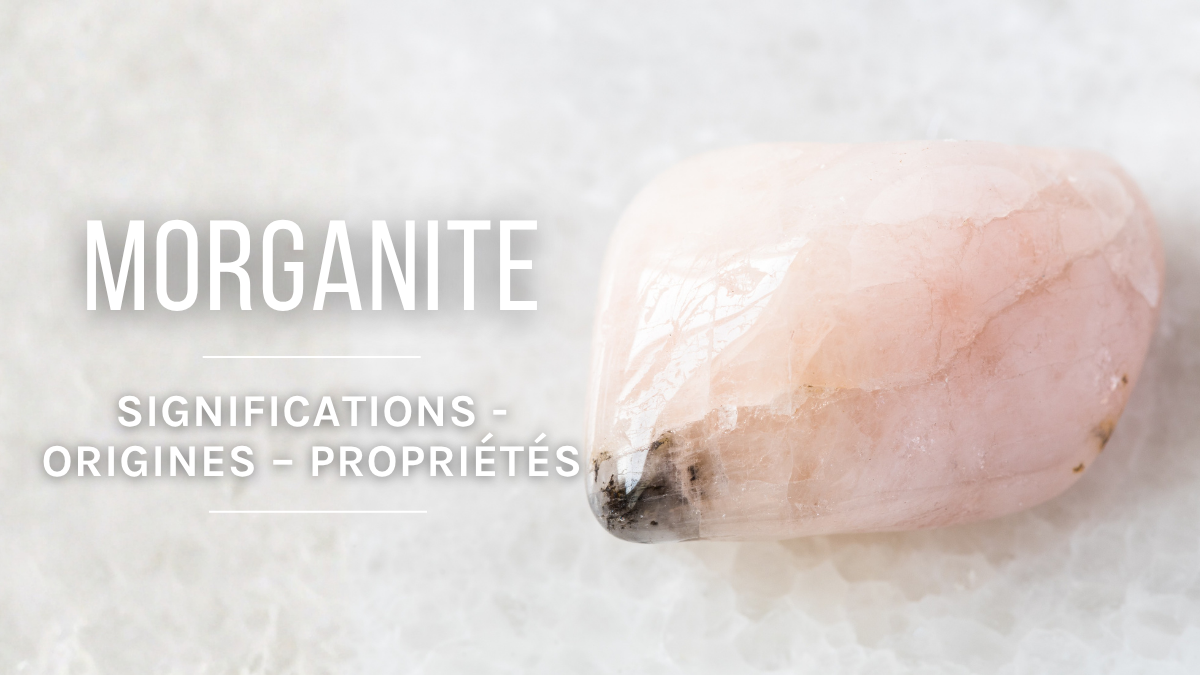
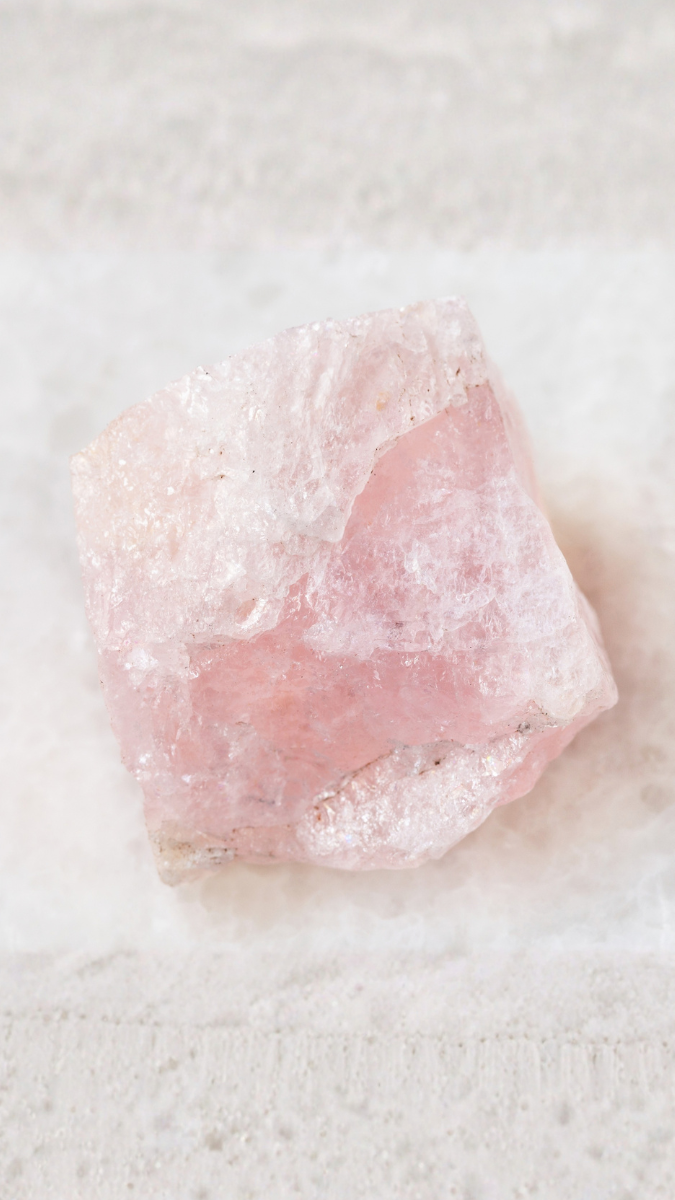
Morganite is a gemstone with a color palette ranging from pale pink to orange-pink, including salmon pink. Its pinkish hue is due to the presence of manganese in its composition.
Transparent to translucent, it often exhibits remarkable clarity with a vitreous luster.
The “Peach Blossom” variety is distinguished by its unique color. Unlike more common morganites, which may have deeper shades of pink, it is characterized by a light pink often mixed with hints of peach.
Because of its color, it is sometimes mistaken for pink tourmaline, rose quartz, or kunzite.
Likeaquamarine, it belongs to the beryl family. It has a hardness of between 7.5 and 8 on the Mohs scale and a density of between 2.6 and 2.9 g/cm³, making it durable enough for everyday use in jewelry.
This natural stone is primarily mined in Brazil, but high-quality deposits are also found in Madagascar, Mozambique, Afghanistan, and the United States (particularly in California).
Some believe it to be the stone of universal love. It is said to help open the heart by fostering compassion, tenderness, and unconditional love. In crystal healing, it is a soothing stone capable of reducing stress and anxiety, bringing a sense of inner peace and tranquility.
Like many pink stones, morganite is associated with the heart chakra. It is said to help open, balance, and heal the heart chakra, thereby fostering feelings of inner peace, self-love, and love for others.
If you were born under the zodiac sign of Libra, this gemstone is perfect for you.
Please note: Our gemstones are not sold for use in crystal healing. The effects of gemstones have not been scientifically proven. Natural gemstones are in no way a substitute for medical expertise or medical treatment.
To fully enjoy the benefits of this natural stone, it is recommended that you cleanse and recharge it regularly.
To purify it, pass this pink stone through the smoke of incense or white sage for a few minutes.
To recharge it, expose it to the light of the full moon overnight. To enhance this process, you can place it on a cluster of quartz or inside an amethyst geode.
The pinkish hues of this gemstone pair perfectly with silver or gold metals. Create DIY jewelry using 925 Sterling Silver or stainless steel for a modern and refined style. Gold-colored metals, such as Gold Filled or gold-plated, will add classic elegance to your creations.
Which stones pair well with morganite? In crystal healing, morganite—known as the stone of unconditional love—can be paired with several other stones to amplify its energies and create a harmonious synergy:
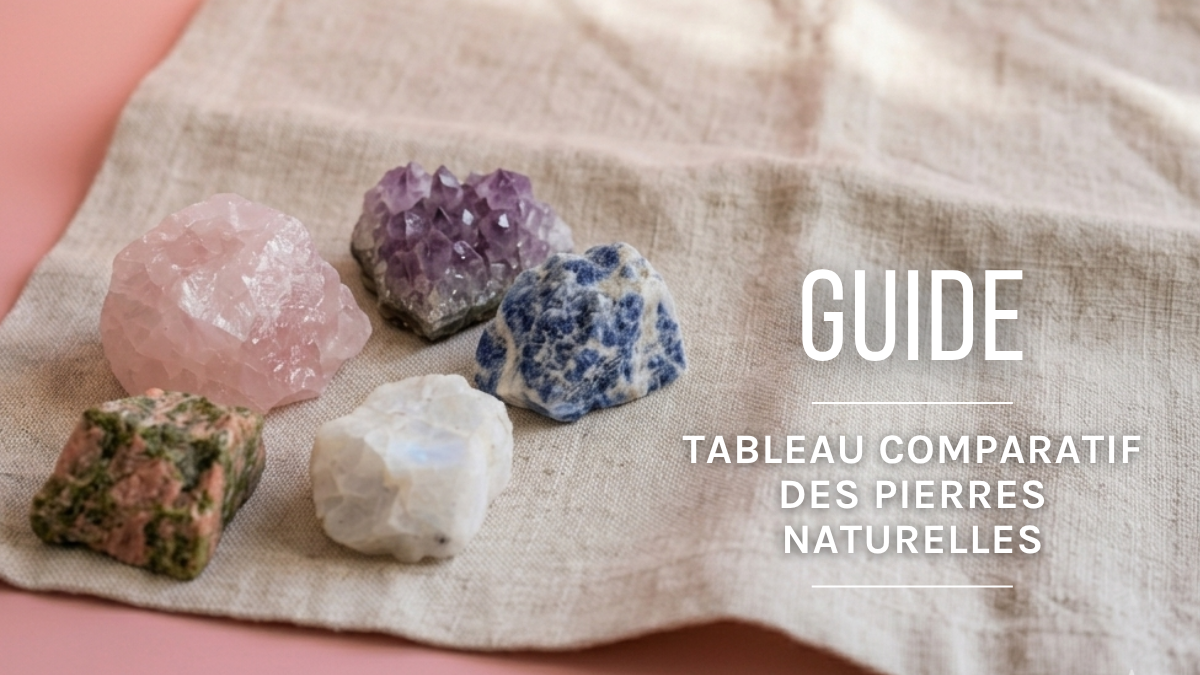
Rose quartz, also a stone of love and compassion, pairs perfectly with morganite to amplify energies of gentleness, emotional healing, and self-love.
Amethyst, with its soothing and spiritual properties, can help strengthen the spiritual connection while bringing a sense of inner peace when paired with morganite.
Aquamarine is ideal for encouraging communication and emotional expression. When paired with morganite, it promotes harmonious relationships and greater mutual understanding.
Known for its soothing properties and its ability to enhance intuition, moonstone can help balance emotions when combined with morganite.
Labradorite, often used for protection and transformation, can be paired with morganite to help overcome emotional fears and build self-confidence.
There are no hard and fast rules regarding stone combinations, as this often depends on the intentions and energies you wish to cultivate.
On the other hand, there are stones that should not be paired with morganite because their energies are too different:
Hematite is a very powerful stone of protection and grounding. Its earthy, grounding energies can sometimes clash with the gentle, high vibrations of morganite, which is more focused on unconditional love and emotional healing. This doesn’t mean they can never be used together, but the combination might not be ideal if you’re looking to amplify morganite’s soothing qualities.
Like hematite,black obsidian is a stone of intense protection and purification. It is deeply rooted in earth energy and may be perceived as too powerful or raw when paired with morganite, which is a gentler and more subtle stone.
Pyrite is a stone of manifestation, abundance, and protection. It has a very dynamic and active energy, which might not harmonize perfectly with morganite, especially if you’re looking to cultivate peace and serenity.
Credits
Perles & Co, Internet & E-Commerce company [20/08/2024] Any reproduction, representation, adaptation, in any form whatsoever, even partial, is prohibited, except for reproduction for private use not intended for collective use, representation in the family circle (art. L 122-5 CPI) and online publishing on condition that the source is mentioned and a link is included to the corresponding page of our site www.perlesandco.com.

