Average Grades
Ich brauche Irgendetwas um auf Ohringe Glitzer aufzubringrn, was nehme ich da am besten
1 Answer
Show answers


Liquid polymer, used for a variety of creations, is available in translucent, opaque and metallic, with brands such as Fimo, Kato Polyclay and Sculpey offering suitable options. It can be used to create toppings, protect surfaces or bond parts, with firing times varying according to the product. For ceramic effects or moldings, it is easily mixed with inks or used in specific molds.
Data sheet on liquid, translucent and opaque polymeric pastes.
Card realized by karine
How to use liquid polymer? What's the point ?
The liquid polymer is, as its name indicates, a fluid polymer paste of viscous consistency.
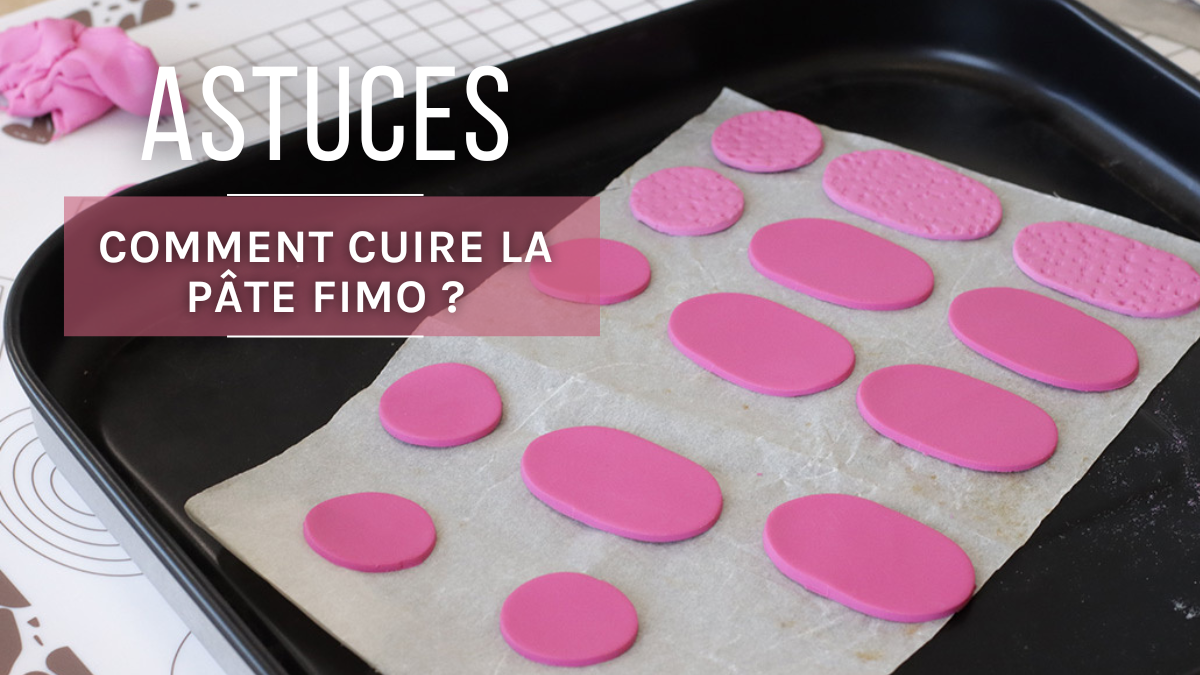
The best known of these is the translucent, the manufacturers of Fimo and Kato Polyclay paste have this product in their range, it is even more transparent at Sculpey spread in fine thickness. The cooking varies according to the brand, the temperature and time indications appear on the packaging of the products, for example at Sculpey it is necessary to bake at 130 degrees for 15 minutes and for the liquid polymer at Kato Polyclay, 150 degrees for 10 minutes.
There are also opaque and metallic liquid polymers, you will find at Fimo and Sculpey, white, black, gold, silver, and at Sculpey pearlescent colors and primary colors.
The different uses of translucent and transparent polymers.
1-Creation of toppings and grout for gourmet polymer imitations
Add a little dry pastel or acrylic paints to translucent liquid polymer to get a kind of icing for cakes, you have to put very little and mix the products to cook and to find the shine add varnish.
Look at this imitation pastry tutorial to make your polymer grouts.

2-The liquid polymer can also serve as a surface protection
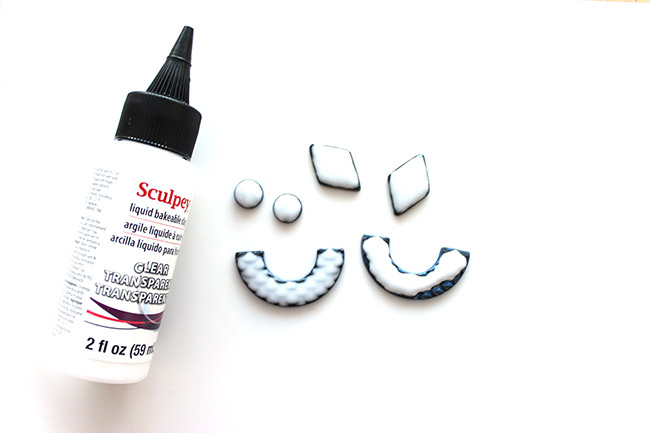
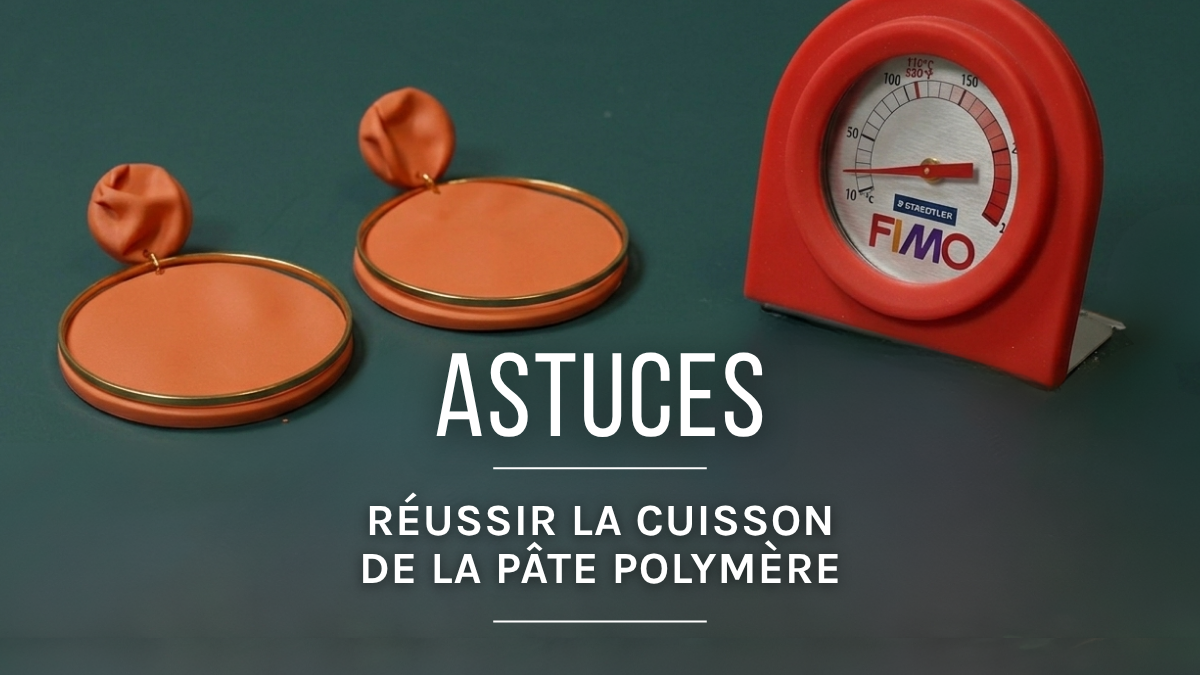
When we use Micas powders we need to perpetuate our creation to use either a varnish or liquid polymer to protect the surface from any scratches. The liquid polymer must be spread on the polymer paste before baking in a thin layer. Here is an example of these textured and colored earrings with Micas.
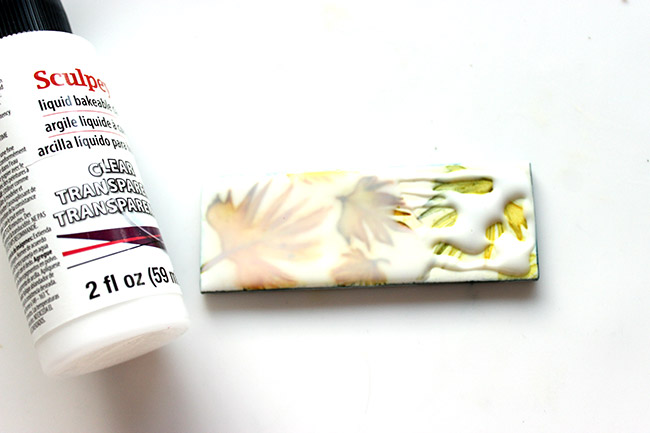
Another example of surface protection this time with Brushos inks.
3-Polymer adhesive
The liquid polymer can be used to glue polymer parts already cooked between them or a flood and the other cooked. Just spread a little on the surface that you want to stick to position the other part on it and cook later. It is quite easy for a flat design but on curved parts if the parts to be glued are already cooked the whole risk of slipping, the suppliers have developed polymer adhesives that cling the dough as for example at Sculpey the bake and jump. You will find this use as a glue with all the liquid polymers not just the translucent ones. Look at this example :

4-To obtain a ceramic effect
Mix a few drops of alcohol inks in small containers with liquid polymer. Prepare a plate of white paste, texture it and pour into the hollow of the pattern your mixture. You have an example in this necklace tutorial :

Use of opaque liquid polymers:
1-ceramic imitation
You can also achieve this ceramic effect with white polymer clay, watch the tutorial effect earrings ceramic or panda brooch made with black liquid polymer.


2-The liquid polymer casts
The liquid polymer can also be molded by filling either a silicone texture plate or molds of the same material. You will find this technique in this lace effect tutorial or in the Gingko earrings tutorial.




Credits
Perles & Co, Internet & E-Commerce company [28/10/2019] Any reproduction, representation, adaptation, in any form whatsoever, even partial, is prohibited, except for reproduction for private use not intended for collective use, representation in the family circle (art. L 122-5 CPI) and online publishing on condition that the source is mentioned and a link is included to the corresponding page of our site www.perlesandco.com.