Average Grades
En quoi sert les Godet et les plit❓
1 Answer
Show answers

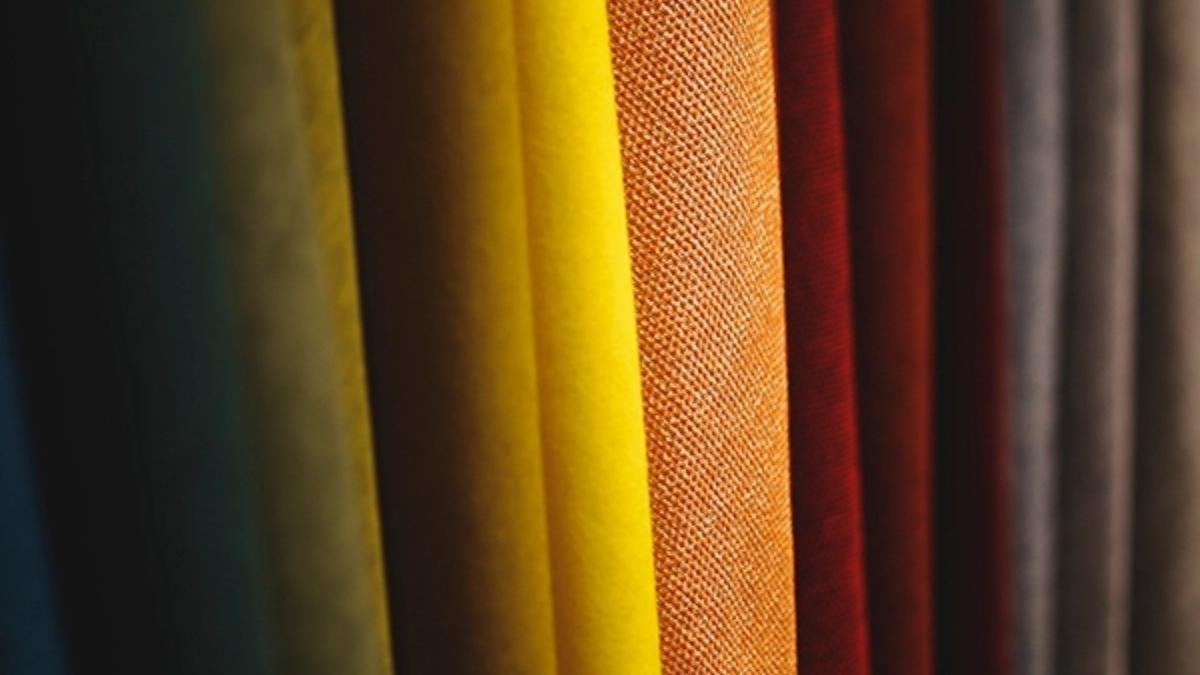
Straight thread is the vertical direction of a fabric's threads, essential for successful sewing. It's always parallel to the selvedge and warp, guaranteeing good fall and pattern alignment. To recognize it, observe the selvedge, test the fabric's elasticity or pull a thread to identify the correct direction.
How to respect the right wire?
In what way to cut the fabric?
When you start in sewing , it is not easy to know all the technical terms and put them into practice. In this technical sheet we will discuss the concept of straight wire . Essential concept to have a realization according to the pattern that you realize.
Before starting your sewing, learn to observe your fabric; What material is used, how is it made? Are the first questions that can be asked to position the different pieces of the pattern on the fabric.
Why respect the right wire?
The respect of this parameter in sewing, is not negligible, it makes it possible to have a garment or an accessory which falls well, and which is not deformed; the patterns of your fabric are aligned and give a clean rendering, it takes into account the elasticity of the fabric to facilitate actions or movements.
A fabric is usually made with the technique of weaving. It is composed of two types of threads that intersect:
On a loom, the warp threads are stretched and the weft threads are woven perpendicularly. The edges of the fabric are the edges delimiting the width of a fabric. As Bizibul explains in the article to find the meaning of the fabric in our toolbox.

We present 3 methods to recognize the right wire.
1. Identify yourself with the edge of the fabric:
The straight line is parallel to the edge. Tip: On most fabrics in commerce, you will recognize at a glance these two elements; manufacturers register their name and logo with the colors used.
2. Test the elasticity of the fabric:
When the edges of the fabric are not indicated, you will be able to locate the right thread through the elasticity of the fabric by stretching it in both directions. The straight line is in the direction of the least supple and elastic fabric.
3. Identify yourself with the warp and weft threads:
As stated in the beginning of the article the fabric is mainly made with weft yarns and warp yarns. Near an angle, using a pin, pull a yarn from the weave. The absence of the wire will create a marking that will correspond to either the weft or the warp threads. The straight line will be parallel to the warp.

Small note: The right wire
Now that you know how to recognize the right yarn in a fabric, you can go to the next step, cutting a pattern or consult our technical sheet how to start sewing in our toolbox.




Credits
Perles & Co, Internet & E-Commerce company [22/10/2018] Any reproduction, representation, adaptation, in any form whatsoever, even partial, is prohibited, except for reproduction for private use not intended for collective use, representation in the family circle (art. L 122-5 CPI) and online publishing on condition that the source is mentioned and a link is included to the corresponding page of our site www.perlesandco.com.