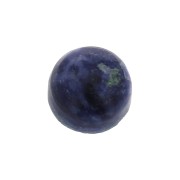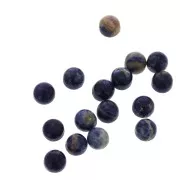
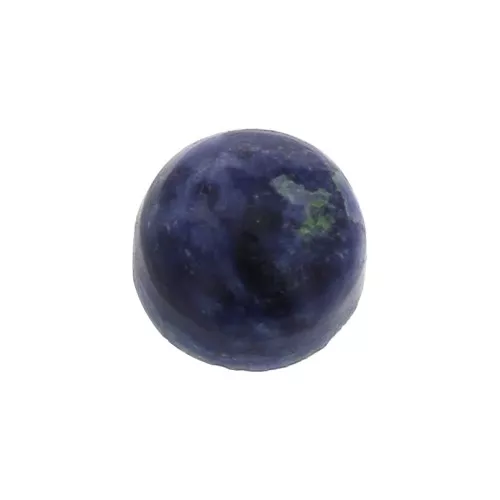
6 mm round cabochon forsetting or gluing
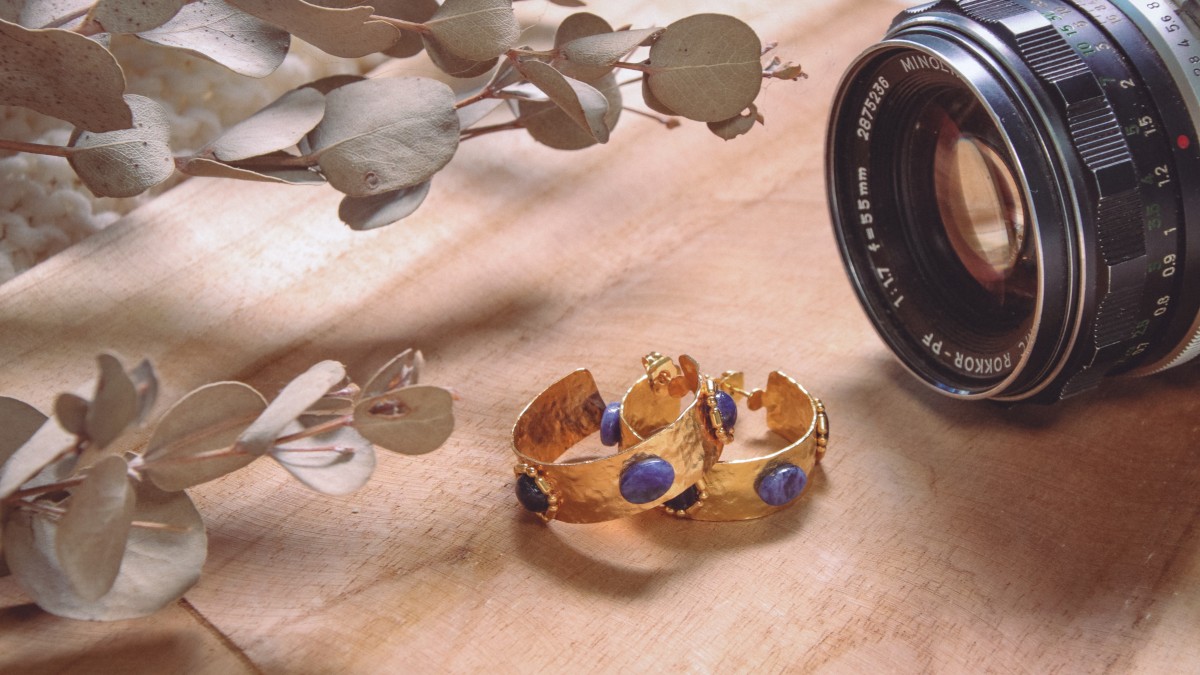
This flat-bottomed gemstone is made of Sodalite.
Did you know?
Its name comes from "sodium" for soda and the Greek "lithos" meaning "stone" for lite, giving us sodium stone.
It can be either translucent or opaque, and its dominant color is blue, which is why it is confused with lapis lazuli.
For the Greeks, it was the stone of the prophets, and for the Chinese and Japanese, it represented the restoration of social order.
But here we'll be focusing more on its aesthetic appeal than on its virtues and history.
With these jewelry cabochons, you'll be able to enhance your creations.
But first, we'd like to give you a few techniques and tips to help you create your costume jewelry with complete peace of mind, and with all the knowledge you need to make sure you don't make a mistake.
What can you do with a cabochon?
The combinations are endless, so here are a few ideas for creations and types of support suitable for round cabochons. But above all, let your creative spirit flow and have fun!
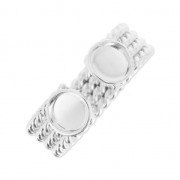
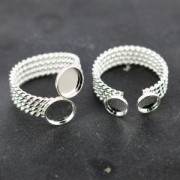
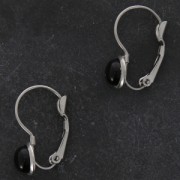
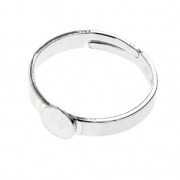
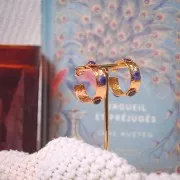
- Customize components: these cabochons will enhance your rings, earrings, brooches, bracelets and other costume jewelry.
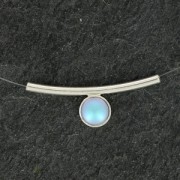
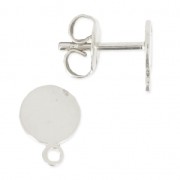
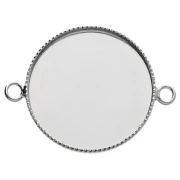
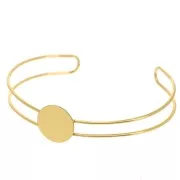
- Apply the gemstone directly to an ear stud, bracelet, brooch or other ready-to-use component for a finished effect.
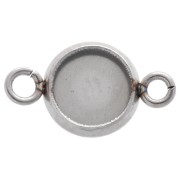
- For apprentice jewelers, have fun making your own closed settings.
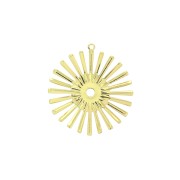
You'll find all the materials you need in our jewelry section. - To take things a step further, glue them onto spacers, openwork pendants and other components that you add to your creations, as in this herringbone chain necklace.
- Take your DIY to the next level by customizing your bare feet by covering the leather with gemstone cabochons and other materials.
- In fact, you can customize anything, as demonstrated by this tutorial on customizing a Thai basket.
How do I attach my cabochon to a support?
Don't panic, our team is here to give you all the tools you need, and have you ever heard of our toolbox?
That's where you'll find the answers to many of your questions:
- How to set cabochons?
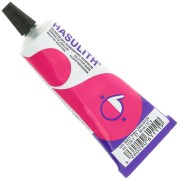
- How do I glue a cabochon to a setting?
- Which glue should I use?
- Which cabochon shapes should be set or glued to a flat backing?
Details:
Diameter: 6 mm
Thickness: approx. 3.4 mm
Please note that each piece is unique and may differ significantly from the photo.
Sold per 1 piece