Average Grades
Measure your finger circumference and add a few extra centimeters to accommodate the clasp. Then cut the piece of wire with your wire cutters.
On one end, make a pigtail loop.


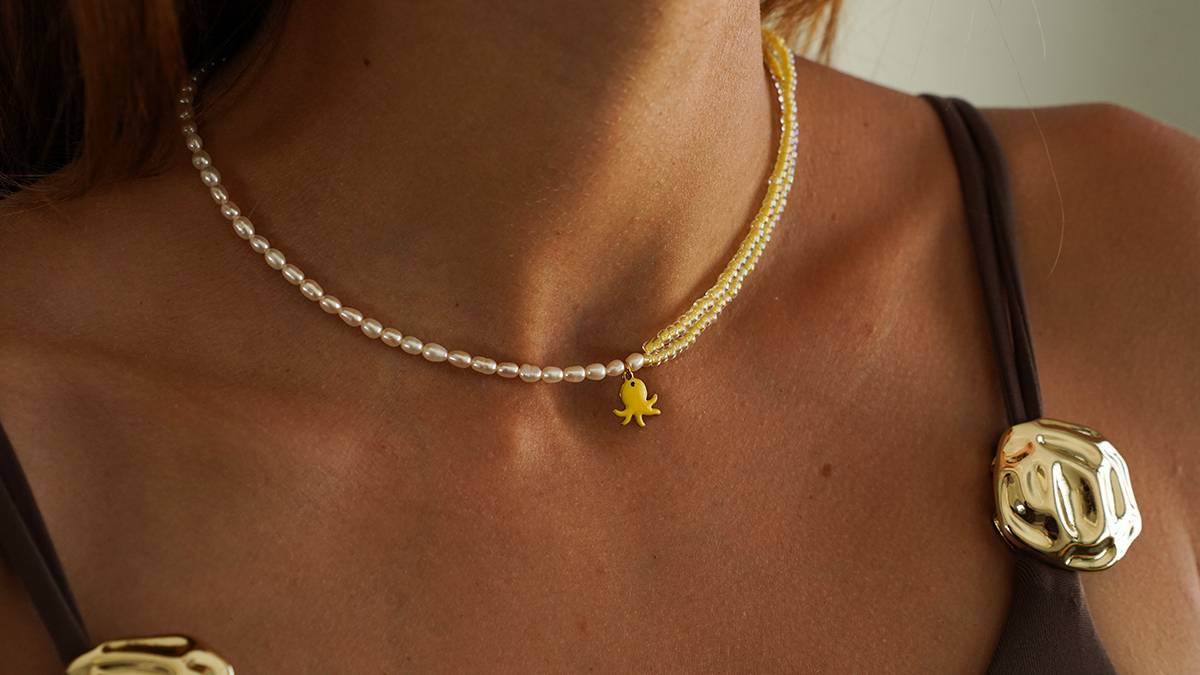
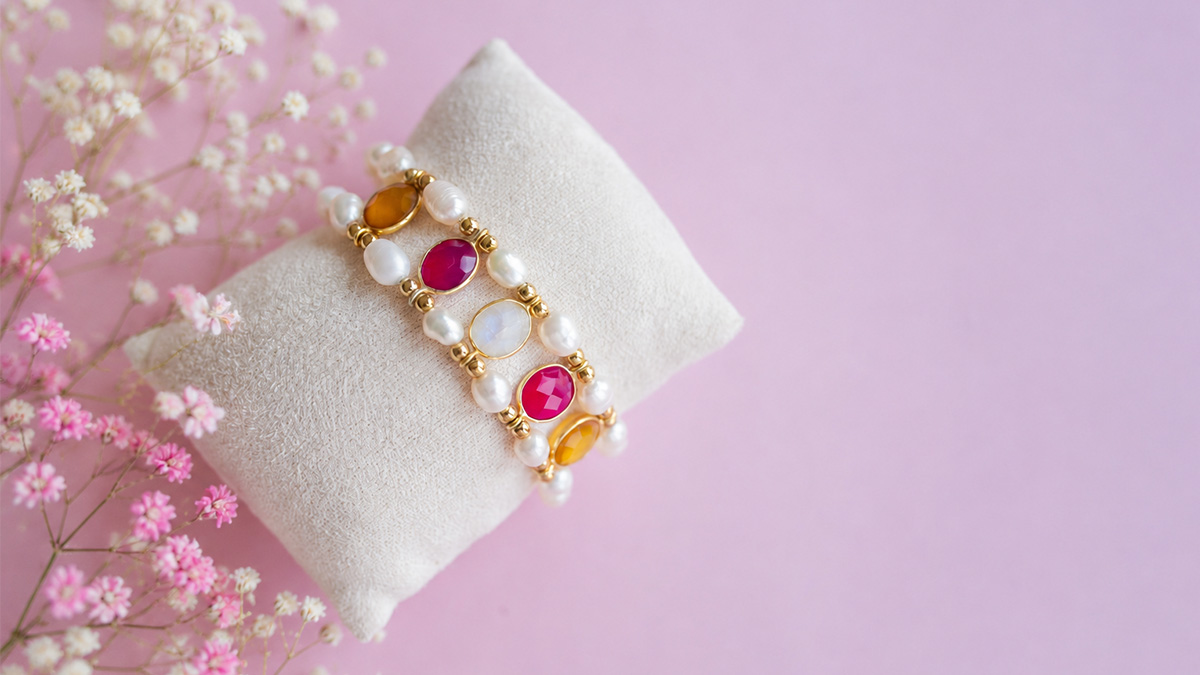
Ciao l'Hiver, "Bonjour Printemps". That's the pretty name of our springanière jewelry collection, in which, for the arrival of fine weather, we wanted to share joy and positive thoughts with you. This season is synonymous with renewal, sunshine, mild weather, flowers and birdsong, and it's in this spirit that we've designed the jewelry in our collection.
Côté technique, nothing could be simpler. So don't worry, this tutorial is made to fit a débutant.e in jewelry creation. In this tutorial, you'll learn how to make a "corktail "loop to close your ring. It's a technique that proves indispensable when creating DIY jewelry. To help you master this technical gesture, here's our fact sheet:How to make a pigtail buckle for jewelry?. It takes less than 10 minutes to make: all you need areyour jewelry clips and Miyuki beads, metal wire and charms.
Côté matériel, you can of course opt for the Delicas Miyuki 11/0 colors of your choice. We'll let you take a look at all the references on our site. Not a fan of the charm étoile? Why not opt for another motif? Our catalog is full of pites that will make you fall in love: coeur, rond, lune...
Note that the basic material (fil gold filled - laminated gold) allows you to make several rings (on average around ten), counting around 10cm of wire per ring. This length can be adapted to your finger size.
This is an ideal tutorial for indulging yourself at the lowest possible cost, either by making several rings in different colors (and using up your bead bag funds in the process!), or by gifting your loved ones with a handspun jewel that's super cute.
Pssst: And if you don't know your finger size, take a look at our tips for measuring it: How measure your finger size for ring?
Measure your finger circumference and add a few extra centimeters to accommodate the clasp. Then cut the piece of wire with your wire cutters.
On one end, make a pigtail loop.
Thread in this order:
Run this operation to achieve symmetry (which is not a requirement)
Then pass the thread through the formed loop and form a new pigtail loop to close the ring. Et voilà votre bague est prête.


You have a question about this tutorial? Ask it to our team and the people who have already tested it. The Perles & Co community is here to help you!
Credits
Perles & Co, Internet & E-Commerce company [04/04/2022] Any reproduction, representation, adaptation, in any form whatsoever, even partial, is prohibited, except for reproduction for private use not intended for collective use, representation in the family circle (art. L 122-5 CPI) and online publishing on condition that the source is mentioned and a link is included to the corresponding page of our site www.perlesandco.com.